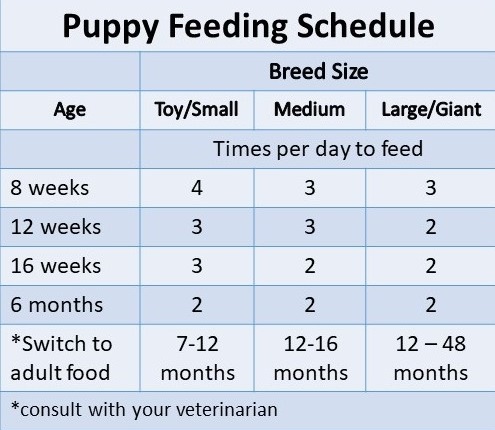
Are you wondering when to switch your dog from puppy food to adult food? It’s a question many dog owners face, and the answer isn’t always simple.
Feeding your dog the right food at the right age is key to their health and happiness. If you get it wrong, it could affect their growth, energy, and overall well-being. Keep reading, and you’ll learn exactly when and how to make this important change smoothly—so your furry friend stays strong and healthy for years to come.
Puppy Growth Stages
Feeding your puppy the right food is important for healthy growth. Puppies need different nutrition at each growth stage.
Knowing when to switch from puppy food to adult food helps your dog stay strong and active.
Key Development Phases
Puppies grow fast during their first year. Their bodies change a lot in this time. This affects what they need to eat.
There are three main phases: neonatal, transitional, and juvenile. Each phase has different needs.
- Neonatal (0-2 weeks):Puppies rely on mother’s milk for all nutrients.
- Transitional (2-4 weeks):Puppies start to open eyes and ears and try soft food.
- Juvenile (4 weeks to 12 months):Puppies grow rapidly and need high-energy, balanced food.
Nutritional Needs By Age
Puppies need food with more protein and fat than adult dogs. This supports their fast growth and energy.
Most puppies switch to adult food between 9 to 12 months, depending on their breed and size.
| Age | Food Type | Nutritional Focus |
|---|---|---|
| 0-8 weeks | Mother’s milk / Puppy milk replacer | High fat and protein for growth |
| 8 weeks – 9 months | Puppy food | Supports bone, muscle, and brain development |
| 9-12 months | Transition to adult food | Balanced nutrition for maintenance |
| 12 months and older | Adult dog food | Maintain healthy weight and energy |

Credit: www.youtube.com
When To Switch To Adult Food
Choosing the right time to switch your dog to adult food is important. It helps keep your dog healthy and strong as they grow.
Puppies need different nutrients than adult dogs. Feeding them the right food supports their development.
Age Benchmarks For Different Breeds
Dogs grow at different rates depending on their breed size. Small breeds mature faster than large breeds.
- Small breeds usually switch to adult food at 9 to 12 months.
- Medium breeds change around 12 months old.
- Large breeds need adult food after 12 to 18 months.
- Giant breeds may wait until 18 to 24 months.
These are general guidelines. Always consider your dog’s unique growth and health needs.
Signs Your Dog Is Ready
Look for signs that your dog is ready for adult food. These signs show your dog is growing out of puppy needs.
- Your dog’s adult teeth have mostly grown in.
- Your dog’s growth rate slows down.
- Your dog’s energy levels become steady, not hyperactive.
- Your dog’s body shape looks more like an adult.
If you see these signs, you can start mixing adult food with puppy food. Do this slowly over a week or two.
Choosing The Right Adult Food
Knowing when to switch your dog to adult food is key. As a pet owner, choosing the right type is essential for health.
This guide will help you understand what to look for and what to avoid in adult dog food.
Ingredients To Look For
High-quality ingredients make a big difference in your dog’s diet. Look for these on the label.
- Real meat like chicken or beef as the first ingredient
- Whole grains such as brown rice or barley
- Healthy fats like fish oil for a shiny coat
- Fruits and vegetables for vitamins and minerals
Avoiding Common Pitfalls
Some ingredients can be harmful or less beneficial for your dog. Avoid these common pitfalls.
| Ingredient | Reason to Avoid |
| By-products | Low nutritional value |
| Artificial colors | May cause allergies |
| Excessive fillers | Can lead to weight gain |
Choose wisely and keep your dog healthy and happy.
Transitioning Your Dog’s Diet
Changing your dog from puppy food to adult food is important for their health. This usually happens when they reach about one year old.
Transitioning slowly helps your dog adjust to new food and avoid stomach problems.
Step-by-step Switching Process
Start by mixing a small amount of adult food with your dog’s puppy food. Increase the adult food amount over time.
Make the change over 7 to 10 days to help your dog’s body get used to the new diet.
- Day 1-3: 25% adult food, 75% puppy food
- Day 4-6: 50% adult food, 50% puppy food
- Day 7-9: 75% adult food, 25% puppy food
- Day 10: 100% adult food
Managing Digestive Changes
Some dogs may have loose stools or mild upset stomach during the change. Watch your dog’s reaction closely.
If your dog shows signs of stomach upset, slow the transition by keeping the old food longer.
- Keep fresh water available at all times
- Feed smaller meals more often
- Consult your vet if problems last more than a week
Special Considerations
Knowing the right time to switch your dog to adult food depends on more than just age. Breed size and health issues also play big roles. Paying attention to these helps keep your dog healthy.
This guide covers key points for large and small breeds and how health conditions affect diet. Use this to choose the best feeding plan for your dog.
Large Vs Small Breeds
Large and small dog breeds grow at different rates. This affects when to start adult food. Small breeds mature faster than large breeds. Large breeds need puppy food longer to support bone growth.
- Small breeds often switch to adult food at 9 to 12 months old.
- Large breeds may need puppy food until 12 to 18 months.
- Giant breeds might require puppy food up to 2 years old.
Health Conditions Impacting Diet
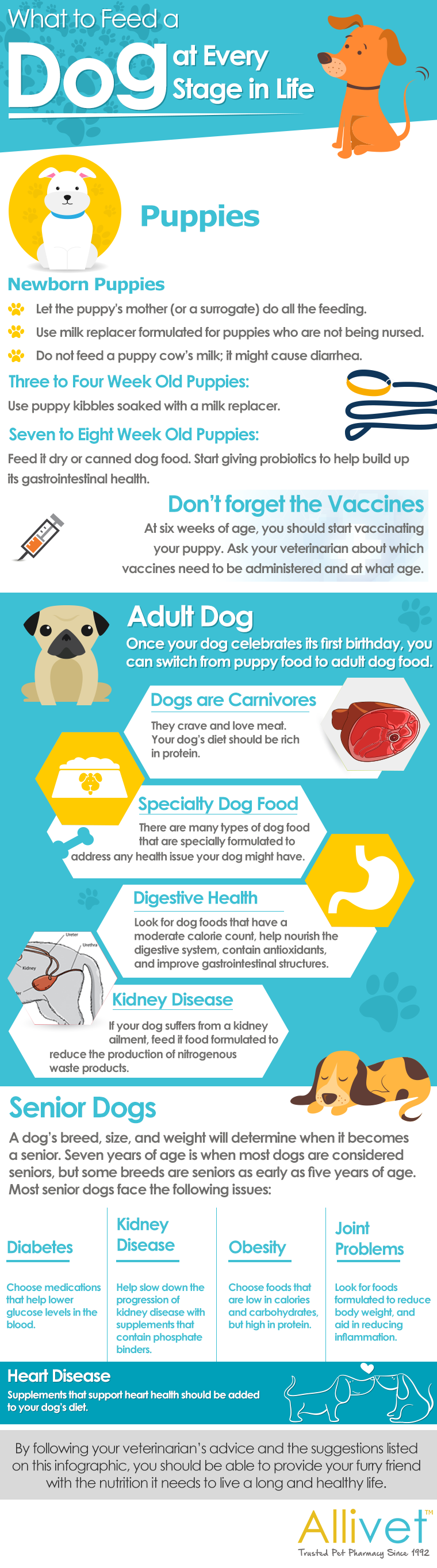
Some health issues need special diets. Dogs with allergies, kidney problems, or obesity need food made for their condition. Consult a vet to find the best food type and timing.
| Health Condition | Diet Consideration |
| Allergies | Hypoallergenic or limited ingredient diets |
| Kidney Disease | Low protein, low phosphorus food |
| Obesity | Low calorie, high fiber food |
| Diabetes | Consistent carbohydrate content diet |
Credit: dogsauce.co
Expert Tips For Feeding Adult Dogs
Feeding your dog the right food at the right age helps keep them healthy. Adult dog food has the nutrients dogs need after they grow up. Knowing when to switch to adult food is important for your dog’s health.
Along with choosing the right food, how much and how often you feed your dog matters. This guide covers portion control and meal frequency for adult dogs.
Portion Control
Portion control helps keep your dog at a healthy weight. The amount depends on your dog’s size, activity, and age. Overfeeding can cause obesity. Underfeeding can lead to malnutrition.
- Follow the feeding guidelines on the dog food package.
- Adjust portions based on your dog’s weight and energy level.
- Use a measuring cup to give consistent portions.
- Consult your vet for special dietary needs.
- Watch your dog’s body condition regularly.
Meal Frequency
Meal frequency can affect digestion and energy levels. Most adult dogs do well with two meals per day. Some dogs might need more or fewer meals depending on their health and lifestyle.
| Age | Meal Frequency |
| 1 to 7 years | 2 meals per day |
| Senior dogs (7+ years) | 1 to 2 smaller meals per day |
| Highly active dogs | 3 meals per day |
Credit: www.allivet.com
Frequently Asked Questions
When Should I Switch My Puppy To Adult Dog Food?
You should switch to adult dog food when your puppy reaches about 12 months. Large breeds may need adult food later, around 18-24 months. Transition gradually over a week to avoid digestive issues.
Why Is The Age Of Switching Dog Food Important?
The age matters because puppies have different nutritional needs. Adult dog food has fewer calories and supports maintenance, not growth. Feeding adult food too early can cause nutrient deficiencies or growth problems.
How To Tell If My Dog Is Ready For Adult Food?
Look for signs like slowed growth and a change in energy levels. Your vet can recommend the best time based on breed and health. Generally, dogs ready for adult food are about one year old.
Can Feeding Adult Food Too Early Harm My Dog?
Yes, feeding adult food too early can lead to nutritional imbalances. Puppies need higher protein, fat, and calories for growth. Early switching may cause stunted growth or weaker immune systems.
Conclusion
Choosing the right time to switch your dog to adult food matters. Most dogs need adult food around one year old. Small breeds may switch earlier, large breeds a bit later. Watch your dog’s growth and energy for clues. Good nutrition supports health and happiness.
Talk to your vet to make the best choice. Feeding adult food too soon or late can cause problems. Careful feeding helps your dog live a strong, healthy life. Trust your instincts and keep learning about your dog’s needs.

Emily Barker is the founder of ChillDogLife.com, a space dedicated to helping pup parents discover the best dog products, lifestyle tips, and cozy ideas for happier homes.
A lifelong dog lover, Emily combines her passion for pets with a knack for research to share trusted recommendations on everything from toys and furniture to health and everyday care.
Her goal is simple: to make life easier, stylish, and more joyful for dogs and the people who love them.




