Are you wondering when it’s the right time to switch your furry friend from puppy food to adult dog food? It’s a question every dog owner asks because feeding your dog the right food at the right age is crucial for their health and happiness.
Giving your dog adult food too early or too late can affect their growth, energy, and overall well-being. You’ll discover exactly when to make the change and what signs to look for. Keep reading to make sure you’re giving your dog the best nutrition at the perfect time.
Credit: dogsauce.co
When To Switch To Adult Food
Feeding your dog the right food at the right age is important. Puppy food supports growth, while adult food meets maintenance needs.
Knowing the right time to switch helps keep your dog healthy and happy. This guide explains when and why to make the change.
Factors Influencing The Transition
Several factors affect when you should switch your dog to adult food. Each dog is unique and may need a different schedule.
Age is a key factor, but size, breed, and health also matter. Talk to your vet for advice specific to your dog.
Breed And Size Considerations
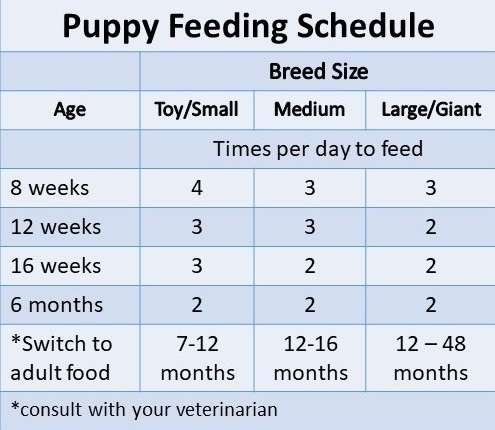
Small and large breeds grow at different rates. This affects when they need adult food.
- Small breeds often switch at 9 to 12 months
- Medium breeds switch around 12 months
- Large and giant breeds may need puppy food up to 18-24 months
Large dogs need more time on puppy food to support their bones and joints. Feeding adult food too soon can cause issues.
Signs Your Dog Is Ready
Watch your dog for signs it is ready for adult food. These signs show your dog is growing slower and needs less energy.
- Your dog stops growing in height
- Weight gain slows or stops
- Your vet says growth is nearly complete
- Your dog’s activity level changes
These signs help you decide when to start adult food. Always change food gradually over 7 to 10 days.
Credit: www.vetsupply.com.au
Benefits Of Adult Dog Food
Feeding your dog adult food at the right age supports their health and growth. Adult dog food meets their changing needs after puppyhood.
It helps keep your dog active and maintains a healthy weight. Understanding these benefits guides you to the best feeding choices.
Nutritional Needs Met
Adult dog food is designed to provide the right balance of proteins, fats, and vitamins. This balance supports muscle maintenance and organ health.
- Higher protein levels for muscle strength
- Essential fatty acids for coat and skin health
- Vitamins and minerals for immune support
Energy Levels And Health
Dogs need steady energy to stay playful and alert. Adult dog food provides the right calories without causing weight gain.
| Energy Source | Benefit |
|---|---|
| Complex Carbohydrates | Provide long-lasting energy |
| Healthy Fats | Support brain and heart health |
| Protein | Repair tissues and build muscles |
Weight Management
Adult dog food helps control weight by matching calorie intake with activity level. This reduces risks of obesity and related illnesses.
Tips for managing your dog’s weight with adult food:
- Choose food with balanced calories
- Feed measured portions daily
- Regularly exercise your dog
- Monitor weight and adjust food as needed
Risks Of Premature Switching
Feeding your dog adult food too early can cause health problems. Puppies have special needs that adult food may not meet.
It is important to know the risks of switching food too soon. This helps keep your dog healthy and happy.
Digestive Issues
Puppies’ digestive systems are not ready for adult food. Early switching can lead to stomach upset, diarrhea, or vomiting.
- Loose stools or diarrhea
- Constipation or difficulty passing stool
- Stomach cramps and discomfort
- Reduced appetite or refusal to eat
Nutritional Deficiencies
Adult food lacks some nutrients puppies need for growth. Early switching can cause missing vitamins and minerals.
| Nutrient | Needed For | Risk if Missing |
| Calcium | Bone growth | Weak bones, fractures |
| Protein | Muscle development | Poor muscle growth |
| Fatty acids | Brain and eye health | Delayed development |
| Vitamins | Overall health | Weak immune system |
Behavioral Changes
Switching to adult food too soon can change your puppy’s behavior. They might become less active or more irritable.
- Low energy and tiredness
- Increased irritability or fussiness
- Loss of interest in play
- Changes in sleep patterns
How To Transition Smoothly
Switching your dog from puppy food to adult food needs care. A smooth change helps your dog adjust well.
Make the transition slow and watch your dog’s health. This reduces stomach problems and keeps your dog happy.
Gradual Diet Change Tips
Start by mixing a small amount of adult food with puppy food. Slowly increase the adult food over 7 to 10 days.
- Day 1-3: 25% adult food, 75% puppy food
- Day 4-6: 50% adult food, 50% puppy food
- Day 7-9: 75% adult food, 25% puppy food
- Day 10: 100% adult food
Monitoring Your Dog’s Reaction
Watch your dog’s behavior and health during the change. Look for signs of stomach upset or allergies.
If your dog shows vomiting, diarrhea, or itching, slow down the transition. Consult a vet if problems continue.
- Check stool for changes in consistency
- Note any vomiting or loss of appetite
- Watch for skin redness or itchiness
- Observe energy levels and mood
Adjusting Portions
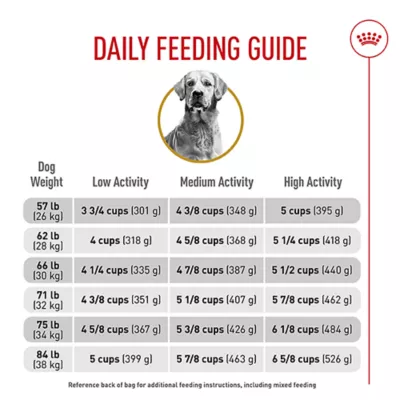
Adult dogs need different food amounts than puppies. Feed the right portion for your dog’s size and activity.
Read the feeding guide on the adult dog food package. Adjust portions if your dog gains or loses weight.
- Start with recommended feeding amounts
- Weigh your dog weekly to check weight
- Increase food if your dog is active
- Reduce food if your dog gains too much weight
Special Cases And Exceptions
Feeding your dog adult food depends on their unique needs. Some dogs may need special care before switching.
This guide explains when to feed adult food in special cases and why consulting a vet is important.
Puppies With Health Issues
Puppies with health problems may need to stay on puppy food longer. Their growth and recovery need more nutrients.
- Puppies with low weight need high-calorie food.
- Those with digestive problems may need special diets.
- Some illnesses require veterinary prescribed food.
- Switching to adult food too soon can slow healing.
Senior Dogs And Adult Food
Older dogs often need diets different from younger adults. Their metabolism and energy levels change.
| Age Group | Diet Type | Reason |
|---|---|---|
| 7-9 years | Adult food | Maintain weight and energy |
| 10+ years | Senior dog food | Support joints and digestion |
| Any age with illness | Special diet | Manage specific health issues |
Consulting Your Veterinarian
Your vet knows your dog’s health best. They can guide you on the right time to feed adult food.
Questions to ask your vet:
- Is my dog ready for adult food?
- Are there health issues to consider?
- What type of adult food suits my dog?
- How to transition food safely?

Credit: www.youtube.com
Frequently Asked Questions
When Should I Switch My Puppy To Adult Dog Food?
You should switch your puppy to adult dog food between 12 and 18 months. Small breeds may switch earlier, while large breeds might need more time for growth. Always consult your vet for the best timing based on your dog’s breed and health.
What Age Is Best For Feeding Adult Dog Food?
Most dogs transition to adult food around one year old. However, large breeds often need puppy food up to 18-24 months. Transition gradually to avoid digestive upset. Monitor your dog’s health and growth during this change.
Can Feeding Adult Food Too Early Harm Puppies?
Yes, feeding adult food too early can harm puppies. Adult food lacks essential nutrients for growth. It may cause deficiencies and stunt development. Always use age-appropriate puppy food until your dog is ready for adult formulas.
How Do I Know My Dog Is Ready For Adult Food?
Signs your dog is ready include slowed growth and weight stabilization. Your vet can confirm readiness through health checks. Also, your dog should be fully vaccinated and weaned before switching foods.
Conclusion
Feeding your dog adult food at the right age helps keep them healthy. Most dogs switch between 9 to 12 months old. Small breeds may change sooner, large breeds a bit later. Watch your dog’s growth and energy levels closely.
Consult your vet for the best timing. Changing food too early or late can cause problems. Keep your dog’s diet balanced and suitable for their age. This simple step supports their long life and happiness. Remember, healthy food means a happy dog.

Emily Barker is the founder of ChillDogLife.com, a space dedicated to helping pup parents discover the best dog products, lifestyle tips, and cozy ideas for happier homes.
A lifelong dog lover, Emily combines her passion for pets with a knack for research to share trusted recommendations on everything from toys and furniture to health and everyday care.
Her goal is simple: to make life easier, stylish, and more joyful for dogs and the people who love them.




