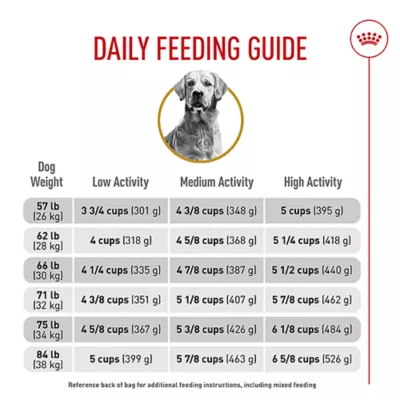
Are you wondering when your puppy should switch to adult dog food? Knowing the right time can make a big difference in your dog’s health and happiness.
Feed them too early, and they might miss out on important nutrients; wait too long, and their growth could slow down. You’ll discover the signs to watch for and expert tips to help you make the best choice for your furry friend.
Keep reading to ensure your dog gets the nutrition they need at just the right age.
Puppy Nutrition Basics
Puppies need the right food to grow healthy and strong. Their diet changes as they grow older.
Choosing the correct food helps puppies develop muscles, bones, and brains properly.
Nutritional Needs Of Puppies
Puppies need more calories and nutrients than adult dogs. They require protein, fat, vitamins, and minerals in the right amounts.
- Protein supports muscle growth and repair.
- Fat provides energy and supports brain development.
- Calcium and phosphorus help build strong bones and teeth.
- Vitamins and minerals boost the immune system.
- Water keeps puppies hydrated and helps digestion.
Growth Stages And Diet
Puppies go through different growth stages that need special diets. Food changes as they move from newborn to adult.
| Age | Diet Type | Reason |
| 0-8 weeks | Mother’s milk or puppy formula | Provides all nutrients for early growth |
| 8 weeks – 6 months | Puppy food | Supports fast growth and development |
| 6 months – 1 year | Transition to adult food | Prepares digestive system for adult diet |
| 1 year and up | Adult dog food | Maintains health and weight |

Credit: jiminys.com
When To Switch To Adult Food
Puppies grow fast and need different food than adult dogs. Switching food at the right time helps keep them healthy.
Knowing when to change to adult dog food depends on your puppy's size and growth rate. This guide helps you decide the best time.
Age Benchmarks By Breed Size
| Breed Size | Recommended Age to Switch |
| Small Breeds (under 20 lbs) | 9 to 12 months |
| Medium Breeds (20 to 50 lbs) | 12 months |
| Large Breeds (50 to 90 lbs) | 12 to 18 months |
| Giant Breeds (over 90 lbs) | 18 to 24 months |
Small dogs mature faster and can switch earlier. Giant breeds need more time to grow before switching.
Signs Your Puppy Is Ready
Besides age, watch for clear signs that your puppy is ready for adult food. These signs show they need new nutrition.
- Your puppy’s growth has slowed or stopped.
- They look leaner and less chubby.
- They eat less but stay active.
- Their teeth are fully developed.
- Your vet confirms they are mature enough.
Choosing The Right Adult Food
Knowing when to switch your dog to adult food is important. This change supports their health and growth.
Picking the right adult food involves checking ingredients and understanding special diet needs.
Key Ingredients To Look For
Good adult dog food has nutrients that keep your dog strong and active. Look for these ingredients:
- High-quality protein from meat or fish
- Healthy fats like omega-3 and omega-6
- Vitamins and minerals for immune support
- Fiber for good digestion
- Limited fillers and artificial additives
Special Diets And Considerations
Some dogs need special diets based on age, size, or health. Consult your vet if your dog has special needs.
| Diet Type | Description | Common Ingredients |
| Weight Control | Helps dogs maintain healthy weight | Lower calories, more fiber |
| Allergy Sensitive | For dogs with food allergies | Limited proteins, no wheat or soy |
| Senior Dog | Supports aging joints and digestion | Glucosamine, antioxidants |
| Large Breed | Supports bone and joint health | Balanced calcium, added vitamins |

Credit: www.pethealthclub.com
Transitioning Your Dog’s Diet
Dogs need different foods at different ages. Knowing when to switch to adult food is important. This ensures your dog gets the right nutrients.
Most dogs transition to adult food around one year old. Larger breeds may need more time. Always consult your vet for the best advice.
Gradual Food Changes
Switching food too fast can upset your dog’s stomach. A gradual change is key. This helps your dog adjust smoothly to the new diet.
Start by mixing a small amount of adult food with their current food. Slowly increase the adult food over a week. This method prevents digestive issues.
- Day 1-2: 25% adult food, 75% current food
- Day 3-4: 50% adult food, 50% current food
- Day 5-6: 75% adult food, 25% current food
- Day 7: 100% adult food
Managing Digestive Health
Digestive health is crucial when changing your dog’s food. Watch for signs of upset stomach or diarrhea. These can indicate a problem with the new food.
Ensure your dog has access to fresh water. Hydration helps digestion. If issues persist, talk to your vet. They may suggest a different food or feeding plan.
Common Mistakes To Avoid
Feeding your dog adult food at the right time is important for their health. Many pet owners make mistakes that can harm their dog’s growth.
Learning when and how to switch to adult food helps avoid problems. This guide covers common errors to watch out for.
Switching Too Early Or Late
Changing your dog to adult food too soon can cause digestion problems. Their body might not be ready for the new food.
Waiting too long to switch can also hurt your dog. Puppy food has nutrients that growing dogs need. Feeding it for too long can lead to weight gain or nutrient imbalance.
- Switch too early: risk of stomach upset and poor growth
- Switch too late: risk of obesity and unbalanced nutrition
- Follow your vet’s advice on timing
Ignoring Individual Needs
Each dog grows at a different pace. Ignoring your dog’s size, breed, and health can cause feeding mistakes.
Large breeds often need more time on puppy food than small breeds. Dogs with health problems may need special diets. Always watch your dog’s weight and energy levels.
- Consider breed size and growth rate
- Adjust food type based on health status
- Monitor your dog’s condition regularly
Veterinary Advice And Recommendations
Knowing when to switch your dog to adult food is important for their health. Vets give advice to help make this change safe.
Each dog is different, so expert guidance helps tailor the diet right for your pet’s needs.
Regular Health Checks
Veterinarians suggest regular health checks to watch your dog’s growth and development. These visits help decide the best time to start adult food.
- Check weight and body condition
- Assess dental health and chewing ability
- Monitor energy levels and behavior changes
- Identify signs of allergies or digestive issues
Tailoring Diet To Health Conditions
Some dogs need special diets due to health issues. Vets can recommend foods that support these conditions.
| Health Condition | Diet Recommendation |
| Kidney Disease | Low protein, controlled phosphorus |
| Allergies | Hypoallergenic or limited ingredient |
| Obesity | Low calorie, high fiber |
| Dental Problems | Soft or wet food |
Credit: dogsauce.co
Frequently Asked Questions
When Should Puppies Switch To Adult Dog Food?
Puppies can start adult dog food around 12 months old. Large breeds may switch closer to 18 months. Consult your vet for breed-specific advice. Transition gradually over 7-10 days to avoid digestive issues. This ensures balanced nutrition for your dog’s growth stage.
Why Is Timing Important For Switching Dog Food?
Switching too early can cause nutritional imbalances. Puppies need higher calories and nutrients than adults. Switching too late may lead to obesity or deficiencies. Proper timing supports healthy growth and development. Always monitor your dog’s weight and health during the transition.
How To Transition Dogs To Adult Food Smoothly?
Mix increasing amounts of adult food with puppy food daily. Complete the switch over 7-10 days to prevent stomach upset. Observe your dog for any digestive changes. Provide fresh water and avoid sudden diet changes. This gradual method promotes good digestion and acceptance.
Can All Dog Breeds Switch To Adult Food At The Same Age?
No, small breeds mature faster than large breeds. Small dogs can switch around 9-12 months. Large breeds may need up to 18 months for full maturity. Breed size and growth rate influence the ideal switching age. Always follow breed-specific nutritional guidelines.
Conclusion
Dogs usually start eating adult food around one year old. Puppies need special food to grow strong and healthy. Changing food too soon can upset their stomach. Watch your dog’s size, breed, and health before switching. Talk to your vet to get the best advice.
Feeding the right food helps your dog stay happy and active. Take your time and make the change slowly. Your dog will thank you with a wagging tail.

Emily Barker is the founder of ChillDogLife.com, a space dedicated to helping pup parents discover the best dog products, lifestyle tips, and cozy ideas for happier homes.
A lifelong dog lover, Emily combines her passion for pets with a knack for research to share trusted recommendations on everything from toys and furniture to health and everyday care.
Her goal is simple: to make life easier, stylish, and more joyful for dogs and the people who love them.




