
Are you wondering when your puppy should start eating adult dog food? Making this switch at the right time is important for your dog’s health and growth.
Too early or too late can cause problems you want to avoid. You’ll discover the exact age your dog can safely move to adult food and how to make the transition smooth. Keep reading to give your furry friend the best nutrition at every stage of life.
Puppy Growth Stages
Knowing when your puppy can eat adult dog food is important. Dogs grow fast and need different food at each stage. This helps them stay healthy and strong.
We will look at three key stages of puppy growth. Each stage has special feeding needs. Understanding these can guide you on when to change their diet.
Newborn To Weaning
During this stage, puppies rely only on their mother’s milk. It has all the nutrients they need. Their immune system is still weak, so they must stay close to mom.
- Age: Birth to about 3-4 weeks
- Diet: Mother’s milk only
- Care: Keep puppies warm and clean
- Growth: Rapid development of organs and senses
Transition To Solid Food
This stage starts when puppies are about 3 to 4 weeks old. They begin to eat soft, solid food. This helps their teeth and digestive system grow stronger.
| Age | Type of Food | Notes |
| 3-4 weeks | Soft puppy food mixed with water or milk | Start with small amounts |
| 5-8 weeks | More solid puppy food | Reduce milk gradually |
| 8 weeks | Full solid puppy food diet | Ready for weaning off mother’s milk |
Juvenile Phase
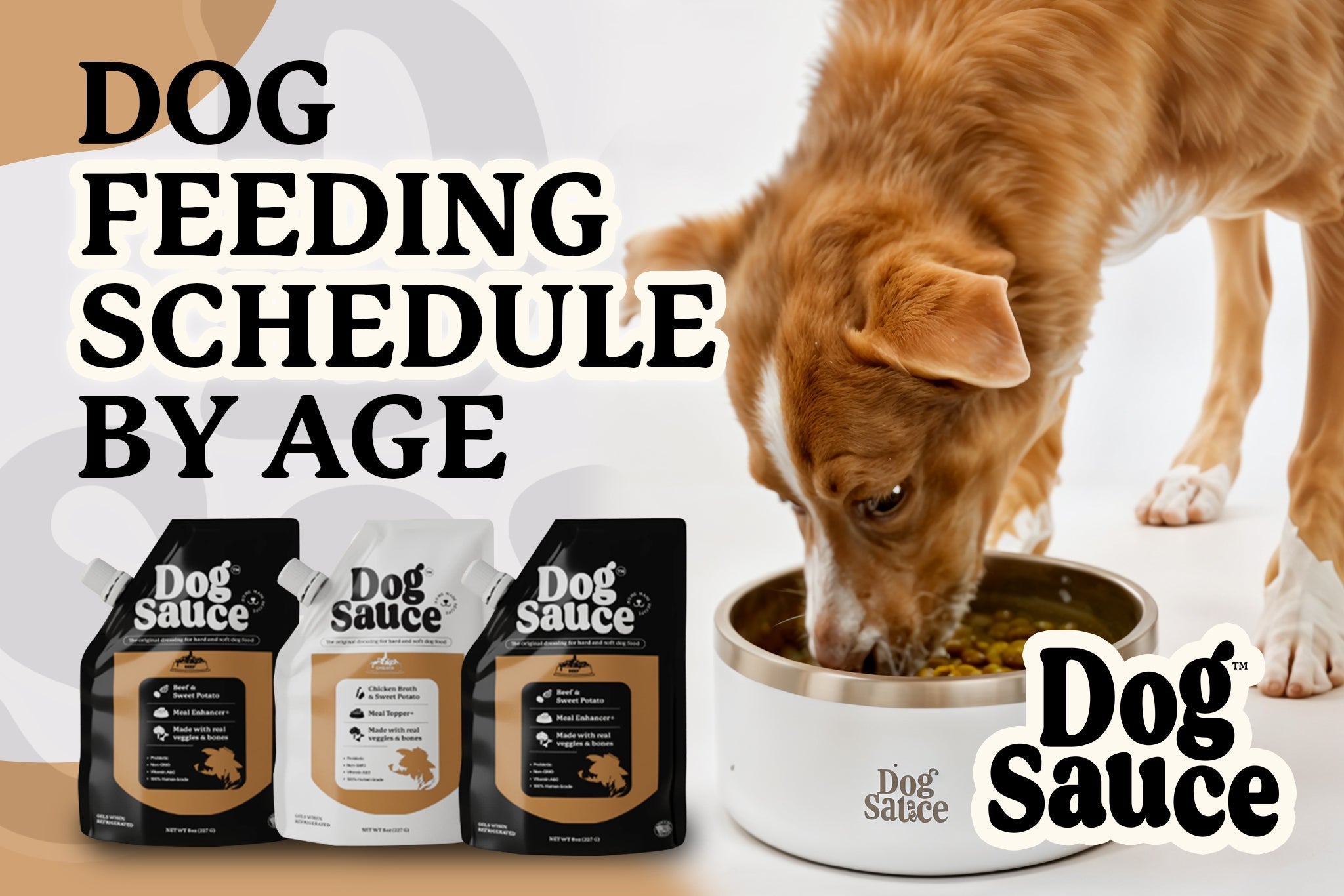
At this phase, puppies grow quickly. They need more calories and nutrients. Usually, they switch to adult dog food around this time, but it depends on the breed.
- Age: About 6 months to 1 year
- Diet: Gradual change from puppy to adult food
- Monitor weight and energy levels
- Consult your vet for breed-specific advice
Credit: dogsauce.co
When To Switch To Adult Food
Knowing when to switch your dog to adult food is important for their health. Puppies grow fast and their diet needs to change as they develop.
Switching at the right time supports proper growth and meets their changing nutritional needs.
Breed Size Considerations
Different dog breeds grow at different rates. Small breeds mature faster than large breeds. This affects when to change their food.
| Breed Size | Age to Switch to Adult Food |
| Small Breeds (under 20 lbs) | 9 to 12 months |
| Medium Breeds (20-50 lbs) | 12 months |
| Large Breeds (50-100 lbs) | 12 to 18 months |
| Giant Breeds (over 100 lbs) | 18 to 24 months |
Physical Development Signs
Watch your dog’s body for signs it is ready for adult food. These signs tell you when their growth is slowing down.
- Growth plates in bones start closing
- Teeth are fully developed
- Muscle mass looks fuller and firmer
- Energy levels become more steady
Nutritional Needs Changes
Puppies need food rich in calories, protein, and fat for growth. Adult dogs need balanced nutrition for maintenance.
| Nutrient | Puppy Food | Adult Food |
|---|---|---|
| Calories | Higher | Lower |
| Protein | More | Moderate |
| Fat | More | Moderate |
| Calcium | Higher | Balanced |
Risks Of Early Transition
Switching a dog to adult food too soon can lead to various health issues. It’s crucial to understand these risks to ensure your pet’s well-being.
Knowing when to transition helps maintain proper growth and health for your furry friend. Let’s explore the potential risks involved.
Digestive Issues
Dogs have sensitive stomachs, especially when young. Early transition may upset their digestive system.
- Vomiting can occur if adult food is introduced too early.
- Diarrhea may result from sudden dietary changes.
- Gas and bloating are also common symptoms.
Nutrient Deficiency
Puppies need specific nutrients for growth. Adult food may not meet these needs.
| Essential Nutrient | Puppy Needs | Adult Food |
| Protein | High | Moderate |
| Calcium | Higher | Lower |
| Fat | More | Less |
Growth Problems
Improper nutrition can affect a puppy’s growth. A balanced diet is essential for strong bones and muscles.

Credit: jiminys.com
How To Transition Smoothly
Switching your dog from puppy to adult food is important. It helps keep your dog healthy and happy.
A slow and careful change can avoid stomach problems and picky eating habits.
Gradual Mixing Method
Mix adult food with puppy food little by little. Start with mostly puppy food and a small amount of adult food.
- Day 1-3: 75% puppy food, 25% adult food
- Day 4-6: 50% puppy food, 50% adult food
- Day 7-9: 25% puppy food, 75% adult food
- Day 10+: 100% adult food
Monitoring Your Dog’s Response
Watch how your dog reacts to the new food. Check for any signs of upset stomach or allergies.
| Sign | What to Do |
| Vomiting | Slow the transition pace |
| Diarrhea | Consult your vet if it lasts more than two days |
| Loss of appetite | Try mixing food more evenly |
| Normal behavior | Continue with the plan |
Adjusting Portion Sizes
Your dog’s energy needs change with age. Adjust food amounts to keep your dog fit and strong.
- Feed smaller portions if your dog gains weight
- Increase portions slightly if your dog is very active
- Follow package feeding guidelines as a starting point
- Ask your vet for personalized advice
Choosing The Right Adult Food
Feeding your dog adult food at the right age helps support their health. Dogs usually switch to adult food between one and two years old. Choosing the right food keeps them strong and active.
Adult dog food has different nutrients than puppy food. It is important to pick food that fits your dog’s size, breed, and health needs.
Ingredients To Look For
Good adult dog food should have high-quality ingredients. Look for foods with real meat or fish listed first. Healthy fats and fibers help with energy and digestion.
- Protein from chicken, beef, lamb, or fish
- Whole grains like brown rice or oats
- Vegetables such as carrots and peas
- Essential fatty acids like omega-3 and omega-6
- Added vitamins and minerals for immune support
Special Dietary Needs
Some dogs need special diets due to allergies or health problems. Choose food that meets those needs to keep your dog comfortable and healthy.
| Condition | Recommended Diet |
| Allergies | Grain-free or limited ingredient food |
| Weight Control | Low-calorie, high-fiber food |
| Kidney Health | Low protein and phosphorus food |
| Digestive Issues | Food with probiotics and easily digestible ingredients |
Consulting Your Veterinarian
Your vet knows your dog’s health best. Talk to them before changing food. They can suggest the best diet and timing for switching to adult food.
- Discuss your dog’s age and breed
- Share any health problems or allergies
- Ask about portion sizes and feeding schedules
- Get advice on brands or types of food
Signs Your Dog Is Ready
Knowing when to switch your dog to adult food is important. Dogs grow at different rates. Watching for signs helps you decide the right time.
This guide covers key signs to look for before making the change. Pay attention to behavior, size, and energy.
Behavioral Changes
Your dog’s behavior can show readiness for adult food. Puppies often act more independent as they grow. They may eat less frequently but finish meals faster.
Look for signs like:
- Less frequent nursing or begging for food
- Increased interest in solid food
- More calm and focused during meals
Weight And Size Benchmarks
Most dogs are ready for adult food once they reach a certain size. This varies by breed and growth rate. Small breeds mature faster than large breeds.
| Breed Size | Typical Age to Switch | Weight Range (lbs) |
| Small | 9-12 months | under 20 |
| Medium | 12 months | 20-50 |
| Large | 12-18 months | 50-100 |
| Giant | 18-24 months | over 100 |
Energy Levels
Energy changes as your dog grows. Puppies have bursts of energy and then rest a lot. Adult dogs tend to have steadier energy levels throughout the day.
Watch your dog’s energy patterns. Here are signs your dog’s energy shows readiness for adult food:
- Longer active play sessions
- Less frequent naps during the day
- More balanced energy without sudden spikes
Common Myths About Dog Food Transition
Many dog owners are unsure about when to switch their pets to adult food. Misunderstandings can lead to poor nutrition choices.
Let’s explore some common myths about transitioning your dog to adult food. Knowing the facts helps in making better decisions for your pet’s health.
All Dogs Switch At One Year
Not all dogs are ready to switch to adult food at one year old. The right time depends on the dog’s breed and size. Some dogs mature faster than others.
- Small breeds can mature as early as nine months.
- Large breeds might take up to two years to mature.
- Consult your vet for the best timing.
Adult Food Is Cheaper And Better
Adult food is not always cheaper or better. Quality can vary, and some adult foods may lack essential nutrients for growing dogs.
| Food Type | Cost Range | Nutritional Value |
| Premium Adult | $20–$50 | High |
| Standard Adult | $10–$30 | Moderate |
| Economy Adult | $5–$15 | Low |
Puppy Food Is Always Best
While puppy food is essential for growing dogs, it is not always best for adult dogs. Continued use can lead to obesity in mature dogs.
Credit: www.purina.com
Frequently Asked Questions
When Should Puppies Switch To Adult Dog Food?
Puppies should switch to adult dog food around 12 months old. Large breeds may transition later, at 18-24 months. This timing supports growth and meets their changing nutritional needs.
Why Not Feed Puppies Adult Dog Food Early?
Adult dog food lacks essential nutrients for puppy growth. Feeding it early may cause malnutrition and developmental issues. Puppies require higher protein, fat, and calorie content for proper development.
How To Know If My Dog Is Ready For Adult Food?
Look for signs like reaching 80% of adult size and stable energy levels. Consult your vet to ensure your dog’s growth is complete before switching to adult food.
Can Feeding Adult Food Too Late Harm Dogs?
Yes, delaying adult food can cause excessive weight gain or nutrient imbalance. Proper timing ensures optimal health, energy, and weight management for your dog.
Conclusion
Puppies usually start eating adult food around one year old. This change helps meet their growing body’s needs. Watch your dog’s size, breed, and health for the best timing. Slowly mix adult food with puppy food to avoid stomach upset.
Always provide fresh water with meals. Consult your vet if unsure about the switch. Feeding the right food supports your dog’s health and energy. Keep your dog happy and strong with proper nutrition. Small steps lead to a smooth transition to adult food.

Emily Barker is the founder of ChillDogLife.com, a space dedicated to helping pup parents discover the best dog products, lifestyle tips, and cozy ideas for happier homes.
A lifelong dog lover, Emily combines her passion for pets with a knack for research to share trusted recommendations on everything from toys and furniture to health and everyday care.
Her goal is simple: to make life easier, stylish, and more joyful for dogs and the people who love them.




