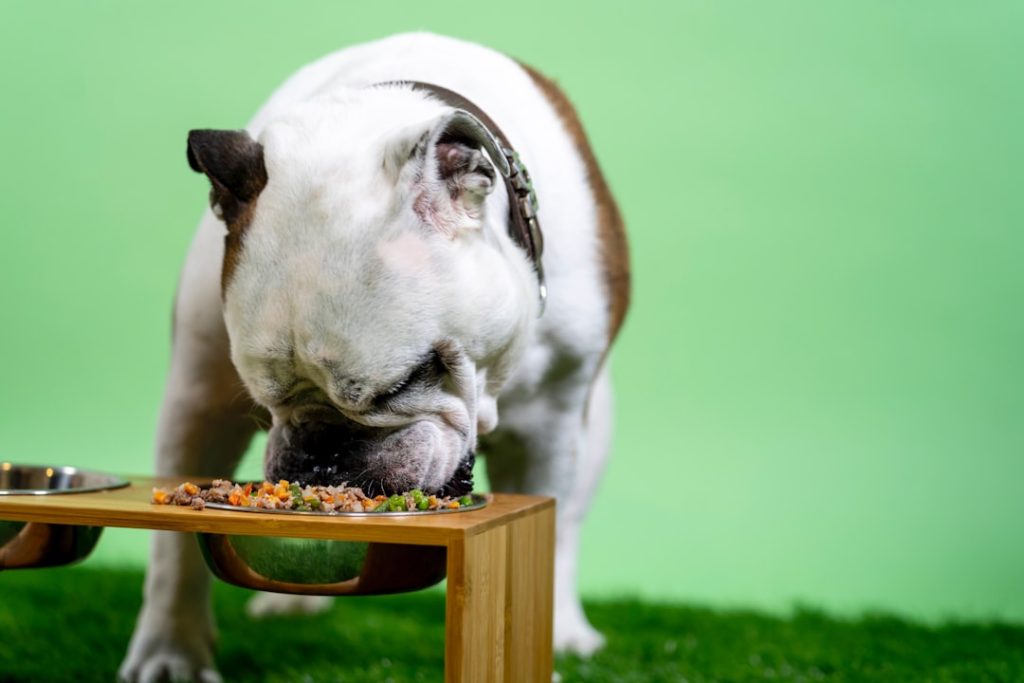
Are you wondering if your adult dog can eat puppy food? It’s a common question many dog owners have.
You want the best for your furry friend, but feeding the wrong food can cause problems. Puppy food is packed with nutrients designed for growing pups, but is it safe or healthy for your adult dog? Keep reading to find out the surprising truth and learn how to make the right choice for your dog’s health and happiness.

Credit: www.petscare.com
Nutritional Needs Of Adult Dogs
Adult dogs have different nutritional needs than puppies. Their food must support maintenance and health.
Understanding these needs helps decide if adult dogs can eat puppy food safely.
Caloric Requirements
Adult dogs need fewer calories than puppies. Too many calories can cause weight gain.
- Adult dogs require calories based on size and activity.
- Overfeeding can lead to obesity and health issues.
- Energy needs decrease as dogs age.
Protein And Fat Levels
Adult dog food has less protein and fat than puppy food. This matches their slower growth.
| Nutrient | Adult Dog Food | Puppy Food |
| Protein | 18-25% | 22-32% |
| Fat | 8-15% | 10-25% |
Vitamins And Minerals
Adult dogs need balanced vitamins and minerals to stay healthy. Too much of some can harm them.
Key vitamins and minerals for adult dogs include:
- Calcium and phosphorus for bone health
- Vitamin A for vision and skin
- Vitamin E as an antioxidant
- Zinc for immune function

Credit: wb-iisg.com
What Puppy Food Contains
Puppy food is specially made to support young dogs as they grow. It has different ingredients than adult dog food. These ingredients help puppies stay healthy and strong.
Understanding what is inside puppy food helps dog owners decide if adult dogs can eat it or not. Let’s look at three important parts of puppy food.
Higher Calories And Fats
Puppy food contains more calories and fats than adult dog food. Growing puppies need extra energy to support their active lifestyle. This extra energy helps them develop muscles and stay lively.
Growth-boosting Nutrients
Puppy food includes special nutrients that help bones and muscles grow. These nutrients support healthy development and strong immune systems in puppies.
- Calcium for strong bones
- Phosphorus for bone health
- Protein for muscle growth
- Vitamins like A, D, and E for immunity
Texture And Ingredients
| Feature | Purpose |
| Smaller kibble size | Easy for puppies to chew and digest |
| Soft texture | Gentle on young teeth and gums |
| Natural ingredients | Provide essential vitamins and minerals |
| No harsh additives | Protect sensitive puppy stomachs |
Risks Of Feeding Adult Dogs Puppy Food
Adult dogs have different nutritional needs than puppies. Feeding puppy food to adult dogs can cause health problems. It is important to understand the risks before making changes to their diet.
Puppy food contains more calories and nutrients to support growth. Adult dogs do not require this extra nutrition, so feeding them puppy food regularly can lead to issues.
Weight Gain And Obesity
Puppy food has higher fat and calorie content. This can cause adult dogs to gain weight quickly. Extra weight puts strain on their joints and organs.
- Excess calories lead to fat storage
- Increased risk of diabetes and heart disease
- Reduced mobility and energy levels
- Shorter lifespan due to obesity-related illnesses
Digestive Issues
Adult dogs may have trouble digesting the rich ingredients in puppy food. This can cause stomach upset and other digestive problems.
| Symptom | Cause |
| Diarrhea | Too much fat in the diet |
| Vomiting | Sudden diet change |
| Gas and bloating | Rich food hard to digest |
| Loose stools | Imbalance of fiber and nutrients |
Nutrient Imbalance
Puppy food has extra protein and vitamins for growth. Adult dogs do not need as much of these nutrients. Feeding puppy food can cause an imbalance.
Too much protein and fat may lead to:
- Kidney stress
- Upset stomach
- Excess calcium causing joint problems
- Vitamin overdose issues
When Puppy Food May Be Suitable
Puppy food contains more calories and nutrients than adult dog food. This helps puppies grow strong and healthy. In some cases, adult dogs can also benefit from puppy food.
Here are some situations where feeding adult dogs puppy food may be helpful and safe.
Pregnant Or Nursing Dogs
Pregnant or nursing dogs need extra energy and nutrients. Puppy food is richer in protein and fat, which supports their health and milk production. It helps them stay strong during this demanding time.
Underweight Or Sick Adults
Adult dogs that are underweight or recovering from illness may need more calories and nutrients. Puppy food can help them gain weight and recover faster.
- High calorie content supports weight gain
- Extra vitamins and minerals aid healing
- Soft textures in some puppy foods help with appetite
Short-term Use
Sometimes adults may need puppy food for a short time. This can happen after surgery or during stressful times. Puppy food can supply extra energy and nutrients to help them recover quickly.
| Reason | Benefit of Puppy Food |
| Pregnancy or Nursing | Supports energy and milk production |
| Underweight or Sick | Helps gain weight and recover |
| Short-Term Recovery | Provides extra calories and nutrients |
Alternatives To Puppy Food For Adults
Adult dogs have different nutrition needs than puppies. Feeding puppy food to adult dogs is not always best. It can cause weight gain and other issues.
There are many alternatives to puppy food for adult dogs. These options meet their health needs without extra calories.
Adult Dog Food Options
Choose dog food made specifically for adults. These foods balance protein, fat, and vitamins for grown dogs. They help maintain a healthy weight and energy level.
Look for formulas labeled for adult maintenance. Many brands offer dry kibble, wet food, or raw options designed for adults.
- Adult maintenance dry kibble
- Wet food for adult dogs
- Grain-free formulas for sensitive stomachs
- Weight control or low-fat options
Homemade Diet Ideas
You can prepare healthy meals at home for your adult dog. Cooked lean meats, vegetables, and grains work well. Avoid harmful foods like onions and chocolate.
Make sure the meals have balanced nutrients. Consult your vet for advice on adding vitamins and minerals.
- Boiled chicken or turkey without bones
- Cooked carrots, peas, or green beans
- Rice or sweet potatoes for energy
- Small amounts of healthy oils for skin and coat
Supplement Choices
Supplements can help fill nutrition gaps in adult dog diets. Choose products made for dogs and approved by vets. Common supplements include fish oil for coat health and glucosamine for joints.
Always check with your vet before adding supplements. Too much of certain vitamins can harm your dog.
- Fish oil for skin and coat
- Glucosamine for joint support
- Probiotics for digestion
- Multivitamins for overall health
Tips For Transitioning Dog Food
Changing your dog’s food can be a delicate process. Adult dogs have different nutritional needs than puppies. Proper transition helps avoid stomach issues.
Here are some tips to help your adult dog switch from puppy food to adult food smoothly and safely.
Gradual Switching Process
Switching food should be done gradually to prevent digestive problems. Introduce new food slowly into your dog’s diet.
Use the following schedule for a smooth transition:
| Day 1-3 | Mix 25% adult food with 75% puppy food |
| Day 4-6 | Mix 50% adult food with 50% puppy food |
| Day 7-9 | Mix 75% adult food with 25% puppy food |
| Day 10 | 100% adult food |
Monitoring Health Changes
Keep an eye on your dog’s health during the transition. Watch for any unusual signs that may indicate a problem.
- Check for any changes in stool consistency
- Look for signs of allergies like itching or redness
- Monitor energy levels and behavior
- Ensure your dog is drinking enough water
Consulting Your Veterinarian
Your veterinarian is a valuable resource when switching dog food. Consult them for personalized advice and to discuss your dog’s dietary needs.
They can also recommend specific food brands that suit your dog’s health condition. Regular vet visits ensure your dog stays healthy and happy.
Credit: www.becopets.com
Frequently Asked Questions
Can Adult Dogs Eat Puppy Food Safely?
Adult dogs can eat puppy food occasionally but it’s not ideal. Puppy food is richer in calories and nutrients meant for growth. Long-term feeding may cause weight gain or nutrient imbalance in adult dogs. It’s best to switch to adult dog food for balanced nutrition.
What Happens If An Adult Dog Eats Puppy Food?
If an adult dog eats puppy food once in a while, it’s usually fine. However, frequent consumption can lead to excessive calorie intake and obesity. Puppy food has higher protein and fat levels, which may strain an adult dog’s metabolism over time.
Is Puppy Food Good For Senior Dogs?
Puppy food is generally not suitable for senior dogs. Seniors require fewer calories and different nutrient ratios to support aging bodies. Feeding them puppy food may cause weight gain and digestive issues. Consult a vet for the best diet for senior dogs.
Can Feeding Puppy Food To Adults Cause Health Issues?
Yes, feeding puppy food to adult dogs long-term can cause health problems. Excess calories may lead to obesity and joint stress. High protein and fat content might cause digestive upset or organ strain. Always choose food formulated for your dog’s life stage.
Conclusion
Adult dogs can eat puppy food occasionally but not daily. Puppy food has extra nutrients meant for growing dogs. Feeding it regularly may cause weight gain or health issues. Choose food that fits your dog’s age and needs. Always check with a vet before changing diets.
Healthy eating keeps dogs happy and strong. Balance is key for your dog’s well-being. Simple choices make a big difference in their health.

Emily Barker is the founder of ChillDogLife.com, a space dedicated to helping pup parents discover the best dog products, lifestyle tips, and cozy ideas for happier homes.
A lifelong dog lover, Emily combines her passion for pets with a knack for research to share trusted recommendations on everything from toys and furniture to health and everyday care.
Her goal is simple: to make life easier, stylish, and more joyful for dogs and the people who love them.




