
Bringing a new puppy home is exciting, but the very first night can feel overwhelming. You want your puppy to feel safe, comfortable, and loved right from the start.
How you handle this first night sets the tone for your puppy’s future behavior and your bond together. You’ll discover simple, effective tips that will help you and your puppy get through that first night with less stress and more calm.
Keep reading to learn how to make your puppy’s first night a positive experience for both of you.

Credit: www.youtube.com
Prepare The Sleeping Area
Getting ready for your puppy’s first night is important. A good sleeping area helps your puppy feel safe and calm.
Set up the space before the puppy arrives. This makes the first night easier for both of you.
Choose A Comfortable Spot
Pick a quiet place away from noise and drafts. Your puppy will sleep better in a calm spot.
- Keep the area near you but not too close to distractions.
- Choose a spot with soft flooring or use a pet bed.
- Avoid places with strong smells or loud sounds.
Use Familiar Bedding
Bring bedding that smells like your puppy’s home or mother. This helps your puppy relax.
| Type of Bedding | Why It Helps |
| Blanket from home | Familiar scent comforts the puppy |
| Soft dog bed | Provides warmth and softness |
| Toy with scent | Offers a sense of security |
Control The Room Temperature
Keep the room warm but not hot. Puppies feel cold easily and may whine if uncomfortable.
- Set room temperature between 68°F and 72°F (20°C and 22°C).
- Avoid placing the bed near windows or fans.
- Use a heating pad wrapped in a towel if needed, but watch for overheating.
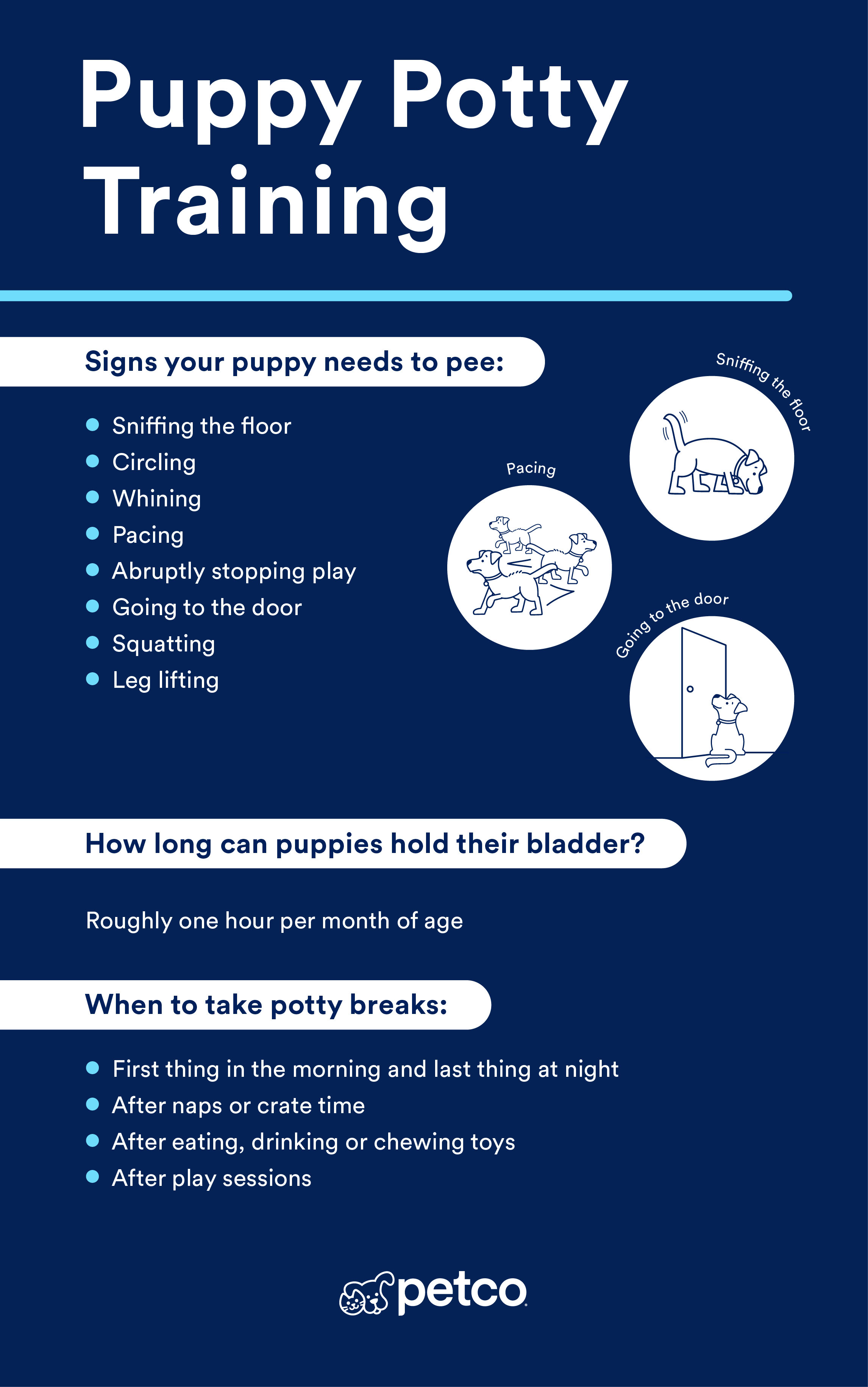
Credit: www.petco.com
Set A Bedtime Routine
Starting a bedtime routine helps your puppy feel safe and calm. It makes the first night less scary for your new pet.
A clear routine also helps your puppy learn when it is time to sleep. This way, both of you get better rest.
Establish A Consistent Schedule
Keep feeding, playing, and sleeping times the same every day. Puppies like to know what to expect next.
- Feed your puppy at the same times each day.
- Take your puppy outside to potty regularly before bedtime.
- Put your puppy to bed at the same hour every night.
Include Quiet Playtime
Before bed, spend time with calm activities. Quiet playtime helps your puppy relax and wind down.
| Quiet Playtime Ideas | Why It Helps |
|---|---|
| Gentle petting | Calms the puppy’s nerves |
| Soft chew toys | Keeps the puppy busy but relaxed |
| Low voice talking | Reassures and soothes |
Avoid Late Feeding
Do not feed your puppy just before bedtime. Eating late can cause discomfort and need for bathroom breaks.
- Feed at least two hours before bed.
- Give water up to one hour before sleep.
- Stick to the same feeding times daily.
Manage Puppy Anxiety
Puppies can feel scared and nervous on their first night. Managing their anxiety helps them feel safe and calm.
Using simple tools and gentle care makes the transition easier for your new puppy.
Use Calming Toys
Calming toys help puppies relax by giving them something to focus on. Soft toys and chew toys are good choices.
Some toys can hold your scent, which comforts the puppy and reduces stress.
- Choose soft, cuddly toys
- Select chew toys for teething relief
- Use toys that can carry your smell
Try Soothing Sounds
Sounds can calm puppies by creating a peaceful environment. White noise or gentle music works well.
Keep sounds at a low volume so they do not scare your puppy.
- Play soft classical music
- Use white noise machines
- Try natural sounds like rain or ocean waves
Provide Gentle Touch
Touch helps puppies feel safe and loved. Pet your puppy softly and hold them close if they want.
Watch your puppy’s body language to know when to stop or continue gentle touch.
- Stroke your puppy’s fur slowly
- Hold your puppy gently on your lap
- Speak in a calm, soothing voice
Limit Nighttime Disruptions
Your puppy’s first night at home is very important. Limiting disruptions helps your puppy feel safe and calm.
Keeping the night quiet and gentle helps your puppy adjust to the new place faster.
Keep The Environment Quiet
Noise can scare your puppy and make it hard to sleep. Keep the room calm and quiet during the night.
Turn off loud devices and avoid talking loudly near your puppy’s sleeping spot.
Minimize Light Exposure
Bright lights can confuse your puppy’s sleep cycle. Use soft or dim lighting instead of bright bulbs.
Try using a night light if you need some light to check on your puppy without waking it fully.
Plan Bathroom Breaks
Puppies need bathroom breaks at night. Plan these breaks quietly and calmly to avoid stress.
Use a leash and keep the area dim and calm to help your puppy go quickly and return to sleep.
Encourage Positive Behavior
Helping your puppy learn good habits starts on their first night. Positive behavior makes training easier and builds trust.
Use kind words and rewards to guide your puppy. This helps them feel safe and understand what you want.
Offer Praise And Rewards
Give your puppy gentle praise when they behave well. Use a happy tone to show you like their actions.
Small treats work well to reward good behavior. This teaches your puppy to repeat the actions you want.
- Say “Good job” or “Well done” softly
- Give a treat right after good behavior
- Pet or cuddle to show affection
Avoid Reinforcing Whining
Do not give attention when your puppy whines. This stops them from using whining to get what they want.
Wait for quiet moments before you respond. This teaches your puppy that calm behavior earns your attention.
- Ignore whining sounds calmly
- Respond only when puppy is quiet
- Use soft voice to praise silence
Stay Patient And Consistent
Training takes time. Be patient and keep your rules the same every night.
Consistency helps your puppy learn faster. Use the same words and actions each time.
- Use the same commands every time
- Keep a regular bedtime routine
- Be calm even if mistakes happen
Prepare For Emergencies
Having a new puppy means being ready for unexpected situations. Emergencies can happen anytime, so prepare to act quickly.
Knowing what to do and having supplies ready helps keep your puppy safe and calm during the first night.
Have Cleaning Supplies Ready
Accidents are common with puppies, especially on their first night. Keep cleaning supplies close to handle messes fast.
- Paper towels or soft cloths for quick cleanups
- Enzyme-based pet stain remover to remove odors
- Gloves to protect your hands
- Trash bags for disposing of waste
- Disinfectant safe for pets to clean floors
Know When To Contact A Vet
Some signs mean your puppy needs immediate care. Recognize these signs and call your vet without delay.
| Symptom | Action |
| Severe vomiting or diarrhea | Contact vet immediately |
| Difficulty breathing | Seek emergency help |
| Unconsciousness or severe lethargy | Call vet right away |
| Bleeding that won’t stop | Visit emergency clinic |
| Swelling or choking signs | Get urgent medical help |

Credit: www.sportsconcept.pt
Frequently Asked Questions
How Can I Prepare My Puppy For The First Night?
Prepare your puppy by creating a cozy, quiet sleeping area. Use a soft bed and familiar toys. Keep the environment calm to reduce anxiety and help your puppy feel safe.
What Should I Feed My Puppy On The First Night?
Feed your puppy a small, balanced meal a few hours before bedtime. Avoid overfeeding to prevent discomfort. Provide fresh water nearby for hydration during the night.
How Do I Comfort A Nervous Puppy At Night?
Comfort your nervous puppy by staying close initially. Use a soft voice and gentle petting. You can also use a warm blanket or a ticking clock to mimic heartbeats.
When Should I Expect My Puppy To Settle Down?
Most puppies settle within a few nights with consistent routine and comfort. Patience is key; each puppy adapts differently. Maintaining a calm environment speeds up the adjustment.
Conclusion
A puppy’s first night can be challenging yet rewarding. Patience is key. Create a cozy space with familiar smells. This helps your puppy feel secure. Keep a consistent bedtime routine for comfort. Soft voices and gentle touches are soothing. Remember, it’s a new world for them.
Midnight cries are normal. They miss their mom and siblings. Stay calm and supportive. Soon, your puppy will adjust. And you’ll both enjoy peaceful nights. With love and care, your bond will grow. These efforts lay the foundation for a happy puppy.
And a joyful home.

Emily Barker is the founder of ChillDogLife.com, a space dedicated to helping pup parents discover the best dog products, lifestyle tips, and cozy ideas for happier homes.
A lifelong dog lover, Emily combines her passion for pets with a knack for research to share trusted recommendations on everything from toys and furniture to health and everyday care.
Her goal is simple: to make life easier, stylish, and more joyful for dogs and the people who love them.




