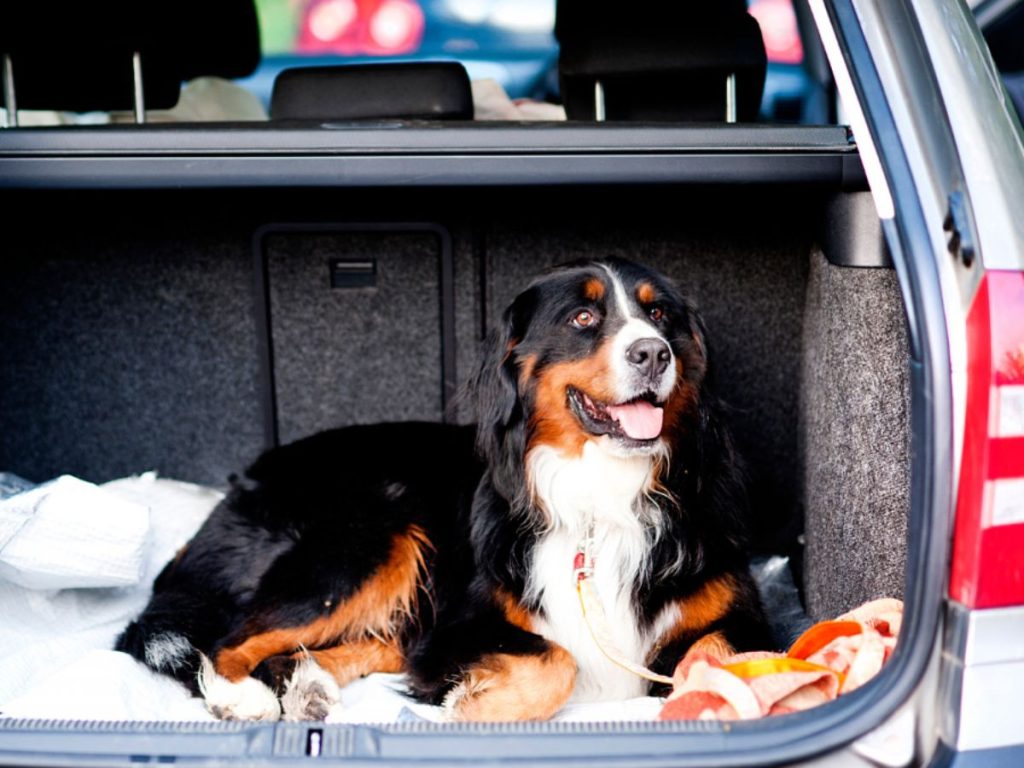
Traveling with your dog can be one of the most joyful experiences, but it also comes with important safety concerns. You want to make sure your furry friend is secure, comfortable, and calm throughout the trip.
If you’re wondering how to protect your dog while driving and avoid distractions, you’re in the right place. This guide will show you the safest way to travel with your dog in the car, so you both reach your destination happy and worry-free.
Keep reading to discover simple yet effective tips that can make every car ride safe and enjoyable for your best friend.

Credit: www.flywithmypet.com
Preparing Your Dog For Car Travel
Traveling with your dog in the car can be safe and comfortable. Proper preparation helps your dog stay calm and secure during the trip.
Getting ready before the trip reduces stress for both you and your dog. Here are some tips to prepare your dog for car travel.
Choosing The Right Carrier Or Harness
Use a carrier or harness that fits your dog well. It keeps your dog safe in the car and prevents distractions while driving.
Check that the carrier is strong and well-ventilated. A harness should attach securely to the car seatbelt or seat anchor.
- Choose a carrier big enough for your dog to stand and turn around
- Look for padded harnesses with adjustable straps
- Test the harness or carrier before the trip for comfort
- Secure the carrier or harness to avoid movement during the drive
Familiarizing Your Dog With The Car
Help your dog get used to the car before traveling. This lowers anxiety and helps your dog feel safe.
Start with short trips and use treats to create a positive experience. Let your dog explore the car while it is parked.
- Let your dog sit in the car with the engine off
- Take short drives around the block first
- Give praise and treats for calm behavior
- Bring your dog’s favorite toy or blanket
Health Checks Before Travel
Make sure your dog is healthy before any car trip. A visit to the vet can prevent problems during travel.
Check your dog’s hydration, comfort, and motion sickness signs. Carry water and any needed medications for the trip.
- Confirm vaccinations and health status with your vet
- Watch for signs of anxiety or illness
- Give a light meal a few hours before traveling
- Pack water, a bowl, and any medicines
Essential Safety Gear For Dogs
Traveling with your dog in the car needs extra care. Using the right safety gear keeps your dog safe and comfortable.
Below are key items that help protect your dog on the road. Each item has a special role in safety and comfort.
Car Seat Covers And Mats
Car seat covers and mats protect your car seats from dirt, hair, and scratches. They also provide a non-slip surface for your dog to sit or lie on.
- Waterproof materials keep seats dry during rainy days.
- Non-slip backing stops the cover from sliding around.
- Easy to remove and clean covers save time.
- Extra padding adds comfort for long trips.
Restraints And Seat Belts
Restraints and seat belts keep your dog secure during sudden stops or crashes. They also help prevent distractions to the driver.
| Type | Description | Best Use |
|---|---|---|
| Dog Seat Belt Harness | Attaches to car’s seat belt system for safety. | Small to medium dogs. |
| Crate or Carrier | Enclosed space that protects dog from impact. | All sizes, especially nervous travelers. |
| Booster Seat | Elevates small dogs for window view and safety. | Small dogs under 20 pounds. |
Cooling And Ventilation Accessories
Keeping your dog cool and well-ventilated helps avoid heat stress. Good airflow makes the trip more pleasant.
- Portable fans that clip to car vents or seats.
- Cooling mats that absorb heat from your dog’s body.
- Window screens to allow fresh air without escape risk.
- Water bowls designed not to spill during travel.
Planning The Journey
Traveling with your dog can be a joyful experience. Planning is key to ensuring a safe trip for your furry friend. Follow these guidelines to make your journey smooth and enjoyable.
Consider your dog’s needs during the trip. This includes breaks, packing essentials, and keeping them calm. Preparation helps in avoiding unnecessary stress for both you and your dog.
Scheduling Breaks For Exercise And Relief
Regular breaks are essential for your dog's comfort during a long car journey. They need time to stretch and relieve themselves.
- Plan stops every two to three hours.
- Choose pet-friendly rest areas.
- Allow your dog to walk around and explore safely.
Packing Essentials For Your Dog
Packing the right items ensures your dog has everything they need. This keeps them happy and healthy on the road.
- Leash and harness
- Food and water bowls
- Favorite toys and blanket
- First-aid kit
- Dog waste bags
Keeping Your Dog Calm And Comfortable
Keeping your dog calm is crucial for their safety and comfort. Anxiety can be reduced with a few simple steps.
Consider using a pet seat belt or a travel crate for safety. Play calming music to soothe your dog. Keep the car temperature comfortable and ensure proper ventilation.

Credit: petsfit.com
During The Trip
Traveling by car with your dog can be safe and comfortable. It is important to keep your dog secure and calm during the trip.
Focus on proper positioning, avoiding distractions, and managing the car’s temperature and air quality.
Proper Dog Positioning In The Car
Place your dog in a safe spot in the car. Use a dog seat belt, crate, or a pet barrier to keep your dog secure.
Keep your dog away from the front seat airbags. The back seat is the safest place for your pet.
- Use a harness seat belt or secured crate
- Keep your dog in the back seat
- Do not let your dog sit on your lap
- Make sure your dog cannot jump out of open windows
Avoiding Distractions While Driving
Keep your focus on the road. Avoid letting your dog roam freely in the car while driving.
Train your dog to stay calm and quiet during the trip. This helps you drive safely without interruptions.
- Secure your dog to prevent sudden movements
- Bring chew toys or treats to keep your dog busy
- Do not feed your dog while driving
- Stop regularly for bathroom breaks
Managing Temperature And Air Quality
Keep the car temperature comfortable for your dog. Avoid extreme heat or cold inside the vehicle.
Ensure good air circulation. Open windows slightly or use the air conditioner to keep fresh air flowing.
- Never leave your dog alone in a parked car
- Use window shades to block direct sunlight
- Monitor your dog for signs of overheating or cold
- Take breaks to let your dog drink water
Handling Emergencies On The Road
Traveling with your dog in the car can be fun but may also bring unexpected problems. Knowing how to handle emergencies keeps your dog safe and calm.
Be ready to act quickly if your dog shows signs of trouble. Learn what to watch for, basic first aid, and how to find help fast.
Recognizing Signs Of Stress Or Illness
Dogs may show stress or illness in many ways. Knowing these signs helps you spot problems early and get help.
- Heavy panting or drooling
- Whining or barking more than usual
- Shaking or trembling
- Vomiting or diarrhea
- Excessive licking or scratching
- Unusual tiredness or weakness
- Restlessness or pacing
- Loss of appetite
- Bloated or swollen belly
First Aid Tips For Dogs
Knowing basic first aid can save your dog’s life before you get to a vet. Keep a first aid kit in your car.
| Situation | What to Do |
|---|---|
| Minor Cuts | Clean with water, apply antiseptic, and cover with a bandage |
| Heat Stroke | Move to shade, give small amounts of water, cool with wet towels |
| Choking | Check mouth, remove object if safe, perform gentle abdominal thrusts |
| Poisoning | Call vet immediately, do not induce vomiting unless told |
| Fractures | Keep dog still, support injured area, get to vet quickly |
Finding Veterinary Help Quickly
Have a plan to find a vet fast if your dog needs help on the road. Use apps or call local clinics.
Tips to find vet care quickly:
- Save vet phone numbers in your phone
- Use map apps to locate nearest animal hospitals
- Ask locals if you are unsure where to go
- Keep emergency numbers written down in your car
Post-trip Care
After traveling with your dog in the car, it is important to give them proper care. This helps your dog recover from the trip and stay healthy.
Post-trip care includes checking for injuries, offering water, and rewarding your dog. Each step supports your dog’s well-being after travel.
Checking For Injuries Or Discomfort
Look closely at your dog’s body for any signs of injury. Check paws, ears, and skin for cuts or swelling. Watch your dog’s behavior for discomfort or limping.
- Feel for warm or swollen areas
- Look for limping or stiffness
- Notice if your dog avoids touch or hides
- Check for any bleeding or bruises
Rehydration And Rest
Give your dog fresh water as soon as you stop. Traveling can make dogs thirsty and tired. Rest helps them recover from stress and fatigue.
| Care Action | Reason |
| Offer fresh water | Prevents dehydration |
| Provide a quiet resting area | Reduces stress and fatigue |
| Limit activity for a few hours | Helps muscles relax |
Rewarding Your Dog After Travel
Give your dog a small treat or extra petting to show good behavior. This helps your dog feel safe and happy after the trip.
Ways to reward your dog:
- Offer a favorite treat
- Give gentle praise and petting
- Spend extra playtime together

Credit: petfriendlybox.com
Frequently Asked Questions
How Do I Keep My Dog Safe In The Car?
Use a well-fitted dog seat belt or a secured crate. Avoid letting your dog roam freely. This prevents distractions and injury during sudden stops or accidents.
What Is The Best Car Restraint For Dogs?
A crash-tested harness or a sturdy crate is best. They provide protection and comfort. Choose based on your dog’s size and travel habits.
Can I Let My Dog Ride With The Window Down?
Partially open windows for ventilation but not fully down. This prevents your dog from jumping or getting hurt by debris. Always ensure safety first.
How Often Should I Stop For Breaks During Dog Car Trips?
Stop every 2 to 3 hours for bathroom and exercise. This keeps your dog comfortable and reduces anxiety. Use leash and secure areas for breaks.
Conclusion
Traveling with your dog in the car can be safe and stress-free. Use a proper dog seat belt or crate to keep your pet secure. Take regular breaks to let your dog stretch and drink water. Always keep windows partially closed to avoid accidents.
Prepare your dog for the trip by practicing short drives first. Safety helps both you and your dog enjoy the journey. A little planning makes every trip better and safer. Your dog will thank you for a calm and happy ride.

Emily Barker is the founder of ChillDogLife.com, a space dedicated to helping pup parents discover the best dog products, lifestyle tips, and cozy ideas for happier homes.
A lifelong dog lover, Emily combines her passion for pets with a knack for research to share trusted recommendations on everything from toys and furniture to health and everyday care.
Her goal is simple: to make life easier, stylish, and more joyful for dogs and the people who love them.




