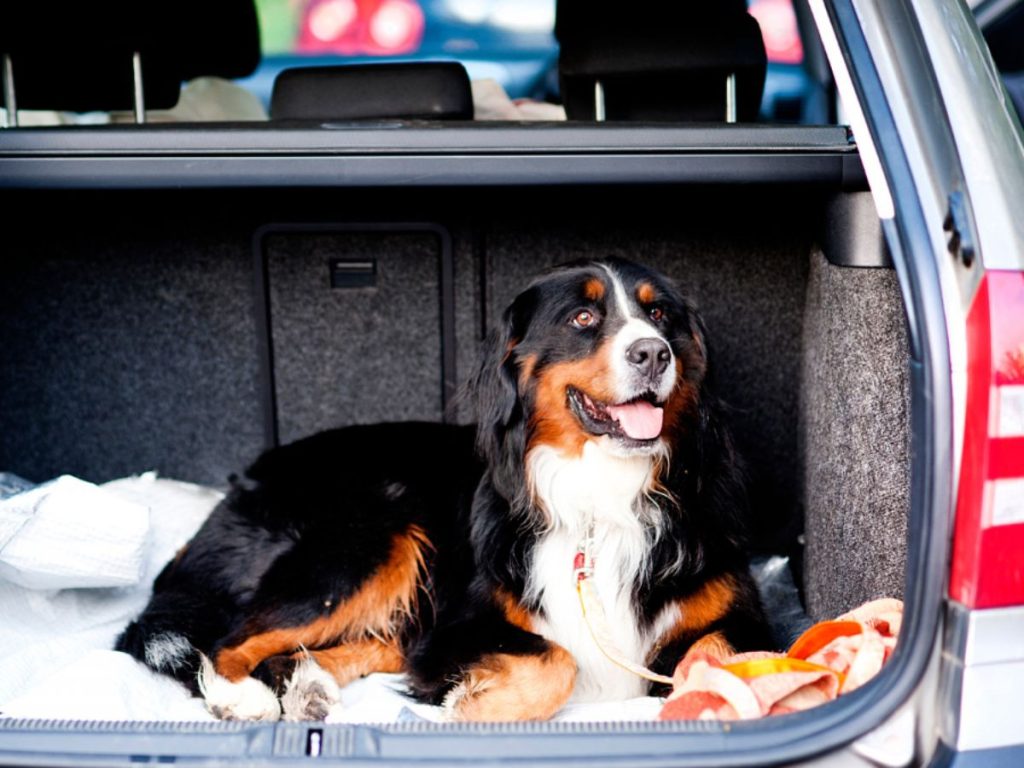
Traveling with your dog can be one of the most rewarding experiences, but it also comes with its own set of challenges. You want your furry friend to be safe, comfortable, and happy throughout the trip.
Whether it’s a short drive or a long vacation, knowing how to prepare and what to expect makes all the difference. In this guide, you’ll discover simple tips and smart strategies to make traveling with your dog easier and more enjoyable for both of you.
Keep reading to unlock the secrets to stress-free adventures with your best companion!
Preparing Your Dog For Travel
Traveling with your dog can be fun and safe with the right preparation. It is important to plan ahead to keep your dog comfortable and healthy.
Start by checking your dog’s health and behavior. Pack the essentials to make the trip smooth for both of you.
Health Check And Vaccinations
Visit the vet before your trip to ensure your dog is healthy. Make sure all vaccinations are current to protect your dog and others.
- Get a full health check-up from your vet
- Update vaccines like rabies and distemper
- Ask for a health certificate if needed for travel
- Discuss flea, tick, and heartworm prevention
Training For Travel Behavior
Train your dog to behave well during travel. This helps reduce stress for your pet and others around.
- Practice short trips in the car to get your dog used to travel
- Teach your dog to stay calm in a crate or carrier
- Use commands like “sit” and “stay” during the trip
- Reward your dog with treats for good behavior
Packing Essentials For Your Dog
| Item | Purpose |
|---|---|
| Leash and Collar | Keep your dog secure and controlled |
| Food and Water Bowls | Feed and hydrate your dog during the trip |
| Dog Food and Treats | Maintain regular feeding and reward good behavior |
| Comfort Items | Blanket or favorite toy to reduce anxiety |
| Waste Bags | Clean up after your dog during stops |
| First Aid Kit | Handle minor injuries or emergencies |
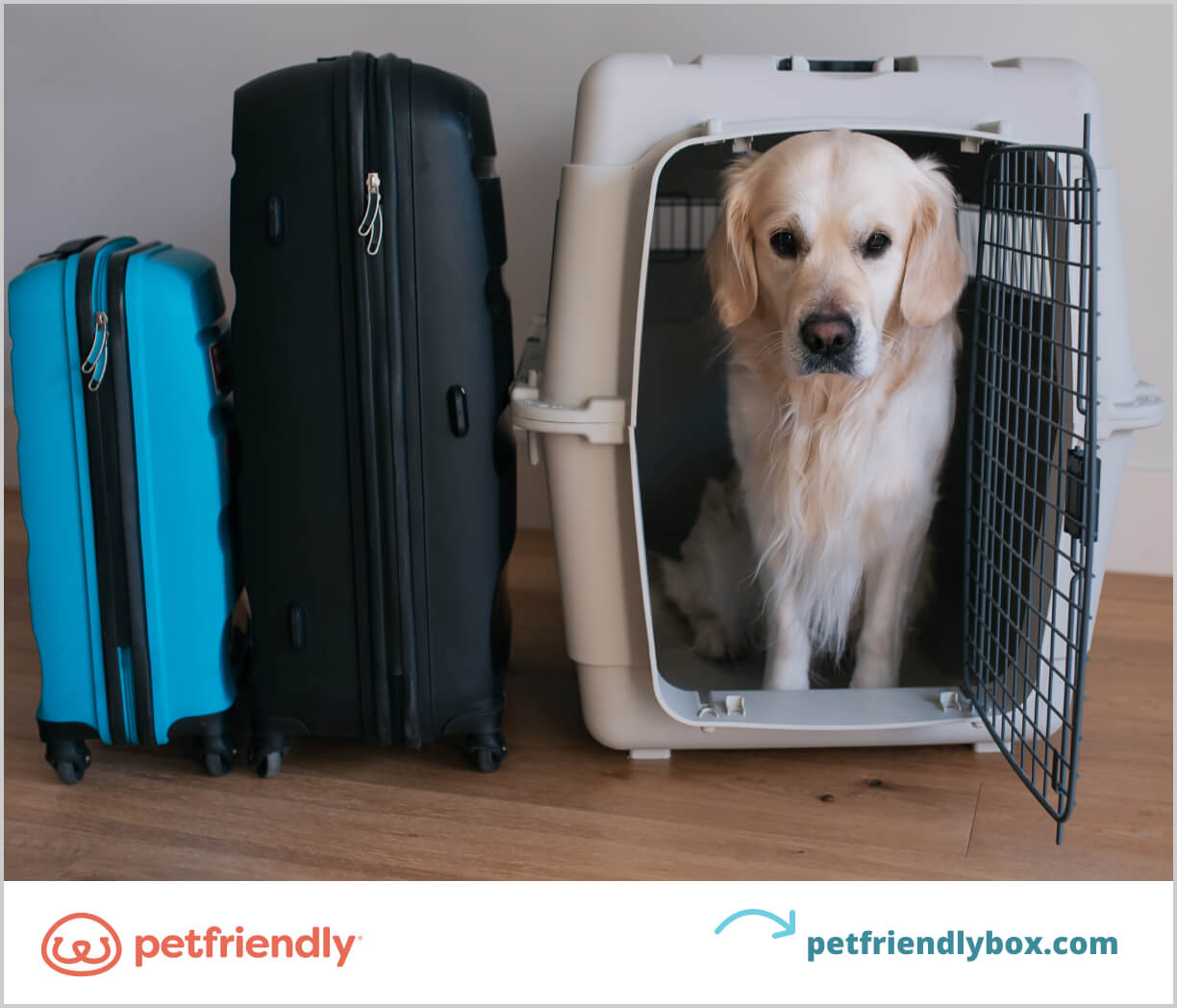
Credit: petfriendlybox.com
Choosing The Right Travel Method
Traveling with a dog needs planning. Choose a method that keeps your dog safe and calm.
Think about your dog’s size, age, and health. Also, consider the distance and time of travel.
Car Travel Tips
Cars offer flexible travel with your dog. It lets you stop often for breaks and walks.
Always use a dog seat belt or carrier. This keeps your dog safe during sudden stops.
- Bring water and a bowl for your dog
- Take regular breaks for bathroom and exercise
- Keep the car cool and ventilated
- Never leave your dog alone in a parked car
Flying With Your Dog
Flying can be stressful for dogs. Check airline rules before booking your ticket.
Small dogs often fly in the cabin. Larger dogs usually fly in the cargo hold with special care.
- Use an airline-approved travel crate
- Label the crate with your contact information
- Visit the vet for a health certificate
- Feed your dog a few hours before the flight
- Arrive early to handle check-in smoothly
Train And Bus Considerations
Trains and buses may allow dogs, but rules differ by company. Check before you travel.
Keep your dog on a leash or in a carrier. Respect other passengers and keep your dog calm.
- Bring waste bags and clean up after your dog
- Choose less busy travel times if possible
- Keep your dog hydrated and comfortable
- Follow all transport company guidelines
Keeping Your Dog Comfortable
Traveling with your dog can be fun and safe if you prepare well. Comfort is important to keep your dog happy during trips.
Pay attention to your dog’s needs for a smooth journey. This helps reduce stress and keeps them relaxed.
Creating A Safe Space
Give your dog a cozy place to rest while traveling. Use a crate or a pet seat belt to keep them secure.
Bring their favorite blanket or toy to make the space familiar. This helps your dog feel calm and safe.
- Use a well-ventilated crate or carrier
- Secure the crate or seat belt in the vehicle
- Include familiar items like toys or blankets
Managing Anxiety And Stress
Some dogs get nervous during travel. Watch for signs like panting, whining, or shaking.
Keep your voice calm and soothing. Take breaks for your dog to stretch and relieve stress.
- Talk softly to your dog
- Stop for short walks every two hours
- Bring treats to reward calm behavior
Maintaining Hydration And Nutrition
Keep fresh water available for your dog at all times. Offer water often, especially on hot days.
Feed your dog smaller meals before and during travel. Avoid heavy meals that may upset their stomach.
- Carry a portable water bowl
- Offer water every hour or after breaks
- Feed light meals before travel and snacks during breaks

Credit: petfriendlybox.com
Planning Your Route And Stops
Traveling with a dog needs extra planning. You must think about your route and stops carefully.
Good stops give your dog time to relax and stay healthy. Plan your trip to keep your dog happy.
Dog-friendly Rest Stops
Look for rest stops that welcome dogs. These places often have grassy areas and water sources.
- Check online maps for dog-friendly rest areas.
- Choose stops with shade and benches for you and your dog.
- Bring water and a bowl to keep your dog hydrated.
- Always clean up after your dog to keep places nice.
Exercise Breaks And Potty Time
Dogs need exercise and potty breaks often on long trips. Plan these stops every two to three hours.
| Activity | Purpose | Tips |
| Short Walk | Exercise and stretch | Use a leash, explore safely |
| Potty Break | Relieve bladder and bowels | Bring waste bags, pick clean spots |
| Play Time | Burn energy, reduce stress | Bring favorite toys, keep sessions brief |
Overnight Accommodations
Find places to stay that accept dogs. Booking ahead helps avoid last-minute problems.
- Search for pet-friendly hotels or motels.
- Ask about pet policies and extra fees.
- Check if the place has a yard or nearby walking areas.
- Bring your dog’s bed and favorite items to make them feel at home.
Legal And Safety Precautions
Traveling with a dog requires careful planning. You must follow rules to keep your pet safe and legal.
Knowing the right precautions helps avoid problems during your trip.
Identification And Microchipping
Your dog should always wear a collar with ID tags. The tags need your contact details and your dog’s name.
Microchipping is a safe way to identify your pet if they get lost. It is a small chip placed under the skin.
- Make sure ID tags are clear and up-to-date
- Get your dog microchipped by a vet
- Register your contact info in the microchip database
- Check the microchip works before traveling
Travel Documentation
Some places require special papers for your dog. These include vaccination records and health certificates.
Check the rules for each location you visit. Some countries or states have strict pet entry laws.
- Carry your dog’s vaccination records
- Get a health certificate from a vet before travel
- Check if a pet passport is needed
- Follow quarantine rules if required
Emergency Preparedness
Be ready for emergencies when traveling with your dog. Keep a first aid kit and important phone numbers handy.
Know where nearby vets and animal hospitals are located at your destination.
- Pack a pet first aid kit with basics
- Save emergency vet contacts on your phone
- Bring enough food and water for your dog
- Keep your dog’s medications with you

Credit: petfriendlybox.com
Tips For International Travel
Traveling with your dog can be fun and rewarding. It takes planning, especially for international trips.
Here are some useful tips to make sure your dog's travel is safe and smooth.
Customs Regulations
Customs regulations vary between countries. Check the rules for your destination to avoid surprises.
- Research entry requirements for pets.
- Have your dog’s health records ready.
- Ensure vaccinations are up to date.
Quarantine Rules
Quarantine rules exist to protect local animals. Some countries require pets to stay in quarantine upon arrival.
| Country | Quarantine Period |
| Australia | 10 days |
| New Zealand | 10 days |
| Japan | Up to 180 days |
Travel Insurance For Pets
Travel insurance can cover unexpected events. Consider getting a policy for your dog.
Check what the insurance covers, like:
- Vet visits during travel
- Emergency medical care
- Lost pet recovery
Frequently Asked Questions
How To Prepare My Dog For Travel?
Start with a vet check-up to ensure health. Pack essentials like food, water, and a leash. Use a comfortable carrier or harness. Gradually acclimate your dog to travel conditions. Plan regular breaks for exercise and bathroom needs.
What Are The Best Travel Options For Dogs?
Car travel is often easiest and safest. Trains may allow dogs but check policies first. Air travel requires a pet carrier and airline approval. Avoid stressful or long journeys when possible. Always prioritize your dog’s comfort and safety.
How To Keep My Dog Calm During Travel?
Provide familiar toys and blankets for comfort. Use calming sprays or treats if recommended by a vet. Maintain a calm demeanor to reassure your dog. Avoid feeding large meals right before travel. Regular breaks help reduce anxiety and stress.
What Documents Are Needed To Travel With A Dog?
Carry your dog’s vaccination records and health certificate. Check local and airline regulations for specific requirements. Microchip information is often required for identification. Have your dog’s ID tags with current contact details. Prepare any permits needed for cross-border travel.
Conclusion
Traveling with a dog can be fun and stress-free. Plan ahead and pack all essentials. Keep your dog safe and comfortable during the trip. Take breaks for walks and water. Respect rules at your destination for pets. Enjoy the journey and create happy memories.
Your dog will love exploring new places with you. Simple steps make travel easier for both of you. Safe travels and happy adventures with your furry friend!

Emily Barker is the founder of ChillDogLife.com, a space dedicated to helping pup parents discover the best dog products, lifestyle tips, and cozy ideas for happier homes.
A lifelong dog lover, Emily combines her passion for pets with a knack for research to share trusted recommendations on everything from toys and furniture to health and everyday care.
Her goal is simple: to make life easier, stylish, and more joyful for dogs and the people who love them.




