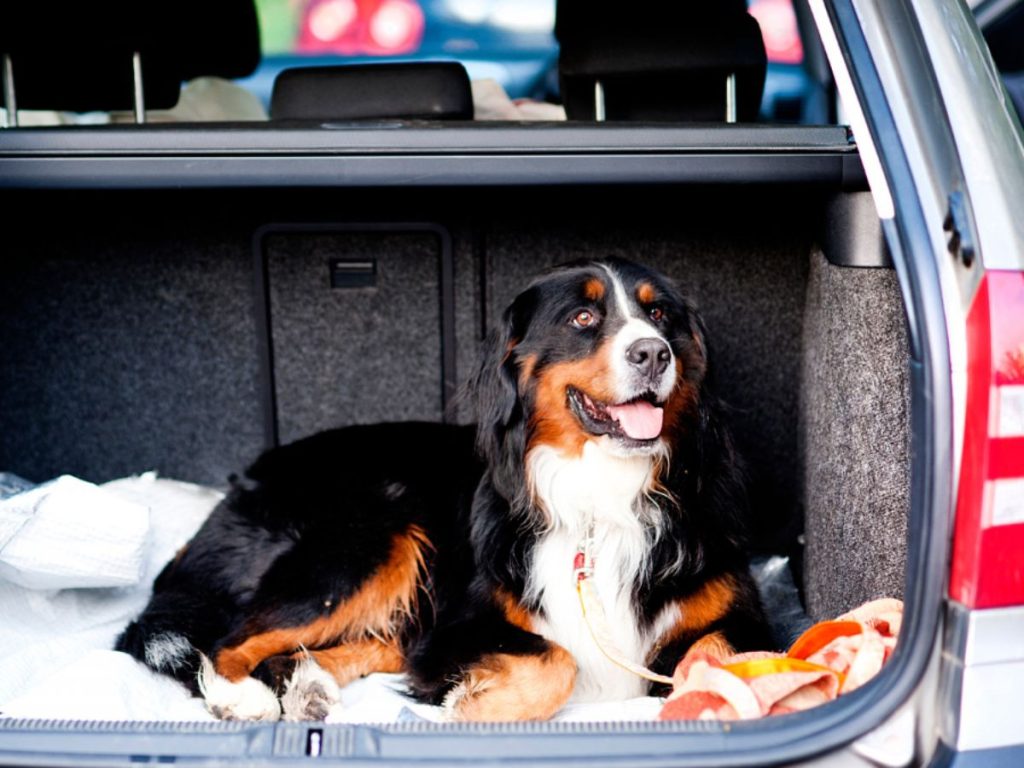
Traveling with your dog in the car can be exciting, but it also comes with challenges. You want your furry friend to be safe, comfortable, and happy throughout the trip.
If you’re not sure how to prepare or what to expect, this guide is for you. You’ll discover simple tips to keep your dog calm, secure, and ready for any adventure on the road. Keep reading, and you’ll learn everything you need to make your car trip smooth and stress-free—for both you and your dog.

Credit: petfriendlybox.com
Preparing Your Dog For Car Travel
Traveling with your dog by car can be fun and safe. Proper preparation helps your dog feel calm and happy during the trip.
Getting ready means choosing the right gear, helping your dog get used to the car, and packing what your dog needs.
Choosing The Right Carrier Or Restraint
Pick a carrier or restraint that keeps your dog safe. It should fit your dog well and be secure inside the car.
Options include hard or soft carriers, seat belts made for dogs, and pet barriers. The right choice stops your dog from moving too much.
- Choose a carrier that is big enough for your dog to stand and turn around.
- Use a dog seat belt or harness that attaches to the car’s seatbelt.
- Consider a pet barrier if your dog rides in the back area of a vehicle.
- Make sure all equipment is crash-tested and meets safety standards.
Familiarizing Your Dog With The Car
Help your dog get used to the car before long trips. Let your dog explore the car while it is parked and turned off.
Take short drives to build comfort. Praise your dog and give treats to make the experience positive.
- Start with sitting in the car together for a few minutes.
- Drive around the block for short periods.
- Bring your dog’s favorite toy or blanket.
- Keep the car quiet and cool during trips.
Packing Essentials For Your Dog
Bring all the important items your dog needs for the trip. Pack food, water, and comfort items.
Don’t forget things for safety and hygiene. Being prepared helps your trip go smoothly.
- Food and water bowls
- Enough dog food for the trip
- Leash and collar with ID tags
- Waste bags for cleaning up
- Comfort items like a blanket or favorite toy
- First aid kit for pets
- Any medicines your dog needs
- Towels for spills or wet weather
Ensuring Safety During The Trip
Traveling with your dog in the car can be fun and safe. You must plan to keep your dog secure and comfortable.
Safety should be your top priority to avoid accidents and stress for your pet during the drive.
Properly Securing Your Dog
Always secure your dog to keep them safe and stop distractions. Use a pet seat belt, carrier, or crate that fits well.
Make sure the restraint is attached to the car’s seat belt system. This helps protect your dog in sudden stops.
- Choose a harness or crate that fits your dog’s size
- Attach the harness to the car’s seat belt
- Never let your dog ride in the front seat
- Keep windows partially closed to prevent escapes
Keeping The Car Comfortable
Keep the car cool and quiet so your dog stays calm. Use air conditioning or open windows slightly for fresh air.
Bring your dog’s favorite blanket or toy to make the space familiar. Stop often to let your dog stretch and relieve itself.
- Maintain a comfortable temperature inside the car
- Use window shades to block direct sunlight
- Bring water and offer it during breaks
- Play soft music to reduce stress
Managing Motion Sickness
Some dogs feel sick during car rides. Watch for drooling, vomiting, or restlessness as signs of motion sickness.
Feed your dog a light meal before the trip. Avoid heavy food right before traveling to reduce nausea.
- Give small meals a few hours before travel
- Keep the car well-ventilated
- Consult your vet about medicine for motion sickness
- Take frequent breaks to help your dog relax
Planning Your Route And Stops
Traveling with your dog requires careful planning. Mapping out your route helps keep your dog safe and comfortable.
Stopping at the right places allows your dog to rest and stay healthy during the trip.
Scheduling Regular Breaks
Plan to stop every two to three hours. Dogs need breaks to stretch and relieve themselves.
Regular breaks reduce stress for your dog and prevent accidents inside the car.
Finding Dog-friendly Rest Areas
Look for rest stops with dog-friendly features. Some places have special dog parks or walking paths.
These areas provide a safe space for your dog to explore and burn off energy.
- Search online for dog-friendly rest stops along your route
- Check if the area has shade and water access
- Avoid busy or noisy spots that might scare your dog
Hydration And Exercise On The Road
Keep fresh water available for your dog at all times. Offer water during every break to prevent dehydration.
Allow your dog to walk and play a little. Exercise helps keep them calm and comfortable during the ride.
- Bring a portable water bowl and bottled water
- Let your dog stretch on a leash in safe areas
- Use short walks to burn off energy during stops
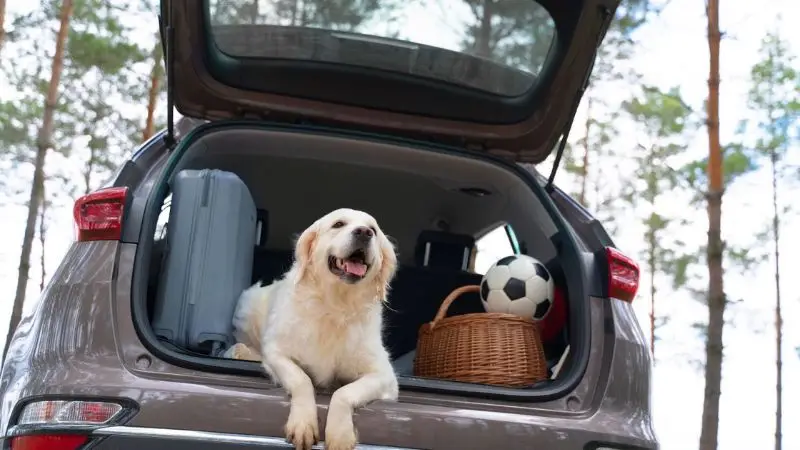
Credit: www.vevor.com
Legal And Health Considerations
Traveling with your dog in a car needs careful planning. You must follow legal rules and keep your pet healthy.
Knowing the laws and health tips can make your trip safe for both you and your dog.
Checking Travel Regulations
Each place has its own rules for traveling with pets in cars. You should learn these rules before you go.
Some areas require dogs to be in carriers or restrained by a seat belt harness for safety.
- Check state and local laws about pet travel
- Know if your destination needs special permits
- Understand rules for crossing borders with pets
- Follow rules about pet restraint in vehicles
Carrying Health Records And Id Tags
Keep your dog’s health records handy. These documents prove your dog’s vaccinations and health status.
ID tags on your dog’s collar help others identify your pet if it gets lost during travel.
- Bring vaccination records, especially rabies shots
- Carry a recent health certificate from your vet
- Make sure your dog wears a collar with ID tags
- Include your contact information on the ID tags
Preparing For Emergencies
Travel can bring unexpected problems. Be ready for emergencies by packing a dog first aid kit.
Know the locations of nearby veterinary clinics along your route for quick help if needed.
- Pack basic first aid supplies for your dog
- Keep your vet’s contact info on hand
- Find emergency vets near your travel path
- Have a plan for quick stops if your dog feels unwell
Tips For Different Dog Personalities
Traveling with your dog can be fun but needs some planning. Dogs have different personalities. Some get anxious, some have lots of energy, and others need special care. Knowing your dog’s type helps make the trip safe and happy.
Here are tips to help your dog feel comfortable on car trips. These ideas fit anxious dogs, energetic dogs, and senior or special needs dogs.
Traveling With Anxious Dogs
Anxious dogs may get nervous or scared in cars. Keep them calm with quiet voices and familiar items. Give them breaks to stretch during long trips.
- Use a comfy crate or seatbelt harness
- Bring their favorite blanket or toy
- Play soft music to soothe them
- Stop often for bathroom breaks
- Offer water and small treats
Handling Energetic Dogs
Energetic dogs need ways to burn energy before and during the trip. Plan stops for exercise and play. Keep toys in the car to keep them busy and happy.
- Take a long walk before leaving
- Bring chew toys and puzzle toys
- Schedule frequent stops to run and play
- Use a secured crate or harness for safety
- Keep water available to prevent dehydration
Accommodating Senior Or Special Needs Dogs
Older dogs or dogs with special needs need extra care while traveling. Move slowly and watch for signs of discomfort. Help them get in and out of the car safely.
| Need | Tip |
| Arthritis or joint pain | Use ramps or steps to enter the car |
| Vision or hearing loss | Keep the environment calm and familiar |
| Medication | Keep doses on schedule and bring extras |
| Fatigue | Plan shorter travel times and rest often |
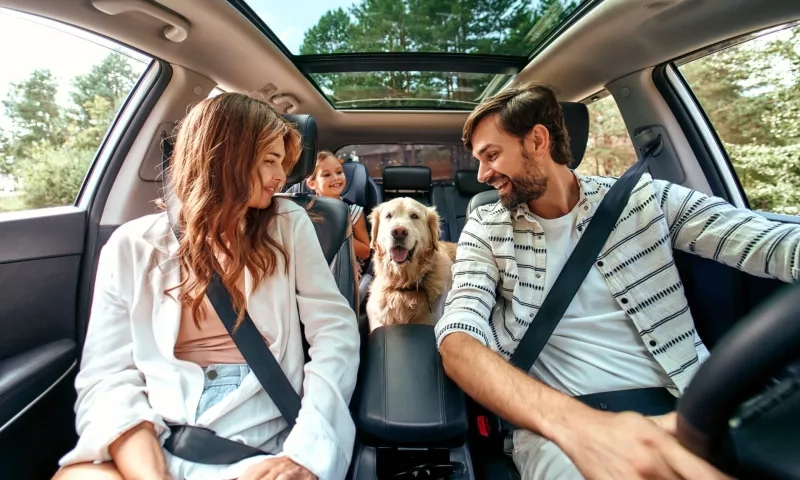
Credit: caaneo.ca
Frequently Asked Questions
How Do I Keep My Dog Safe In The Car?
Use a secure dog seatbelt or crate to keep your dog safe. Avoid letting your dog roam freely inside the vehicle. Keep windows partially open for ventilation but prevent your dog from sticking its head out.
What Essentials Should I Pack For Dog Car Travel?
Bring water, a travel bowl, leash, waste bags, and your dog’s favorite toys. Pack a small first aid kit and any medications your dog needs. Bring a blanket or bed for comfort during the trip.
How Often Should I Stop For Dog Breaks?
Stop every 2-3 hours to let your dog stretch and relieve itself. Use breaks for short walks and hydration. Avoid leaving your dog alone in the car during breaks, especially in hot weather.
Can I Feed My Dog Before A Car Trip?
Feed your dog a light meal 2-3 hours before traveling to prevent motion sickness. Avoid heavy meals right before the trip. Bring treats for rewards and to keep your dog calm during the drive.
Conclusion
Traveling with your dog in the car can be fun and safe. Plan breaks to let your dog stretch and drink water. Use a seatbelt or crate to keep your dog secure. Bring familiar toys or blankets to comfort your pet.
Watch your dog closely for signs of stress or discomfort. A calm dog makes the trip better for everyone. Enjoy the journey and make good memories together. Safe travels with your furry friend!

Emily Barker is the founder of ChillDogLife.com, a space dedicated to helping pup parents discover the best dog products, lifestyle tips, and cozy ideas for happier homes.
A lifelong dog lover, Emily combines her passion for pets with a knack for research to share trusted recommendations on everything from toys and furniture to health and everyday care.
Her goal is simple: to make life easier, stylish, and more joyful for dogs and the people who love them.




