Traveling with a large dog on a plane can feel overwhelming. You want to keep your furry friend safe and comfortable, but the rules and preparations can be confusing.
What if your dog gets stressed? How do you make sure everything goes smoothly from check-in to landing? This guide will walk you through simple, practical steps to help you and your big dog fly with confidence. Keep reading to discover the insider tips that make traveling easier for both of you.
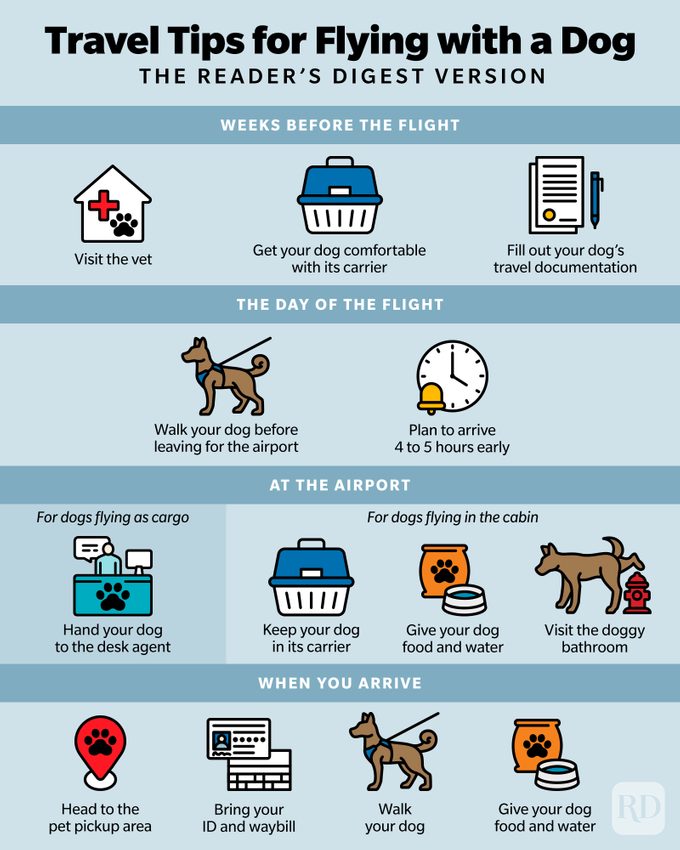
Credit: www.rd.com
Choosing The Right Airline
Traveling with a large dog on a plane needs planning. The airline you pick affects your trip and your pet’s comfort.
Each airline has different rules for pets. Knowing these helps avoid problems during your journey.
Airline Pet Policies
Airlines have specific rules about pets on board. Some allow pets in the cabin if they are small.
Large dogs usually must travel in the cargo hold. Check the airline’s pet policy before booking your ticket.
- Weight and size limits for pets
- Approved pet carriers and crates
- Health and vaccination requirements
- Rules about service or emotional support animals
Fees And Charges
Most airlines charge fees for pets traveling in cargo or cabin. Fees vary by airline and pet size.
Large dogs usually pay a higher fee because they fly as cargo. Know the costs before booking to avoid surprises.
- Check if fees cover both ways or one-way only
- Ask if fees change by season or route
- Understand refund policies for pet fees
Booking Tips For Large Dogs
Book early to ensure space for your large dog. Airlines limit the number of pets per flight.
Inform the airline you travel with a large dog. Confirm pet requirements and paperwork before your flight.
- Reserve a spot for your dog as soon as possible
- Provide all health certificates required
- Use an airline-approved crate for safety
- Double-check check-in and boarding procedures

Credit: www.reddit.com
Preparing Your Dog For Travel
Traveling with a large dog on a plane needs good preparation. You must plan ahead to keep your dog calm and safe.
Start preparing your dog weeks before the trip. This helps your dog get used to the new experience.
Health Check And Vaccinations
Visit your vet for a full health check before travel. Make sure your dog is healthy and fit to fly.
Keep your dog’s vaccinations up to date. Some airlines require proof of certain vaccines for travel.
- Get a health certificate from your vet
- Check required vaccinations for your destination
- Ask about flea, tick, and heartworm prevention
- Discuss any travel anxiety or motion sickness
Training For Crate Comfort
Help your dog feel safe in its crate. Practice using the crate well before the flight.
Make the crate a cozy space. Use soft bedding and favorite toys inside the crate.
- Introduce the crate slowly at home
- Feed your dog inside the crate to build comfort
- Practice closing the door for short times
- Increase crate time daily before travel
Exercise And Feeding Schedule
Give your dog plenty of exercise before the flight. This helps reduce stress and restlessness.
Plan your dog’s feeding times carefully. Avoid feeding right before the flight to prevent upset stomach.
- Exercise your dog with a long walk or play session
- Feed your dog at least four hours before travel
- Offer water but avoid too much before flying
- Keep the feeding schedule close to your dog’s normal routine
Selecting The Best Travel Crate
Traveling with a large dog on a plane needs careful planning. The right crate keeps your pet safe and comfortable.
Choosing a good travel crate helps reduce stress for you and your dog during the flight.
Size And Comfort Requirements
Your dog needs enough space to stand, turn, and lie down inside the crate. A cramped crate can cause discomfort.
Look for crates with soft padding or add a comfortable mat. Good ventilation is important for fresh air.
- Measure your dog’s height, length, and width before choosing a crate
- Allow extra space for movement inside the crate
- Choose a crate with proper ventilation holes or mesh windows
- Add a washable, non-slip pad for comfort
Airline-approved Crates
Each airline has rules for crate size, type, and construction. Follow these rules to avoid problems at check-in.
Check the airline’s website or contact them to find approved crate guidelines before buying.
- Look for crates marked as airline-approved
- Confirm the crate fits under the seat or in the cargo hold
- Use crates with secure latches and strong materials
- Make sure the crate has a leak-proof bottom
Safety Features To Look For
Your dog’s safety is the top priority. The crate should protect your pet from injury and keep them secure.
Look for strong locks, stable construction, and safe materials to keep your dog safe during the flight.
- Heavy-duty door latches that do not open easily
- Durable, chew-resistant materials
- No sharp edges inside the crate
- Proper ventilation without gaps your dog can get stuck in
- Labels for “Live Animal” and your contact info
Booking And Documentation
Traveling with a large dog on a plane requires careful planning. Understanding booking and documentation is key. This ensures a smooth journey for you and your pet.
Proper documentation and reservations are essential. They help in avoiding any last-minute issues at the airport.
Required Health Certificates
Health certificates are mandatory for flying with pets. They confirm your dog is healthy and fit to travel.
Check with your airline for specific health document requirements. Visit your vet to obtain these certificates before your trip.
- Rabies vaccination certificate
- General health certificate from a licensed vet
- Any additional documents required by the destination country
Reservation Process
Booking a flight for a large dog involves specific steps. Ensure to reserve a spot for your pet as early as possible.
Contact the airline directly to understand their pet policies. Some airlines have limited space for pets.
- Call the airline to inquire about pet reservations
- Confirm if your dog can travel in the cabin or cargo
- Provide necessary pet details during booking
Travel Insurance Options
Travel insurance can cover unexpected events. It’s wise to consider getting insurance for your pet.
Some policies offer coverage for veterinary care and trip cancellations. Compare plans to find the best fit for your journey.
- Pet travel insurance with vet care coverage
- Cancellation insurance for pet-related issues
- Check if your current pet insurance includes travel
Day Of Travel Tips
Traveling with a large dog on a plane can be challenging. Prepare well to ensure a smooth experience for both you and your pet.
Follow these tips to handle check-in, security, and keeping your dog calm on the day of travel.
Check-in Procedures
Arrive early at the airport to avoid rushing. Check-in staff will guide you through the process of boarding with a large dog.
- Confirm your dog’s reservation with the airline.
- Secure the pet crate with labels and contact information.
- Have all necessary documents ready, such as health certificates.
Managing Airport Security
Security checks can be stressful for pets. Keep calm and follow the rules to ensure a smooth process.
- Remove your dog from its crate before screening.
- Hold your dog securely as the crate goes through the X-ray machine.
- Walk through the metal detector together.
Keeping Your Dog Calm
Keeping your dog calm during the journey is important. A relaxed dog will have a better travel experience.
| Calming Item | Effectiveness |
| Comfort Blanket | High |
| Favorite Toy | Medium |
| Chew Treats | High |
Bring your dog’s favorite toy or blanket. These familiar items will help soothe them.

Credit: www.reddit.com
In-flight Considerations
Traveling with a large dog on a plane needs extra care. You must think about your dog’s comfort and safety during the flight.
This guide covers important points to help your dog feel calm and healthy while flying.
Cabin Vs. Cargo Travel
Large dogs usually cannot fly in the cabin due to size rules. Many airlines require them to fly in the cargo hold.
The cargo area is pressurized and temperature-controlled. Still, it is less familiar and can be stressful for your dog.
- In-cabin travel offers more comfort but is limited to small pets.
- Cargo travel is safe but may be noisy and less visible to you.
- Check airline policies carefully before booking your dog’s ticket.
Food And Water Management
Keep your dog hydrated by giving water before the flight. Avoid feeding large meals right before takeoff.
Offer small amounts of water during layovers or when allowed. Avoid overfeeding to prevent discomfort or nausea.
- Feed your dog a light meal 3-4 hours before flying.
- Carry a spill-proof water container for your dog.
- Do not give treats or food during takeoff and landing.
Monitoring Your Dog’s Well-being
Watch your dog’s behavior during the flight. Signs of stress include panting, whining, or pacing inside the crate.
Check the crate label with your contact details and any special care instructions. Inform the flight crew about your dog’s needs.
- Bring a favorite toy or blanket to comfort your dog.
- Ask flight staff to check on your dog if possible.
- Prepare your dog with short crate training before the trip.
After The Flight
Traveling with a large dog on a plane can be stressful for both of you. Once the flight is over, your care for your dog is very important. This helps your dog feel safe and healthy after the journey.
This section covers what to do after the flight. It focuses on reuniting with your dog, checking your dog’s health, and helping your dog adjust to the new place.
Reuniting With Your Dog
Meeting your dog after the flight should be calm and gentle. Your dog may be tired or nervous from the trip. Give your dog time and space to relax.
- Call your dog softly by name.
- Offer water right away.
- Check for any signs of stress or injury.
- Speak in a soothing voice.
- Give gentle pets and hugs if your dog wants.
Post-travel Health Check
After a long flight, it is important to check your dog’s health carefully. Look for any signs that need attention. If you see anything strange, contact your vet as soon as possible.
| Health Check Point | What to Look For |
|---|---|
| Breathing | Is it fast, slow, or difficult? |
| Energy Level | Is your dog very tired or weak? |
| Eating and Drinking | Is your dog refusing food or water? |
| Body | Check for cuts, swelling, or bruises. |
| Behavior | Is your dog unusually quiet or restless? |
Adjusting To The New Environment
Your dog needs time to get used to the new place. Keep the environment calm and familiar. Use toys or blankets your dog knows to help comfort.
- Set up your dog’s bed in a quiet spot.
- Keep feeding times regular.
- Take short walks around the new area.
- Watch for signs of anxiety or stress.
- Give extra attention and playtime.
Tips For Reducing Stress
Traveling with a large dog on a plane can be stressful for both you and your pet. Using simple tips can help make the trip calmer and safer.
Reducing stress helps your dog stay comfortable and relaxed during the flight. It also makes the journey easier for you.
Calming Products And Techniques
Calming products can help your dog feel less anxious during travel. Techniques like gentle massage or deep pressure can also soothe your pet.
- Use calming collars or sprays with natural scents like lavender
- Try a Thundershirt or similar wrap to provide gentle pressure
- Give your dog a favorite toy or blanket for comfort
- Practice deep breathing and soft petting to calm your dog
- Use treats to reward calm behavior during travel
Travel Routine Consistency
Keep your dog’s travel routine as normal as possible. Dogs feel safer when their schedule stays consistent.
Feed and walk your dog at regular times before and after the flight. Avoid sudden changes in their routine.
- Keep feeding times the same before travel
- Walk your dog before heading to the airport
- Use the same crate or carrier your dog knows
- Practice short trips in the crate before flying
- Keep calm and speak softly to your dog during travel
Professional Assistance And Services
Experts can help ease your dog’s travel stress. Professional services offer support and advice for flying with large dogs.
Consider using pet travel agents or animal transport services. They know airline rules and can help with special needs.
- Consult a vet for advice on stress and medication
- Hire a pet travel agent to handle paperwork and planning
- Use professional pet sitters or handlers at the airport
- Choose airlines with good pet travel policies
- Ask about in-cabin or cargo options for large dogs
Frequently Asked Questions
How To Book A Flight For A Large Dog?
Book flights with airlines allowing large dogs in cargo or cabin. Confirm pet policies and crate requirements beforehand. Choose nonstop flights for less stress. Early booking ensures availability and smooth check-in.
What Crate Size Is Needed For Large Dogs On Planes?
Choose a sturdy crate large enough for your dog to stand, turn, and lie down comfortably. Measure your dog before buying. Airlines have specific crate size requirements; always check their guidelines to avoid issues at the airport.
Can I Keep My Large Dog In The Cabin?
Most airlines don’t allow large dogs in the cabin due to space limits. Large dogs usually travel in the cargo hold. Some airlines offer exceptions for service dogs. Always verify with your airline before booking.
How To Prepare A Large Dog For Air Travel?
Acclimate your dog to the travel crate weeks before the flight. Avoid feeding 4 hours before travel to prevent nausea. Bring familiar toys and blankets. Ensure vaccinations and health certificates are up to date.
Conclusion
Traveling with a large dog on a plane takes good planning and care. Choose the right crate for your dog’s comfort and safety. Check airline rules carefully before booking your flight. Prepare your dog by practicing crate time at home.
Keep your dog calm with familiar toys or blankets. Bring all needed documents to avoid delays. Stay calm and patient during the journey. With these steps, your trip will be smoother for both you and your dog. Safe travels and happy adventures together!

Emily Barker is the founder of ChillDogLife.com, a space dedicated to helping pup parents discover the best dog products, lifestyle tips, and cozy ideas for happier homes.
A lifelong dog lover, Emily combines her passion for pets with a knack for research to share trusted recommendations on everything from toys and furniture to health and everyday care.
Her goal is simple: to make life easier, stylish, and more joyful for dogs and the people who love them.




