Do you ever wish your dog would happily share their toys instead of guarding them? Teaching your dog to share toys can make playtime more fun and less stressful for you and your furry friend.
Imagine a peaceful home where your dog enjoys playing with others without any fights or frustration. You’ll discover simple, effective steps to help your dog learn to share. By the end, you’ll have the tools to create happier moments with your pet and everyone around them.
Keep reading to find out how you can make sharing a natural habit for your dog.
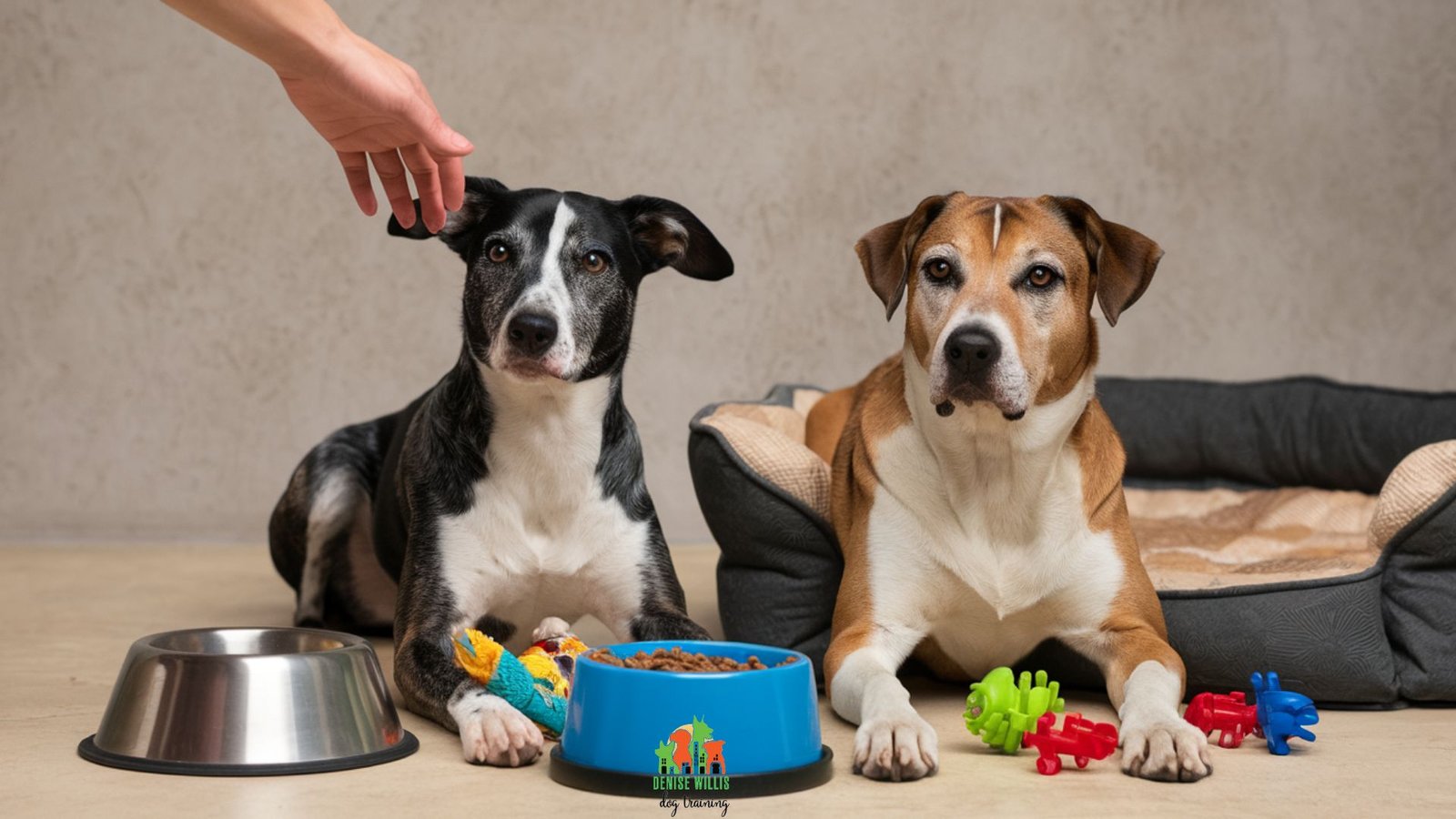
Credit: www.dwdogtraining.com
Why Sharing Matters
Teaching your dog to share toys helps build good habits. Sharing can make playtime more fun and less stressful.
Dogs that learn to share often get along better with other pets and people. It helps them feel calm and confident.
Benefits For Your Dog
Sharing toys brings many advantages to your dog's life. It encourages social skills and reduces anxiety.
- Builds trust between dogs and owners
- Improves cooperation with other dogs
- Teaches patience and self-control
- Reduces possessiveness over toys
- Increases enjoyment during playtime
Impact On Behavior
Sharing toys changes how your dog acts around others. It lowers aggression and promotes calmness.
| Behavior | Before Sharing | After Sharing |
| Aggression | High | Low |
| Anxiety | Often Nervous | More Relaxed |
| Play Style | Possessive | Cooperative |
| Social Skills | Limited | Improved |
Credit: www.humaneworld.org
Choose The Right Toys
Teaching a dog to share toys starts with picking the right ones. The right toys make sharing easier and more fun for dogs.
Choose toys that are safe and built to last. Toys that invite dogs to play together help them learn to share better.
Safe And Durable Options
Pick toys made from strong materials that won’t break or cause harm. Avoid toys with small parts that dogs can swallow.
- Rubber chew toys that resist teeth
- Thick rope toys for tugging
- Hard plastic balls designed for dogs
- Non-toxic materials safe for chewing
- Toys with no loose pieces
Toys That Encourage Interaction
Choose toys that promote sharing and playing together. These help dogs learn to take turns and enjoy group play.
| Toy Type | How It Encourages Sharing |
| Tug ropes | Dogs pull together, taking turns |
| Soft balls | Dogs chase and pass the ball |
| Interactive puzzles | Dogs work side by side to solve |
| Plush toys | Dogs carry and gently exchange |
Start With Basic Commands
Teaching your dog to share toys begins with basic commands. These commands help your dog understand what you expect. Clear communication makes learning easier for your dog.
Start training sessions in a quiet place with few distractions. Use treats and praise to encourage good behavior. Be patient and keep sessions short to hold your dog’s attention.
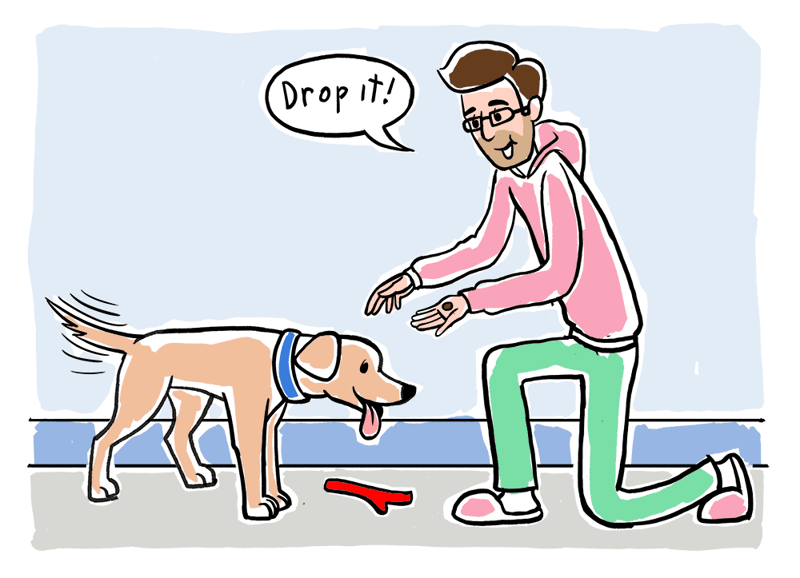
Teaching ‘drop It’
The “Drop It” command helps your dog release toys on cue. This is key for sharing. Begin by offering a toy your dog likes. When your dog holds the toy, show a treat and say “Drop It”.
- Hold a treat near your dog’s nose
- Say “Drop It” clearly
- Wait for your dog to drop the toy
- Give the treat immediately
- Repeat until your dog drops the toy on command
Practice this often. Use toys with different textures and sizes. This builds your dog’s understanding of the command in many situations.
Using ‘give’ And ‘take’
The commands “Give” and “Take” teach your dog to exchange toys willingly. This helps with sharing during playtime. Start by offering a toy and say “Take” when giving it to your dog.
| Command | What to Do | Why It Helps |
| Give | Ask your dog to give the toy to you | Encourages releasing toys gently |
| Take | Tell your dog to take a toy from you | Builds trust and sharing skills |
Use treats and praise to reward your dog when they follow these commands. Keep training sessions fun and positive. This will improve your dog’s willingness to share toys.
Use Positive Reinforcement
Teaching your dog to share toys can be easier with positive reinforcement. This means rewarding your dog for good behavior instead of punishing bad actions.
Positive reinforcement helps your dog learn that sharing brings good things like treats and praise. This encourages your dog to share more often.
Rewarding Good Sharing
Give your dog a treat or praise when it shares a toy. This shows your dog that sharing is a good choice.
Use small, tasty treats and happy words like “Good job!” right after your dog shares a toy.
- Offer treats immediately after sharing
- Use a cheerful voice for praise
- Give attention and petting as rewards
- Repeat rewards to strengthen the habit
Timing And Consistency
Timing is important when using positive reinforcement. Reward your dog right after it shares a toy.
Be consistent by rewarding your dog every time it shares. This helps your dog understand what you expect.
- Reward immediately to link behavior and reward
- Use the same commands and rewards each time
- Practice sharing regularly for better results
- Stay patient and keep training sessions short
Create Sharing Opportunities
Teaching a dog to share toys needs practice and patience. You can help by creating chances for your dog to share.
Sharing helps dogs learn to be gentle and friendly with other dogs. Use small steps to guide your dog.
Supervised Play Sessions
Watch your dog closely during playtime. This keeps play safe and teaches sharing.
Let your dog play with one toy while you watch. If your dog offers the toy, praise them.
- Keep sessions short and calm
- Use a quiet space without many distractions
- Give treats when your dog shares
- Stop play if dogs growl or snatch
Introducing Multiple Dogs
Introduce dogs slowly in a safe area. Let them see and sniff each other first.
Give each dog their own toy at first. Watch how they react to toys around each other.
- Use toys of equal value to avoid fights
- Switch toys to encourage sharing
- Give praise for calm behavior
- Separate dogs if there is tension
Handle Possessiveness
Teaching a dog to share toys can be challenging. Possessiveness in dogs may lead to aggression.
Understanding how to manage this behavior is key. Identifying triggers is the first step.
Identifying Resource Guarding
Resource guarding happens when a dog is protective of items. They may growl or snap to keep others away.
Signs of resource guarding include:
- Growling when someone approaches their toys
- Barking aggressively around food bowls
- Snapping if someone tries to take an item
Strategies To Reduce Aggression
Reducing aggression involves consistent training. Positive reinforcement is effective.
- Start with short training sessions.
- Reward calm behavior around toys.
- Gradually increase the number of toys.
- Teach commands like “leave it” and “drop it”.
- Ensure each dog has its own space.
Training takes time and patience. Consistency is crucial for success.
| Strategy | Benefit |
| Positive Reinforcement | Encourages good behavior |
| Consistent Commands | Builds understanding |
| Separate Spaces | Reduces tension |
Practice Patience And Persistence
Teaching a dog to share toys takes time. Dogs are naturally protective of their things. This process requires patience and persistence from the owner.
It is important to stay calm. Consistent training will help your dog learn better. Be patient as each dog learns at its own pace.
Setting Realistic Expectations
Not all dogs will share immediately. Some may take longer to adjust. Set realistic goals to avoid frustration.
Understand your dog’s personality. Some dogs are more possessive than others. Adjust your training methods to suit your dog's behavior.
- Start with short play sessions
- Gradually increase time as your dog gets comfortable
- Use positive reinforcement to encourage sharing
Tracking Progress
Keep track of how your dog responds to training. This helps you understand what works and what doesn’t.
Note improvements in sharing behavior. Celebrate small successes to motivate both you and your dog.
| Week | Sharing Behavior |
| 1 | Reluctant to share |
| 2 | Shares with encouragement |
| 3 | Shares without prompting |

Credit: www.ellevetsciences.com
Seek Professional Help When Needed
Teaching a dog to share toys can be tough. Sometimes, you may need help from a trainer. A professional can guide you and your dog through difficult moments.
Knowing when to ask for help and who to choose makes a big difference in your dog’s progress and happiness.
When To Consult A Trainer
Look for a trainer if your dog shows signs of aggression over toys. If your dog does not respond to your efforts, a trainer can help. Also, seek help if your dog has anxiety or fear around sharing.
- Your dog growls or snaps over toys.
- Your dog hides toys and refuses to share.
- You feel unsure about how to teach sharing safely.
- Your dog’s toy guarding causes stress for you or family.
Choosing The Right Expert
Find a trainer who uses kind and clear methods. Avoid trainers who use harsh punishment. Choose someone who listens to your concerns and explains techniques well.
| Trainer Type | Good For | Signs to Avoid |
| Positive Reinforcement Trainer | Encourages sharing with rewards | Never uses force or yelling |
| Behavioral Specialist | Handles aggression or anxiety | Uses balanced or aversive methods |
| General Obedience Trainer | Teaches basic commands and manners | Ignores toy guarding issues |
Frequently Asked Questions
How Can I Teach My Dog To Share Toys?
Start by using positive reinforcement. Reward your dog when they allow another dog to play with their toy. Practice short, supervised sharing sessions consistently.
Why Does My Dog Refuse To Share Toys?
Dogs may refuse to share due to possessiveness or fear. Understanding their behavior helps. Gradual training and rewards can reduce this issue effectively.
What Is The Best Way To Introduce Toy Sharing?
Introduce toy sharing slowly with calm, familiar dogs. Use treats and praise to encourage gentle play and sharing habits. Keep sessions short and positive.
How Long Does It Take For Dogs To Learn Sharing?
Learning to share varies by dog. Consistent daily practice usually shows progress within a few weeks. Patience and positive reinforcement speed up training.
Conclusion
Teaching a dog to share toys takes time and patience. Start with simple steps and stay consistent. Praise your dog for good behavior to encourage sharing. Keep training sessions short and fun to hold your dog’s attention. Remember, every dog learns at their own pace.
Sharing toys can build trust between dogs and people. Practice often, and you will see progress. Enjoy the process and celebrate small wins along the way. Sharing makes playtime better for everyone involved.

Emily Barker is the founder of ChillDogLife.com, a space dedicated to helping pup parents discover the best dog products, lifestyle tips, and cozy ideas for happier homes.
A lifelong dog lover, Emily combines her passion for pets with a knack for research to share trusted recommendations on everything from toys and furniture to health and everyday care.
Her goal is simple: to make life easier, stylish, and more joyful for dogs and the people who love them.




