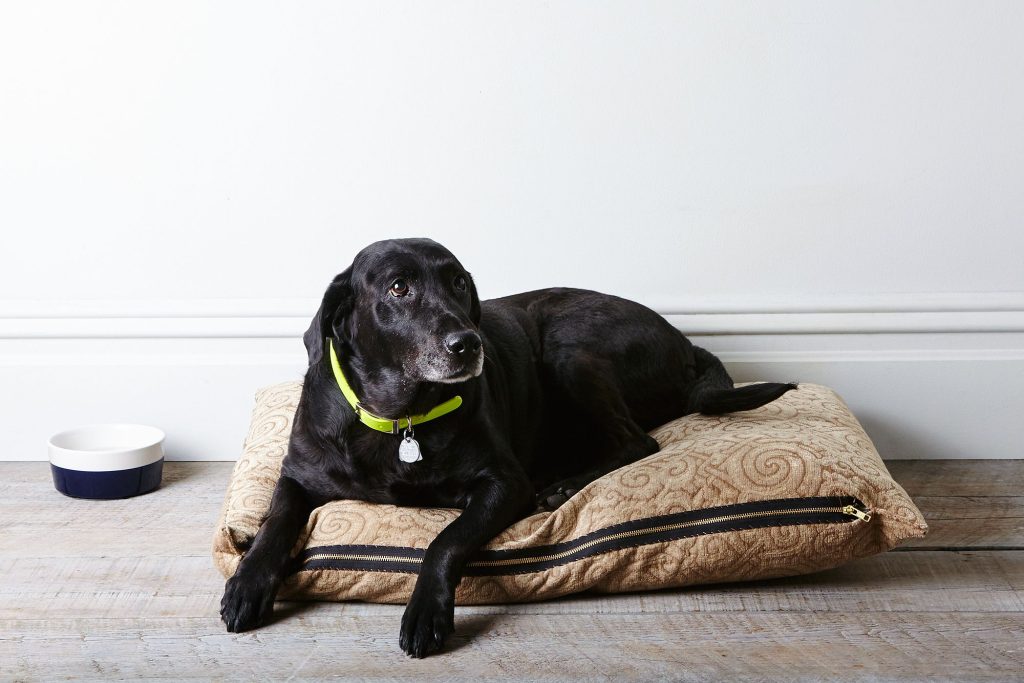
Are you looking for a cozy, personalized place where your furry friend can rest comfortably? Making your own dog bed might sound tricky, but it’s easier than you think—and it lets you create something perfect just for your pet.
Imagine a soft, snug bed that fits your dog’s size and style, made with your own hands. Keep reading, and you’ll discover simple steps to sew a dog bed that both you and your dog will love. Let’s get started!
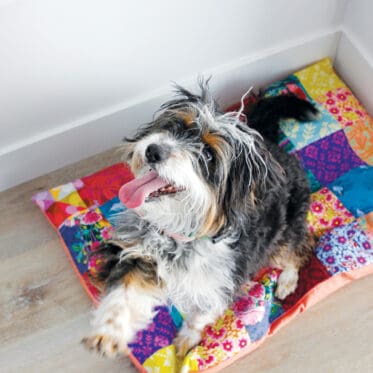
Credit: seekatesew.com
Materials Needed
Gathering the right materials is the first step to sewing a comfortable and durable dog bed. The choices you make here affect the bed’s longevity, comfort, and how easy it will be to clean. Think about your dog’s habits and preferences before picking fabrics and stuffing.
Fabric Choices
Choose a fabric that can handle wear and tear. Durable options like canvas, denim, or upholstery fabric work well for active dogs. If your dog loves to snuggle, soft cotton or fleece can make the bed extra cozy.
Consider water-resistant or washable fabrics if your dog tends to get messy. You might want a fabric that’s easy to clean and won’t fade after many washes. Have you checked how your dog reacts to different textures? This can guide your fabric decision.
Stuffing Options
The stuffing is what gives your dog bed its shape and comfort. Polyester fiberfill is a popular choice because it’s soft, lightweight, and washable. You can find it in craft stores or online easily.
Another option is foam, which offers firm support, especially for older dogs with joint issues. You could also use recycled fabric scraps for an eco-friendly filling, but make sure it’s clean and safe. Would your dog prefer a bed that’s fluffy or more supportive?
Tools And Accessories
Having the right tools makes sewing your dog bed easier and more precise. You’ll need a sewing machine or a sturdy needle for hand sewing. Sharp scissors and pins are essential for cutting and holding fabric pieces together.
Don’t forget thread that matches your fabric and is strong enough to hold the bed together. A zipper or Velcro can be handy if you want a removable cover for easy washing. Do you have all these tools ready, or is this a good time to upgrade your sewing kit?
Measuring Your Dog
Measure your dog while they lie down to get accurate length and width. Add extra inches for comfort and seam allowance before cutting fabric. This ensures the bed fits perfectly and feels cozy.
Measuring your dog is a crucial step in creating a cozy and perfectly sized bed for your furry friend. Getting the measurements right ensures that your dog has enough space to stretch and relax. It’s not just about comfort but also about making a bed that complements your home while keeping your pet happy.Length And Width Tips
To measure your dog for a bed, start by observing how they typically sleep. Do they curl up or stretch out? Measure your dog from the tip of their nose to the base of their tail for length, and from their shoulder to the floor for height. If they like to sprawl, add a few inches to each measurement. Consider using a soft tape measure for accuracy. A rigid ruler might not account for your dog’s natural contours.Considering Comfort And Growth
Think about your dog’s age and growth potential. Puppies will grow, and you might want to allow some extra space for them to grow into. If your dog is older or has joint issues, consider adding extra padding or opting for orthopedic foam. Comfort should be a priority. Always remember, a snug fit might look neat, but it won’t offer the same comfort as a bed with a little extra room. What size do you think your dog would feel most comfortable with?Cutting The Fabric
Cutting the fabric is a crucial part of making a dog bed. Precise cuts ensure the bed fits well and looks neat. Careful cutting also saves fabric and reduces waste.
Start by preparing your workspace. A clean, flat surface helps you measure and cut accurately. Use sharp scissors or a rotary cutter for smooth edges. Avoid jagged cuts that can fray or weaken the fabric.
Creating Patterns
Patterns guide your cutting and keep the fabric pieces uniform. Use cardboard or thick paper to make reusable patterns. Draw shapes based on your dog’s size and bed design.
Measure your dog’s length and width while it lies down. Add extra space for comfort and seams. Common shapes for dog beds include rectangles, circles, or squares.
- Trace the pattern onto the fabric with chalk or a fabric marker.
- Double-check the measurements before cutting.
- Label each piece to avoid confusion later.
Marking And Cutting Techniques
Mark fabric edges clearly to follow the pattern. Use tailor’s chalk, fabric pens, or washable markers. These tools leave visible but removable marks.
Cut slowly along the lines for accuracy. Hold the fabric steady to prevent slipping. Use long, smooth scissors or a rotary cutter for clean cuts.
Keep fabric layers flat. Pin layers together if cutting multiple pieces at once. This helps maintain uniformity and saves time.

Credit: seekatesew.com
Sewing The Base
Sewing the base of a dog bed is a key step. It forms the bottom part that holds the stuffing and supports your pet. A sturdy base ensures the bed lasts long and stays comfortable. Careful stitching and strong seams create a durable foundation for your dog’s rest.
Stitch Types To Use
Choose stitches that hold fabric firmly. A straight stitch works well for most seams. It is strong and simple to do. For extra strength, use a backstitch at the start and end. A zigzag stitch helps prevent fabric from fraying. Use it along the edges before sewing the pieces together.
Seam Reinforcement Tips
Reinforce seams to avoid tearing under pressure. Double stitching adds extra strength. Sew over the same seam twice for durability. Use a heavy-duty thread designed for thick fabrics. Press seams flat with an iron to keep them neat and tight. Trim excess fabric inside to reduce bulk. Secure corners with extra stitches to stop them from ripping.
Adding The Sides
Adding the sides to your dog bed is key to creating a cozy and secure space. The sides give structure and form, making the bed comfortable and inviting. This part requires careful sewing and attention to detail to ensure the bed holds its shape well.
Attaching Side Panels
Start by cutting fabric panels for the sides that match your bed’s base size. Pin the side panels to the base fabric, aligning edges carefully. Use a sewing machine to stitch the panels, sewing slowly to keep the seams straight. Double stitch the corners for extra strength.
Ensuring Stability
To keep the sides firm, insert foam or batting inside the panels before sewing them shut. Sew along the top edge to close the panels securely. Add extra stitching along the bottom seam for durability. This helps the dog bed maintain its shape, even with heavy use.

Credit: www.loandbeholdstitchery.com
Stuffing The Bed
Stuffing your dog bed is a crucial step that affects your pet’s comfort and support. The right amount and type of filling can make a big difference in how your dog rests. Paying attention to how you add and distribute the stuffing ensures the bed stays cozy and durable over time.
Distributing Filling Evenly
Uneven stuffing can create lumps that make the bed uncomfortable. Take your time to spread the filling across all corners and edges. Use your hands to press and fluff the filling, checking frequently that no spots feel thinner or denser than others.
Try laying the bed flat and gently shaking it to help the filling settle evenly. If you notice any clumps, pull them apart and redistribute. This step prevents your dog from sinking into one side or facing hard lumps.
Adjusting Firmness
Your dog’s size and sleeping habits determine how firm the bed should be. Add more filling if you want a firmer, more supportive bed, especially for larger or older dogs. Remove some stuffing if the bed feels too hard and your dog prefers softness.
Test the firmness by pressing down with your hands to mimic your dog’s weight. Does it feel comfortable and supportive? Adjust in small amounts to get just the right balance for your pet’s needs.
Finishing Touches
Finishing touches give your dog bed a polished look. They ensure durability and comfort for your pet. Small details make a big difference in the final product. Focus on neatness and style at this stage.
Closing The Opening
Leave a small opening to turn the bed right side out. Use a ladder stitch or slip stitch for a clean finish. Hand sewing here keeps the seam invisible and strong. Take your time to avoid puckering or loose threads. This step seals the bed and keeps the stuffing inside.
Decorative Options
Decorations add personality to the dog bed. Use fabric paint, applique, or embroidery to create fun patterns. Sew on buttons or patches for extra charm. Choose pet-safe materials to avoid any harm. Simple decorations can brighten the bed without overwhelming it.
Care And Maintenance
Keeping your dog bed clean and in good shape helps it last longer. Regular care keeps it fresh and safe for your pet. Simple steps make maintenance easy and effective. Below are key tips for washing and repairing the bed.
Washing Instructions
Remove any loose fur and dirt before washing. Use a gentle detergent to protect the fabric and filling. Cold water helps prevent shrinking and fading.
- Machine wash on a gentle cycle.
- Use mild detergent without bleach.
- Air dry or tumble dry on low heat.
- Wash covers separately from the cushion.
Regular washing prevents odors and bacteria build-up. Spot clean stains quickly to avoid permanent marks.
Repair Tips
Check the dog bed often for tears or loose seams. Fix small holes before they get bigger.
- Use a needle and thread that match the fabric.
- Reinforce weak seams with extra stitching.
- Patch holes with fabric scraps from old beds or clothes.
- Replace stuffing if it becomes flat or lumpy.
Proper repairs keep the bed comfy and safe. Avoid rough handling to reduce wear and tear.
Frequently Asked Questions
What Materials Do I Need To Sew A Dog Bed?
You need durable fabric, stuffing, scissors, thread, needles, and a sewing machine. Choose washable, pet-friendly materials for comfort and easy cleaning.
How Do I Measure My Dog For The Bed?
Measure your dog’s length from nose to tail and width across the shoulders. Add extra inches for comfort and movement space.
What Type Of Stuffing Is Best For Dog Beds?
Polyester fiberfill or foam provides good support and comfort. These materials are hypoallergenic and easy to clean, ideal for dogs.
Can I Wash A Homemade Dog Bed?
Yes, use machine-washable fabric and removable covers. Wash regularly to keep the bed fresh and free from odors or dirt.
Conclusion
Sewing a dog bed is easier than you think. You only need basic materials and simple steps. Making your pet a cozy bed shows love and care. Choose soft fabric and fill it well for comfort. This project saves money and lets you customize size and style.
Try it today and enjoy seeing your dog happy and relaxed. A handmade bed can last long with good sewing. Small effort, big smile from your furry friend. Give your dog a special place to rest.

Emily Barker is the founder of ChillDogLife.com, a space dedicated to helping pup parents discover the best dog products, lifestyle tips, and cozy ideas for happier homes.
A lifelong dog lover, Emily combines her passion for pets with a knack for research to share trusted recommendations on everything from toys and furniture to health and everyday care.
Her goal is simple: to make life easier, stylish, and more joyful for dogs and the people who love them.




