
Have you ever dreamed of creating a safe haven where dogs can find love and care? Starting a dog sanctuary is a powerful way to make that dream real.
But you might be wondering, where do you begin? How do you turn your passion into a place that truly helps animals in need? This guide will walk you through the essential steps, so you can build a sanctuary that changes lives—both for the dogs and for you.
Ready to make a difference? Let’s dive in.
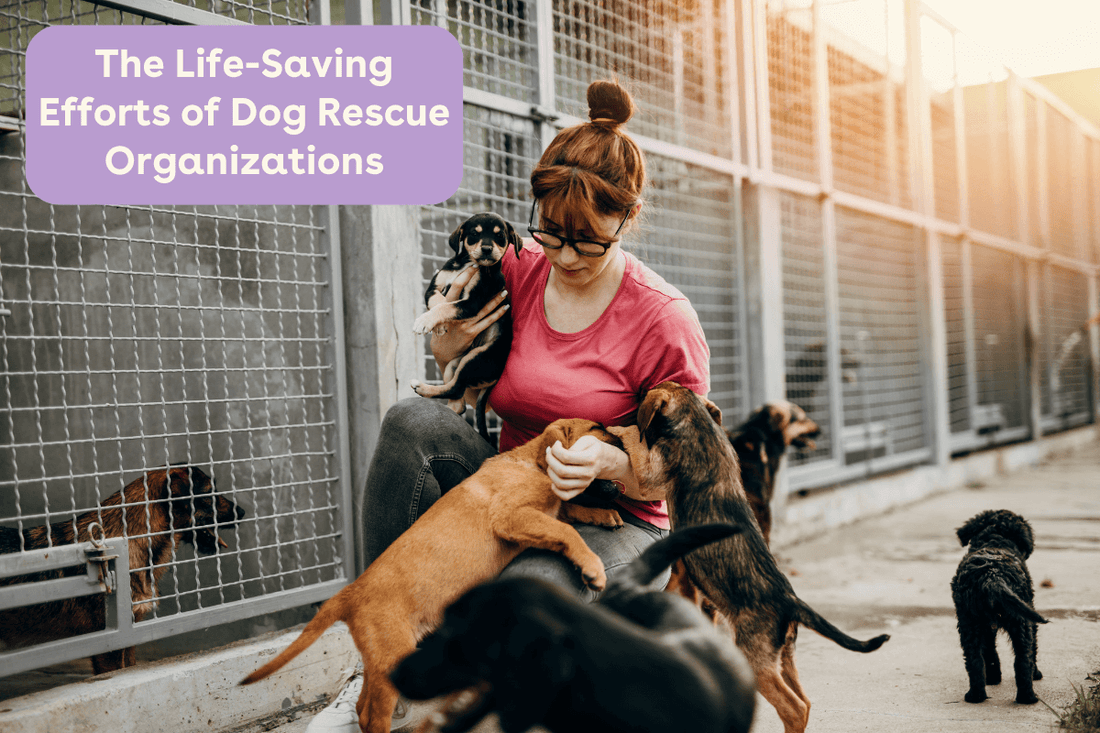
Credit: pupford.com
Choosing The Right Location
Choosing the right location is crucial for starting a dog sanctuary. The spot must support the dogs’ well-being and your daily operations. It affects how many dogs you can care for and the quality of their environment. The right location also helps in managing legal and health requirements efficiently.
Evaluating Space Requirements
Space must be enough for the dogs to play and rest comfortably. Each dog needs room to move freely and have a safe place to sleep. Outdoor areas are important for exercise and fresh air. Consider space for food storage, cleaning, and staff activities. Planning for future growth saves time and money.
Considering Zoning Laws
Zoning laws control what activities can happen in certain areas. Make sure the location allows animal care and shelter. Check local rules about noise, waste disposal, and building types. Some places may require permits or inspections. Follow these laws strictly to avoid fines or closure.
Access To Veterinary Services
Easy access to veterinary care is vital for dog health. Choose a location near reliable animal clinics or hospitals. Quick medical help reduces risks during emergencies. Regular vet visits keep dogs healthy and vaccinated. This proximity supports the sanctuary’s reputation and trust.

Credit: indianexpress.com
Legal And Financial Setup
Starting a dog sanctuary requires careful legal and financial planning. This ensures your sanctuary operates smoothly and stays protected. Understanding the legal steps helps avoid future problems. Managing finances well keeps your mission sustainable. Let’s explore essential aspects of this setup.
Registering Your Sanctuary
Choose the right legal structure for your sanctuary. Common options include nonprofit organizations or charitable trusts. Register with your local government or state agency. This process usually involves submitting an application and paying fees. Obtain a tax ID number for financial transactions and tax purposes. Registering as a nonprofit may allow tax-exempt status. Follow all rules for animal care and zoning laws. Keep all paperwork organized and up to date.
Fundraising And Budget Planning
Develop a clear budget showing all expenses and income. Include costs for food, shelter, medical care, and staff. Plan for unexpected expenses like emergencies or repairs. Create fundraising strategies to support your sanctuary. Ideas include events, online campaigns, and partnerships. Track donations and expenses carefully for transparency. Set realistic financial goals and update your budget regularly. Use simple tools like spreadsheets or budgeting apps.
Insurance And Liability
Protect your sanctuary with the right insurance policies. General liability insurance covers accidents on your property. Property insurance protects buildings and equipment from damage. Consider animal liability insurance in case of dog-related incidents. Workers’ compensation insurance is important if you have staff. Review policies regularly to ensure adequate coverage. Understand the legal risks involved in running a sanctuary. Proper insurance reduces financial risks and legal troubles.
Designing The Sanctuary
Designing your dog sanctuary sets the foundation for how well your dogs will live and thrive. Every space should offer safety, comfort, and freedom for the dogs to be themselves. Thoughtful design helps you manage daily tasks smoothly while keeping the animals happy and healthy.
Creating Safe Dog Enclosures
Your dog enclosures must protect dogs from hazards and prevent escapes. Use sturdy fencing materials like chain link or welded wire that can withstand chewing and scratching.
Consider the size of each enclosure based on the dog’s breed and energy level. Larger dogs need more space to move, while smaller breeds require cozy areas.
Adding secure gates with locks is essential. Think about double-gate systems to prevent accidental escapes when moving dogs in and out.
Setting Up Feeding And Water Stations
Feeding and watering areas should be easy to clean and placed in shaded spots to keep food fresh. Elevated bowls can help reduce mess and make eating more comfortable for dogs of different sizes.
Plan separate stations for dogs with special diets or medical needs. This avoids mix-ups and keeps feeding times organized.
Think about how you will refill water frequently, especially in hot weather. Automated water dispensers can save time but check them daily to ensure they work properly.
Planning For Exercise Areas
Exercise areas are vital for dogs’ physical and mental well-being. Design open spaces where dogs can run freely and play safely under supervision.
Add features like tunnels, ramps, or agility equipment to keep dogs mentally engaged and physically active. Changing these elements occasionally will keep the area exciting.
Separate exercise zones for different sizes or temperaments prevent stress and accidents. How can you balance safety with giving dogs the freedom they crave?
Sourcing Dogs For The Sanctuary
Sourcing dogs for your sanctuary is one of the most important steps in building a safe haven for animals in need. Finding dogs that fit your sanctuary’s mission requires patience, strong connections, and a clear understanding of each dog’s needs. How will you ensure each dog thrives in your care? Let’s break down the key elements to help you source dogs responsibly and effectively.
Partnering With Shelters And Rescues
Building relationships with local shelters and rescue groups opens doors to dogs who need a second chance. Reach out regularly and express your sanctuary’s goals clearly. These partnerships often lead to priority notifications when dogs require long-term care beyond the shelter’s capacity.
Trust is crucial here. Offer to support shelters by sharing resources or volunteering. This creates a two-way relationship that benefits both parties—and most importantly, the dogs.
Assessing Dog Health And Behavior
Before bringing dogs into your sanctuary, evaluate their health and temperament carefully. Work with a vet to screen for illnesses and vaccinations. Understanding a dog’s behavior helps you match them with the right environment and care routine.
Ask yourself: Is this dog comfortable around other animals? Does it require special attention? Answering these questions prevents future challenges and helps you provide tailored care.
Transporting Dogs Safely
Transport can be stressful and dangerous if not handled properly. Plan routes that minimize travel time and stops. Use secure carriers or crates that fit the dog’s size to prevent injury.
Offer water and breaks, especially on long trips. Keep the environment calm with gentle voices and familiar items like blankets or toys. How will you ensure every dog arrives safe and ready to settle into your sanctuary?
Daily Care And Management
Daily care and management are the backbone of a successful dog sanctuary. It ensures dogs stay healthy, happy, and safe. Consistent routines build trust between caregivers and animals. Proper management also helps prevent illness and stress. Every task matters in creating a loving environment.
Feeding And Nutrition
Providing balanced meals keeps dogs energetic and strong. Use high-quality dog food suited to each dog's age and health. Offer fresh water at all times. Establish regular feeding times to maintain their routine. Monitor each dog’s appetite and adjust portions if needed.
Health And Medical Care
Regular health checks catch problems early. Schedule vet visits for vaccinations and check-ups. Watch dogs for signs of illness or injury. Keep a record of medical history and treatments. Treat wounds and infections promptly to prevent complications.
Cleaning And Maintenance
Clean living areas daily to reduce germs and odors. Remove waste promptly and sanitize surfaces. Wash bedding regularly for comfort and hygiene. Inspect fences and shelters for safety hazards. Maintain clean water bowls and food containers to avoid contamination.

Credit: donorbox.org
Building A Support Team
Building a strong support team is essential for running a successful dog sanctuary. A dedicated group helps care for the animals and manage daily tasks. Teamwork creates a safe and loving environment for the dogs.
Choosing the right people and providing proper training will improve your sanctuary’s impact. A positive work atmosphere keeps everyone motivated and focused on the mission.
Hiring Staff And Volunteers
Start by defining the roles needed for your sanctuary. Common positions include animal caregivers, cleaners, and administrative helpers. Volunteers can support many tasks and bring passion to the team.
Look for people who love dogs and share your sanctuary’s values. Use clear job descriptions and ask about previous animal care experience. Conduct interviews to find reliable and kind candidates.
- Advertise roles on local community boards and social media
- Partner with animal welfare groups for volunteer referrals
- Check references to confirm trustworthiness
Training And Development
Provide training to ensure staff and volunteers understand proper dog care. Teach safety procedures, feeding routines, and basic health checks. Ongoing education keeps skills sharp and knowledge current.
Use a mix of hands-on sessions, written guides, and videos. Encourage questions and offer feedback regularly. Training helps your team work confidently and reduces stress for the dogs.
- Schedule regular workshops or training days
- Create easy-to-follow manuals for daily tasks
- Invite experts for special training sessions
Creating A Positive Work Environment
A friendly and supportive workplace boosts morale and retention. Recognize hard work and celebrate small successes. Open communication allows team members to share ideas and concerns.
Provide rest breaks and comfortable spaces for staff. Encourage teamwork through group activities and clear goals. A happy team cares better for the dogs and stays longer.
- Hold regular team meetings to discuss progress
- Offer praise and rewards for dedication
- Foster respect and kindness among all members
Community Engagement
Community engagement plays a vital role in building a successful dog sanctuary. It helps create a network of support, spreads the sanctuary’s message, and encourages people to get involved. Connecting with local residents, businesses, and organizations builds trust and fosters a sense of shared responsibility for animal care. Strong community ties can lead to donations, volunteers, and ongoing help for the sanctuary’s mission.
Raising Awareness
Raising awareness educates people about the sanctuary’s purpose and needs. Use simple messages that explain why dogs need help. Share stories and photos of the dogs you rescue. Use social media, local newspapers, and community boards to reach more people. Clear communication helps others understand the sanctuary’s impact.
Organizing Events And Fundraisers
Events bring people together and create excitement around the sanctuary. Host adoption days, dog walks, or pet care workshops. Fundraisers like bake sales, charity runs, or auctions generate money and raise visibility. Make events fun and welcoming to encourage attendance and support.
Creating Partnerships
Partnerships with local businesses and organizations strengthen the sanctuary’s resources. Collaborate with vets, pet stores, and schools for supplies or education programs. Work with animal welfare groups to share knowledge and volunteers. Strong partnerships expand the sanctuary’s reach and impact.
Sustainability And Growth
Building a dog sanctuary is more than just rescuing animals—it’s about creating a place that can thrive and support its mission for years to come. Sustainability and growth ensure your sanctuary won’t just survive but flourish, offering continuous care and shelter. How can you balance immediate needs with future goals? Let’s break it down.
Long-term Financial Planning
Financial stability is the backbone of any sanctuary. You need a clear budget that covers daily expenses like food, vet care, and staff wages, but also sets aside funds for emergencies and future projects.
Consider diversifying income sources. Think about:
- Grants and donations
- Fundraising events
- Partnerships with local businesses
- Merchandise sales
Tracking your finances monthly helps spot trends early. What if donations dip one season? Planning ahead means you won’t be caught off guard.
Expanding Capacity
Growing your sanctuary’s capacity allows you to help more dogs. But expansion requires thoughtful planning. Do you have enough space, staff, and resources to care for more dogs without sacrificing quality?
Start small by improving current facilities. Upgrade kennels or add play areas before building new structures. Then, consider recruiting more volunteers or hiring experienced staff.
Ask yourself: Is there a demand for more intake in your area? Collaborate with local shelters and rescue groups to understand community needs and avoid overlap.
Implementing Conservation Practices
Running a sanctuary means using resources daily—water, electricity, food—and these can add up quickly. Introducing conservation practices reduces costs and lessens your environmental impact.
Simple steps include:
- Installing rainwater harvesting systems for cleaning and watering
- Switching to energy-efficient lighting and appliances
- Composting organic waste to use as fertilizer in gardens
- Buying food and supplies from local, sustainable sources
These actions not only save money but also show your sanctuary’s commitment to responsible care. Could these changes inspire your supporters to act more sustainably too?
Frequently Asked Questions
What Are The First Steps To Start A Dog Sanctuary?
Begin by researching local laws and zoning regulations. Next, create a clear mission and business plan. Secure funding, find a suitable location, and prepare necessary permits. Planning these foundational steps ensures a smooth start for your sanctuary.
How Much Does It Cost To Start A Dog Sanctuary?
Costs vary widely but expect expenses for land, shelter, food, and veterinary care. Initial setup may range from $10,000 to $50,000 or more. Budgeting carefully helps maintain financial stability and quality care for the dogs.
What Legal Requirements Are Needed For A Dog Sanctuary?
You must obtain permits, licenses, and insurance. Follow local animal welfare laws and zoning rules. Register your nonprofit status if applicable. Compliance protects your sanctuary and ensures ethical treatment of animals.
How To Fundraise For A Dog Sanctuary Effectively?
Use social media, crowdfunding platforms, and community events to raise funds. Build relationships with donors and local businesses. Transparency and storytelling about the dogs’ needs encourage ongoing support.
Conclusion
Starting a dog sanctuary takes passion and careful planning. Focus on creating a safe space for dogs in need. Build a strong team and find reliable funding sources. Follow local rules and care for each dog with love. Small steps lead to big changes in dogs’ lives.
Your dedication makes a real difference every day. Keep learning and improving your sanctuary. Dogs will thank you with trust and joy. This journey is rewarding and full of hope.

Emily Barker is the founder of ChillDogLife.com, a space dedicated to helping pup parents discover the best dog products, lifestyle tips, and cozy ideas for happier homes.
A lifelong dog lover, Emily combines her passion for pets with a knack for research to share trusted recommendations on everything from toys and furniture to health and everyday care.
Her goal is simple: to make life easier, stylish, and more joyful for dogs and the people who love them.




