
Is your dog turning up its nose at every meal? Watching your furry friend refuse food can be frustrating and worrying.
You want to make sure your dog gets the right nutrition, but picky eating makes it feel impossible. What if there was a way to make mealtime easier and keep your dog healthy at the same time? You’ll discover simple, effective tips to satisfy even the fussiest eaters.
Keep reading, because your dog’s best health starts with what’s on their plate.
Recognizing Picky Eating Habits
Some dogs refuse to eat their food regularly. This can be a sign of picky eating habits. Understanding these habits helps in giving the right nutrition.
Recognizing picky eating early lets you adjust your dog’s diet. You can keep your dog healthy and happy.
Common Signs Of Picky Dogs
Picky dogs show certain behaviors that tell you they do not like their food. Knowing these signs helps you respond properly.
- Leaving food in the bowl for hours
- Sniffing food and walking away
- Eating only parts of the meal
- Showing excitement for treats but not meals
- Reluctance or slow eating
Reasons Behind Food Refusal
Dogs refuse food for many reasons. Some are physical, others are emotional or environmental.
Knowing why your dog refuses food helps you find the best solution for their nutrition.
- Dental pain or mouth sores
- Stomach discomfort or illness
- Food texture or flavor dislike
- Stress or changes in routine
- Too many treats between meals
Choosing The Right Dog Food
Feeding a picky dog can be tough. Choosing the right dog food helps keep your dog healthy and happy.
Different types of dog food offer various benefits. Knowing these options can help you find what your dog likes.
Types Of Dog Food Options
There are several types of dog food. Each has its own texture, taste, and nutrition level. Try different kinds to see what your dog prefers.
- Dry kibble:Easy to store and helps clean teeth.
- Canned food:Moist and often more flavorful.
- Raw food:Includes raw meat and vegetables, close to natural diet.
- Freeze-dried:Lightweight and keeps nutrients well.
- Homemade meals:You control all ingredients and freshness.
Ingredients That Appeal To Dogs
Dogs like certain ingredients more than others. These ingredients can make meals more tasty and tempting for picky eaters.
| Ingredient | Why Dogs Like It |
|---|---|
| Chicken | Rich in protein and has a mild flavor |
| Beef | Strong smell and taste dogs enjoy |
| Salmon | Contains healthy oils and a fishy taste |
| Sweet Potatoes | Soft texture and natural sweetness |
| Peanut Butter | Rich and creamy, perfect for treats |
Enhancing Food Appeal
Feeding a picky dog can be tough. Enhancing food appeal helps your dog eat better. Try adding flavors or changing how you serve the food.
These simple methods make meals more interesting. Your dog might look forward to eating time.
Tasty Toppers And Mix-ins
Adding tasty toppers can make meals more appealing. Mix-ins add variety and flavor.
- Sprinkle cheese over the food
- Add a spoonful of peanut butter
- Mix in a bit of chicken broth
- Top with fresh veggies
Warming And Serving Techniques
Warming up food can enhance its smell. Serving techniques also matter to picky eaters.
Try these methods:
- Warm food slightly in the microwave
- Serve in a shallow dish for easy access
- Alternate between wet and dry food

Credit: dogsauce.co
Creating A Feeding Routine
Feeding a picky dog can be a challenge. Setting a routine helps your dog know when to expect food. This can make mealtimes easier and less stressful.
A good feeding routine includes regular meal times and careful control of treats. These habits encourage your dog to eat well and stay healthy.
Consistent Meal Times
Feed your dog at the same times every day. This helps their body get used to a schedule. Dogs feel more secure with regular meal times.
- Pick two or three fixed times daily
- Offer food for 15-20 minutes only
- Remove uneaten food after the time ends
- Use the same feeding spot each time
- Keep feeding times free from distractions
Limiting Treats And Snacks
Too many treats reduce your dog’s appetite for meals. Limit treats to keep hunger strong at mealtime. Treats should not replace meals.
| Treat Type | Daily Limit |
| Small Biscuit | 2-3 pieces |
| Soft Chew | 1-2 pieces |
| Vegetable Slice | 3-4 pieces |
| Meat Bite | 1 piece |
Incorporating Supplements Safely
Dogs can be picky eaters, which makes giving them proper nutrition a challenge. Supplements can help ensure they get essential nutrients. It’s important to add these safely to their diet.
Before giving your dog supplements, consult a veterinarian. They can guide you on what your dog needs. This ensures your dog stays healthy and happy.
Vitamins For Picky Eaters
Vitamins support your dog’s overall health. They can be especially helpful for picky eaters. Some dogs may not get enough vitamins from their food.
Consider vitamin supplements like Vitamin A for healthy skin, Vitamin E for immune support, and B vitamins for energy. Always follow dosage instructions.
- Vitamin A: Supports vision and skin health
- Vitamin E: Boosts the immune system
- B Vitamins: Provides energy and supports metabolism
Natural Appetite Boosters
Natural appetite boosters can help picky dogs eat more. These can be safer than artificial additives. They also provide nutritional benefits.
Try adding fish oil, which is rich in omega-3 fatty acids. Bone broth is another great option. It is tasty and packed with nutrients.
- Fish Oil: Rich in omega-3, promotes healthy coat
- Bone Broth: Nutrient-rich and flavorful
- Pumpkin: High in fiber, supports digestion
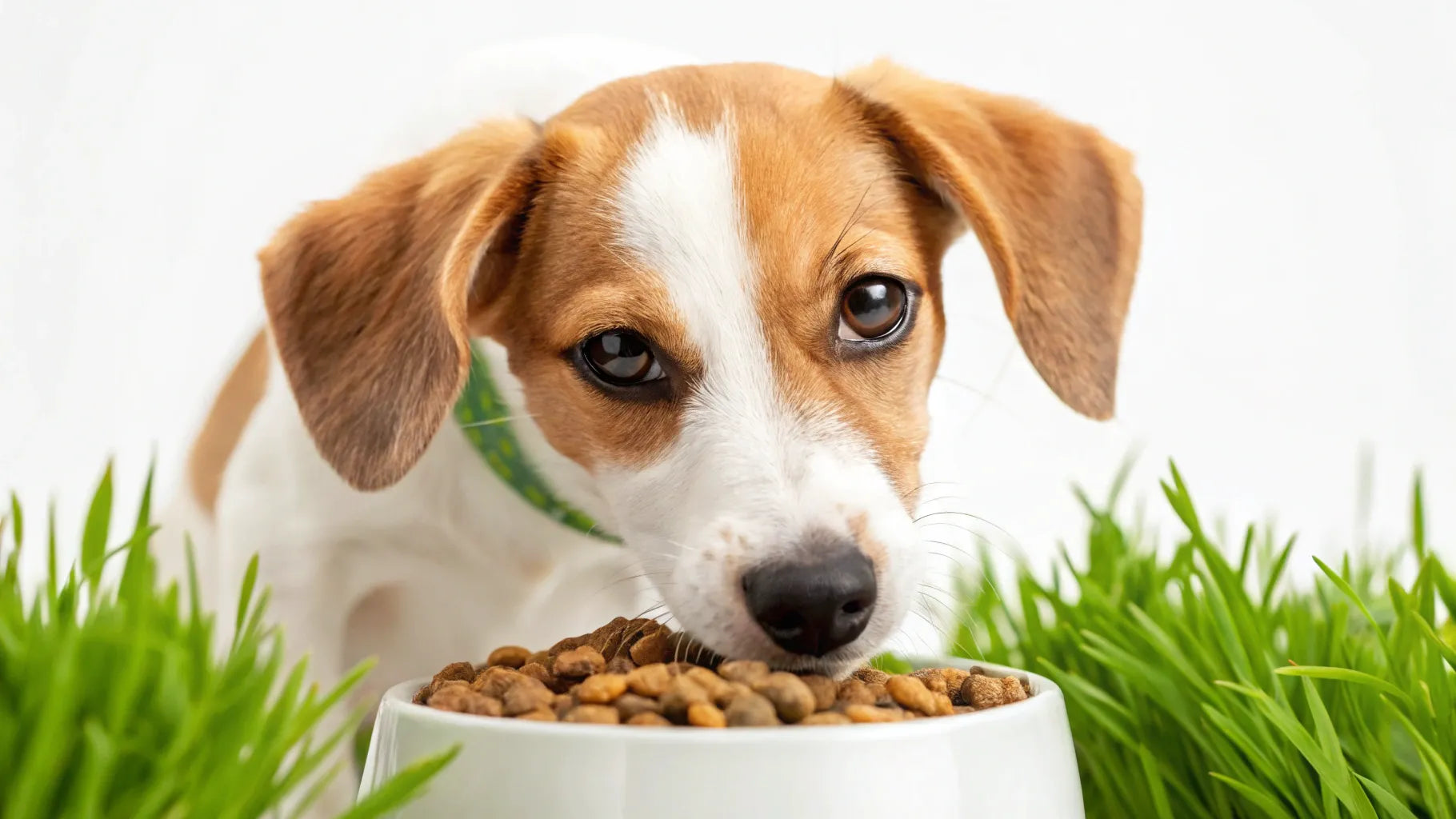
Credit: www.houndsy.com
Monitoring Health And Nutrition
Keeping an eye on your picky dog’s health is key to good nutrition. Watch their body and energy daily.
This helps spot any problems early and adjust their diet as needed.
Tracking Weight And Energy Levels
Check your dog’s weight regularly to see if they are gaining or losing too much. Use a scale to weigh them once a week.
Observe how active your dog is. Low energy might mean they need more nutrients or a vet check.
- Weigh your dog at the same time weekly
- Note changes in appetite or drinking habits
- Watch for signs of tiredness or weakness
- Keep a log of weight and activity for reference
When To Consult A Veterinarian
Talk to a vet if your dog loses weight fast or shows low energy for days. Early help is best.
| Sign | Action |
| Rapid weight loss | See a vet within 2 days |
| Low energy for over 3 days | Schedule a vet visit |
| Refusal to eat for 24 hours | Call vet immediately |
| Vomiting or diarrhea lasting more than 1 day | Consult vet promptly |
Training Tips To Encourage Eating
Getting a picky dog to eat well can be tough. Training helps your dog enjoy mealtime more.
Using simple training tips can improve your dog’s nutrition and health.
Positive Reinforcement Methods
Positive reinforcement rewards your dog for good eating behavior. It builds a happy mealtime habit.
Give small treats or praise when your dog tries new food or eats well.
- Use a calm voice to praise your dog
- Offer a favorite treat after eating
- Give gentle petting as a reward
- Feed in a quiet, distraction-free area
- Keep mealtimes consistent every day
Reducing Mealtime Anxiety
Dogs may avoid food if they feel stressed. Lower anxiety to help your dog eat better.
Calm your dog before mealtime with quiet and gentle actions.
- Feed your dog in a safe, quiet spot
- Avoid rushing or forcing your dog to eat
- Give your dog time to relax before meals
- Keep mealtime short and simple
- Remove distractions like loud noises or other pets
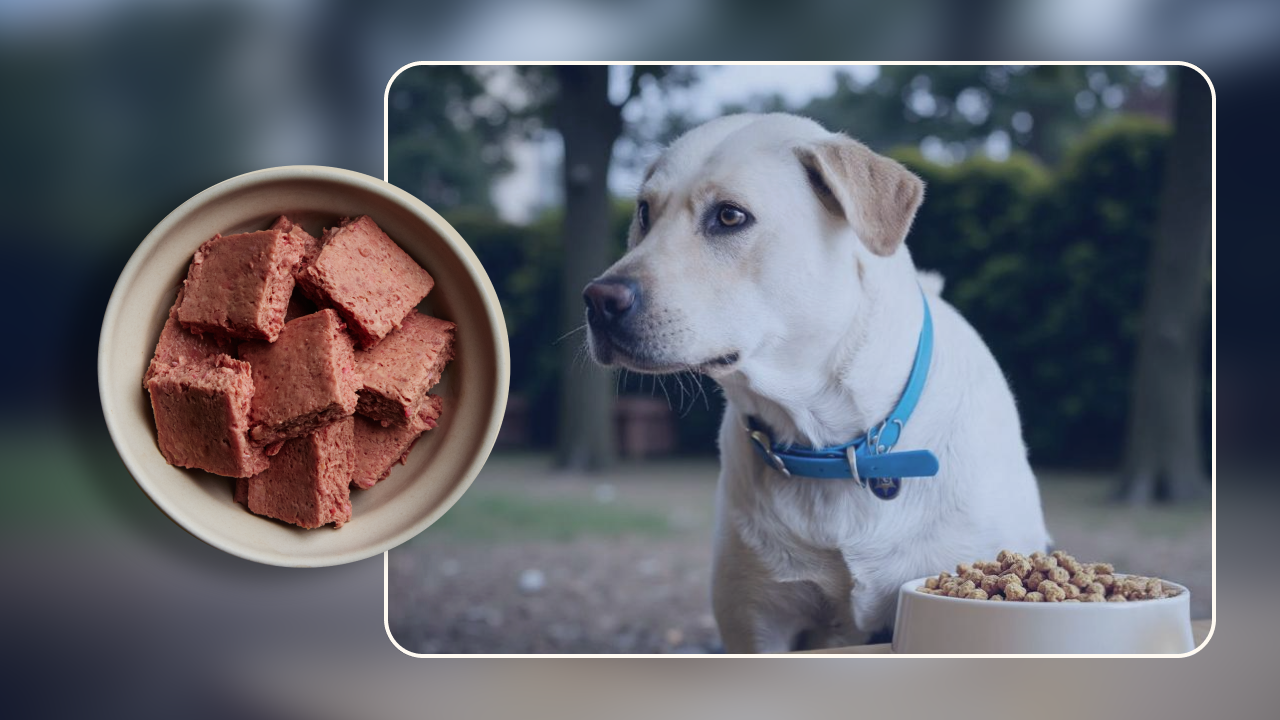
Credit: wefeedraw.com
Frequently Asked Questions
How Can I Improve My Picky Dog’s Nutrition?
Focus on balanced, high-quality dog food with essential nutrients. Add variety by mixing wet and dry foods. Include fresh fruits and vegetables as treats. Regularly consult your vet to adjust diet based on health needs and preferences.
What Are The Best Foods For Picky Dogs?
Choose nutrient-rich, palatable foods with real meat, whole grains, and veggies. Avoid fillers and artificial additives. Consider limited ingredient diets or hypoallergenic options. Rotate flavors to maintain interest and meet nutritional requirements.
How Do I Encourage My Picky Dog To Eat Healthier?
Introduce new foods gradually with familiar favorites. Use warm water or broth to enhance aroma and taste. Establish a consistent feeding schedule. Avoid excessive treats and table scraps to promote appetite for nutritious meals.
Can Supplements Help A Picky Dog’s Nutrition?
Yes, supplements like omega-3 fatty acids, probiotics, and vitamins can support health. Always consult your vet before adding supplements. Use them to complement a balanced diet, not replace it, ensuring your dog gets all necessary nutrients.
Conclusion
Feeding a picky dog takes patience and care. Try different foods and textures to find what they like. Keep meals consistent and offer fresh water daily. Small changes can help improve their nutrition over time. Watch their health and energy closely.
Good nutrition supports a happy, healthy dog. Remember, every dog is unique. Stay patient and keep trying new ideas. Your effort will help your dog enjoy mealtime again.

Emily Barker is the founder of ChillDogLife.com, a space dedicated to helping pup parents discover the best dog products, lifestyle tips, and cozy ideas for happier homes.
A lifelong dog lover, Emily combines her passion for pets with a knack for research to share trusted recommendations on everything from toys and furniture to health and everyday care.
Her goal is simple: to make life easier, stylish, and more joyful for dogs and the people who love them.




