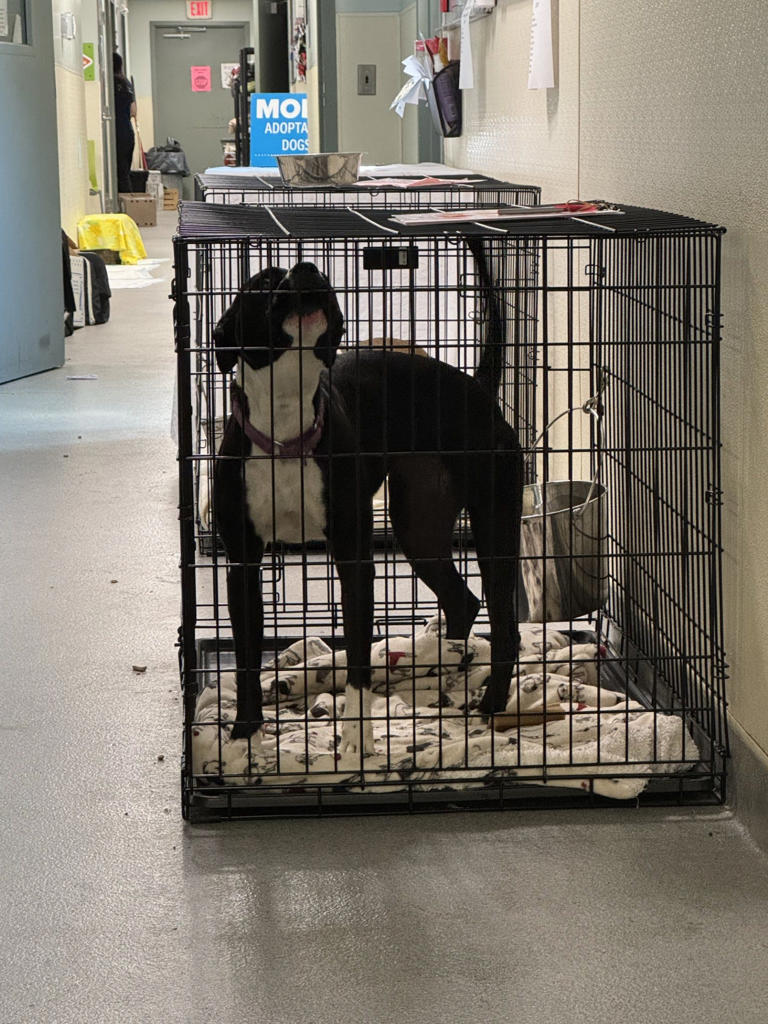
Is your dog barking nonstop in their crate? It can be frustrating and exhausting for both you and your furry friend.
You want your dog to feel safe and calm, not anxious or stressed. The good news is, you can teach your dog to stop barking in the crate—and enjoy peaceful moments again. You’ll discover simple, effective steps to help your dog feel comfortable and quiet while crated.
Keep reading, because the solution might be easier than you think.
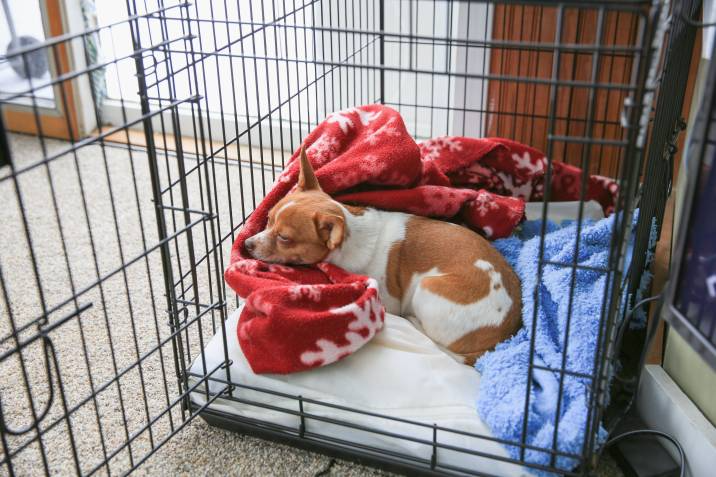
Credit: www.airtasker.com
Reasons Dogs Bark In Crates
Understanding why your dog barks in their crate is the first step toward calming those noisy moments. Barking can signal different needs or feelings that your pet is trying to express. Identifying the root cause helps you respond effectively and creates a better experience for both of you.
Separation Anxiety
One common reason dogs bark in their crates is separation anxiety. Your dog might feel scared or lonely when left alone, especially if they see the crate as a place of isolation. You may notice your dog pacing, whining, or barking right after you leave the room.
Have you ever watched your dog’s body language just before the barking starts? It often shows stress that you can address by gradually getting your dog used to alone time. Try leaving them with a favorite toy or a treat to build positive associations with the crate.
Boredom And Frustration
Dogs need mental and physical stimulation. When stuck in a crate without enough activity, they can get bored or frustrated. Barking becomes their way to release pent-up energy or to get your attention.
Think about your dog’s daily routine. Are they getting enough walks, playtime, and challenges? Adding puzzle toys or chew items in the crate can keep your dog engaged and reduce barking caused by boredom.
Discomfort Or Need To Eliminate
Sometimes barking is a straightforward message: your dog is uncomfortable or needs to go outside. Crates should be comfortable and sized just right—not too big or too small. If your dog barks shortly after being placed in the crate, check if they need a bathroom break.
Have you checked the crate’s bedding or temperature? A hard floor or excessive heat can make your dog restless. Adjusting these factors helps your dog feel safe and calm, cutting down on unnecessary barking.
Choosing The Right Crate
Choosing the right crate helps reduce your dog’s barking and stress. A proper crate feels safe and cozy. It becomes a peaceful place for your dog to relax. The crate’s size and location affect how your dog reacts inside it. Select a crate that fits your dog's needs and home setup.
Size And Comfort
The crate should be just the right size. Big enough for your dog to stand, turn, and lie down comfortably. Too large a crate can make your dog feel insecure. Too small can cause discomfort and more barking.
Use soft bedding or a blanket inside the crate. It makes the crate inviting and warm. Avoid hard floors or cold surfaces. Comfort reduces anxiety and helps your dog settle down.
Location And Environment
Place the crate in a quiet, low-traffic area. Loud noises and busy places can trigger barking. Avoid spots near windows with a lot of outside activity. A calm environment helps your dog feel safe.
Keep the crate away from direct sunlight or drafts. A balanced temperature keeps your dog comfortable. You want a place where your dog can relax without distractions.
Establishing A Positive Association
Getting your dog to stop barking in the crate starts with making the crate a place your dog actually wants to be. Establishing a positive association means your dog links the crate with good feelings, not fear or boredom. When your dog feels safe and happy inside, barking naturally decreases because there’s no need to call for attention or escape.
Using Treats And Toys
Use treats to turn the crate into a reward zone. Toss in your dog’s favorite snacks whenever they enter or stay calm inside. This simple action helps your dog realize the crate brings tasty surprises.
Toys play a big role too. Stuff a chew toy or a puzzle feeder inside to keep your dog busy and distracted from barking. I once saw a shy pup who loved his squeaky toy; it made crate time something he looked forward to every day.
Try rotating toys to keep things fresh. A new toy can spark curiosity and keep your dog engaged longer. How can you use your dog’s favorite treats or toys to make the crate a happy place right now?
Gradual Crate Introduction
Introduce the crate slowly instead of locking your dog in right away. Start by leaving the door open and letting your dog explore at their own pace. Sitting nearby and offering praise or treats helps your dog feel safe.
Next, close the door for short periods while you stay close. Gradually increase the time as your dog remains calm. This step-by-step approach prevents anxiety and reduces barking caused by sudden confinement.
Patience is key here. If your dog barks, wait until they are quiet before opening the door or giving attention. This teaches that calm behavior, not barking, earns freedom and rewards. What small step can you try today to make your dog’s crate introduction smoother?
Credit: www.ottawahumane.ca
Training Techniques To Reduce Barking
Reducing barking in a crate takes patience and the right approach. Training techniques help your dog feel calm and understand what behavior you expect. You can make progress by changing how your dog reacts to the crate and teaching clear commands.
Desensitization And Counterconditioning
Start by making the crate a positive place. Put treats, toys, or a comfy blanket inside and encourage your dog to enter voluntarily.
Gradually increase the time your dog spends in the crate while you stay nearby. If barking starts, wait for quiet moments and reward them immediately.
This approach changes your dog’s emotional response to the crate. Instead of feeling anxious or trapped, they begin to associate it with good things. Have you noticed how your dog reacts when you leave or return? That’s a clue to how much desensitization they need.
Teaching Quiet Commands
Teaching your dog a “quiet” command can be a game-changer. When your dog barks in the crate, say “quiet” in a calm, firm voice.
Wait for them to stop barking, even if just for a second, then give a treat or praise. This helps your dog connect the command with stopping the noise.
Practice this outside the crate first, so your dog understands the command well. Then use it during crate time. How often do you reward your dog for good behavior during crate training? Consistency makes a big difference here.
Managing Separation Anxiety
Managing separation anxiety is key to helping your dog stop barking in the crate. Dogs often bark out of stress when left alone, and this emotional response can be overwhelming for both you and your pet. Understanding how to reduce this anxiety will make crate time more peaceful and comfortable for your furry friend.
Exercise And Mental Stimulation
Before crate time, make sure your dog gets plenty of physical exercise. A tired dog is less likely to bark due to excess energy or frustration.
Try activities like brisk walks, fetch, or playing with other dogs to wear your dog out. But don’t stop at physical exercise—mental stimulation is just as important.
Puzzle toys, training sessions, and scent games can keep your dog’s mind busy. Have you noticed how your dog behaves after a mentally challenging game? You might find they settle more easily in the crate.
Professional Help And Tools
Sometimes, separation anxiety needs more than just exercise and games. Professional trainers or behaviorists can offer tailored strategies to ease your dog’s stress.
Tools like calming collars, anxiety wraps, or pheromone diffusers can also help create a soothing environment. Have you tried combining these tools with training? Many dog owners see significant improvements when they use both.
Don’t hesitate to ask your vet about medication if anxiety is severe. Your dog’s comfort and well-being should always come first.
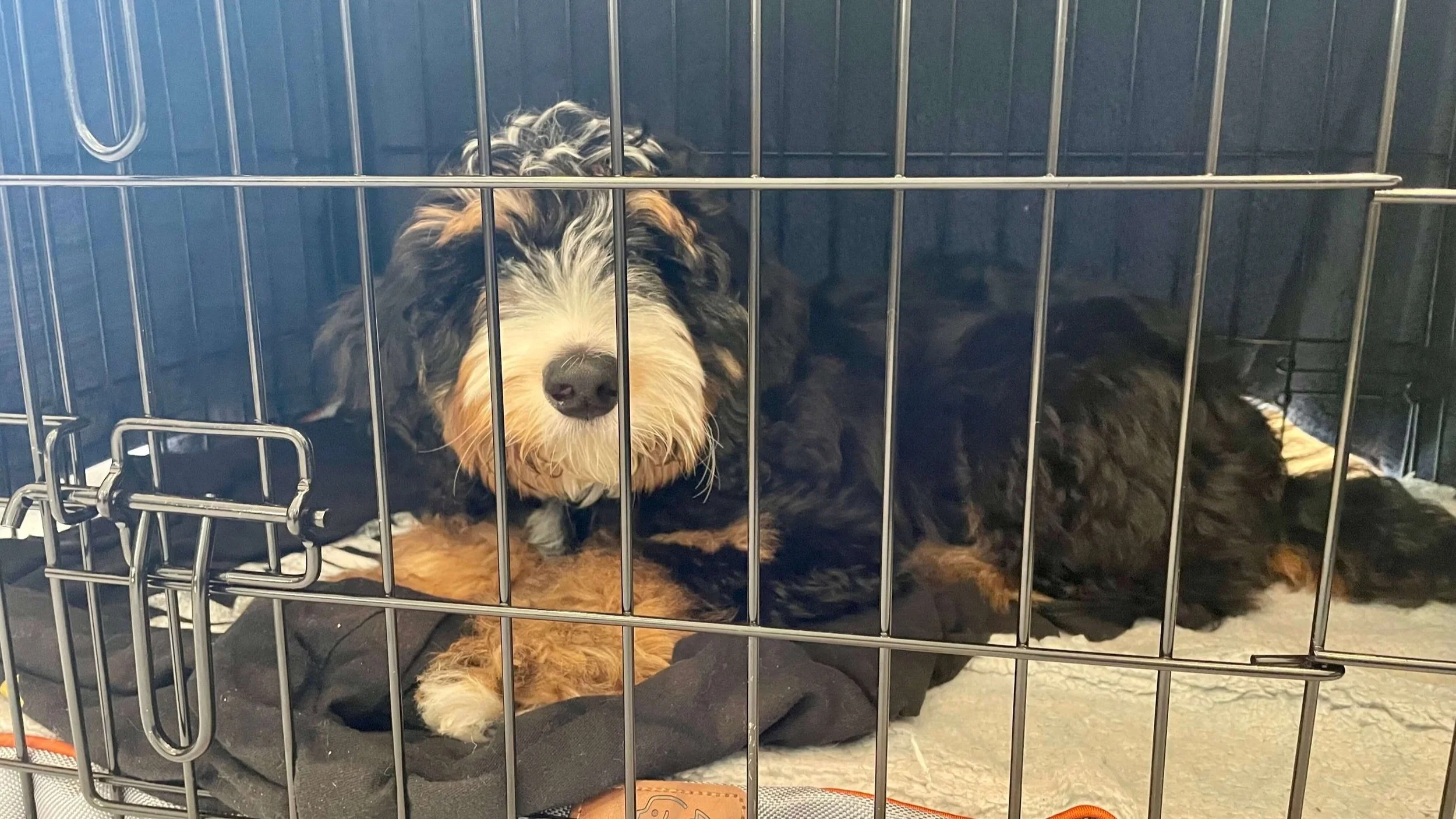
Credit: www.dogsavvylosangeles.com
Avoiding Common Mistakes
Getting your dog to stop barking in the crate can feel challenging, especially if you’re unknowingly making common mistakes. These errors often cause more frustration for both you and your dog. Recognizing and avoiding these pitfalls can make crate training smoother and more successful.
Punishing Barking
It’s tempting to punish your dog when they bark in the crate, but this usually backfires. Barking is a form of communication, not deliberate misbehavior. If you punish your dog, they might become fearful of the crate or even bark more out of anxiety.
Instead, focus on rewarding quiet behavior. For example, if your dog stops barking, immediately offer praise or a treat. This positive reinforcement teaches them that staying calm in the crate brings good things.
Ignoring Basic Needs
Sometimes barking happens because a dog’s basic needs aren’t met. Is your dog hungry, thirsty, or needing a bathroom break before going into the crate? Neglecting these can cause unnecessary distress and barking.
Make sure your dog has had enough exercise and attention before crate time. This helps reduce boredom and restlessness, which often lead to barking. Have you checked your dog’s routine lately to ensure all their needs are covered?
When To Seek Veterinary Advice
Knowing when to seek veterinary advice is crucial if your dog’s barking in the crate persists despite your efforts. Sometimes, barking signals more than just behavioral issues—it can be a sign of underlying health problems or emotional distress. Paying attention to these signs can help you address the root cause effectively and ensure your dog’s well-being.
Health Issues Affecting Barking
If your dog suddenly starts barking excessively while in the crate, consider possible health issues. Pain or discomfort can cause your dog to vocalize more than usual. Conditions like ear infections, dental problems, or arthritis might make your dog restless and noisy.
Watch for other signs such as limping, shaking, or changes in appetite. These clues can help you decide if a vet visit is necessary. Ignoring health problems might make the barking worse and harm your dog’s overall health.
Behavioral Assessments
Sometimes, barking in the crate comes from anxiety or stress rather than physical pain. A veterinary behaviorist or a certified trainer can assess if your dog has separation anxiety or fear of confinement. These experts can guide you on tailored training plans or medication if needed.
Think about your dog’s routine and environment: Has anything changed recently? New noises, visitors, or even a new pet can trigger barking. Getting a professional opinion helps you understand whether the problem is behavioral and how to handle it without risking your dog’s comfort or safety.
Frequently Asked Questions
How Can I Calm My Dog In The Crate?
To calm your dog in the crate, create a comfortable environment with soft bedding and toys. Use calming aids like a pet-safe spray. Play soothing music or white noise to reduce anxiety. Consistent crate training and positive reinforcement also help in reducing barking.
Why Does My Dog Bark In The Crate?
Dogs may bark in the crate due to anxiety, boredom, or discomfort. Ensure the crate is the right size and comfortable. Exercise your dog before crating to expend energy. Gradual crate training can help them feel more secure and reduce barking.
What Tools Help Stop Crate Barking?
Tools like interactive toys, calming sprays, and sound machines can reduce crate barking. These distractions help keep your dog entertained and calm. Additionally, using a crate cover can create a den-like environment, making your dog feel safer and more relaxed.
Is Crate Training Effective For Barking?
Yes, crate training is effective for reducing barking. It provides a secure space for your dog, helping them feel safe. Gradual training with positive reinforcement can teach your dog to associate the crate with comfort and quietness, minimizing unwanted barking.
Conclusion
Stopping a dog from barking in its crate takes time and patience. Consistent training helps your dog feel calm and safe. Give your dog breaks and positive rewards for quiet behavior. Avoid punishing, as it may increase anxiety and barking.
Remember, every dog learns at its own pace. Keep practicing daily and stay calm yourself. Soon, your dog will enjoy quiet and comfort in the crate. This makes both you and your pet happier.

Emily Barker is the founder of ChillDogLife.com, a space dedicated to helping pup parents discover the best dog products, lifestyle tips, and cozy ideas for happier homes.
A lifelong dog lover, Emily combines her passion for pets with a knack for research to share trusted recommendations on everything from toys and furniture to health and everyday care.
Her goal is simple: to make life easier, stylish, and more joyful for dogs and the people who love them.




