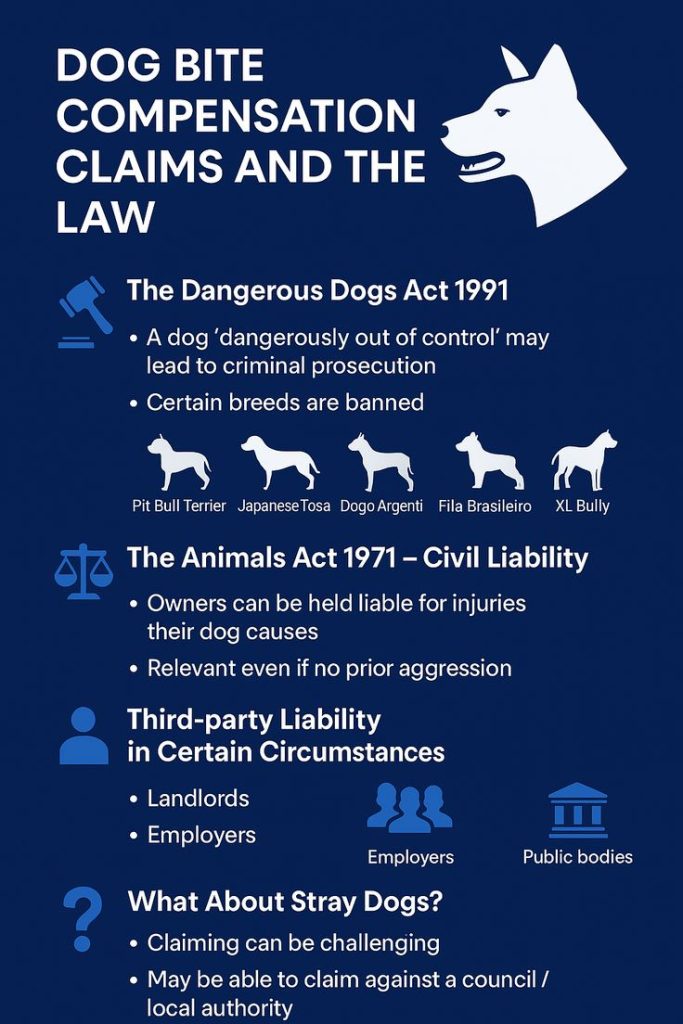
If you’ve been bitten by a dog, you might feel overwhelmed and unsure of what to do next. You deserve to be compensated for your pain, medical bills, and any time you’ve lost from work.
But how do you make sure you get the compensation you’re entitled to? This guide will walk you through the steps you need to take to claim what’s rightfully yours. Keep reading to find out exactly what you should do to protect your rights and get the help you need.
Recognize When To Claim
Recognizing the right time to claim compensation after a dog bite is crucial. Many people are unsure if their injury qualifies for a claim. Understanding the nature of your injury and the rules around compensation helps you take the right steps. This section explains the types of dog bite injuries and when compensation applies.
Types Of Dog Bite Injuries
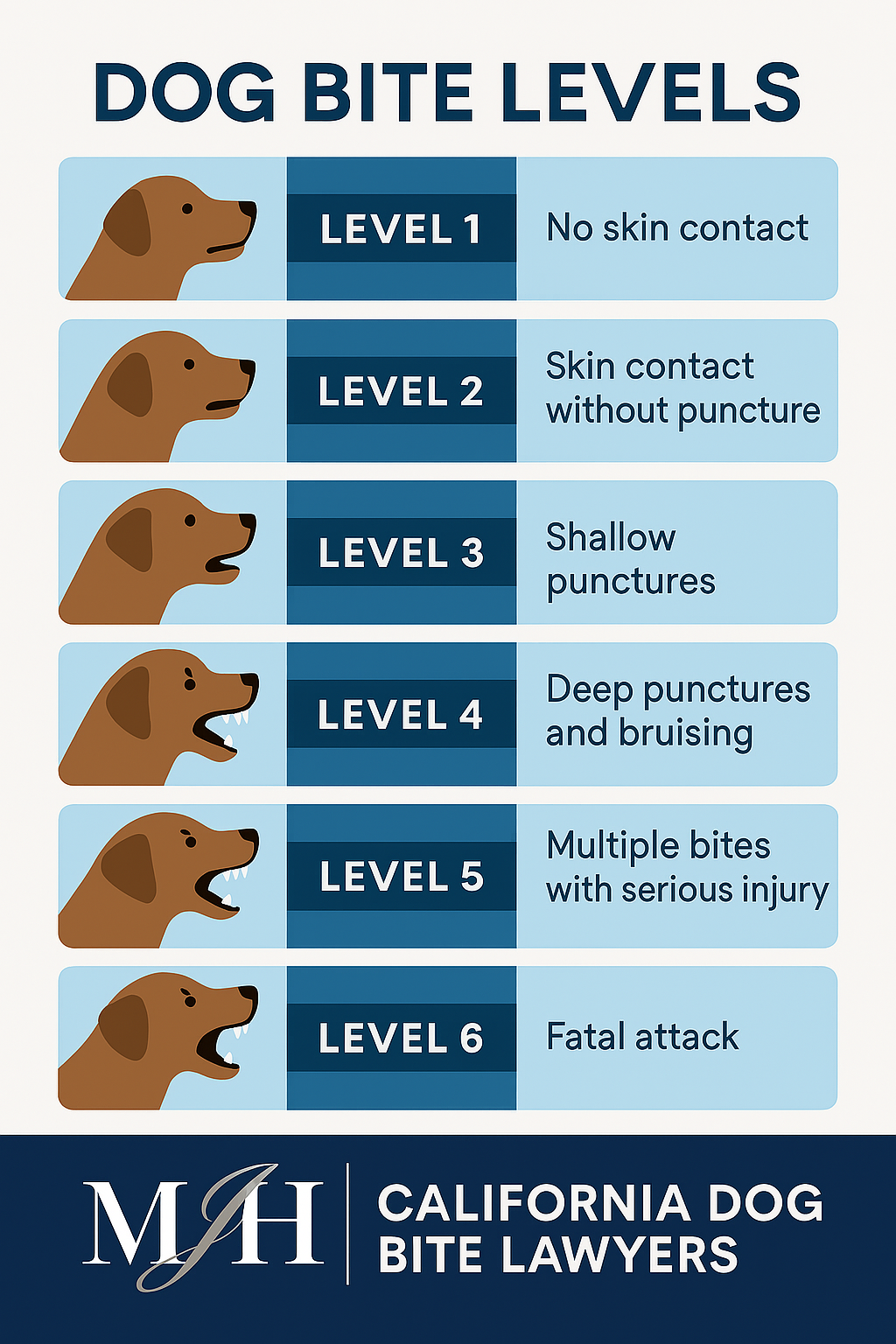
Dog bites can cause many types of injuries. Some are minor, while others are severe. Common injuries include:
- Scratches and puncture wounds
- Deep cuts requiring stitches
- Tissue damage or muscle tears
- Infections from bacteria in the bite
- Permanent scarring or disfigurement
- Nerve damage leading to numbness
- Psychological trauma like anxiety or fear
Some injuries need medical treatment right away. Others may cause long-term problems. Knowing your injury type helps decide if you should claim compensation.
When Compensation Applies
Compensation is available if the dog bite caused harm due to someone else’s responsibility. This can include:
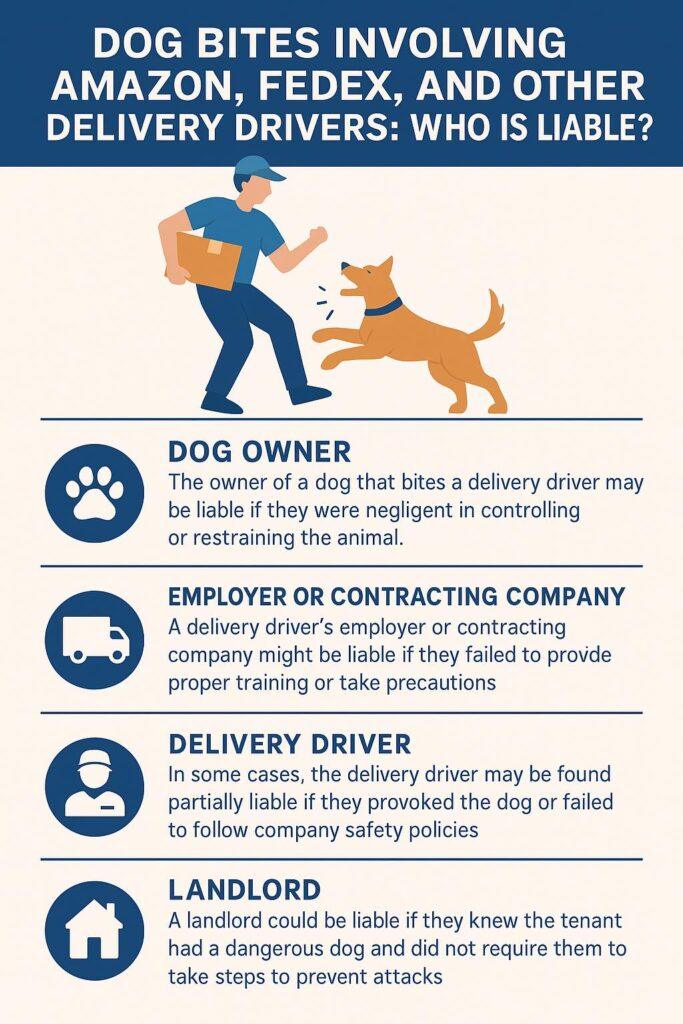
- The dog owner was careless or broke laws
- They failed to control or restrain the dog
- The dog had a known history of biting
- You were bitten in a public or private place where the owner should ensure safety
- Your injury caused pain, medical bills, or lost income
Minor scratches may not always qualify for compensation. Serious injuries or ongoing effects increase your chance of a successful claim. Knowing when compensation applies helps protect your rights and get fair treatment.
Seek Medical Attention
After a dog bite, seeking medical attention is crucial. It protects your health and supports your compensation claim. Immediate care helps prevent infection and other complications. Medical records also serve as proof of injury severity. Acting fast can make a big difference in recovery and legal outcomes.
Immediate Care Importance
Dog bites can cause serious wounds and infections. Prompt medical treatment reduces risks and stops infections early. Health professionals clean wounds and may give antibiotics or vaccines. They check for hidden damage, such as deep tissue injury. Early care improves healing and lowers long-term health problems.
Documenting Injuries
Medical documentation provides strong evidence for your claim. Doctors record the bite’s size, depth, and location. They take photos and write detailed notes. These records confirm the injury’s cause and seriousness. Keep all medical reports, bills, and prescriptions safe. Proper documentation supports your case and helps prove compensation needs.
Gather Evidence
Gathering strong evidence is crucial when you want to claim compensation for a dog bite. It helps prove the severity of the injury and the circumstances under which it happened. The more detailed and clear your evidence, the stronger your claim becomes.
Photographing Injuries And Scene
Take clear, close-up photos of your injuries from different angles right after the bite. Don’t forget to capture the surrounding area where the attack happened. These images provide visual proof of your pain and help show how dangerous the location or situation was.
Keep your phone or camera handy. Imagine being asked to describe the scene weeks later—photos can refresh your memory and make your story more believable.
Collecting Witness Statements
Ask anyone who saw the attack to share what they witnessed in writing. Witnesses add credibility to your claim by confirming your version of events. Try to get their full names and contact details, so they can be reached if needed.
Think about neighbors, passersby, or even the dog’s owner. Sometimes, a stranger’s honest account can make a huge difference in your case.
Obtaining Medical Records
Visit a doctor promptly and keep all medical reports related to your injury. These records document the extent of your wounds and the treatment you needed. They also establish a timeline that links your injury to the dog bite incident.
Don’t ignore follow-up visits or therapy sessions—every detail counts. Your medical history becomes a powerful piece of evidence that supports your claim for compensation.
Identify The Dog Owner
Identifying the dog owner is a key step in claiming compensation after a dog bite. Knowing who owns the dog helps in holding the right person responsible. It also speeds up the process of filing a claim or legal case. Gathering accurate owner details makes your case stronger and clearer.
Locating Owner Information
Start by asking people nearby for the dog’s owner details. Neighbors or local shopkeepers may know who the dog belongs to. Look for tags on the dog’s collar that may have the owner’s contact information.
Contact animal control or local shelters to check if the dog is registered. They keep records of lost or found pets and their owners. If the dog has a microchip, a vet or shelter can scan it to find owner data.
Checking Dog’s Vaccination And History
Request the dog’s vaccination records from the owner or animal control. These records show if the dog is up to date on rabies shots and other vaccines. Vaccination history can affect your compensation claim and legal rights.
Check if the dog has a history of aggression or previous bites. This information helps prove if the owner was negligent. Animal control or local authorities may have reports on the dog’s past behavior.
Report The Incident
Reporting the dog bite incident is a crucial step in securing compensation. It creates an official record of the event. This record supports your claim and helps authorities take action. Act quickly to avoid losing important details or evidence. Document everything clearly and accurately for best results.
Notifying Animal Control
Contact animal control soon after the bite. They inspect the dog and check vaccination records. This ensures public safety and prevents further attacks. Animal control may quarantine the dog for observation. Their report can serve as key evidence in your claim.
Filing A Police Report
Report the bite to the police immediately. Police document the incident and collect witness statements. A police report proves the bite occurred and shows its severity. It also helps establish liability for the dog owner. Keep a copy of the report for your records and legal use.

Credit: lawgroupofiowa.com
Consult A Lawyer
Consulting a lawyer is a vital step after a dog bite injury. A lawyer helps protect your rights and guides you through the legal process. They understand the laws and can explain what compensation you may receive. Legal advice ensures you do not miss important deadlines or details.
Choosing A Specialist
Pick a lawyer who focuses on personal injury cases. A specialist in dog bite claims knows local laws well. Experience in similar cases improves your chances of success. Look for someone with good reviews and clear communication skills. A specialist can explain complex terms in simple words.
Evaluating Your Case
The lawyer will review all details of your injury and situation. They check medical records, photos, and witness statements. The lawyer assesses liability and the strength of your claim. This evaluation helps estimate possible compensation amounts. You get a clear idea of your case’s potential.
File The Compensation Claim
Filing a compensation claim after a dog bite can feel overwhelming, but understanding the process will help you take the right steps promptly. This phase is crucial to ensure you receive the support and reimbursement you deserve. Let’s break down how you can effectively file your claim and what you need to watch out for.
Filing With Insurance Companies
Start by identifying which insurance company might cover your claim. Often, the dog’s owner’s homeowner or renter insurance policy is the first place to check. Contact the insurance company directly to report the incident and provide all relevant details.
Keep a record of every conversation, including the names of representatives you speak with and what was discussed. You’ll also need to submit evidence such as medical bills, photos of injuries, and any police or animal control reports.
Be clear and detailed in your communication. Insurance companies will want to verify the claim’s legitimacy, so avoid exaggerations but don’t downplay your injuries either. Have you gathered all your documents and proof before making the call?
Legal Procedures And Deadlines
Every jurisdiction has specific laws and deadlines for filing dog bite claims. Missing a deadline can mean losing your right to compensation entirely. Check your local laws or consult a lawyer to understand the statute of limitations in your area.
Filing a claim might involve submitting a formal demand letter to the dog owner or their insurer. This letter should outline your injuries, treatment costs, and the compensation you expect. If negotiations fail, you may need to file a lawsuit, which requires strict adherence to court rules and timelines.
Acting quickly is essential. Delays can weaken your case or reduce the amount you can claim. Are you aware of the time limits you must meet to protect your claim?
Credit: www.helbocklaw.com
Negotiate Settlement
Negotiating a settlement after a dog bite injury can be a crucial phase in your compensation claim. This process allows you to reach an agreement with the dog owner or their insurance company without going to court. Handling negotiations carefully can save you time, reduce stress, and potentially increase the amount you receive.
Understanding Settlement Offers
Settlement offers are proposals from the dog owner’s insurance company or the owner themselves to resolve your claim. These offers usually include a lump sum payment meant to cover medical expenses, lost wages, and pain caused by the bite.
It’s important to review what the offer covers. Does it include future medical costs? What about emotional trauma or therapy? Sometimes, offers look good upfront but don’t fully account for ongoing treatments or complications.
Think about your actual losses and the impact the injury has on your daily life. Do the numbers in the offer reflect that reality? If you have doubts, consulting a personal injury lawyer can help you understand whether the offer is fair.
When To Accept Or Reject
You should consider accepting a settlement when the offer covers all your current and future expenses and compensates for pain and suffering appropriately. If the proposal matches or exceeds what you realistically expect from a court judgment, it might be wise to accept.
Reject the offer if it falls short of covering your medical bills, lost income, or emotional distress. Also, be cautious if the insurer pressures you to sign quickly. Taking time to evaluate the offer thoroughly is your right.
Ask yourself: Does this settlement give me enough to move forward without financial worry? If the answer is no, pushing for a better deal or preparing for litigation could be necessary. Remember, settling isn’t just about money—it’s about securing your well-being and future stability.
Prepare For Court
Preparing for court is an important step in claiming compensation for a dog bite. It helps you stay organized and confident. Proper preparation improves your chances of a fair outcome. Understanding what to expect and having all documents ready is key.
Gathering Legal Documents
Collect all papers related to the dog bite case. This includes medical records showing your injuries. Keep bills and receipts for treatments and medications. Insurance policies and correspondence with the dog owner or their insurer matter. Police reports and witness statements add strength to your claim.
Organize documents by date and type. Create copies to give to your lawyer and the court. Label each file clearly. This saves time during the trial and shows your seriousness.
What To Expect In Trial
The trial may start with opening statements from both sides. Each lawyer explains their view of the case. You may be asked to tell your story and answer questions. Witnesses might speak about what they saw or know.
The judge or jury listens carefully to all evidence. They decide if the dog owner is responsible and how much money you deserve. The process can take a few hours or several days. Stay calm and respectful throughout the trial.
Credit: www.fosterwallace.com
Frequently Asked Questions
How Do I Start A Dog Bite Claim?
To start a dog bite claim, gather evidence, including photos and medical records. Contact a personal injury lawyer specializing in dog bites. They will help you understand your rights and guide you through the legal process. Prompt action is important to ensure the best outcome.
What Compensation Can I Get For A Dog Bite?
Compensation varies based on injury severity, medical expenses, and emotional trauma. It may cover medical bills, lost wages, pain, and suffering. Consult a lawyer to evaluate your specific case and potential compensation. They will help you understand what you might be entitled to.
How Long Does A Dog Bite Claim Take?
The duration of a dog bite claim varies. It depends on the case’s complexity and negotiation process. Some claims settle in months, while others may take longer. Consult a lawyer to get a more accurate timeline based on your specific situation.
Patience and persistence are key.
Do I Need A Lawyer For A Dog Bite Claim?
Hiring a lawyer is highly recommended for dog bite claims. They provide expert advice, negotiate with insurance companies, and ensure fair compensation. A lawyer understands the legal intricacies and enhances your chances of a successful claim. Their guidance can significantly ease the process.
Conclusion
Claiming compensation for a dog bite can protect your rights. Act quickly and gather all important evidence. Talk to witnesses and keep medical records safe. Contact a lawyer who knows dog bite laws well. They help you understand what you deserve.
Stay patient; legal processes take time. Remember, you deserve fair treatment and support. Taking the right steps increases your chance to win. Don’t ignore your injury or the impact it has. Protect yourself and get the help you need today.

Emily Barker is the founder of ChillDogLife.com, a space dedicated to helping pup parents discover the best dog products, lifestyle tips, and cozy ideas for happier homes.
A lifelong dog lover, Emily combines her passion for pets with a knack for research to share trusted recommendations on everything from toys and furniture to health and everyday care.
Her goal is simple: to make life easier, stylish, and more joyful for dogs and the people who love them.




