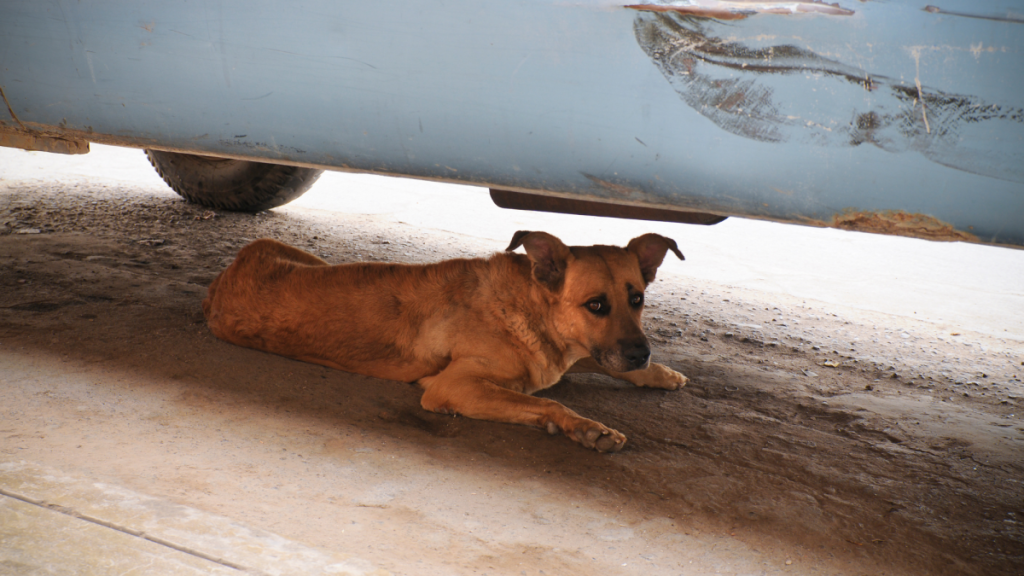
Have you ever come across a stray dog and wondered how you could help? Catching a stray dog can feel tricky and even a little scary.
You want to make sure the dog stays safe, and you do too. But don’t worry—this guide will show you simple, effective steps to catch a stray dog without stress or harm. Whether you want to bring the dog to safety or just keep it from running into danger, you’ll learn how to act calmly and confidently.
Keep reading, and you’ll discover easy tips that anyone can use to help a stray dog in need.
Credit: pethelpful.com
Preparing To Catch A Stray Dog
Catching a stray dog requires more than just quick action; it demands careful preparation. Before you approach the dog, you need to gather the right tools, understand the animal’s behavior, and prioritize your safety. Taking these steps can increase your chances of a successful and safe rescue.
Gathering Necessary Supplies
Start by collecting items that will make the process smoother. Bring a leash or a slip lead, a collar, and some treats or food to lure the dog.
A towel or blanket can help you gently wrap the dog if it’s scared or defensive. Also, carry gloves to protect your hands from potential bites or scratches.
Having a secure carrier or crate ready is important if you plan to transport the dog afterward. Think about what you would need if you were the stray—comfort and safety matter.
Assessing The Dog’s Behavior
Observe the dog from a distance before moving closer. Is it calm, scared, aggressive, or curious? Watch its body language carefully.
If the dog avoids eye contact, crouches, or shows teeth, it may feel threatened. Approach slowly and speak softly to avoid startling it.
Ask yourself: is the dog injured or in immediate danger? This can change how quickly and carefully you need to act. Being patient can help build trust over time.
Ensuring Personal Safety
Your safety comes first. Never rush toward the dog or corner it, as this can provoke defensive behavior.
Keep your body language relaxed and avoid sudden movements. Make sure you have an exit route in case the dog reacts unexpectedly.
Consider asking for help from a friend or animal control if you feel unsure. Would you risk getting hurt, or is it better to wait for professional assistance?

Credit: timesofindia.indiatimes.com
Approaching The Stray Dog
Approach a stray dog slowly and calmly to avoid frightening it. Use gentle tones and offer food to gain its trust. Stay low and avoid sudden movements to make the dog feel safe.
Approaching a stray dog requires patience and care. Stray dogs might be scared or anxious. The right approach can make a big difference. Understanding the dog’s signals helps in gaining trust. Here are some tips to help you succeed.Reading Body Language
Observe the dog’s posture closely. A relaxed body indicates comfort. Raised fur or a stiff tail may signal fear. Notice the position of the ears. Pinned-back ears show anxiety. Pay attention to the dog’s movements. Quick movements might mean the dog is nervous.Using Calm And Slow Movements
Approach with gentle steps. Sudden movements can frighten a stray. Keep your body relaxed and non-threatening. Extend your hand slowly, palm down. This gesture shows you mean no harm. Speak in a calm, soothing voice. It helps in reassuring the dog.Avoiding Direct Eye Contact
Direct eye contact may be seen as a threat. Look slightly away from the dog’s eyes. This shows you are not aggressive. Keep your gaze soft and gentle. Focus on the dog’s body language. This allows the dog to feel safe.Techniques For Safe Capture
Capturing a stray dog requires patience and care. The focus must be on the dog’s safety and comfort. Avoid sudden moves or loud noises. Use gentle and calm actions to build trust. Several techniques can help catch a dog safely.
Using Food As Bait
Food is a powerful tool to attract a stray dog. Choose strong-smelling treats like cooked meat or canned dog food. Place the food in a quiet, visible spot. Step back and wait patiently. Let the dog approach on its own terms. Avoid direct eye contact, which can seem threatening.
Keep more food handy to reward the dog’s approach. Move slowly and talk softly to calm the dog. This method helps build trust over time.
Setting Up A Humane Trap
A humane trap offers a safe way to catch a stray dog without harm. Choose a trap size suitable for the dog’s breed. Line the trap with soft material for comfort. Place food inside to lure the dog in. Check the trap often to avoid stress or injury.
Set the trap in a quiet area where the dog feels safe. Cover the trap with a cloth to reduce anxiety once caught. Always handle the trapped dog gently.
Employing A Leash Or Catch Pole
A leash or catch pole works best with some dog experience. Approach the dog slowly and calmly. Use a leash to gently secure the dog’s neck or body. A catch pole helps keep a safe distance while controlling the dog.
This technique requires caution to avoid hurting the dog. Always move slowly and speak softly. Have someone assist to make the process easier and safer.

Credit: www.youtube.com
Handling The Dog After Capture
After successfully capturing a stray dog, your role shifts to careful and thoughtful handling. This phase is crucial to ensure the dog feels safe and remains unharmed. How you manage these first moments can shape the dog’s response and your ability to provide help effectively.
Calming The Dog
Stray dogs are often scared and confused. Approach slowly and speak softly to avoid triggering fear. Avoid sudden movements that might startle the dog further.
You can try gentle petting if the dog allows it, focusing on areas like the chest or shoulders rather than the head. Offering a treat or some water can also build trust quickly. Have you noticed how patience can turn a wary dog into a calmer companion?
Checking For Injuries
Once the dog seems calmer, carefully check for visible injuries. Look for cuts, swelling, limping, or signs of pain. Don’t ignore subtle signs like unusual behavior or sensitivity when touched.
If you find wounds, avoid touching them directly and keep the dog as still as possible. If the dog resists inspection, try to gently hold them in a secure position or wait until they are more relaxed. How would you prioritize which injuries to address first in a stressful situation?
Transporting Safely
Transporting the dog safely is essential to avoid further injury or stress. Use a sturdy leash or harness rather than a collar alone to maintain control. If the dog is very scared or injured, a pet carrier or a makeshift stretcher might be better.
Keep the dog secure but comfortable during transport. Avoid loud noises and sudden stops if you’re driving. Remember, your calmness can help the dog stay calm too—how can you create a peaceful environment during the trip to the vet or shelter?
Next Steps After Catching
After catching a stray dog, taking the right steps is important for the dog’s safety and well-being. Acting quickly helps protect the dog from harm and finds the best place for care. Knowing what to do next can make a big difference for the dog and the community.
Contacting Animal Services
Contact local animal shelters or animal control offices right away. They can check if the dog has an owner through microchip scanning or lost dog reports. Animal services also provide medical care and safe housing for the dog. Reporting helps reunite pets with their families and reduces stray dog risks.
Finding Temporary Shelter
Provide a safe, quiet place for the dog while waiting for help. Use a crate or a fenced yard to keep the dog secure. Offer fresh water and food in small amounts. Avoid loud noises or sudden movements to reduce stress. Temporary shelter keeps the dog calm and protected from traffic or other dangers.
Planning For Long-term Care
Decide if you can keep the dog or find a new home. Consider the dog’s health, behavior, and your resources. Contact rescue groups or foster networks for support. Prepare for vet visits, vaccinations, and spaying or neutering. Long-term care gives the dog a chance for a happy life.
Preventing Future Stray Situations
Preventing future stray dog situations requires understanding the root causes. It also needs active participation from communities and pet owners. Taking steps now can reduce stray dog numbers later. This effort helps keep dogs safe and neighborhoods peaceful.
Identifying Stray Causes
Many dogs become stray due to loss or abandonment. Some dogs escape from homes that lack proper fences. Others run away from fear or lack of training. Understanding these causes helps create better solutions. It also guides efforts to keep dogs secure.
Community Involvement
Communities play a big role in controlling stray dogs. Neighbors can report strays to local shelters or animal control. Organizing neighborhood watch groups helps spot missing pets fast. Community clean-ups remove hazards that attract stray animals. Education programs teach safe ways to interact with dogs.
Promoting Responsible Pet Ownership
Owners must keep pets safe and healthy at all times. Proper fencing and secure collars prevent escapes. Regular vet visits ensure dogs stay well and identifiable. Spaying and neutering reduce unwanted litters and stray growth. Training pets to obey basic commands lowers risks of running away.
Frequently Asked Questions
How Do I Safely Approach A Stray Dog?
Approach slowly and calmly without direct eye contact. Avoid sudden movements. Speak softly to build trust. Use treats to encourage the dog to come closer. Always prioritize your safety and stay alert to the dog’s behavior.
What Tools Help Catch A Stray Dog Effectively?
Use a leash, a slip lead, or a humane trap. Carry treats or food to lure the dog. A blanket or towel can help safely cover and secure the dog once caught. Patience and gentle handling are key throughout the process.
How Can I Calm A Frightened Stray Dog?
Stay quiet and move slowly to reduce stress. Avoid direct eye contact, which may scare the dog. Offer food and speak in a soothing tone. Give the dog space and time to feel safe before attempting to catch it.
Where Should I Take A Stray Dog After Catching It?
Take the dog to a local animal shelter or veterinary clinic. They can check the dog for identification tags or microchips. Shelters also provide care and help find the dog’s owner or a new home.
Conclusion
Catching a stray dog takes patience and care. Approach slowly and stay calm. Use food to gain trust and keep the dog comfortable. Avoid sudden moves or loud noises. Safety matters for you and the dog. Once caught, check for tags or take it to a vet.
Helping a stray dog can save its life. Small steps make a big difference. Keep trying, and don’t give up. Every effort counts in giving the dog a better chance.

Emily Barker is the founder of ChillDogLife.com, a space dedicated to helping pup parents discover the best dog products, lifestyle tips, and cozy ideas for happier homes.
A lifelong dog lover, Emily combines her passion for pets with a knack for research to share trusted recommendations on everything from toys and furniture to health and everyday care.
Her goal is simple: to make life easier, stylish, and more joyful for dogs and the people who love them.




