
Bringing a rescue dog into your home is a wonderful experience filled with love and new beginnings. But if your new furry friend isn’t housebroken yet, you might feel overwhelmed or unsure where to start.
You’re not alone, and with the right approach, housebreaking your rescue dog can become a smooth and rewarding process. This guide will walk you through simple, practical steps that fit your dog’s unique needs. Keep reading to discover how you can create a happy, clean home while building a strong bond with your rescue dog.
Assessing Your Rescue Dog’s Needs
Understanding your rescue dog’s unique needs is key before starting the housebreaking process. Each dog arrives with its own history and challenges. Taking time to assess these factors helps you create a realistic and effective training plan.
Evaluating Age And Background
Your dog’s age greatly affects how you approach housebreaking. Puppies usually learn faster but need more frequent bathroom breaks. Older dogs might require patience and gentle encouragement, especially if they’ve never been fully house-trained.
Knowing your dog’s background can reveal habits and fears that impact training. A dog from a shelter might be stressed or confused. Asking the rescue organization about their past environment gives you clues on what to expect and how to adapt.
Identifying Previous Training
Did your rescue dog have any prior training? Some dogs come with basic commands or partial housebreaking, while others have none. This information helps you decide where to start and what to reinforce.
If you’re unsure about their training, observe their behavior closely. Notice if they signal when they need to go out or if they understand simple commands like “sit” or “stay.” These signs show whether you can build on existing knowledge or begin from scratch.
Recognizing Health Issues
Health problems can interfere with housebreaking success. Conditions like urinary infections, digestive issues, or mobility challenges might cause accidents indoors. Checking your dog with a vet ensures you’re not blaming behavior for medical causes.
Sometimes, subtle signs like frequent licking or restlessness indicate discomfort. Addressing health concerns first makes training smoother and prevents frustration for both you and your dog.
Credit: www.petco.com
Setting Up A Consistent Routine
Establish a daily schedule for feeding, walks, and bathroom breaks to help your rescue dog learn quickly. Consistency builds trust and reduces accidents indoors. Keep routines simple and predictable for better results.
Setting up a consistent routine is key to successfully housebreaking a rescue dog. This routine provides your dog with structure and predictability, which can significantly reduce anxiety and confusion. A well-established routine not only helps in housebreaking but also strengthens your bond with your new furry friend.Establishing Feeding Times
Feeding your dog at the same times every day helps regulate their bathroom schedule. Consistency in mealtimes means your dog will need to go to the bathroom at predictable times. Use this to your advantage by scheduling feeding times that align with your ability to let them out shortly after eating.Scheduling Regular Potty Breaks
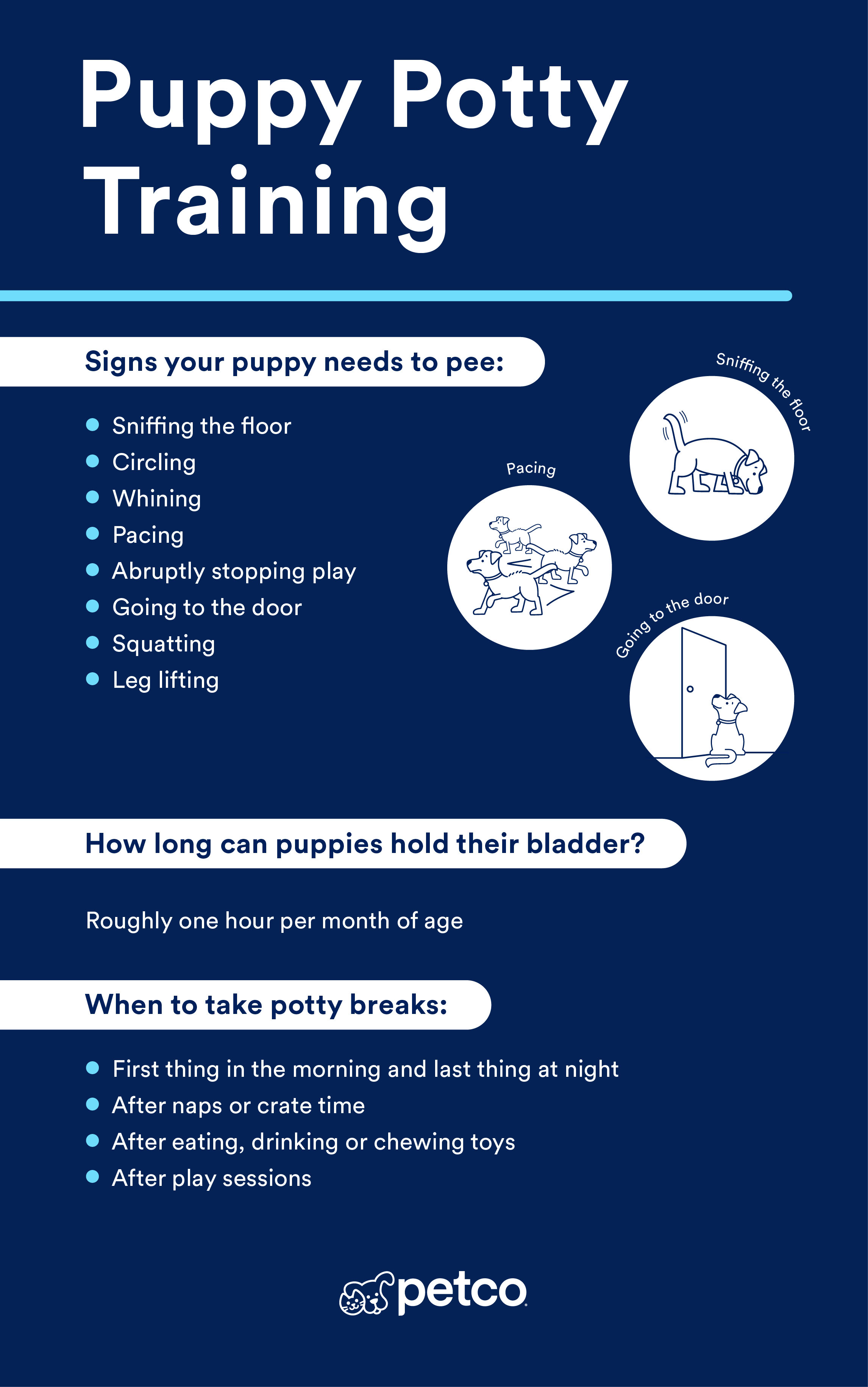
Regular potty breaks are essential. Take your dog outside first thing in the morning, after meals, and before bed. Observing their behavior can also help identify when they might need an unscheduled break—watch for signs like sniffing or circling.Creating A Safe Space
A designated safe space can provide comfort and security for your rescue dog. This could be a cozy corner with their bed and a few toys. Having a consistent spot they can retreat to ensures they feel at home and aids in reducing stress, making the housebreaking process smoother. Have you ever noticed how a structured routine can change your pet’s behavior? By setting a routine, you’re not just teaching them where and when to go; you’re building trust and understanding. Your commitment to this routine can make all the difference.Choosing The Right Training Tools
Choosing the right training tools plays a big role in housebreaking a rescue dog. The right equipment helps your dog feel safe and supports good habits. Tools make training easier and more effective. They create a clear routine that your dog can follow without stress.
Each dog is different. Some tools work better for certain dogs. Understanding how to use crates, leashes, and positive reinforcement can speed up the training process. These tools build trust and encourage your dog to learn quickly.
Using Crates Effectively
Crates provide a safe space for your rescue dog. Dogs naturally avoid soiling their sleeping area. Use a crate that fits your dog comfortably, allowing it to stand and turn around. Keep the crate near family activity to reduce anxiety.
Start by placing treats and toys inside the crate. Let your dog enter and exit freely at first. Gradually increase the time your dog spends inside. Never use the crate as punishment. This helps your dog see the crate as a positive place.
Selecting Leashes And Harnesses
A good leash and harness give control without causing discomfort. Choose a harness that fits snugly but does not pinch. Harnesses reduce pulling and protect the dog’s neck. Leashes should be strong and lightweight for easy handling.
Use a standard 4 to 6-foot leash for training walks. Avoid retractable leashes during housebreaking. They can encourage pulling and reduce your control. A secure harness and leash setup keeps your dog close and safe during outdoor potty breaks.
Employing Positive Reinforcement
Positive reinforcement encourages good behavior with rewards. Use treats, praise, and petting to reward your dog after potty success. Rewards build a strong connection between the behavior and the reward.
Keep treats small and easy to chew. Reward immediately after your dog finishes outside. Consistent praise helps your dog understand what you want. Avoid punishment for accidents; it can cause fear and confusion.

Credit: www.trustedhousesitters.com
Implementing Housebreaking Techniques
Implementing housebreaking techniques requires patience and consistency. Rescue dogs often need clear guidance to understand where to go. Creating a routine helps your dog learn faster. Focus on positive actions and stay calm during accidents. This approach builds trust and good habits.
Monitoring Behavior Closely
Watch your dog for signs of needing to go out. Sniffing, circling, or whining often means they need a bathroom break. Take your dog outside immediately when you see these signs. Keep a close eye especially after meals or naps. Consistent monitoring helps prevent accidents and reinforces good habits.
Rewarding Desired Actions
Give treats and praise right after your dog goes outside. This shows your dog which actions are correct. Use small, tasty treats that your dog enjoys. Praise with a happy voice and gentle petting. Rewards encourage your dog to repeat the good behavior.
Handling Accidents Calmly
Stay calm if your dog has an accident indoors. Do not yell or punish your dog. Clean the area thoroughly to remove odors. This prevents your dog from returning to the same spot. Use accidents as learning moments, not reasons for anger.
Building Trust And Patience
Building trust and patience is the foundation of housebreaking a rescue dog. Rescue dogs may have faced difficult times, making trust a vital part of their training journey. Patience helps your dog feel safe and ready to learn at its own pace.
Every dog reacts differently. Taking time to understand your dog’s feelings creates a strong bond. This bond encourages your dog to listen and follow house rules more easily.
Understanding Dog Anxiety
Rescue dogs often carry anxiety from past experiences. This can cause accidents inside the house or fear of new surroundings. Recognizing signs like trembling, hiding, or barking helps you respond with care.
Calm and gentle actions reduce anxiety. Create a quiet space for your dog to relax. Use soft voices and avoid sudden movements. These steps make your dog feel secure and open to learning.
Avoiding Punishment
Punishing a rescue dog can damage trust. It may increase fear and confusion. Instead, focus on positive rewards like treats and praise. Celebrate small successes to encourage good behavior.
Ignore mistakes calmly. Redirect your dog to the right behavior without anger. This approach builds confidence and makes training more effective.
Encouraging Consistent Interaction
Regular, gentle interaction helps build trust. Spend quiet time with your dog every day. Play, pet, or simply sit near your dog to show care.
- Use consistent commands and routines.
- Keep training sessions short and positive.
- Show patience during setbacks.
Consistency makes your dog feel safe and clear about what to expect. This leads to better housebreaking progress.
Troubleshooting Common Challenges
Troubleshooting common challenges is a crucial part of housebreaking a rescue dog. Even with the best training plans, unexpected behaviors can arise. Understanding these issues and how to address them will keep you and your dog moving forward with confidence.
Dealing With Regression
Regression happens when your dog suddenly starts having accidents after making progress. This can be frustrating, but it’s often a sign of stress, illness, or change in routine.
Check if there have been any recent changes at home, like visitors or new schedules. Keep a consistent bathroom routine and increase your supervision during this time.
Remember, patience is key. Dogs don’t regress out of spite—they need your steady support to get back on track.
Addressing Marking Behavior
Marking is different from normal accidents; it’s a way for dogs to claim territory, especially males.
To reduce marking, neutering can help, but training and supervision are just as important. When you catch your dog marking, interrupt gently and take them outside immediately.
Clean marked areas thoroughly with enzymatic cleaners to remove odors that encourage repeat marking. Offering plenty of outdoor bathroom breaks also redirects this behavior.
Managing Fear Or Stress
Fear or stress can cause your rescue dog to have accidents inside. Loud noises, unfamiliar places, or separation anxiety might trigger these reactions.
Observe your dog’s body language to identify stress signals like trembling or pacing. Create a calm environment with a safe space for your dog to retreat to when feeling overwhelmed.
Using positive reinforcement to reward calm behavior helps build confidence. Have you noticed specific triggers causing your dog’s accidents? Tackling those directly can make a big difference.
When To Seek Professional Help
Knowing when to seek professional help during housebreaking can save you and your rescue dog a lot of frustration. Sometimes, despite your best efforts, progress stalls or new challenges arise that require expert guidance. Recognizing these moments early ensures your dog gets the support needed to succeed.
Recognizing Training Plateaus
Have you noticed your rescue dog suddenly stops improving in housebreaking despite consistent efforts? This plateau can mean your current approach isn’t working as well as it used to. Signs include repeated accidents, anxiety around bathroom times, or confusion about commands.
When progress halts for several weeks, it’s a good moment to consider outside help. Professionals can identify subtle issues you might miss, such as underlying behavioral triggers or inconsistent signals you may unknowingly give. Don’t wait until frustration builds—early intervention helps maintain your dog’s confidence and your motivation.
Choosing A Trainer Or Behaviorist
Not all trainers are the same, especially when working with rescue dogs who may have unique fears or past traumas. Look for someone experienced with rescue or shelter dogs who uses positive reinforcement methods. Avoid trainers who rely on punishment or dominance-based techniques.
Ask about their approach to housebreaking and request references from other rescue owners. A good trainer will tailor their plan to your dog’s personality and your household routine. Remember, your comfort with their style is just as important as their credentials.
Incorporating Veterinary Advice
Sometimes accidents aren’t about behavior but health. Urinary tract infections, gastrointestinal issues, or other medical problems can cause your dog to have accidents. A vet checkup can rule out these causes or reveal conditions that need treatment.
Discuss your dog’s housebreaking challenges with your veterinarian, especially if accidents start suddenly or increase in frequency. They might suggest tests or treatments that can improve your dog’s comfort and ability to learn. Combining veterinary advice with training creates a stronger path to success.

Credit: wagabonding.com
Frequently Asked Questions
How Long Does It Take To Housebreak A Rescue Dog?
Housebreaking a rescue dog typically takes 4 to 8 weeks. Consistency, patience, and positive reinforcement are key. Each dog adapts differently based on past experiences and training.
What Are The Best Methods To Housebreak A Rescue Dog?
Use crate training, regular potty breaks, and reward good behavior. Create a consistent schedule and supervise your dog closely. Positive reinforcement helps build trust and good habits.
How Can I Handle Accidents During Housebreaking?
Clean accidents immediately with enzyme cleaners to remove odors. Avoid punishment, as it causes fear and confusion. Redirect your dog to the proper potty spot and reward successes promptly.
Should I Use Crate Training For A Rescue Dog?
Yes, crate training is effective for housebreaking. It provides a safe space and helps dogs learn bladder control. Ensure the crate is comfortable and never use it for punishment.
Conclusion
Housebreaking a rescue dog takes time and patience. Consistency helps your dog learn good habits. Praise and gentle corrections guide them well. Expect some accidents; it’s part of learning. Build trust with kindness and clear routines. Soon, your dog will understand the house rules.
Enjoy the bond you create together. Every step brings you closer to success. Keep calm, stay positive, and be patient. Your rescue dog will feel safe and happy.

Emily Barker is the founder of ChillDogLife.com, a space dedicated to helping pup parents discover the best dog products, lifestyle tips, and cozy ideas for happier homes.
A lifelong dog lover, Emily combines her passion for pets with a knack for research to share trusted recommendations on everything from toys and furniture to health and everyday care.
Her goal is simple: to make life easier, stylish, and more joyful for dogs and the people who love them.




