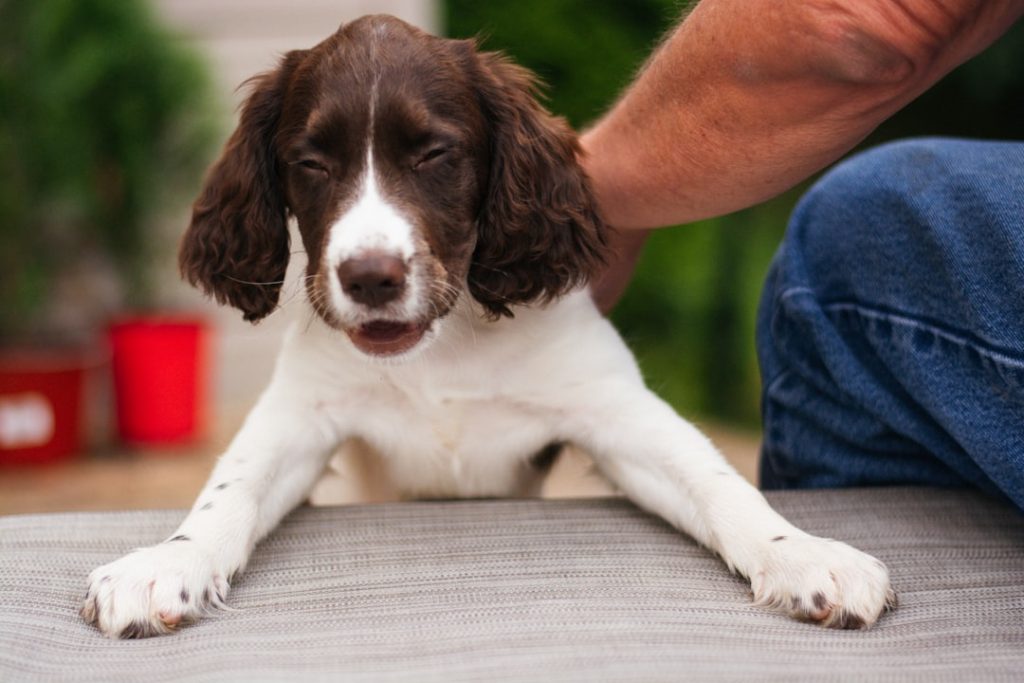
Are you passionate about dogs and love making them look their best? Becoming a dog groomer could be the perfect way to turn your passion into a rewarding career.
Imagine spending your days helping furry friends feel clean, comfortable, and happy—while earning money doing what you enjoy. But how do you get started? What skills do you need, and where can you learn them? You’ll discover clear, simple steps to become a skilled dog groomer and build a career you’ll love.
Keep reading, and take the first step toward a job that truly suits you.

Credit: online-learning-college.com
Career Pathways In Dog Grooming
Dog grooming is a growing field with many career options. You can work in salons, mobile units, or pet stores.
Learning about the job roles and skills helps you find the right path. It also prepares you for success in this career.
Job Roles And Opportunities
Dog groomers have different roles depending on their workplace and skills. Some work directly with pets, while others manage grooming businesses.
- Pet Groomer: Cuts, baths, and styles dogs.
- Mobile Groomer: Travels to clients’ homes to groom dogs.
- Salon Manager: Oversees daily operations in a grooming salon.
- Grooming Instructor: Teaches new groomers in schools or workshops.
- Pet Care Assistant: Supports groomers and helps with animal care.
Required Skills And Qualities
Good dog groomers need both skills and personal qualities. These help them work well with animals and clients.
| Skill or Quality | Description |
| Animal Handling | Comfortable and gentle with dogs of all sizes. |
| Attention to Detail | Careful grooming to meet customer requests. |
| Patience | Calm when dogs are nervous or restless. |
| Physical Stamina | Ability to stand and work for long hours. |
| Communication | Clear and friendly with pet owners. |
| Time Management | Complete grooming tasks efficiently and on time. |

Credit: www.training.com.au
Essential Dog Grooming Techniques
Dog grooming is important for a pet’s health and happiness. Learning basic techniques helps keep dogs clean and comfortable.
This guide covers key skills every dog groomer should know. These include bathing, clipping, and brushing.
Bathing And Drying
Bathing removes dirt and loose hair from a dog’s coat. Use lukewarm water and a gentle shampoo made for dogs.
After washing, dry the dog carefully. Towels work well, but a low-heat blow dryer can speed up drying.
- Brush the coat before bathing to remove mats
- Protect the dog’s ears from water
- Rinse shampoo thoroughly to avoid irritation
- Dry ears and paws carefully to prevent infection
Clipping And Trimming
Clipping helps keep a dog’s coat neat and healthy. Use clippers with the right blade size for the coat type.
Trim hair around the eyes, paws, and sanitary areas for hygiene and comfort. Always work gently and slowly.
- Choose clipper blades based on hair thickness
- Trim nails carefully to avoid cutting quicks
- Use scissors for delicate trimming near sensitive areas
- Check for skin irritation during clipping
Brushing And Dematting
Brushing removes loose hair and prevents tangles. Use the right brush for the dog’s coat type.
Dematting is important for dogs with thick or curly fur. Gently work through mats to avoid hurting the dog.
- Start brushing from the head and move toward the tail
- Use a dematting comb for stubborn knots
- Brush regularly to keep the coat healthy
- Stop if the dog shows signs of pain or stress
Training And Certification Options
Becoming a dog groomer requires proper training and certification. These help you learn essential skills and gain trust from clients.
There are various ways to get trained and certified. This guide covers key options to start your career in dog grooming.
Choosing A Grooming School
Pick a grooming school that offers hands-on training and good reviews. Look for schools with experienced instructors and modern tools.
- Check curriculum for breed styling and safety practices
- Visit the school to see training facilities
- Ask about job placement or internship opportunities
- Compare tuition fees and course length
- Read student testimonials and success stories
Online Vs In-person Courses
Online courses offer flexibility and lower costs. They work well for theory but lack hands-on practice.
In-person courses provide direct grooming practice. You get immediate feedback from instructors and learn real-time skills.
| Feature | Online Courses | In-Person Courses |
| Cost | Usually lower | Usually higher |
| Flexibility | High, learn anytime | Fixed schedule |
| Hands-on Practice | Limited or none | Extensive and guided |
| Instructor Support | Mostly virtual | Face-to-face |
| Networking | Limited | Better opportunities |
Certification Bodies
Certification proves your skills and professionalism. Different bodies offer recognized certificates for dog groomers.
- National Dog Groomers Association of America (NDGAA)
- International Professional Groomers Inc. (IPG)
- American Professional Pet Groomers Association (APPGA)
- International Grooming Association (IGA)
- Professional Pet Groomers Inc. (PPG)
Each group has its own exam and requirements. Check their websites for details and choose one that fits your career goals.

Credit: petstylistacademy.com.au
Setting Up Your Grooming Business
Starting a dog grooming business takes planning and care. You need to decide where you will work and what you need.
It is important to follow rules and have the right tools to keep pets safe and happy.
Home-based Vs Commercial Setup
You can groom dogs at home or rent a commercial space. Each option has good and bad points.
Home-based setups cost less but need space and quiet. Commercial spaces are more visible and bigger but cost more.
- Home-Based: lower rent, flexible hours
- Home-Based: limited space, noise concerns
- Commercial: more customers, professional look
- Commercial: higher rent, more rules
Equipment And Supplies
You need special tools to groom dogs well. Good equipment helps you work safely and fast.
Basic supplies include clippers, brushes, and shampoos. Clean and sharp tools make dogs comfortable.
- Clippers and blades
- Brushes and combs
- Grooming table with non-slip surface
- Shampoos and conditioners
- Towels and dryers
- Nail clippers and files
- Cleaning and disinfecting products
Licensing And Insurance
You must follow local laws to run your business legally. Licensing shows you meet health and safety rules.
Insurance protects you and the pets in case of accidents. It is smart to get liability insurance.
- Check local government for required licenses
- Apply for a business license if needed
- Get liability insurance for accidents or damage
- Consider property insurance for your equipment
- Renew licenses and insurance on time
Building Clientele And Marketing
Growing your dog grooming business depends on finding and keeping clients. Marketing helps you reach pet owners who need your services.
Effective marketing builds trust and shows your skills. Use different ways to connect with customers and pet professionals.
Social Media Strategies
Social media helps you show your work and attract new clients. Post photos of happy dogs and grooming results.
- Share before and after pictures
- Post grooming tips and advice
- Use local pet groups to advertise
- Reply quickly to messages and comments
- Run small contests to engage followers
Networking With Pet Professionals
Meeting other pet workers helps you get referrals. Vets, trainers, and pet store owners can send clients your way.
| Professional | How to Connect | Benefit |
|---|---|---|
| Veterinarians | Attend local pet health events | Trusted referrals |
| Dog Trainers | Join training classes and workshops | Clients needing grooming after training |
| Pet Store Owners | Offer flyers or leave business cards | New client leads |
Offering Promotions And Packages
Special deals attract first-time clients and keep regulars coming back. Create offers that add value and save money.
- Discount for new clients
- Package deals for multiple sessions
- Referral rewards for bringing friends
- Seasonal promotions for holidays
- Free add-ons like nail trimming
Handling Challenges In Grooming
Becoming a dog groomer involves many challenges. You need patience and skill to handle them. Understanding these challenges can make your job easier.
Each dog is unique, and their grooming needs vary. You must adapt to different situations and handle difficult tasks effectively.
Dealing With Difficult Dogs
Some dogs are nervous or aggressive during grooming. Understanding their behavior helps you manage them better. Calm, gentle handling is key.
Use positive reinforcement to ease their anxiety. Treats and soothing words can help calm a stressed dog.
- Speak softly to the dog
- Offer treats as rewards
- Take breaks if the dog is too stressed
Managing Health And Safety
Health and safety are crucial in dog grooming. Always check for any signs of illness in the dog. This ensures the safety of both the dog and yourself.
Use clean and sanitized tools to prevent infections. Wear protective gear to avoid bites and scratches.
- Inspect tools regularly
- Wear gloves when necessary
- Keep the grooming area clean
Time Management Tips
Effective time management is important for a dog groomer. Plan your schedule to balance time between appointments and breaks.
Prioritize tasks based on urgency and complexity. This ensures you give each dog the attention they need without rushing.
- Set realistic appointment times
- Use a checklist to stay organized
- Allow buffer time between appointments
Advancing Your Grooming Career
Becoming a dog groomer is a great way to work with animals. To advance in this career, focus on improving your skills and gaining more knowledge.
There are several ways you can enhance your grooming career. Specializing in certain areas can make you stand out.
Specializing In Breeds Or Styles
Specializing in specific dog breeds or grooming styles can set you apart. Learn the unique needs of different breeds.
Some styles require special techniques. Master these to attract more clients.
- Focus on small breeds like poodles
- Learn popular styles like the teddy bear cut
- Offer unique services like creative grooming
Continuing Education
Stay updated with new grooming techniques and tools. Attend workshops and training sessions to learn more.
Continuing education helps you provide better services. It also keeps your skills fresh and current.
- Enroll in online grooming courses
- Attend local grooming seminars
- Read industry magazines
Joining Professional Associations
Joining professional grooming associations can benefit your career. They offer support, resources, and networking opportunities.
These associations often provide certifications. This adds credibility to your skills and services.
- Join the National Dog Groomers Association of America
- Participate in association events
- Connect with other grooming professionals
Frequently Asked Questions
What Qualifications Do I Need To Become A Dog Groomer?
Most dog groomers need a high school diploma and specialized grooming training. Certification from recognized programs boosts credibility and job prospects.
How Long Does Dog Grooming Training Typically Take?
Training usually lasts from a few weeks to several months. Hands-on experience and apprenticeships often complement formal courses.
What Skills Are Essential For A Successful Dog Groomer?
Key skills include patience, attention to detail, animal handling, and good communication. Physical stamina and creativity also help in grooming tasks.
Can I Become A Dog Groomer Without Formal Education?
Yes, many groomers learn through apprenticeships or on-the-job training. However, certification improves trust and career opportunities.
Conclusion
Becoming a dog groomer takes patience and practice. Start by learning basic grooming skills and caring for pets. Find a good training program or apprentice with an experienced groomer. Build your confidence by working with different dog breeds. Always put the animals’ safety and comfort first.
With hard work and passion, you can enjoy a rewarding career. Remember, every expert was once a beginner. Keep learning and stay dedicated to your craft. Your love for dogs will guide you to success.

Emily Barker is the founder of ChillDogLife.com, a space dedicated to helping pup parents discover the best dog products, lifestyle tips, and cozy ideas for happier homes.
A lifelong dog lover, Emily combines her passion for pets with a knack for research to share trusted recommendations on everything from toys and furniture to health and everyday care.
Her goal is simple: to make life easier, stylish, and more joyful for dogs and the people who love them.




