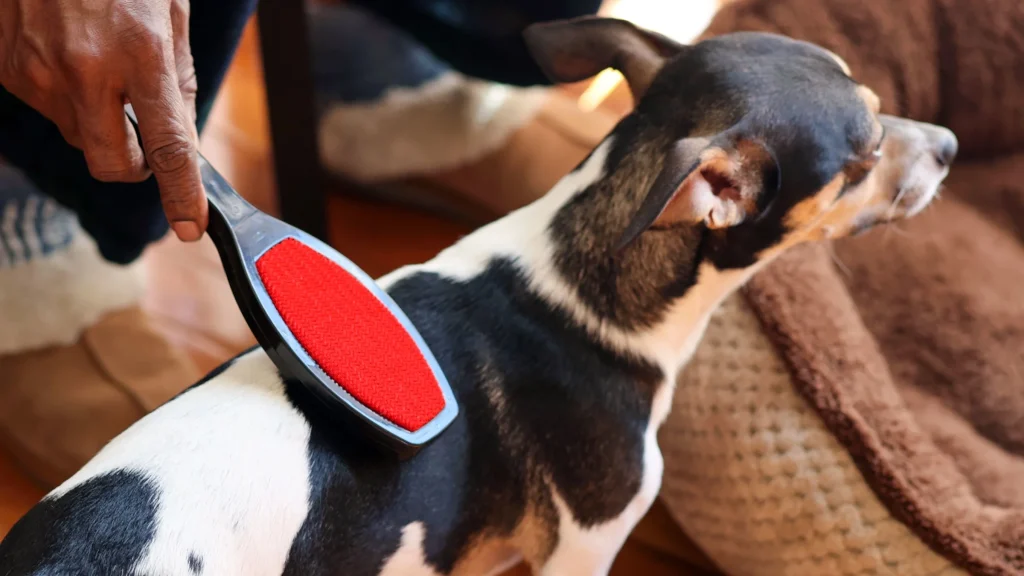
How often do you groom your dog? If you’ve ever wondered whether your furry friend needs a quick brush or a full grooming session, you’re not alone.
Grooming isn’t just about keeping your dog looking good—it’s key to their health and happiness. But how do you know when it’s time? You’ll discover the simple signs that tell you when your dog needs grooming and practical tips to keep your pet feeling fresh and comfortable.
Keep reading to learn the secrets to perfect timing for your dog’s grooming routine.
Grooming Basics
Grooming your dog keeps them clean and healthy. It helps avoid skin problems and keeps their coat shiny.
Regular grooming also lets you check for any signs of illness or discomfort early on.
Why Grooming Matters
Grooming is not just about looks. It helps your dog feel good and stay healthy. Clean fur prevents mats and tangles. Brushing spreads natural oils across their coat.
- Reduces shedding and hairballs
- Prevents infections by cleaning skin and ears
- Allows early detection of lumps or parasites
- Keeps nails trimmed to avoid pain
- Strengthens the bond between you and your dog
Signs Your Dog Needs Grooming
Knowing when your dog needs grooming helps you keep them healthy. Watch for these signs to schedule a grooming session.
| Sign | What to Check | Why It Matters |
| Mattes or Tangles | Coat feels rough or clumpy | Can cause pain and skin issues |
| Dirty or Smelly Fur | Fur looks greasy or smells bad | May indicate infection or dirt buildup |
| Long Nails | Nails click on the floor or curl | Can hurt paws and affect walking |
| Red or Itchy Skin | Scratching or licking a lot | Possible allergies or parasites |
| Eye or Ear Discharge | Wetness or odor around eyes or ears | Needs cleaning to avoid infections |
Factors Influencing Grooming Frequency
Grooming a dog helps keep it clean and healthy. The frequency depends on several important factors. Knowing these can help you set a good grooming routine.
Each dog is different. Their breed, age, and lifestyle all play a role in how often they need grooming. Let’s look at these factors one by one.
Breed And Coat Type
Different breeds have different coats. Some have short hair, while others have long or curly fur. This affects how often they need grooming.
- Short-haired breeds usually need less grooming.
- Long-haired breeds require brushing several times a week.
- Curly or thick coats often need professional grooming every few weeks.
- Double-coated breeds shed more and need regular brushing.
Age And Health
Puppies and older dogs need special care. Their skin and coat can be more sensitive. Health problems can also change grooming needs.
| Age | Grooming Needs |
| Puppies | Gentle grooming, avoid harsh products |
| Adult Dogs | Regular grooming based on coat type |
| Senior Dogs | Frequent checks for skin issues, gentle brushing |
| Dogs with Health Issues | Follow vet advice, may need extra care |
Lifestyle And Activity Level
Active dogs that spend time outdoors get dirtier. They may need more baths and brushing. Calm indoor dogs stay cleaner longer.
Consider these lifestyle factors that affect grooming:
- Outdoor playtime frequency
- Exposure to mud, dust, and water
- Participation in dog sports or shows
- Time spent with other pets
Daily Grooming Tasks
Grooming your dog every day helps keep them clean and healthy. Simple daily tasks can prevent problems and keep your dog comfortable.
Focus on brushing, checking ears and eyes, and cleaning teeth. These small efforts make a big difference in your dog’s well-being.
Brushing Techniques
Brushing your dog’s coat daily removes dirt and loose hair. It also spreads natural oils, keeping the coat shiny and smooth.
- Use a brush suitable for your dog’s fur type.
- Brush gently to avoid hurting the skin.
- Start from the head and move toward the tail.
- Pay attention to areas where mats form easily, like behind ears.
- Brush the legs and belly carefully to reach all spots.
Checking Ears And Eyes
Daily checks of your dog’s ears and eyes help spot infections early. Clean areas if you see dirt or discharge.
| Area | What to Look For | Care Tips |
| Ears | Redness, odor, wax buildup | Wipe with a damp cloth; avoid deep cleaning |
| Eyes | Redness, discharge, cloudiness | Use a soft cloth to clean gently |
Teeth Cleaning Tips
Cleaning your dog’s teeth daily helps prevent bad breath and gum disease. Use dog-safe toothpaste and a soft toothbrush.
- Choose a toothbrush made for dogs.
- Apply a small amount of dog toothpaste.
- Brush in small circles along the gum line.
- Focus on the outer teeth where plaque builds up most.
- Offer a treat after brushing to make it positive.
Credit: www.primpedpooches.com
Weekly Grooming Schedule
Grooming your dog every week helps keep them clean and healthy. A regular routine stops mats, dirt, and nail problems. It also makes your dog feel good.
Here is a simple weekly grooming plan. Follow it to keep your dog looking and feeling great.
Bathing Your Dog
Give your dog a bath once a week or as needed. Use a mild dog shampoo. Make sure the water is warm but not hot. Rinse well to remove all soap.
- Brush your dog before bathing to remove loose hair.
- Wet the coat thoroughly with water.
- Apply shampoo and massage gently.
- Rinse completely to avoid skin irritation.
- Dry your dog with a towel or low heat dryer.
Nail Trimming Guide
Trim your dog’s nails every week to keep them short and healthy. Long nails can cause pain and affect walking. Use sharp dog nail clippers and be careful not to cut the quick.
| Tool | Purpose |
| Dog nail clippers | Trim nails safely |
| Styptic powder | Stop bleeding if clipped too short |
| File or grinder | Smooth rough edges after trimming |
Coat Care And Detangling
Brush your dog’s coat every week to remove tangles and dirt. This keeps the fur healthy and shiny. Use the right brush for your dog’s coat type.
Try this simple brushing routine:
- Start with the face and head.
- Brush down the neck and back.
- Work on the sides and belly.
- Finish with the tail and legs.
- Use a detangler spray for mats.
Monthly Grooming Routine
Grooming your dog regularly helps keep them clean and healthy. A monthly routine is a good way to stay on top of their care.
This routine includes brushing, bathing, ear cleaning, and dental care. Each part plays a role in your dog’s well-being.
Professional Grooming Benefits
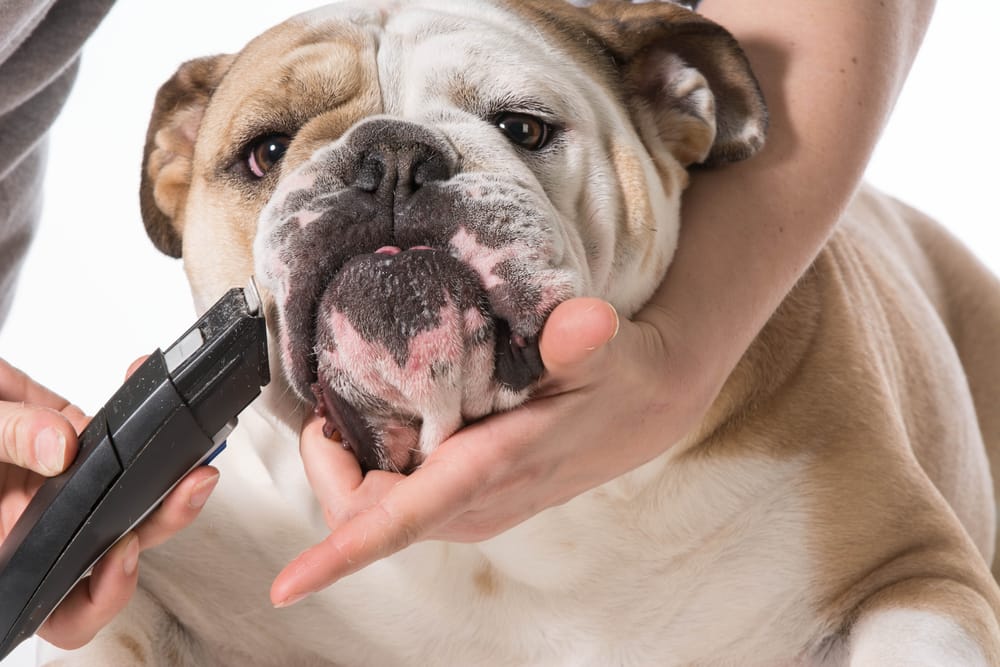
Professional groomers have tools and skills to clean your dog well. They can handle tricky areas and coat types.
They spot skin problems early and trim nails safely. Regular visits keep your dog comfortable and looking good.
Ear Cleaning Deep Dive
Cleaning your dog’s ears prevents infections and bad smells. Use a vet-approved cleaner and cotton balls.
Check ears monthly for redness, dirt, or odor. Gently wipe the outer ear, avoiding deep inside the ear canal.
- Look for signs of irritation or wax buildup
- Use soft materials to avoid hurting the ear
- Contact a vet if you see swelling or discharge
Dental Care Maintenance
Dental care keeps your dog’s teeth strong and breath fresh. Brush your dog’s teeth at least once a month.
Use dog-safe toothpaste and a soft toothbrush. Dental chews and toys also help reduce plaque and tartar.
- Brush teeth in gentle circular motions
- Offer dental treats to support clean teeth
- Watch for signs of gum disease like redness

Credit: tryfurgo.com
Special Considerations
Grooming a dog requires attention to their unique needs. Puppies, senior dogs, and those with skin conditions need special care.
Understanding these needs helps keep your dog comfortable and healthy during grooming sessions.
Grooming Puppies
Puppies have delicate skin and need gentle grooming. Start grooming early to get them used to the process.
- Use a soft brush to avoid irritation
- Keep sessions short to prevent stress
- Introduce grooming tools gradually
Grooming Senior Dogs
Senior dogs may have arthritis or other health issues. Grooming should be gentle to avoid discomfort.
Handling Skin Conditions
Dogs with skin conditions need special shampoos and treatments. Consult a vet for advice on the best products.
| Condition | Recommended Care |
| Dry Skin | Moisturizing shampoo |
| Allergies | Hypoallergenic shampoo |
| Hot Spots | Antibacterial treatment |
Tools And Products
Grooming your dog keeps their coat healthy and clean. Using the right tools and products makes grooming easier. It also helps avoid skin problems and discomfort.
Different dogs need different brushes and shampoos. Knowing which supplies to use is key for good care. Here are some important grooming essentials to consider.
Choosing The Right Brushes
Select brushes based on your dog’s coat type. Short hair needs a different brush than long hair. Using the right brush removes loose fur and dirt gently.
- Bristle brushes work well for short, smooth coats.
- Slicker brushes help with tangles in medium to long fur.
- Pin brushes are good for thick or curly coats.
- Undercoat rakes remove dead hair from dense coats.
- Comb tools help with delicate areas like the face.
Safe Shampoos And Conditioners
Choose shampoos made for dogs, not humans. Dog shampoos have balanced pH to protect skin. Conditioners can keep fur soft and reduce knots.
| Product Type | Purpose | Recommended For |
| Hypoallergenic Shampoo | Gentle cleaning for sensitive skin | Dogs with allergies or irritation |
| Oatmeal Shampoo | Soothes itchy, dry skin | Dogs with dry or flaky skin |
| Conditioner | Softens fur and detangles | Long or curly coats |
| Medicated Shampoo | Treats skin infections or parasites | Dogs with skin problems |
Essential Grooming Supplies
Besides brushes and shampoos, other tools help with grooming. These items make the process safer and more comfortable for your dog.
- Nail clippers or grinders keep nails trimmed.
- Ear cleaning solution helps prevent infections.
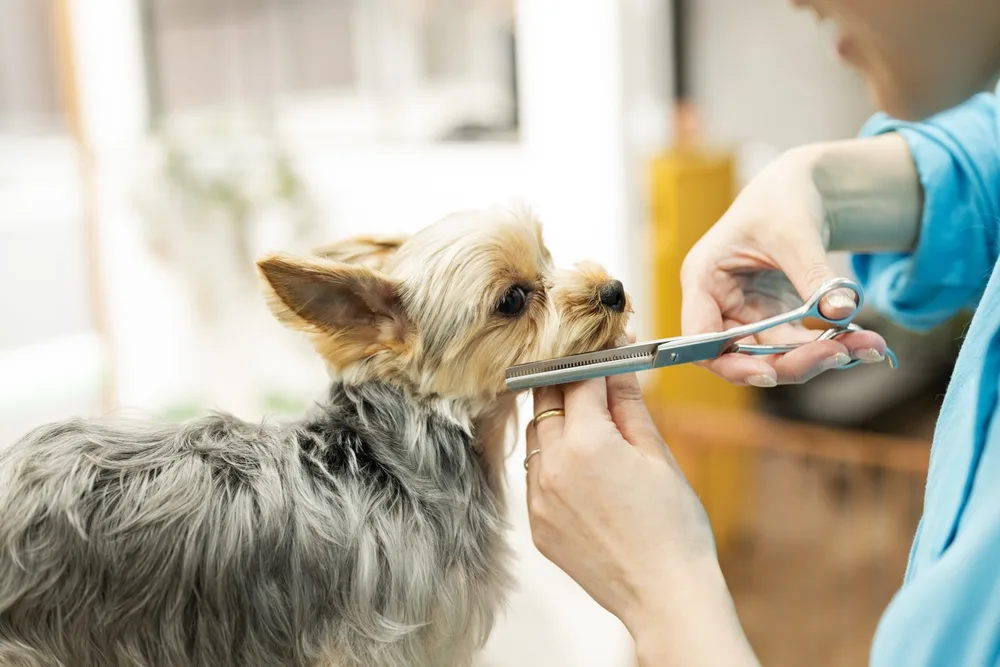
- Grooming scissors trim hair around eyes and paws.
- Towels and blow dryers dry your dog after baths.
- Toothbrushes and toothpaste maintain oral health.
Credit: www.primpedpooches.com
Common Grooming Mistakes
Grooming your dog is essential for their health and happiness. But, mistakes can lead to problems.
Understanding common grooming errors helps you avoid them. This ensures your pet stays comfortable and healthy.
Overgrooming Risks
Overgrooming can harm your dog’s skin and coat. It may cause irritation and hair loss.
- Increased skin sensitivity
- Loss of natural oils
- Potential for skin infections
Ignoring Warning Signs
Pay attention to signs your dog gives during grooming. Ignoring these can lead to stress and discomfort.
Signs to Watch For:
- Whining or yelping
- Excessive licking or scratching
- Trying to escape or hide
Improper Tool Usage
Using the wrong tools can damage your dog’s fur and skin. Choose the right grooming tools for your pet’s needs.
| Tool | Purpose |
| Slicker Brush | Removes mats and tangles |
| Nail Clippers | Trims nails safely |
| Comb | Detangles and smooths fur |
Creating A Grooming Routine
Keeping your dog clean and healthy needs a regular grooming schedule. Grooming helps prevent skin problems and keeps your dog comfortable.
Building a grooming routine fits your dog’s needs and your daily life. This guide covers how to set a schedule, make grooming fun, and track your dog’s care.
Setting A Schedule
Set a grooming schedule based on your dog’s breed, coat type, and activity level. Some dogs need weekly brushing, while others require less.
- Brush your dog’s coat regularly to remove dirt and loose hair.
- Trim nails every two to four weeks to avoid discomfort.
- Clean ears weekly to prevent infections.
- Give baths every month or as needed, depending on your dog’s activity.
- Check teeth regularly and brush them if possible.
Making Grooming Enjoyable
Help your dog enjoy grooming by making it a calm and positive experience. Use treats and gentle words to encourage good behavior.
- Start grooming in short sessions to build comfort.
- Use soft brushes suited for your dog’s coat.
- Choose a quiet place with good lighting.
- Give treats during and after grooming.
- Be patient and avoid rushing the process.
Tracking Your Dog’s Grooming Needs
Keep a record of your dog’s grooming to stay on track and notice any changes in their skin or coat.
| Grooming Task | Frequency | Notes |
|---|---|---|
| Brushing | Weekly | More often for long coats |
| Nail Trimming | Every 3 weeks | Watch for overgrown nails |
| Bathing | Monthly | Use dog-friendly shampoo |
| Ear Cleaning | Weekly | Check for redness or smell |
| Teeth Brushing | Several times a week | Use toothpaste for dogs |
Frequently Asked Questions
How Often Should I Groom My Dog At Home?
Groom your dog weekly to prevent mats and tangles. Regular brushing removes dirt and loose hair. Frequency depends on breed, coat type, and lifestyle. Short-haired dogs may need less frequent grooming than long-haired breeds.
When Is The Best Time To Take My Dog To A Professional Groomer?
Visit a professional groomer every 4 to 8 weeks. Regular grooming keeps your dog’s coat clean and healthy. Professional grooming includes bathing, trimming, nail clipping, and ear cleaning. Adjust the schedule based on your dog’s needs and coat condition.
How Does Grooming Frequency Vary By Dog Breed?
Grooming frequency varies by breed coat type. Long-haired breeds need grooming every 4 to 6 weeks. Short-haired breeds may only need grooming every 8 to 12 weeks. Regular grooming prevents mats, skin problems, and keeps dogs comfortable.
What Are Signs My Dog Needs Grooming Sooner?
Signs include matted fur, excessive shedding, foul odor, or dirty ears. If your dog scratches often or seems uncomfortable, grooming is needed. Regular grooming maintains skin health and reduces the risk of infections.
Conclusion
Regular grooming keeps your dog healthy and happy. Different breeds need different care schedules. Short-haired dogs may groom less often. Long-haired dogs need brushing several times weekly. Watch your dog’s coat and skin for signs. Clean ears and trim nails as needed.
Grooming also strengthens your bond with your pet. Set a routine that fits your dog’s needs. Stay consistent to avoid mats and skin problems. Remember, a clean dog feels good and looks great. Keep grooming simple, and your dog will thank you.

Emily Barker is the founder of ChillDogLife.com, a space dedicated to helping pup parents discover the best dog products, lifestyle tips, and cozy ideas for happier homes.
A lifelong dog lover, Emily combines her passion for pets with a knack for research to share trusted recommendations on everything from toys and furniture to health and everyday care.
Her goal is simple: to make life easier, stylish, and more joyful for dogs and the people who love them.




