Have you ever wondered what’s really inside your favorite hot dog? You might enjoy the taste, but do you know how much nutrition it actually gives you?
Understanding what you’re eating can help you make smarter choices for your health. You’ll discover the surprising facts about the nutrients in a hot dog—and what that means for your body. Keep reading to find out if your next hot dog is a treat or a trick when it comes to nutrition.

Credit: healthecooks.com
Nutritional Profile Of A Hot Dog
A hot dog is a popular snack made from processed meat. It is often served in a bun with various toppings.
Understanding its nutrition helps you make better food choices. Let’s look at the main nutrients in a hot dog.
Calories And Macronutrients
A typical hot dog contains calories mainly from fat and protein. The calorie count can vary by size and ingredients.
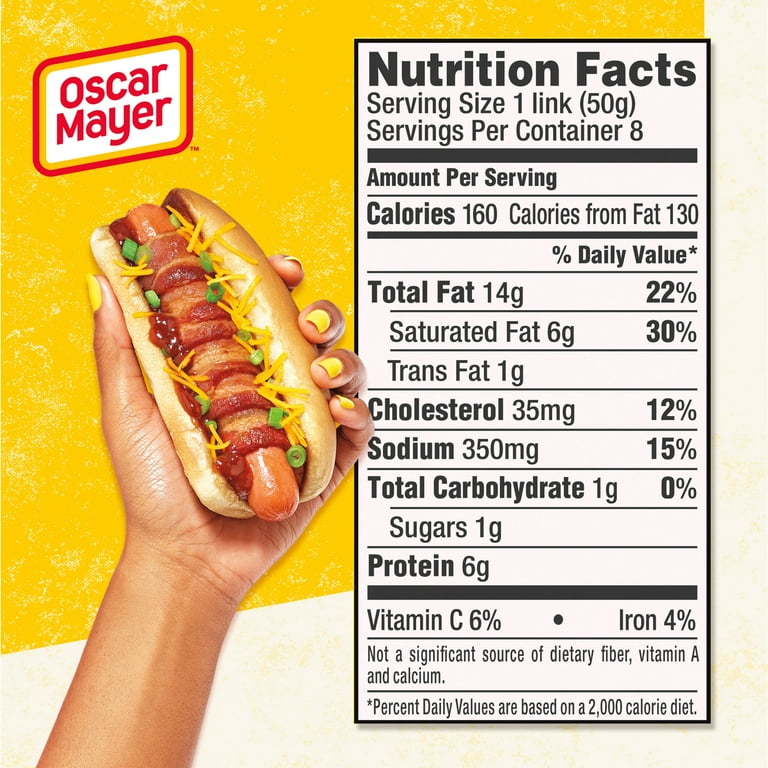
Here is a basic breakdown of calories and macronutrients in one regular beef hot dog (without a bun):
| Nutrient | Amount |
|---|---|
| Calories | 150 kcal |
| Protein | 5 grams |
| Total Fat | 13 grams |
| Saturated Fat | 5 grams |
| Carbohydrates | 1 gram |
| Sugar | 0 grams |
Vitamins And Minerals Content
Hot dogs provide small amounts of some vitamins and minerals. They are not a rich source but contribute to daily intake.
Key vitamins and minerals found in one beef hot dog include:
- Iron: Supports blood health
- Zinc: Helps immune function
- Vitamin B12: Important for nerves and blood cells
- Sodium: Often high, watch intake
- Niacin (Vitamin B3): Supports energy metabolism
Types Of Hot Dogs And Their Nutrition
Hot dogs come in many types, each with different nutrition values. Knowing the types helps you make better choices.
We will look at beef, pork, chicken, turkey, and vegetarian hot dogs. This guide shows you what to expect from each kind.
Beef Vs. Pork Hot Dogs
Beef and pork hot dogs are the most common. Beef hot dogs usually have more protein. Pork hot dogs tend to have more fat.
| Type | Calories | Protein (g) | Fat (g) | Sodium (mg) |
|---|---|---|---|---|
| Beef Hot Dog (1 link) | 150 | 7 | 13 | 500 |
| Pork Hot Dog (1 link) | 160 | 6 | 14 | 550 |
Chicken And Turkey Options
Chicken and turkey hot dogs have less fat than beef or pork. They often have fewer calories. They still provide a good amount of protein.
- Lower in fat and calories
- Good protein source
- May contain fillers or additives
- Check labels for sodium content
Vegetarian And Vegan Alternatives
Vegetarian and vegan hot dogs use plant-based ingredients. They usually have less fat and no cholesterol. Protein levels can vary by brand.
| Type | Calories | Protein (g) | Fat (g) | Notes |
|---|---|---|---|---|
| Vegetarian Hot Dog | 140 | 5 | 7 | Made from soy or wheat |
| Vegan Hot Dog | 130 | 6 | 6 | Free from animal products |
Common Additives And Preservatives
Hot dogs contain several additives and preservatives to enhance flavor and shelf life. These substances affect the nutrition and health impact of hot dogs.
Understanding these additives helps you make better choices about consuming hot dogs regularly.
Sodium Levels And Health Impact
Hot dogs often have high sodium content. Sodium preserves the meat and adds taste, but too much can harm your health.
| Serving Size | Sodium Content (mg) |
| 1 Regular Hot Dog | 500-700 |
| 1 Large Hot Dog | 800-1000 |
| Daily Recommended Limit | 2300 |
Eating many hot dogs or salty foods can raise blood pressure and increase heart disease risk.
Artificial Ingredients To Watch
Hot dogs may include artificial colors, flavors, and preservatives. Some may cause allergic reactions or health concerns.
- Sodium nitrite: Prevents spoilage but may form harmful compounds.
- Artificial dyes: Used for color but linked to allergies.
- Flavor enhancers: Improve taste but can cause sensitivity.
- Preservatives like BHA and BHT: Help shelf life but may affect health.
Health Implications Of Eating Hot Dogs
Hot dogs are a popular snack, but they have health effects. They are often high in sodium and fat, which can affect your health.
Understanding the nutrition in hot dogs can help you make better food choices. Let’s look at the risks and tips for eating them.
Risks Of Frequent Consumption
Eating hot dogs often can lead to health problems. They contain preservatives and additives that might not be good for you.
Hot dogs are processed meats, which can increase the risk of certain diseases. It’s important to know these risks.
- High sodium can cause high blood pressure
- Saturated fats may lead to heart disease
- Preservatives can affect gut health
Moderation And Balanced Diet Tips
Eating hot dogs in moderation is key. Balance them with healthier foods to keep your diet nutritious.
Here are some tips to enjoy hot dogs while keeping a healthy diet. Small changes can make a big difference.
- Limit hot dog intake to special occasions
- Add vegetables to your meal for nutrients
- Choose low-sodium and leaner hot dog options
Ways To Make Hot Dogs Healthier
Hot dogs are a popular fast food, but they can be high in fat and sodium. You can make them healthier by choosing better ingredients and healthy toppings.
Small changes can add more nutrition and reduce unhealthy parts. Let’s look at how to improve your hot dog meal.
Choosing Better Ingredients
Pick hot dogs made from lean meats like turkey or chicken. These have less fat than regular beef or pork hot dogs.
Try plant-based or veggie hot dogs for fewer calories and less sodium. Use whole wheat or whole grain buns for extra fiber.
- Choose low-fat or turkey hot dogs
- Try plant-based or veggie options
- Use whole wheat or whole grain buns
- Avoid processed or high-sodium brands
Healthy Toppings And Sides
Add fresh vegetables like tomatoes, onions, or lettuce to boost vitamins and fiber. Skip sugary sauces and choose mustard or salsa instead.
Serve your hot dog with healthy sides like carrot sticks or a small salad. Avoid fries or chips to keep the meal light.
- Use fresh veggies as toppings
- Choose mustard or salsa over ketchup
- Serve with carrot sticks or salad
- Avoid fries and chips

Credit: martinsfoods.com
Surprising Facts About Hot Dogs
Hot dogs are a popular fast food enjoyed worldwide. Many people wonder about their nutritional value. Let’s explore some surprising facts about what a hot dog offers.
Understanding the nutrition in hot dogs can help you make better food choices. Some facts may surprise you.
Unexpected Nutritional Benefits
Hot dogs contain more than just protein and fat. They offer nutrients that you might not expect.
| Nutrient | Amount per Hot Dog | Benefit |
| Protein | 5-7 grams | Helps build muscles and repair tissues |
| Vitamin B12 | 0.6 mcg | Supports nerve health and energy |
| Zinc | 1 mg | Boosts the immune system |
| Iron | 0.7 mg | Aids in oxygen transport in blood |
Myths Vs. Reality
Many people believe hot dogs are unhealthy. Some myths make people avoid them completely.
- Myth: Hot dogs have no real nutrients. Reality: They provide essential vitamins and minerals.
- Myth: Hot dogs cause weight gain. Reality: Eating in moderation keeps calories balanced.
- Myth: Hot dogs contain harmful chemicals. Reality: Strict regulations control ingredients and safety.

Credit: www.foodrepublic.com
Frequently Asked Questions
How Many Calories Are In A Typical Hot Dog?
A standard hot dog contains about 150 to 180 calories. This varies based on size and ingredients. Adding toppings can increase calorie count.
What Nutrients Does A Hot Dog Provide?
Hot dogs offer protein, fat, and small amounts of iron and sodium. They lack significant vitamins and fiber, so balance with other foods.
Are Hot Dogs High In Sodium?
Yes, hot dogs are generally high in sodium. One hot dog can contain 500 mg or more, which is about 20% of daily recommended intake.
How Much Protein Is In One Hot Dog?
A regular hot dog provides around 5 to 7 grams of protein. Protein content depends on meat type and brand.
Conclusion
Hot dogs offer some nutrition but also bring extra fats and salt. They provide protein and calories that give quick energy. Still, eating too many can harm health over time. Choosing healthier sides helps balance your meal better. Enjoy hot dogs in moderation to stay healthy and happy.
Remember, simple choices make a big difference every day.

Emily Barker is the founder of ChillDogLife.com, a space dedicated to helping pup parents discover the best dog products, lifestyle tips, and cozy ideas for happier homes.
A lifelong dog lover, Emily combines her passion for pets with a knack for research to share trusted recommendations on everything from toys and furniture to health and everyday care.
Her goal is simple: to make life easier, stylish, and more joyful for dogs and the people who love them.




