
If you’re thinking about getting a service dog, one of the first questions on your mind is probably: how much does service dog training cost? Understanding the price can help you plan better and avoid surprises.
Training a service dog takes time, skill, and dedication, but knowing what goes into the cost can make the process feel less overwhelming. You’ll discover the real expenses behind service dog training and what factors affect the price. Keep reading to find out what you need to budget for and how to make the most of your investment in a life-changing companion.

Credit: clubk9lasvegas.com
Service Dog Training Costs
Training a service dog requires time, effort, and money. The cost varies depending on many things. Understanding these costs helps you plan better.
Service dogs learn special tasks to help people with disabilities. Their training is different from regular dog training.
Factors Influencing Price
Several factors affect how much service dog training will cost. These include the dog’s age, breed, and training length.
Other factors are the trainer’s experience and the specific skills the dog needs to learn.
- Dog’s breed and age
- Trainer’s expertise
- Training location and duration
- Type of tasks the dog must learn
- Private vs. group training sessions
Average Cost Range
Service dog training costs can vary widely. On average, training may cost between $15,000 and $30,000.
Some programs charge less, while private trainers or special tasks can increase the price.
- Basic training: $10,000 to $20,000
- Advanced training: $20,000 to $30,000
- Private training: $25,000 and up
Comparing Training Programs
Different training programs offer various options. Some use group classes, others focus on one-on-one training.
Choosing the right program depends on your budget, the dog’s needs, and the skills required.
| Program Type | Cost Range | Key Features |
|---|---|---|
| Group Classes | $5,000 – $15,000 | Less expensive, less personalized |
| Private Training | $20,000 – $40,000 | Personalized, flexible schedule |
| Nonprofit Programs | Free or low cost | Long waitlists, limited spots |

Credit: vety.com
Types Of Service Dog Training
Training a service dog takes time and skill. Different types of training prepare dogs for specific roles. Each training type focuses on important skills and tasks.
Understanding these types helps you know what to expect and plan your budget well.
Basic Obedience Training
Basic obedience training teaches a dog to follow simple commands. These include sit, stay, come, and heel. This training builds good behavior and manners.
- Respond to name
- Walk on a leash without pulling
- Stay calm in public places
- Follow simple commands quickly
Specialized Task Training
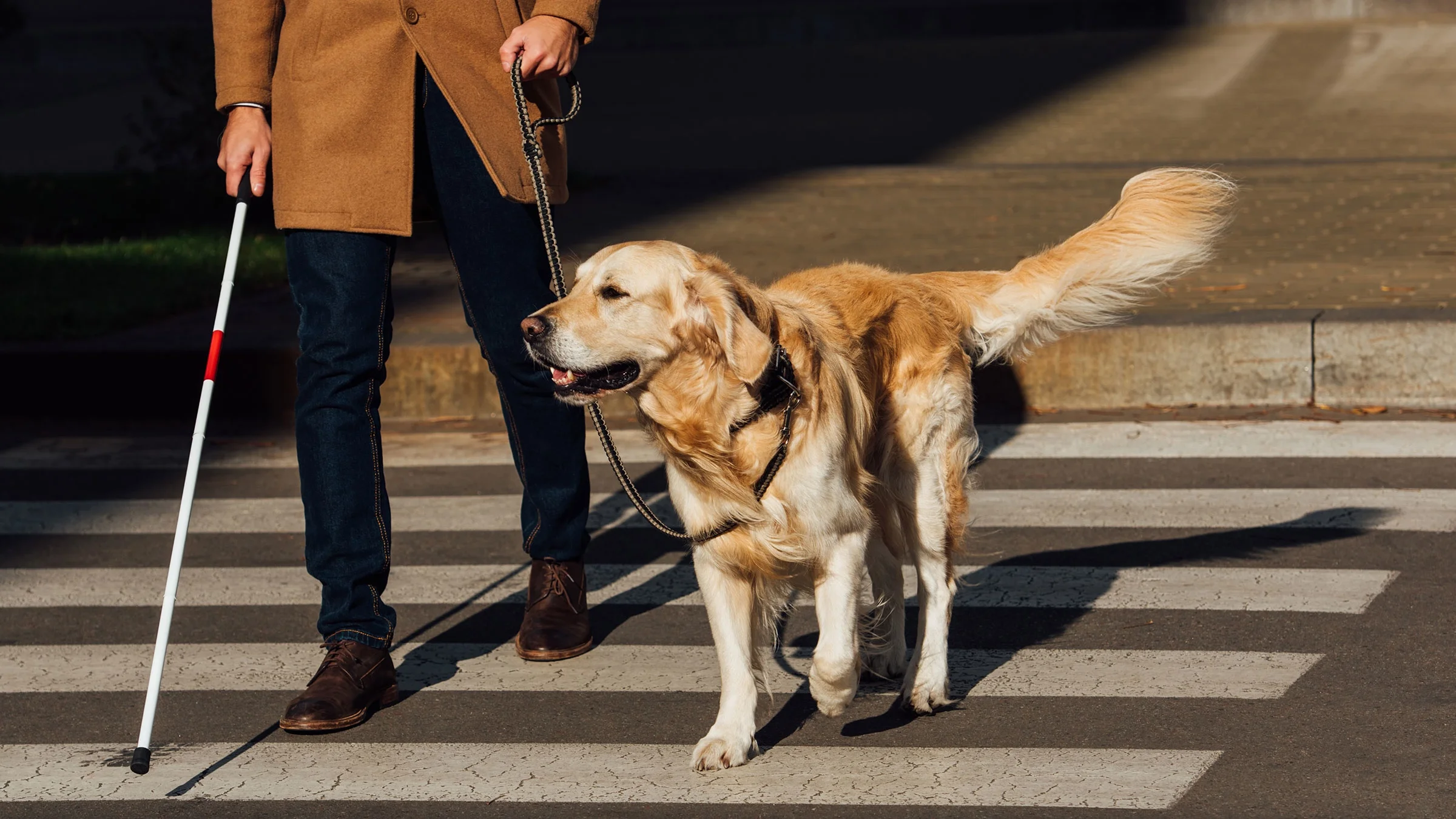
Specialized task training teaches dogs to perform specific jobs. These tasks help people with disabilities in daily life. Each dog learns skills based on the owner’s needs.
| Task | Purpose |
| Guide work | Helps visually impaired navigate |
| Medical alert | Notifies health issues like seizures |
| Mobility assistance | Supports balance and movement |
| Hearing alert | Alerts to important sounds |
Puppy Raising Vs. Adult Training
Puppy raising involves training a young dog from an early age. Adult training starts with dogs that are already grown. Both methods have pros and cons.
- Puppy Raising:Teaches social skills and basic obedience early.
- Adult Training:Focuses on refining skills and specialized tasks faster.
- Puppies need more time and patience.
- Adults may learn some commands quicker.
Training Options
Training a service dog takes time and effort. There are different paths to choose from. Each option has its own costs and benefits.
Understanding each training method helps you decide what works best for your needs and budget.
Professional Trainers
Professional trainers offer expert guidance for service dog training. They use proven methods and tailored programs. Costs vary based on trainer experience and training length.
- One-on-one sessions with a certified trainer
- Group classes for socialization and skill-building
- Board and train programs where the dog stays with the trainer
- Follow-up support for ongoing training needs
Nonprofit Organizations
Many nonprofits offer service dog training at low or no cost. They may require an application and waitlist. Training quality can vary depending on funding and staff.
| Organization Type | Cost Range | Training Style |
| Local charities | Free to low cost | Volunteer-based, community focused |
| National foundations | Mostly free | Structured programs with certified trainers |
| Support groups | Sliding scale fees | Peer-led and group training sessions |
Self-training At Home
Self-training saves money but needs strong commitment. You control the pace and methods. Many resources help you teach basic and advanced skills.
- Use positive reinforcement techniques
- Set a regular training schedule
- Attend workshops or watch online tutorials
- Practice in different environments
- Track your dog’s progress and adjust as needed
Credit: www.goodrx.com
Financial Assistance
Service dog training can be expensive. Financial assistance can help manage the costs. Many options are available for those in need.
From grants to insurance, explore various resources to ease your financial burden. Finding the right help can make training more affordable.
Grants And Scholarships
Grants and scholarships can cover part of the training cost. Non-profit organizations often provide these funds. They support individuals requiring service dogs.
Research available grants in your area. Contact organizations focused on disability support. They may have specific scholarships for service dog training.
Crowdfunding Ideas
Crowdfunding is a popular way to gather funds. You can create an online campaign to share your story. This method involves reaching out to friends, family, and the public.
Platforms like GoFundMe allow you to set financial goals. Supporters can contribute money to help you reach your target. Keep your donors updated on your progress.
- Tell a compelling story
- Set a clear funding goal
- Share regular updates
Insurance And Veterans Benefits
Some insurance plans may cover parts of service dog training. Check with your provider to see what is included. Veterans can explore benefits through the VA.
The VA might offer programs to assist with service dogs. They provide support to veterans with disabilities. Contact your local VA office for more information.
- Check insurance policy details
- Contact the VA for veteran benefits
- Verify coverage options
Saving Money Tips
Training a service dog can be expensive. Finding ways to save money helps many families afford quality training.
Simple choices can lower the cost. You can still get good results without spending too much.
Choosing The Right Trainer
Pick a trainer who fits your budget and needs. Look for local trainers with good reviews.
Some trainers offer package deals or discounts for multiple sessions. Ask about payment plans.
- Check if the trainer has experience with service dogs
- Compare prices from different trainers
- Ask about group classes for lower costs
- Look for trainers who provide training materials
Combining Training Methods
Use a mix of in-person and online training. Online lessons can save travel and time costs.
Practice training at home to reduce the number of sessions needed. Use free or low-cost resources.
- Attend group classes and watch online tutorials
- Train your dog daily with simple exercises
- Use apps or videos to support training
- Ask your trainer for homework or practice guides
Utilizing Volunteer Programs
Some organizations offer volunteer-run training programs. These programs cost less or are free.
Volunteers often help with basic obedience and socialization. This lowers overall training expenses.
- Look for local service dog charities
- Ask about volunteer trainers in your area
- Join community groups for dog training support
- Volunteer programs may have waiting lists, so plan ahead
Legal And Certification Costs
Training a service dog involves more than teaching commands. You must also consider legal and certification costs. These fees ensure your dog meets legal standards and can work in public spaces.
Understanding these costs helps you plan your budget and avoid scams. Below, we discuss common myths, certification expenses, and ADA requirements.
Service Dog Registration Myths
Many websites claim you must register your service dog to be legal. This is false. The law does not require any registration or official ID for service dogs.
- No official registry exists for service dogs under US law.
- Registration websites often charge unnecessary fees.
- Only training and behavior matter legally, not registration.
- Fake registrations do not provide legal protection.
Certification Expenses
Training a service dog can cost a lot. Certification costs vary depending on who trains the dog and what tests are done.
| Cost Type | Estimated Range | Description |
|---|---|---|
| Professional Training | $1,000 – $25,000 | Training by experts to meet service dog standards. |
| Certification Tests | $100 – $500 | Tests to verify the dog’s skills and behavior. |
| Documentation Fees | $50 – $200 | Paperwork for trainers or organizations. |
| Renewal or Recertification | $0 – $300 | Some trainers require periodic updates. |
Understanding Ada Requirements
The Americans with Disabilities Act (ADA) sets rules for service dogs. It does not require certification or registration.
- Service dogs must be trained to perform tasks for disabilities.
- They must behave well in public places.
- Businesses can ask only two questions: if the dog is needed and what task it does.
- No ID or certificate is legally required under ADA.
Long-term Expenses
Training a service dog is a significant investment. Beyond initial training, there are ongoing costs to consider. These costs are crucial for maintaining a service dog’s well-being and effectiveness.
Understanding long-term expenses helps in planning and budgeting for your service dog’s needs. Let’s explore some of these essential areas.
Ongoing Training
Service dogs require ongoing training to keep their skills sharp. Regular sessions with a professional trainer can ensure they perform tasks effectively.
- Monthly training sessions
- Advanced skill workshops
- Behavioral consultations
Healthcare And Maintenance
Healthcare is a major part of long-term expenses for a service dog. Regular vet visits and preventive care are necessary to ensure their health.
| Expense | Frequency |
| Veterinary check-ups | Bi-annual |
| Vaccinations | Annual |
| Flea and tick prevention | Monthly |
Equipment And Supplies
Service dogs need specific equipment and supplies. These ensure they can assist effectively and comfortably.
- Specialized harnesses
- Identification vests
- Replacement leashes and collars
Frequently Asked Questions
How Much Does Professional Service Dog Training Cost?
Professional service dog training typically ranges from $15,000 to $30,000. Prices vary based on training duration, trainer expertise, and dog breed. Some programs include ongoing support and certification. Costs may also cover medical care and equipment. Always request detailed pricing before enrolling.
Are There Affordable Service Dog Training Options?
Yes, some organizations offer affordable or subsidized service dog training. Nonprofits and grants can reduce costs significantly. Volunteer-based programs may also help. However, quality and training time might vary. Research carefully to balance budget and training effectiveness.
What Factors Influence Service Dog Training Costs?
Training costs depend on the dog’s age, breed, and temperament. The trainer’s experience and certification also matter. Training length and complexity affect pricing. Specialized tasks or medical needs add expenses. Location and facility quality can impact overall cost.
Can I Train My Own Service Dog To Save Money?
You can train your own service dog, but it requires time and skill. Professional training ensures reliability and legal compliance. DIY training may lack certification and support. Consider your abilities and needs before deciding. Professional help often leads to better outcomes.
Conclusion
Service dog training costs vary based on many factors. Training quality, location, and trainer experience affect the price. Remember, investing in training helps your dog assist you better. Choose a program that fits your budget and needs. Consider all expenses before making a decision.
Proper training leads to a well-behaved, helpful service dog. The right support makes a big difference in daily life. Take time to research and plan carefully. Your service dog’s training is a valuable step toward independence.

Emily Barker is the founder of ChillDogLife.com, a space dedicated to helping pup parents discover the best dog products, lifestyle tips, and cozy ideas for happier homes.
A lifelong dog lover, Emily combines her passion for pets with a knack for research to share trusted recommendations on everything from toys and furniture to health and everyday care.
Her goal is simple: to make life easier, stylish, and more joyful for dogs and the people who love them.




