Are you thinking about switching your dog to a raw food diet but worried about the costs? You’re not alone.
Many pet owners wonder if feeding raw is affordable or if it will break the bank. Understanding the true cost can help you make the best choice for your furry friend’s health without surprises. You’ll discover what factors affect the price, how much you can expect to spend, and tips to keep costs manageable.
Keep reading to find out if a raw food diet fits your budget and your dog’s needs.
Cost Factors Of Raw Diet
Feeding dogs a raw food diet can vary in cost. Understanding the main factors helps manage your budget.
Costs depend on ingredients, portion sizes, and extra supplements. Each part affects the total price.
Ingredients Impacting Price
The choice of ingredients is the biggest cost factor. Meat types and quality change the price a lot.
- Beef and lamb usually cost more than chicken or turkey.
- Organ meats are nutritious but may vary in price.
- Fresh fish can be expensive depending on the season.
- Vegetables and fruits add variety but have lower cost impact.
Portion Sizes And Frequency
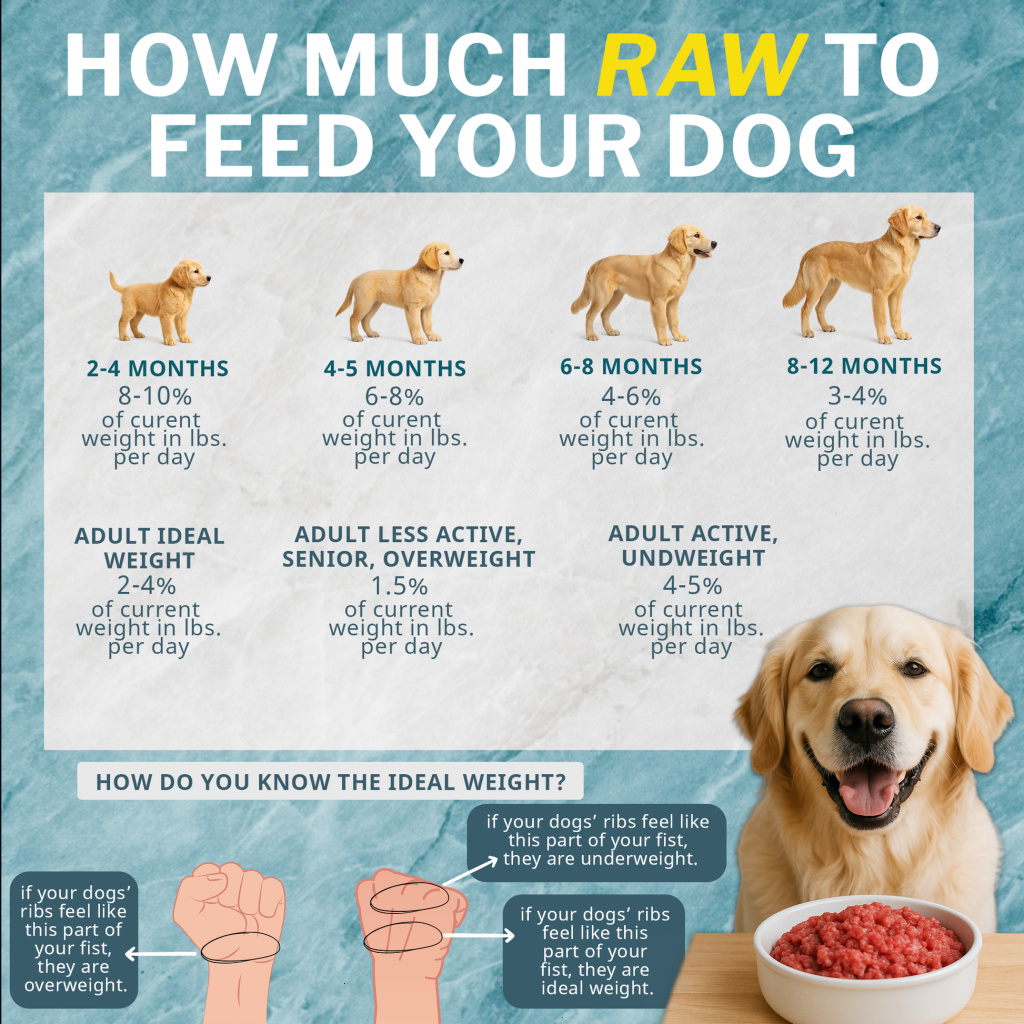
The amount of food given daily changes the total expense. Larger dogs need more food.
| Dog Size | Daily Portion (lbs) | Estimated Monthly Cost |
| Small (under 20 lbs) | 0.5 – 1 | $40 – $70 |
| Medium (20 – 50 lbs) | 1 – 2 | $70 – $140 |
| Large (50 – 90 lbs) | 2 – 3 | $140 – $210 |
| Extra Large (90+ lbs) | 3+ | $210 and up |
Supplement Expenses
Supplements add nutrients missing in raw meals. They add to the monthly cost but keep dogs healthy.
- Fish oil for omega-3 fatty acids
- Bone meal or calcium supplements
- Probiotics for digestion support
- Vitamins like E and D

Credit: www.bjsrawpetfood.com
Comparing Raw Food Sources
Choosing a raw food diet for dogs involves deciding where to get the food. Costs vary based on the source. Understanding different sources helps budget better.
This guide compares homemade and store-bought food, local and imported ingredients, and organic versus conventional options.
Homemade Vs Store-bought
Making raw food at home can save money but needs time and knowledge. Store-bought raw food is convenient but usually costs more.
Homemade food lets you control ingredients. Store-bought food offers balanced nutrition and easy feeding.
- Homemade: Lower cost, more prep time
- Store-bought: Higher cost, less effort
- Store-bought food often tested for safety
- Homemade requires buying separate ingredients
Local Vs Imported Ingredients
Local ingredients usually cost less because they don’t include shipping fees. They are fresh and support local farmers.
Imported ingredients can be more expensive. Some rare or specialized items come from other countries.
- Local: Cheaper, fresher, supports community
- Imported: Higher cost, sometimes unique items
- Imported ingredients may have longer shelf life
- Local ingredients vary by season and region
Organic Vs Conventional
Organic ingredients cost more because they are grown without synthetic chemicals. They may offer health benefits.
Conventional ingredients are cheaper and more common. They may contain pesticides but still meet safety rules.
- Organic: Higher price, fewer chemicals
- Conventional: Lower price, widely available
- Organic often preferred for pets with allergies
- Conventional is budget-friendly for large quantities
Monthly Budget Estimates
Feeding your dog a raw food diet can cost differently based on their size. Knowing these costs helps you plan your budget well. Raw food includes fresh meat, bones, and vegetables.
The monthly cost depends on how much your dog eats daily. Small dogs eat less, so their food costs less. Large dogs need more food, increasing the cost.
Small Dog Costs
Small dogs usually weigh under 20 pounds. They eat about 1 to 2 pounds of raw food each day. This makes their monthly raw food cost lower than bigger dogs.
On average, feeding a small dog raw food costs between $60 and $120 per month. Prices vary by meat type and where you buy it.
- Daily food amount: 1 to 2 pounds
- Monthly cost range: $60 to $120
- Common meats: chicken, turkey, beef
Medium Dog Costs
Medium dogs weigh between 20 and 50 pounds. They need about 2 to 4 pounds of raw food daily. This raises their monthly food budget compared to small dogs.
Most medium dogs cost $120 to $250 per month for raw food. Prices depend on the quality and types of ingredients used.
- Daily food amount: 2 to 4 pounds
- Monthly cost range: $120 to $250
- Common meats: beef, lamb, pork
Large Dog Costs
Large dogs weigh over 50 pounds. They eat about 4 to 6 pounds of raw food every day. This makes their monthly cost the highest among all dog sizes.
Raw feeding a large dog can cost from $250 up to $400 or more per month. Choosing premium meats or special supplements can increase this amount.
- Daily food amount: 4 to 6 pounds
- Monthly cost range: $250 to $400+
- Common meats: beef, bison, fish
Cost-saving Tips
Feeding your dog a raw food diet can be expensive. You can save money with smart shopping and preparation.
These tips help you keep costs low while giving your dog healthy meals.
Buying In Bulk
Buying meat and ingredients in large amounts lowers the price per pound. It also reduces trips to the store.
Store bulk items properly to avoid spoilage. Use a freezer to keep raw food fresh for longer.
- Look for wholesale stores or online bulk sellers
- Split bulk orders with friends or family
- Freeze portions in meal-size packs
Seasonal Shopping
Buy fruits, vegetables, and certain meats when they are in season. Prices are lower and quality is higher.
Plan your dog’s meals around seasonal produce to save money and add variety.
- Check local farmers markets for deals
- Buy frozen seasonal items for off-season use
- Watch for sales on meats during certain times of the year
Diy Meal Prep
Preparing your dog’s raw food at home cuts costs. You avoid paying extra for pre-made meals.
Make large batches and portion them. This saves time and money in the long run.
- Use simple recipes with common ingredients
- Invest in good storage containers
- Keep a schedule to prepare meals ahead
Additional Expenses To Consider
Choosing a raw food diet for your dog involves more than just buying food. You should also plan for other costs that come with this diet.
These extra expenses can add up and affect your budget over time. Knowing them helps you prepare better.
Storage And Equipment
Raw dog food needs proper storage to stay fresh and safe. This may require buying special equipment.
- Freezer space or a separate freezer to store large amounts
- Containers for portioning and freezing food
- Cutting boards and knives used only for raw meat
- Cleaning supplies to sanitize surfaces and utensils
- Refrigerator with enough space for daily meals
Veterinary Checkups
Regular vet visits are important when feeding raw food. Your dog’s health needs close monitoring.
| Type of Checkup | Reason | Estimated Cost |
|---|---|---|
| Initial Health Screening | Check for nutrient deficiencies and overall health | $50 – $150 |
| Regular Blood Tests | Monitor organ function and nutrient levels | $75 – $200 |
| Parasite Checks | Ensure no parasites from raw meat | $40 – $100 |
Time Investment
Preparing raw food takes more time than using dry or canned food. You need to plan and cook meals daily or weekly.
- Shopping for fresh ingredients regularly
- Washing and cutting meats and vegetables
- Portioning meals and freezing them
- Cleaning food prep areas thoroughly
- Learning about balanced nutrition for dogs

Credit: rawfedk9.com
Alternatives To Raw Diet Costs
Feeding dogs a raw food diet can be costly. There are different options to consider if you’re looking to save money. Let’s explore alternatives to raw diets for dogs.
Commercial Dog Food Comparison
Commercial dog foods are a popular choice. They are often cheaper than raw diets. These foods come in many varieties, including dry kibble and wet canned options.
Each type has its own benefits and price points. It’s important to compare the ingredients and nutritional value.
| Type | Price Range | Nutritional Value |
| Dry Kibble | $20-$50 per bag | Balanced, long shelf-life |
| Wet Canned | $10-$30 per case | High moisture, palatable |
Mixing Raw With Other Diets
Mixing raw food with other diets can reduce costs. This method balances the benefits of raw with the affordability of other foods.
Combine raw meats with commercial kibble or canned food. This approach provides variety and keeps expenses lower.
- Mix raw meats with dry kibble
- Include canned food for added moisture
- Ensure balanced nutrition with supplements

Credit: www.meetmaev.com
Frequently Asked Questions
How Much Does A Raw Food Diet For Dogs Cost Monthly?
The monthly cost of a raw food diet for dogs varies from $50 to $150. It depends on the dog’s size, the type of ingredients used, and sourcing. Premium or organic options may increase the price. Planning and buying in bulk can reduce costs.
Is Raw Dog Food More Expensive Than Kibble?
Yes, raw dog food is generally more expensive than kibble. Raw diets use fresh, high-quality ingredients. Kibble is often mass-produced with fillers. However, raw food offers better nutrition, which may reduce vet bills long term, balancing the cost.
What Factors Affect Raw Dog Food Pricing?
Raw dog food pricing depends on protein source, ingredient quality, and portion size. Organic and exotic meats cost more. Preparation and packaging methods also impact price. Geographic location and supplier can influence costs. Homemade raw food may reduce expenses but requires time.
Can I Save Money On A Raw Food Diet For Dogs?
You can save money by buying raw ingredients in bulk. Preparing food at home reduces packaging costs. Choosing locally sourced meats and seasonal produce lowers expenses. Comparing suppliers and using less expensive protein cuts also helps keep costs down.
Conclusion
Feeding dogs a raw food diet can cost more than regular dog food. Costs vary based on ingredients and your dog’s size. Planning meals at home may save money. Quality matters for your dog’s health and energy. Consider your budget before switching diets.
Think about the benefits and expenses together. Raw feeding is an investment in your dog’s wellness. Choose what fits your lifestyle and your pet’s needs best.

Emily Barker is the founder of ChillDogLife.com, a space dedicated to helping pup parents discover the best dog products, lifestyle tips, and cozy ideas for happier homes.
A lifelong dog lover, Emily combines her passion for pets with a knack for research to share trusted recommendations on everything from toys and furniture to health and everyday care.
Her goal is simple: to make life easier, stylish, and more joyful for dogs and the people who love them.




