Thinking about bringing a furry friend into your life? You’re probably wondering, “How much does adopting a dog cost?” It’s a big question because adopting means more than just a one-time fee.
You want to know what to expect so you can prepare your home, your budget, and your heart. You’ll discover the real costs behind adoption—from the initial fees to ongoing expenses. By the end, you’ll feel confident and ready to welcome your new best friend without any surprises.
Keep reading to find out what adopting a dog truly costs and how to make it affordable for you.

Credit: animalservices.venturacounty.gov
Initial Adoption Fees
Understanding the initial adoption fees is key before bringing a new dog into your home. These fees cover the essential first steps to ensure your dog is healthy and ready for a loving family. Knowing what to expect helps you prepare financially and avoid surprises during this exciting process.
Shelter And Rescue Costs
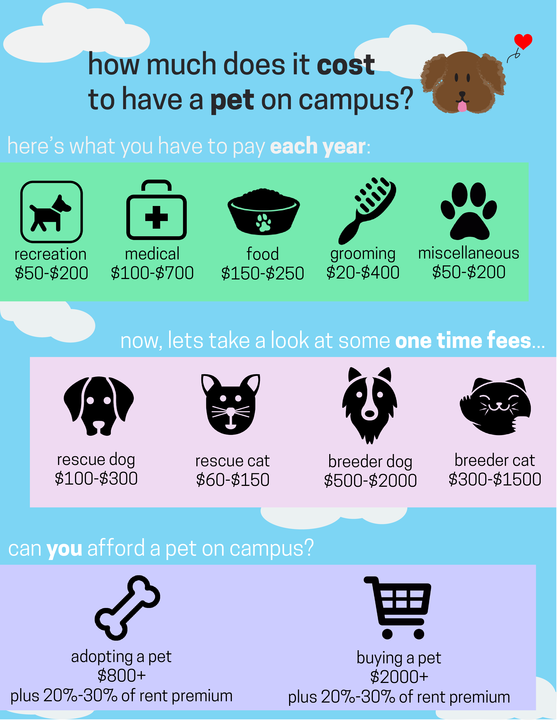
Adopting from a shelter or rescue often comes with a fee ranging from $50 to $350. This fee usually includes vaccinations, spaying or neutering, and a basic health check. I’ve found that these organizations often provide a great value, because the fee supports the care of other animals waiting for homes.
Sometimes, shelters include microchipping and initial training in the cost. You might wonder, is this fee really worth it? In my experience, it saves you money and time later on, making the adoption smoother.
Breeder Price Differences
Prices from breeders vary widely, often from $500 to over $3,000 depending on the breed and lineage. Unlike shelters, breeders usually charge more because of the dog’s pedigree and the costs involved in raising purebred puppies. Remember, a higher price doesn’t always guarantee a healthier or better-behaved dog.
If you choose a breeder, expect to pay extra for health clearances and registration papers. Ask yourself if the breed’s traits and your lifestyle align before committing to this higher cost.
Additional Paperwork Charges
Some adoption centers and breeders add fees for paperwork like registration, transfer of ownership, or health records. These charges might be small, around $20 to $100, but they add up. You should ask upfront about these possible fees to avoid last-minute expenses.
Think about how much time and effort you’ll save with proper documentation. It’s not just a formality—it protects your rights and your new dog’s wellbeing.

Credit: phillypaws.org
Basic Supplies Expenses
Basic supplies for a new dog include food, bowls, a leash, and toys. These items are essential and usually cost between $50 and $150. Planning for these expenses helps ensure your dog’s comfort and safety from day one.
Adopting a dog comes with various costs. Basic supplies are among the first expenses. These items ensure your new pet feels at home. They provide comfort and safety for your furry friend. Let’s explore the essential supplies every dog owner needs.Food And Water Bowls
Your dog needs food and water bowls. Choose sturdy and non-slip materials. Stainless steel or ceramic bowls last longer. They are easy to clean and maintain. Ensure the size matches your dog’s needs. Proper bowls make meal times enjoyable.Bedding And Crates
Every dog needs a comfortable bed. Beds provide warmth and security. Select a bed that fits your dog’s size. Crates offer a safe space for dogs. They help with training and travel. Invest in a durable crate for long-term use.Collars, Leashes, And Tags
Collars are essential for identification. Attach a tag with contact details. Leashes ensure your dog’s safety outdoors. Choose a strong leash for control during walks. These items are crucial for your dog’s security.Medical And Health Costs
Adopting a dog comes with medical and health expenses that are essential for its well-being. These costs cover initial and ongoing care to keep your new pet healthy and happy. Understanding these expenses helps you prepare financially for your dog’s needs.
Vaccinations And Vet Visits
Vaccinations protect dogs from harmful diseases. Puppies need several shots during their first months. Adult dogs require boosters yearly. Vet visits also include health checks to spot problems early. Routine visits can cost between $50 and $100 each.
Spaying And Neutering
Spaying and neutering prevent unwanted litters and health issues. This surgery is common for adopted dogs. The cost depends on the dog’s size and location. It typically ranges from $100 to $300. Many shelters offer discounted or included fees with adoption.
Preventive Medications
Preventive medicines keep dogs safe from fleas, ticks, and worms. These include monthly pills or topical treatments. Costs vary based on the product and dog size. Expect to spend around $20 to $50 monthly. Regular use helps avoid costly health problems later.

Credit: www.latimes.com
Training And Socialization
Training and socialization are key parts of adopting a dog. They help your new pet learn good habits and behave well with people and other animals. This process takes time and effort, so it adds to the overall cost of adopting a dog.
Training teaches dogs basic commands and manners. Socialization helps dogs feel comfortable in different places and with different people. Both are important for a happy and healthy dog.
Obedience Classes
Obedience classes are group lessons for dogs and owners. They teach commands like sit, stay, and come. Classes usually last 6 to 8 weeks. Prices range from $50 to $200 depending on location and class size.
These classes help dogs learn in a social setting. Dogs meet other dogs and people, which improves their social skills. Owners also learn how to train their dogs at home.
Professional Trainers
Hiring a professional trainer offers personalized help. Trainers work with specific behavior issues or advanced commands. Costs vary widely, usually $30 to $100 per hour. Some trainers offer packages with multiple sessions.
Professional training can speed up learning and fix problems early. Trainers also teach owners how to keep training consistent.
Behavioral Tools
Behavioral tools support training and socialization. Common tools include:
- Leashes and harnesses
- Clickers for positive reinforcement
- Toys for mental stimulation
- Training treats for rewards
These items cost between $10 and $50. Using the right tools helps dogs learn faster and enjoy training more.
Ongoing Care And Maintenance
Ongoing care and maintenance are key parts of dog ownership. These costs continue long after adoption fees. They ensure your dog stays healthy and happy.
Food And Treats
Quality food keeps dogs strong and active. Expect to spend on daily meals and occasional treats. Prices vary by size and brand. Larger dogs eat more, raising monthly costs. Treats reward good behavior and help training. Choose healthy options to avoid health issues.
Grooming Services
Grooming keeps your dog’s coat clean and shiny. Some breeds need regular haircuts or baths. Grooming costs depend on the dog’s size and coat type. Basic grooming includes brushing, nail trimming, and ear cleaning. Many owners do some grooming at home to save money.
Regular Vet Checkups
Vet visits are vital for your dog’s health. Routine checkups catch problems early. Vaccinations, parasite prevention, and dental care add to costs. Expect to visit the vet at least once a year. Emergency visits can happen, so budgeting is smart.
Unexpected And Emergency Costs
Adopting a dog comes with many joyful moments, but it also means being ready for unexpected expenses. These costs can quickly add up and catch you off guard. Preparing ahead for emergencies can save you stress and protect your furry friend’s health.
Accident And Illness Treatments
Accidents and sudden illnesses happen even to the most careful pet owners. Emergency vet visits can cost hundreds or even thousands of dollars, depending on the treatment your dog needs.
Think about what you would do if your dog broke a leg or developed a serious infection. Would you be able to cover the costs immediately? It’s important to set aside a fund specifically for these situations or understand the payment options your vet offers.
Pet Insurance Options
Pet insurance can be a lifesaver when unexpected medical bills arrive. Policies vary widely, so it’s crucial to compare what each covers, from accidents to chronic illnesses.
Ask yourself: Does the policy cover emergency surgeries? What about routine care or medications? Choosing the right insurance means fewer financial surprises and more focus on your dog’s wellbeing.
Emergency Supplies
Having emergency supplies at home can reduce panic and costly last-minute purchases. Items like a pet first-aid kit, extra food, and medications should be part of your dog care routine.
Think about what you would need if you had to care for your dog at home after an accident. Do you have the right bandages, antiseptics, or a muzzle? Preparing these supplies ahead saves time and money when every second counts.
Lifestyle And Miscellaneous Expenses
Adopting a dog is just the beginning of your journey together. Beyond the initial adoption fee and basic supplies, lifestyle and miscellaneous expenses can add up quickly. These costs often catch new dog owners by surprise, so it’s important to understand what you might face as you welcome your furry friend into your life.
Travel And Boarding
When you travel, your dog’s care becomes a key consideration. Boarding kennels, pet sitters, or doggy daycares can cost anywhere from $25 to $85 per day, depending on your location and the level of care. Have you thought about who will watch your dog during vacations or business trips?
Some owners choose pet-friendly hotels or bring their dogs along, which can add to travel expenses. Planning ahead and budgeting for these situations helps avoid last-minute stress and unexpected bills.
Toys And Entertainment
Keeping your dog mentally and physically engaged requires toys and entertainment. Basic chew toys might cost just a few dollars, but interactive toys and puzzle feeders can run $20 to $50 each. Remember, a bored dog can develop behavioral issues, which might lead to even higher costs.
Consider rotating toys to keep your dog interested without constantly buying new ones. You might also find DIY options that save money and create bonding moments.
Pet Licensing And Identification
Licensing your dog is not just a legal requirement in many areas—it’s also a safety measure. Annual pet license fees typically range from $10 to $20, but some cities charge more based on your dog’s size or breed. Do you have a plan for identification in case your dog gets lost?
Microchipping is a one-time cost, usually between $40 and $70, and greatly increases the chances of reuniting with your pet. Adding a collar with ID tags is a low-cost, essential step that every dog owner should take.
Frequently Asked Questions
How Much Does It Cost To Adopt A Dog?
Adopting a dog typically costs between $50 and $350. This fee covers vaccinations, spaying/neutering, and initial vet care. Prices vary by shelter and dog breed.
What Ongoing Expenses Come After Adopting A Dog?
Ongoing costs include food, grooming, vet visits, and supplies. Expect to spend $500 to $1,000 annually. Budget for unexpected medical emergencies as well.
Are There Cheaper Options For Dog Adoption?
Yes, some shelters offer lower fees during special events. Rescue groups sometimes waive fees for senior or special-needs dogs. Research local organizations for discounts.
Does Dog Adoption Fee Cover Vaccinations And Spaying?
Most adoption fees include vaccinations, microchipping, and spaying/neutering. This saves you upfront medical expenses. Confirm with the shelter before adopting.
Conclusion
Adopting a dog costs more than just the adoption fee. You pay for food, toys, and vet visits too. These costs add up over time. Planning your budget helps you care well for your new friend. Each dog’s needs differ, so expect some surprises.
Loving a dog means being ready for all expenses. It’s a big choice but brings much joy. Dogs give love and loyalty in return. Prepare well, and enjoy your new companion fully.

Emily Barker is the founder of ChillDogLife.com, a space dedicated to helping pup parents discover the best dog products, lifestyle tips, and cozy ideas for happier homes.
A lifelong dog lover, Emily combines her passion for pets with a knack for research to share trusted recommendations on everything from toys and furniture to health and everyday care.
Her goal is simple: to make life easier, stylish, and more joyful for dogs and the people who love them.




