Choosing the right size dog crate can feel tricky, but it’s one of the most important decisions for your pet’s comfort and safety. You want a space that’s cozy enough to feel like a den, yet roomy enough for your dog to stand, turn around, and lie down comfortably.
If the crate is too small, your dog might feel cramped and stressed. Too big, and it could lose its sense of security. You’ll discover exactly how to measure and pick the perfect crate size for your furry friend—making sure your dog feels happy and secure every time they step inside.
Keep reading to find the simple steps that will make crate training easier and more effective for both of you.

Credit: carlsonpetproducts.com
Choosing The Right Crate Size
Choosing the right crate size is essential for your dog's comfort and safety. The crate should be spacious enough for your dog to move freely but snug enough to feel secure. A well-sized crate helps your dog relax and reduces anxiety during travel or rest.
Measuring Your Dog Correctly
Start by measuring your dog from the tip of the nose to the base of the tail. Then, measure from the top of the head to the floor. These two measurements help determine the crate’s length and height.
Allow extra space for your dog to stand, turn, and lie down comfortably. Add about 2 to 4 inches to each measurement for the best fit.
Considering Breed And Growth
Some dog breeds grow quickly or have long legs and bodies. Puppies need crates that fit their adult size to avoid buying multiple crates.
Research your dog's breed size and growth patterns. Choose a crate that accommodates full-grown size, not just current size.
Accounting For Movement And Comfort
Your dog should have enough room to sit, stand, turn around, and lie down comfortably. A cramped crate causes stress and discomfort.
Include extra space for bedding or toys. This makes the crate a cozy resting place.
Crate Size Recommendations
Choose a crate that gives your dog enough space to stand, turn, and lie down comfortably. Measure your dog’s height and length for the best fit. A properly sized crate helps your pet feel safe and relaxed.
Choosing the right size crate for your dog is crucial for their comfort and security. Crates are not just a place to confine your pet; they are their personal sanctuary. The right size ensures they feel safe while also having enough room to stretch and turn around. Let’s dive into crate size recommendations for different breeds.Small Breeds
Small breeds like Chihuahuas, Pomeranians, and Dachshunds thrive in crates that are compact yet comfortable. A crate measuring about 24 inches in length offers them enough space. Ensure there’s room for a cozy bed and a favorite toy. Too much space can make them feel insecure, while too little can be uncomfortable.Medium Breeds
For medium breeds such as Beagles, Cocker Spaniels, and Bulldogs, a crate size of around 30 to 36 inches is ideal. These breeds need space to stand and lie down comfortably. Consider their adult size if they’re still growing. Adding a divider can be handy as it allows you to adjust the space as they grow.Large Breeds
Breeds like Labrador Retrievers, Golden Retrievers, and Boxers fall into the large category. A crate size of 42 inches usually suits them well. Large breeds need ample space to rest and move without feeling cramped. Think about adding a soft mat or blanket for extra comfort, turning their crate into a true haven.Extra Large Breeds
For gentle giants like Great Danes, St. Bernards, and Mastiffs, go for a crate that is at least 48 inches long. These big dogs need all the space they can get. An extra-large crate ensures they can lie comfortably and stretch out. Consider placing the crate in a spacious area of your home to accommodate its size. Choosing the right crate size is a simple step towards ensuring your dog’s happiness and comfort. Do you know your dog’s measurements? Taking a quick measurement can make all the difference in your crate selection. Think of their crate as their personal retreat, and choose wisely to keep their tails wagging!Types Of Dog Crates
Choosing the right type of dog crate is just as important as picking the right size. Each kind offers unique benefits that can affect your dog’s comfort, safety, and your convenience. Understanding these options can help you decide what fits your dog’s needs and your lifestyle.
Wire Crates
Wire crates are popular for their durability and ventilation. They let your dog see their surroundings, which can reduce anxiety for some pets. You can easily fold these crates for storage or travel, making them a practical choice for many dog owners.
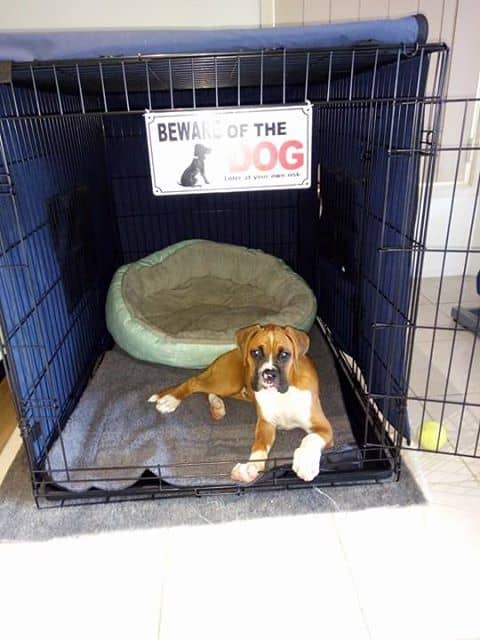
However, wire crates may not provide much privacy or warmth. If your dog tends to be nervous, adding a cover can create a cozy den-like space. Have you noticed if your dog prefers open spaces or more enclosed areas?
Plastic Crates
Plastic crates offer a cozy, enclosed environment that many dogs find comforting. They are often used for air travel because they meet most airline requirements. These crates are sturdy and provide good insulation against noise and temperature changes.
Cleaning can be a bit trickier, but their solid walls offer privacy that can help anxious dogs feel safe. If your dog likes a quiet retreat, a plastic crate might be the right choice. Do you know if your dog enjoys hiding away or being in the middle of the action?
Soft-sided Crates
Soft-sided crates are lightweight and easy to carry, making them great for calm dogs who travel often. They offer good ventilation and a comfortable, fabric-covered space. These crates work well for short-term use and indoor settings.
Keep in mind, they are not suitable for dogs who chew or escape easily. If you want something portable and your dog is well-behaved, this option could save you a lot of hassle. Have you seen how your dog reacts to soft materials versus hard surfaces?
Heavy-duty Crates
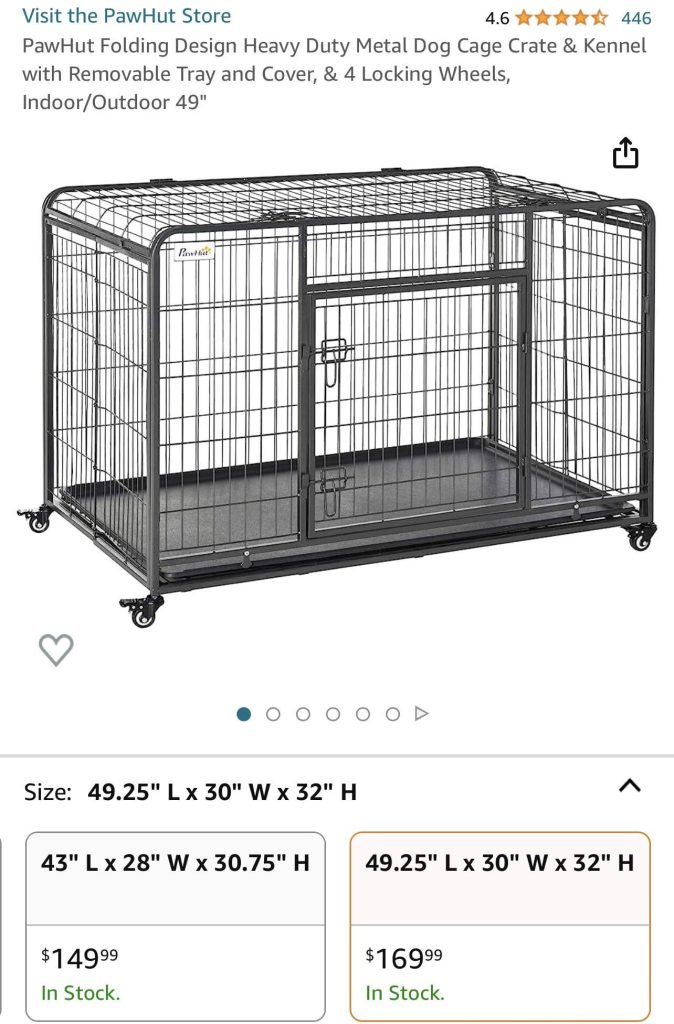
Heavy-duty crates are designed for strong dogs or those who tend to be escape artists. Made from reinforced metal or steel, they provide maximum security and durability. These crates can withstand chewing, scratching, and pushing.
They are heavier and less portable but worth it if your dog needs a secure space. If you’ve struggled with crates that don’t hold up, this might be the investment that finally works. What level of strength do you think your dog’s crate needs?

Credit: www.reddit.com
Adjustable And Expandable Crates
Adjustable and expandable dog crates offer flexible solutions for pet owners. They adapt to your dog’s size changes or growing needs. These crates provide more space without buying a new one. They save money and time while ensuring comfort for your pet.
Benefits Of Adjustable Crates
- Grow with your dog as it gets bigger.
- Save space when you need a smaller crate.
- Easy to clean and maintain with removable panels.
- Provide a cozy, secure environment at all times.
- Durable materials ensure long-lasting use.
When To Use Expandable Options
- During puppy growth stages for continuous comfort.
- For multi-dog homes needing varied crate sizes.
- When traveling and space requirements change.
- To provide extra room during rest or recovery.
- When your dog’s behavior needs more space to feel calm.
Common Crate Size Mistakes
Choosing the right size for your dog’s crate is not always easy. Many pet owners make common mistakes that affect their dog’s comfort and training. These mistakes can cause stress for your dog and make crate training harder. Understanding these errors helps you pick a better crate.
Choosing A Crate Too Small
A crate that is too small limits your dog’s movement. Your dog can feel trapped and uncomfortable. Dogs need space to stand, turn, and lie down. A small crate can cause anxiety and restlessness. It may also lead to accidents if your dog cannot move away from its waste.
Picking An Oversized Crate
Too large a crate can cause problems too. Dogs might use one corner as a bathroom and sleep in another. This reduces the crate’s effectiveness for house training. A very big crate does not feel safe or cozy. Dogs prefer smaller spaces that feel like a den.
Ignoring Your Dog’s Behavior
Every dog acts differently in a crate. Some dogs like to stretch out, others curl up tightly. Watch your dog’s habits and adjust the crate size. If your dog shows signs of stress or tries to escape, the crate size might be wrong. Pay attention to comfort and safety over size charts alone.
Tips For Crate Comfort
Making your dog’s crate comfortable is key to ensuring they enjoy their space and feel secure. Small adjustments can make a big difference in how your dog experiences their crate. Here are some practical tips to help you create a cozy, inviting environment for your furry friend.
Adding Bedding And Padding
Soft bedding cushions your dog from the hard crate floor and keeps them warm. Choose materials that are easy to clean, like washable blankets or orthopedic pads, especially if your dog has joint issues.
Try layering a fleece blanket with a waterproof liner underneath to protect the crate and add extra comfort. What type of bedding does your dog seem to prefer—something plush or more firm?
Ensuring Proper Ventilation
Good airflow prevents your dog from feeling stuffy or overheated inside the crate. Make sure the crate has enough openings on all sides for fresh air to circulate.
Place the crate in a well-ventilated room, away from direct sunlight or heaters. Have you noticed your dog panting or restless in their crate? It could be a sign that ventilation needs improvement.
Creating A Cozy Environment
Adding familiar items like your dog’s favorite toys or a piece of your clothing can make the crate feel more inviting. These scents provide comfort and reduce anxiety.
Keep the crate in a quiet spot but not isolated—dogs like to feel part of the household activity. How can you arrange the space so your dog feels both safe and included?
Credit: www.somerzby.com.au
Frequently Asked Questions
How To Measure My Dog For The Right Crate Size?
Measure your dog’s length from nose to tail base and height from floor to shoulder. Add 4-6 inches to length and height for comfort. This ensures your dog has enough space to stand, turn, and lie down comfortably in the crate.
What Crate Size Fits A Medium-sized Dog?
A medium-sized dog crate usually measures 24 to 30 inches in length. Choose a crate that matches your dog’s measurements plus extra space for movement. This size is suitable for breeds like Beagles, Cocker Spaniels, and Bulldogs.
Can A Crate Be Too Big For My Dog?
Yes, a crate that’s too big may cause anxiety or accidents. Dogs prefer cozy spaces, so avoid oversized crates. The ideal crate should allow your dog to stand, turn, and lie down comfortably without excess room.
Should Puppies Have Different Crate Sizes Than Adults?
Yes, puppies need smaller crates initially to feel secure. Use a crate with adjustable dividers to grow with your puppy. As they grow, gradually increase crate size to accommodate their adult dimensions comfortably.
Conclusion
Choosing the right dog crate size keeps your pet safe and happy. The crate should be big enough for your dog to stand, turn, and lie down comfortably. A cramped space causes stress. Too large a crate may reduce its comfort and security.
Measure your dog before buying. Remember, a good fit helps with training and travel. Your dog will feel calm and relaxed in the right crate. Careful crate choice makes life easier for both of you.

Emily Barker is the founder of ChillDogLife.com, a space dedicated to helping pup parents discover the best dog products, lifestyle tips, and cozy ideas for happier homes.
A lifelong dog lover, Emily combines her passion for pets with a knack for research to share trusted recommendations on everything from toys and furniture to health and everyday care.
Her goal is simple: to make life easier, stylish, and more joyful for dogs and the people who love them.




