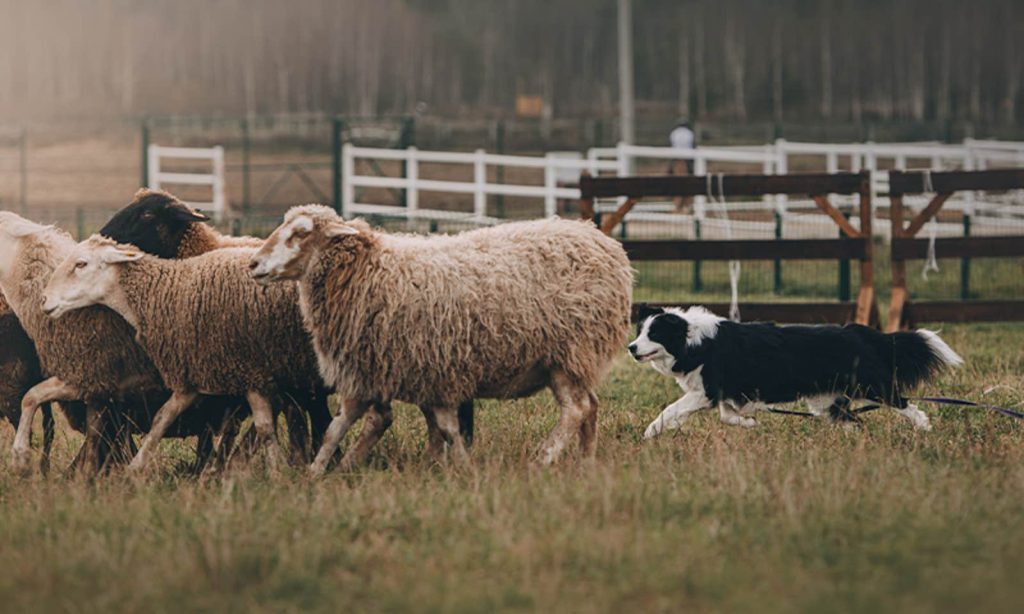
Have you ever noticed your dog chasing after other pets, people, or even moving objects? That’s herding behavior in action, a natural instinct in many dog breeds.
Understanding why your dog acts this way can help you manage their energy and keep them happy. You’ll discover what herding behavior means, why it happens, and how you can channel it to strengthen your bond with your furry friend.
Keep reading—you might be surprised by what your dog is really trying to tell you.

Credit: www.yahoo.com
Herding Instincts In Dogs
Herding is a natural behavior seen in many dog breeds. It helps control and move animals like sheep or cattle.
Dogs with herding instincts are smart and quick. They work closely with people to guide livestock safely.
Origins Of Herding Behavior
Herding behavior began thousands of years ago. Early humans trained dogs to help manage farm animals.
Dogs with strong instincts to gather and move animals were chosen. This skill helped farms grow and thrive.
Common Herding Breeds
Some dog breeds show strong herding traits. These dogs are often used on farms and ranches worldwide.
- Border Collie
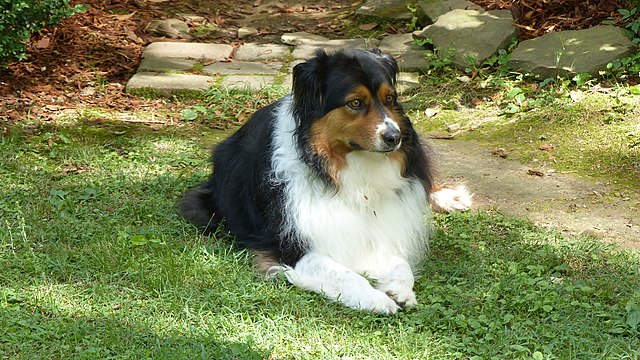
- Australian Shepherd
- German Shepherd
- Belgian Malinois
- Old English Sheepdog
- Collie
Traits Of Herding Dogs
Herding dogs are alert and very focused. They watch animals closely and respond quickly to commands.
These dogs have high energy and need regular exercise. They enjoy having a job to do and learning new skills.
- Intelligent and easy to train
- Strong natural drive to herd
- Good stamina and agility
- Loyal and protective of their group
- Often sensitive to human emotions
Credit: www.wikiwand.com
Signs Of Herding Behavior
Herding behavior is a natural instinct in many dog breeds. It shows how dogs control the movement of other animals or people.
Recognizing signs of herding helps owners understand their dog’s needs and actions better.
Typical Herding Actions
Dogs use specific moves when herding. These actions help guide or gather animals into a group.
Common herding actions include chasing, circling, and nipping gently at heels.
- Staring intensely at the target
- Moving in wide circles around animals
- Quickly darting to change direction
- Nudging or lightly biting to guide movement
- Standing close to block or stop animals
Behavioral Patterns To Watch
Herding dogs show certain patterns regularly. Watching these helps identify their instinctive drive.
These patterns often appear during play or when the dog is focused on moving others.
- Persistent focus on moving objects or animals
- Following or chasing moving targets
- Using body posture to control direction
- Repeated circling around people or pets
- Showing excitement or restlessness when herding tasks are possible
Distinguishing Herding From Other Behaviors
Not all chasing or biting is herding. It is important to tell herding apart from play or aggression.
Herding is controlled and purposeful. It is not harmful or rough like aggression.
- Herding involves focused attention on guiding movement
- Play chasing is less focused and more random
- Aggressive biting is hard and causes pain
- Herding nips are gentle and used to guide, not hurt
- Herding dogs use body language to control direction calmly
Benefits Of Herding Instincts
Herding instincts give dogs many useful skills. These skills help them work with people and animals. They also keep dogs active and happy.
Understanding these instincts helps owners provide good care. It also strengthens the bond between dog and owner.
Working Roles For Herding Dogs
Herding dogs play many roles on farms and ranches. They guide livestock safely. Their instincts make them good at controlling animal groups.
- Moving sheep or cattle from one place to another
- Keeping animals together in a group
- Helping to protect animals from dangers
- Assisting farmers with daily animal care
Mental Stimulation And Exercise
Herding dogs need mental challenges to stay happy. Herding activities provide both exercise and brain work. This helps reduce boredom and stress.
| Benefit | Description |
| Physical Fitness | Running and moving keep muscles strong |
| Mental Alertness | Planning moves and reacting sharpen the mind |
| Behavior Improvement | Regular work reduces unwanted behaviors |
| Energy Release | Daily activity helps dogs relax at home |
Bonding Through Herding Activities
Working together on herding tasks builds trust. Dogs learn to follow commands and read body language. Owners enjoy spending quality time with their dogs.
Ways to bond with your herding dog:
- Practice simple herding commands regularly
- Use positive rewards during training
- Include play sessions that mimic herding moves
- Attend herding classes or trials together
Challenges Of Herding Behavior
Herding behavior in dogs is natural but can cause problems. It is strong in breeds like Border Collies and Australian Shepherds.
Owners need to understand these challenges to keep their dogs and families happy. Managing herding drives is important for daily life.
Potential Behavioral Issues
Dogs with herding instincts may nip or chase people and animals. This can cause stress and safety concerns.
They might also become easily bored, leading to destructive actions like chewing or digging.
- Chasing moving objects or people
- Nipping at heels or fingers
- Excessive barking or whining
- Destructive behavior from boredom
Impact On Family And Other Pets
Herding dogs can be demanding and need lots of attention. This may be hard for busy families.
Other pets may feel stressed by the herding dog’s chasing and nipping. This can cause tension in the home.
- Family members must give daily exercise and training
- Small pets might get chased or scared
- Children need supervision around herding dogs
- Consistency in rules helps reduce conflicts
Managing Overactive Herding Drives
Training helps control herding behavior. Teaching commands like “stop” or “leave it” is important.
Regular exercise burns energy and lowers stress. Using toys and puzzles can keep the dog busy.
- Provide daily physical and mental activities
- Use positive reinforcement training
- Redirect chasing or nipping to toys
- Set clear boundaries and rules
Training Techniques For Herding Dogs
Herding dogs have natural instincts to control animals. Training helps guide these instincts properly.
Good training makes herding dogs safe and useful around animals and people.
Positive Reinforcement Methods
Positive reinforcement means rewarding good behavior to encourage it. Use treats, praise, or toys as rewards.
Reward your dog right after it follows a command. This helps them understand what you want.
- Give treats for listening and following commands
- Use a happy voice to praise good work
- Keep training sessions short and fun
- Ignore unwanted behavior instead of punishing
Redirecting Herding Urges
Herding dogs try to chase or control moving things. Redirect this urge to safe activities.
Use toys or games that let your dog herd in a controlled way. This keeps them busy and happy.
- Teach your dog to herd balls or soft toys
- Use commands to stop chasing unwanted targets
- Practice obedience to control impulses
- Give plenty of exercise to reduce excess energy
Socialization Strategies
Socialization helps herding dogs get used to new places, animals, and people. This lowers stress and fear.
Expose your dog to different situations early. Reward calm behavior to build confidence.
- Introduce your dog to other dogs and animals
- Visit busy places with your dog on a leash
- Invite guests to your home for friendly visits
- Keep social sessions short and positive

Credit: rockykanaka.com
Activities To Channel Herding Instincts
Herding dogs have strong instincts that need engagement. Activities can help focus their energy.
These activities provide mental and physical stimulation. They can also strengthen your bond with your dog.
Agility And Obedience Training
Agility courses are perfect for herding dogs. They offer a way to use speed and intelligence.
- Set up a simple obstacle course at home.
- Enroll in a local agility class for structured training.
- Practice basic commands like sit, stay, and come.
Herding Trials And Sports
Herding trials simulate real-life herding tasks. They can help dogs use their natural skills.
Consider joining a herding club. They often organize trials and events.
Interactive Toys And Games
Interactive toys keep herding dogs engaged. They challenge their problem-solving abilities.
| Toy Type | Purpose |
| Puzzle Toys | Encourage problem-solving |
| Fetch Toys | Improve agility |
| Treat Dispensers | Provide mental stimulation |
When To Seek Professional Help
Herding dogs often show strong instincts and behaviors. Sometimes, these can lead to issues that need extra attention. Knowing when to get help is key to a happier dog.
Professional guidance can make a difference if your dog struggles with behavior. Let’s explore signs and solutions.
Signs Of Behavioral Problems
Identifying behavioral issues early can prevent bigger problems. Look for these signs.
- Excessive barking or whining
- Aggression towards other animals
- Destructive chewing or digging
- Over-excitement or anxiety
Choosing The Right Trainer
Finding a good trainer involves research and understanding your dog’s needs. The right trainer uses methods that suit both you and your pet.
| Trainer Type | Specialization |
| Positive Reinforcement | Focuses on rewards |
| Behaviorist | Handles complex issues |
| Obedience Trainer | Basic commands and manners |
Therapeutic Approaches
Various therapies can help manage your dog’s behavior. These approaches aim to reduce stress and improve well-being.
Consult with a veterinarian for therapies like:
- Medication for anxiety
- Herbal supplements
- Specialized diets
Frequently Asked Questions
What Is Herding Behavior In Dogs?
Herding behavior is an instinctive action where dogs control the movement of animals. It is common in breeds like Border Collies. This behavior helps dogs guide livestock efficiently. It is a natural skill used in farming and ranching.
Why Do Some Dogs Exhibit Herding Instincts?
Dogs with herding instincts were bred to manage livestock. This trait is inherited genetically. They show behaviors like chasing, circling, and nipping to control animals. Even pet dogs may display these actions instinctively.
How Can I Manage Herding Behavior In My Dog?
Provide regular exercise and mental stimulation to reduce excess energy. Training and socialization help redirect herding instincts appropriately. Using commands like “stop” or “leave it” can control unwanted herding. Consistent positive reinforcement supports good behavior.
Can Herding Behavior Cause Problems For Pet Owners?
Yes, herding dogs may nip, chase children, or other pets. Without proper training, this behavior can become problematic. Understanding the dog’s needs and providing outlets is essential. Early training reduces the risk of behavioral issues.
Conclusion
Herding behavior shows how dogs use instinct to guide and protect. Many breeds have strong herding drives from their history. This behavior helps dogs stay focused and active. Training can shape herding into good habits. Understanding this trait helps owners manage energy and actions.
Dogs feel happy when they have a job to do. Watching herding behavior can be both fun and useful. It shows the special bond between dogs and humans. Every dog’s herding style is unique and worth respecting.

Emily Barker is the founder of ChillDogLife.com, a space dedicated to helping pup parents discover the best dog products, lifestyle tips, and cozy ideas for happier homes.
A lifelong dog lover, Emily combines her passion for pets with a knack for research to share trusted recommendations on everything from toys and furniture to health and everyday care.
Her goal is simple: to make life easier, stylish, and more joyful for dogs and the people who love them.




