
Are you wondering if neutering your dog will change how they act? It’s a question many pet owners ask before making this important decision.
You want to know if your furry friend will become calmer, less aggressive, or just different in some way. Understanding how neutering can affect your dog’s behavior helps you prepare for the changes and make the best choice for their health and happiness.
Keep reading to discover the real impact neutering can have on your dog and what you can expect afterward.

Credit: www.adoptapet.com
Behavioral Changes After Neutering
Neutering a dog can cause changes in its behavior. These changes happen because of hormone shifts.
Some dogs show clear behavior differences after neutering. Others may change very little.
Common Positive Effects
Neutering often reduces some unwanted behaviors. It lowers the chance of aggression and roaming.
- Less marking territory with urine
- Reduced aggression towards other dogs
- Lower tendency to roam in search of mates
- Calmer and less anxious behavior
- Improved focus and trainability
Potential Negative Effects
Some dogs may gain weight after neutering because their metabolism slows. Lack of exercise can make this worse.
In rare cases, neutered dogs might show increased fear or anxiety. Changes in playfulness or energy levels can also happen.
- Weight gain if diet is not controlled
- Possible increase in anxiety or fearfulness
- Lower energy or less playfulness
- Risk of some health issues like joint problems
Variations By Dog Breed
Different breeds react differently to neutering. Some breeds show bigger behavior changes than others.
Large breeds might have slower recovery and more weight gain. Small breeds often adjust faster and have fewer problems.
- Working breeds may show less drive after neutering
- Terriers might keep their energy and playfulness
- Herding breeds can become calmer but stay alert
- Small breeds usually adapt quickly with mild changes
Credit: southeastoakvillevet.ca
Hormones And Their Role
Hormones play a big part in a dog’s behavior. They control many actions and feelings.
Neutering changes hormone levels. This can change how dogs act in many ways.
Impact Of Testosterone
Testosterone is the main male hormone in dogs. It affects their energy and behavior.
Neutering lowers testosterone. This can reduce some strong behaviors linked to this hormone.
Effect On Aggression
Testosterone can increase aggression in dogs. Some dogs become more protective or hostile.
Lower testosterone often means less aggressive behavior. Neutered dogs tend to be calmer.
- Less fighting with other dogs
- Reduced biting or snapping
- Calmer in stressful situations
Influence On Marking And Roaming
Testosterone makes male dogs mark territory by urinating. It also makes them roam to find mates.
Neutering lowers this urge. Dogs mark less and stay closer to home after neutering.
- Less frequent urine marking indoors or outdoors
- Reduced desire to roam far from home
- Lower risk of accidents or getting lost
Age And Timing Factors
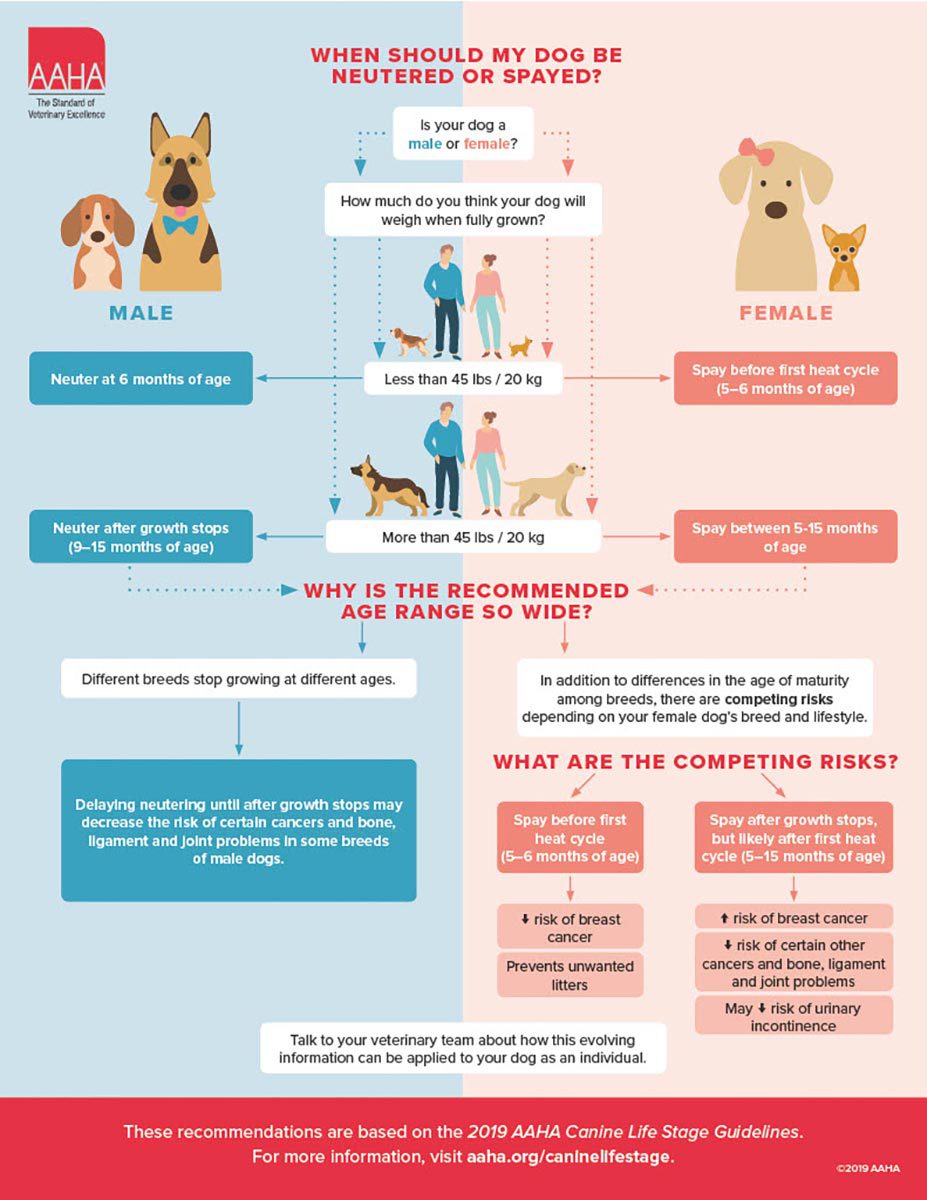
Neutering a dog can change its behavior. The age at which a dog is neutered plays a big role. Timing affects the benefits and outcomes of neutering.
Understanding when to neuter helps pet owners make the best choice for their dog’s health and behavior.
Early Neutering Benefits
Neutering dogs early, usually before six months, can lower some unwanted behaviors. These include less aggression and reduced marking.
- Reduces risk of certain cancers
- Decreases roaming and fighting
- Limits marking territory with urine
- May reduce mounting and dominance behaviors
Late Neutering Outcomes
Neutering a dog after it matures can still change behavior. But some habits may be harder to stop.
| Behavior | Effect of Late Neutering |
| Aggression | May reduce but not eliminate |
| Marking | Often continues in some dogs |
| Roaming | Less likely to stop |
| Mounting | May persist despite neutering |
Ideal Age For Behavior Impact
The best age to neuter depends on breed and size. Small breeds mature faster than large breeds.
- Consult your vet about your dog’s breed and health
- Consider neutering between 6 to 12 months for most dogs
- Watch your dog’s behavior to see if neutering is needed later
- Adjust timing if your dog has special health issues
Myths Vs Facts
Neutering a dog can change behavior, but many ideas about it are not true. Some people think neutering causes big problems. Others believe it solves all issues.
This article clears up common myths. It shows facts about neutering and behavior. Learn what really happens after neutering.
Neutering And Weight Gain
Many believe neutering makes dogs gain too much weight. It can lower metabolism a bit. But weight gain depends on food and exercise. Neutering does not cause weight gain alone.
- Neutering lowers energy needs slightly.
- Feeding the same amount as before can cause weight gain.
- Exercise helps keep dogs fit after neutering.
- Proper diet control is important for all dogs.
Neutering And Energy Levels
Neutering may reduce some dogs’ activity. This effect varies by dog. Some dogs stay very active. Others may seem calmer. Energy changes depend on age and breed too.
| Energy Change | Possible Cause |
| Reduced energy | Lower sex hormones |
| No change | Individual dog differences |
| Increased calmness | Less roaming behavior |
Neutering As A Cure-all
Some think neutering fixes all behavior problems. This is not true. Neutering helps with some behaviors but not all. Training and care are still needed.
Behaviors neutering can help reduce:
- Marking territory with urine
- Roaming to find mates
- Aggression linked to hormones
Behaviors neutering does not fix:
- Fearfulness or anxiety
- Bad habits from poor training
- Social problems with other dogs
Alternatives To Neutering
Neutering is a common way to change dog behavior. Some owners want other options. These alternatives can help manage your dog’s behavior without surgery.
Below are some choices that focus on training, medical care, and lifestyle changes. Each can support good behavior in dogs.
Behavioral Training
Training helps dogs learn good habits and control impulses. It reduces unwanted behaviors like aggression and marking.
- Positive reinforcement rewards good behavior
- Consistent commands help dogs understand expectations
- Early socialization with other dogs and people
- Redirecting attention from bad to good actions
- Professional trainers can tailor plans for your dog
Medical Options
Some medications can affect hormones or calm anxiety. These help control behaviors linked to aggression or restlessness.
| Medication Type | Purpose | Notes |
| Hormone blockers | Reduce sexual drive | Use under vet guidance |
| Anti-anxiety drugs | Calm nervous dogs | May need long-term use |
| Behavior modifiers | Control aggression | Combine with training |
Lifestyle Adjustments
Changing your dog’s daily routine can improve behavior. Exercise and mental stimulation keep dogs happy and less likely to act out.
- Daily walks to burn off energy
- Interactive toys to challenge the mind
- Regular social time with other dogs
- Clear boundaries and routines at home
- Calm spaces for rest and relaxation
Owner’s Role In Behavior Management
As a dog owner, you play a significant role in shaping your dog’s behavior. Consistent training, exercise, and positive reinforcement techniques can help manage your dog’s behavior and strengthen your bond with them.
Consistent Training
Consistent training is essential for teaching your dog good behavior and preventing bad habits. Set clear rules and boundaries, and ensure all family members are using the same commands and rewards.
Start with basic obedience commands like “sit,” “stay,” and “come.” Be patient and consistent, and reward good behavior with treats and praise.
- Set clear rules and boundaries
- Use consistent commands and rewards
- Be patient and reward good behavior
Exercise And Stimulation
Exercise and mental stimulation are crucial for your dog’s physical and mental health. Regular walks, playtime, and mental stimulation can help prevent boredom, anxiety, and destructive behavior.
Provide a variety of activities, such as fetch, agility training, and scent work. Rotate toys and activities regularly to keep your dog engaged and interested.
- Provide regular walks and playtime
- Engage your dog’s mind with puzzle toys and scent work
- Rotate toys and activities regularly
Positive Reinforcement Techniques
Positive reinforcement techniques focus on rewarding good behavior rather than punishing bad behavior. This approach helps build trust and strengthens your bond with your dog.
Use treats, praise, and affection to reward good behavior. Be specific with your rewards, and phase them out as your dog becomes more reliable.
- Treats and praise
- Playtime and affection
- Verbal rewards and encouragement
Long-term Effects On Behavior
Neutering a dog can have a significant impact on its behavior over time. While some changes occur immediately after the procedure, others may take months or even years to develop.
Behavior Stability Over Time
Research suggests that neutered dogs tend to exhibit more stable behavior over time compared to intact males. This stability is particularly evident in their reduced aggression and roaming behavior.
Studies have shown that neutered dogs are less likely to engage in undesirable behaviors such as mounting, humping, and spraying. These changes are often noticeable within a few months after the procedure.
Changes In Social Interaction
Neutering can affect a dog’s social interaction with other animals and humans. Some dogs may become more affectionate and playful, while others may become more reserved or even fearful.
- Neutered dogs may be more likely to form close bonds with their owners
- They may be less aggressive towards other dogs, especially if socialized properly
- However, some neutered dogs may experience increased anxiety or fear around other animals
Impact On Anxiety And Fear
Neutering can have a profound impact on a dog’s anxiety and fear levels. Some dogs may experience a significant reduction in anxiety, while others may develop new fears or phobias.
Research suggests that neutering can reduce anxiety in dogs by decreasing their stress hormone levels. However, this reduction in anxiety may also be accompanied by increased fear or wariness around new or unfamiliar stimuli.
Credit: zigly.com
Frequently Asked Questions
Does Neutering Reduce Aggressive Behavior In Dogs?
Neutering often lowers aggression by reducing testosterone levels. However, behavior changes depend on the dog’s personality and environment. It can help curb dominance and territorial behaviors but is not a guaranteed solution for all aggressive tendencies.
How Soon After Neutering Do Behavior Changes Appear?
Behavior changes can begin within days to weeks after neutering. Some improvements, like reduced roaming or marking, may take longer. Patience is key, as full behavioral adjustment can take several months.
Will Neutering Affect My Dog’s Energy Levels?
Neutering may slightly reduce energy levels due to hormone changes. Many dogs become calmer and less hyperactive post-surgery. However, regular exercise and mental stimulation remain important to maintain healthy activity levels.
Can Neutering Stop A Dog From Roaming?
Yes, neutering often reduces roaming as dogs lose the urge to seek mates. This can decrease wandering and the risk of accidents or fights. Still, training and supervision are essential for safety.
Conclusion
Neutering can help change some dog behaviors but not all. It often reduces aggression and roaming urges. Training and care still play a big role in behavior. Each dog reacts differently after neutering. Think about your dog’s needs and talk to a vet.
Neutering is one step toward a calm, happy pet. Patience and love make the biggest difference in behavior changes. Your dog will thank you in many ways.

Emily Barker is the founder of ChillDogLife.com, a space dedicated to helping pup parents discover the best dog products, lifestyle tips, and cozy ideas for happier homes.
A lifelong dog lover, Emily combines her passion for pets with a knack for research to share trusted recommendations on everything from toys and furniture to health and everyday care.
Her goal is simple: to make life easier, stylish, and more joyful for dogs and the people who love them.




