
Have you ever wondered if feeding your dog raw meat could make them aggressive? It’s a question many dog owners ask but don’t always get a clear answer to.
You want what’s best for your furry friend, and understanding how their diet affects their behavior is key. You’ll discover the truth behind raw meat and dog aggression, helping you make confident choices for your pet’s health and happiness. Keep reading to find out what really happens when dogs eat raw meat—and why it matters to you.
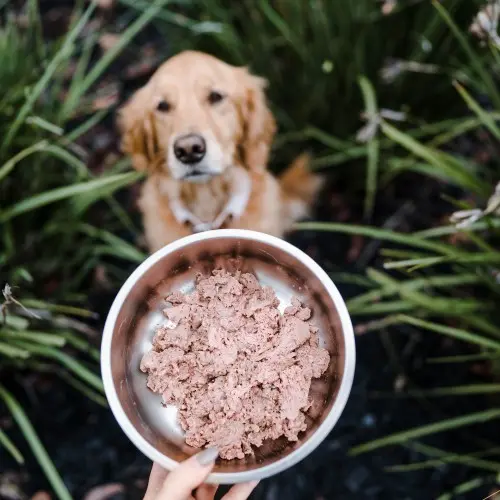
Credit: wefeedraw.com
Raw Meat And Dog Behavior
Feeding raw meat does not directly cause aggression in dogs. Behavior depends more on training and environment than diet. Some dogs may show excitement, but this is not the same as aggression.
Raw Meat and Dog Behavior Feeding your dog raw meat can be a hot topic among pet owners. Some swear by it, claiming it aligns with a dog’s natural diet. Others worry it might affect their dog’s behavior, especially in terms of aggression.Common Beliefs About Raw Diets
There are many beliefs surrounding raw diets for dogs. Some people think it makes dogs more aggressive, associating raw meat with a heightened prey drive. Others argue that raw diets improve overall health and vitality, leading to a calmer disposition. It’s also common to hear that raw diets can make dogs more energetic. While energy is a positive change, is it always beneficial? If a dog is already hyperactive, this might be something to consider.Behavioral Changes Observed
Many dog owners report noticeable changes when switching to a raw diet. Increased energy levels and shinier coats are frequently mentioned. But what about behavior? A friend of mine noticed her dog’s attention span improved after switching to raw meat. It was unexpected, but she found her dog more focused during training sessions. Can a diet really make such a difference? You might wonder if the aggression concern is valid. Some studies suggest no direct link between raw meat and aggression in dogs. However, individual responses can vary, and it’s crucial to monitor your dog’s behavior closely. What changes have you observed in your pet’s behavior after a diet change? It’s essential to pay attention to these shifts, as they can offer insights into your dog’s health and well-being.Scientific Insights On Diet And Aggression
Understanding whether raw meat influences a dog’s aggression requires looking at scientific evidence connecting diet to behavior. Researchers study how different nutrients affect brain chemistry and mood, which can impact how your dog reacts in various situations. Let’s dive into what science reveals about diet and aggression in dogs.
Nutritional Impact On Canine Mood
Dogs need a balanced diet to maintain stable moods and good behavior. Nutrients like omega-3 fatty acids, amino acids, and vitamins play a key role in brain function. Lack of these can lead to irritability or anxiety, which might be mistaken for aggression.
Raw meat provides high protein and certain fats that support healthy brain function. But an unbalanced raw diet missing essential vitamins or minerals can cause issues. Have you ever noticed a change in your dog’s behavior after switching their food? That change could be linked to how well their diet supports their mental health.
Studies Linking Diet To Aggression
Scientific studies show mixed results about raw meat and aggression. Some research suggests that diets rich in protein can increase energy levels, which might make a dog more excitable but not necessarily aggressive. Others find no direct link between raw diets and aggressive behavior.
One study found dogs fed a balanced raw diet had fewer anxiety-related behaviors compared to those on commercial kibble. Anxiety often triggers aggression, so reducing it can lead to calmer dogs. This means the quality and balance of the diet matter more than simply whether it includes raw meat.
- Balanced nutrients help regulate mood-related brain chemicals
- Overfeeding protein without vitamins can cause irritability
- Behavior changes often reflect overall diet quality, not just raw meat presence
What steps can you take to ensure your dog’s diet supports a calm and happy temperament? Consider consulting a vet or canine nutritionist to tailor a meal plan that fits your dog’s specific needs.
Factors Influencing Aggression In Dogs
Aggression in dogs does not stem from a single cause. Multiple factors shape a dog’s behavior. Understanding these helps to see if raw meat influences aggression.
Each dog is unique. Their genetics, training, and environment play big roles. Knowing these factors offers clear insight into a dog’s temperament.
Genetics And Breed Traits
Some dog breeds have natural guarding or hunting instincts. These instincts can sometimes look like aggression. Genetics pass these traits down from parents to puppies. Yet, not all dogs of a breed are aggressive. Individual differences always exist.
Training And Socialization
How a dog is trained affects its behavior greatly. Positive training builds trust and reduces fear. Early socialization helps dogs meet new people and animals calmly. Poor training or lack of socialization can lead to fear or aggression.
Environmental Stressors
Stressful surroundings cause anxiety in dogs. Loud noises, crowded spaces, or sudden changes can trigger aggression. Dogs need safe and calm environments to feel secure. Stress can make even gentle dogs act out.

Credit: pawfectlyrawne.com
Raw Meat Safety And Handling
Feeding your dog raw meat requires more than just choosing the right cut. Handling and safety are crucial to protect both your pet and your household from potential health risks. Understanding how to properly manage raw meat can help you avoid common pitfalls that might otherwise lead to illness.
Risks Of Contamination
Raw meat can carry harmful bacteria like Salmonella and E. coli, which may not affect your dog but can pose risks to humans. Cross-contamination is a real concern—bacteria from raw meat can spread to your kitchen surfaces, utensils, and even other foods.
Have you ever noticed strange odors or slimy textures on meat? These signs often mean bacteria are multiplying, increasing the chance of contamination. Even if your dog seems fine, these bacteria can cause serious infections in people, especially children and the elderly.
Proper Storage And Preparation
Keep raw meat cold at all times. Store it in sealed containers or bags on the bottom shelf of your fridge to prevent juices from dripping onto other foods. Freezing raw meat can also kill some parasites but doesn’t eliminate all bacteria.
Wash your hands thoroughly before and after handling raw meat. Use separate cutting boards and utensils for raw meat and other foods to reduce cross-contamination risks. Cleaning surfaces with hot, soapy water or a disinfectant after preparation makes a big difference.
Have you thought about prepping raw meals in small batches? This minimizes waste and lowers the chance of spoilage. Remember, fresh is best—not only for taste but for safety too.
Alternatives To Raw Meat Diets
Choosing the right diet for your dog is important for their health and behavior. Some owners prefer raw meat diets. Others want safe, balanced alternatives that support growth and energy without risks.
Many options exist for feeding dogs without raw meat. These diets provide essential nutrients and keep dogs happy and calm. Exploring alternatives helps maintain your dog’s well-being and prevents unwanted behavior changes.
Commercial Raw Diet Options
Commercial raw diets offer convenience and safety. These products are often frozen or freeze-dried. They include balanced nutrients designed for dogs.
- Prepared with hygiene standards to reduce bacteria
- Contain vitamins and minerals for complete nutrition
- Easy to store and serve at home
- Available in different flavors and formulas
This option keeps the raw diet idea without handling fresh raw meat. It reduces risks of contamination and aggressive behavior linked to poor diet quality.
Cooked And Balanced Diets
Cooked diets are another healthy choice. Cooking meat kills harmful bacteria while keeping nutrients. Combining cooked meat with vegetables and grains creates balanced meals.
- Safer than raw diets for bacteria control
- Supports healthy digestion and energy levels
- Can be tailored to specific dog needs
- Easy to prepare with simple ingredients
These diets help avoid health issues sometimes caused by raw meat. Dogs often enjoy the taste and variety. Properly balanced cooked meals support calm and friendly behavior.
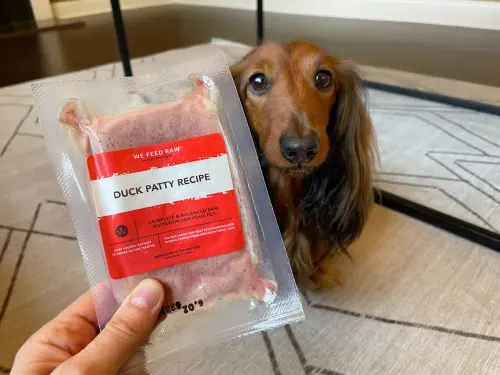
Credit: wefeedraw.com
Making Informed Feeding Choices
Choosing what to feed your dog can feel overwhelming, especially with debates around raw meat and its effects on behavior. Making informed feeding choices means looking beyond opinions and focusing on what truly benefits your dog’s health and temperament. It involves careful research, professional advice, and close observation of your dog’s reactions.
Consulting Veterinarians
Your veterinarian is a valuable resource when deciding if raw meat is right for your dog. They can assess your dog’s health, breed tendencies, and nutritional needs to guide safe feeding practices.
Don’t hesitate to ask specific questions, such as:
- Could raw meat increase aggression in my dog’s breed or age group?
- What precautions should I take if I decide to feed raw meat?
- Are there alternative diets that support good behavior and health?
Veterinarians can also recommend balanced diets and supplements to ensure your dog gets the right nutrients without risking behavioral issues.
Monitoring Dog’s Behavior
After changing your dog’s diet, watch their behavior closely over several weeks. Look for signs of increased aggression, irritability, or anxiety.
Keep a journal noting:
- Feeding times and what your dog ate
- Any behavior changes, both positive and negative
- Situations that trigger aggression, if any
Ask yourself, does the new diet seem to calm or excite your dog? If you notice troubling behavior, it’s crucial to reconsider the diet and consult your vet. Your attentive observations help you make decisions tailored to your dog’s unique personality and needs.
Frequently Asked Questions
Does Raw Meat Increase Dog Aggression?
No, raw meat itself does not cause aggression in dogs. Behavior depends more on training and environment than diet.
Can Raw Meat Affect A Dog’s Behavior?
Raw meat can improve nutrition but does not directly impact behavior or aggression in dogs.
Is Feeding Raw Meat Safe For Dogs?
Feeding raw meat can be safe if handled properly to avoid bacterial contamination and balanced for nutrition.
What Causes Aggression In Dogs Besides Diet?
Aggression is usually caused by fear, lack of socialization, or past trauma, not by diet alone.
Conclusion
Raw meat alone does not make dogs aggressive. Many factors affect dog behavior. Training, socialization, and environment matter most. Feeding raw meat can be safe with care. Watch your dog’s reactions and health closely. Always choose quality food and consult a vet.
Aggression comes from many causes, not just diet. Understanding your dog helps build trust and calm. Keep feeding habits balanced and observe changes. Your dog’s happiness depends on love and good care.

Emily Barker is the founder of ChillDogLife.com, a space dedicated to helping pup parents discover the best dog products, lifestyle tips, and cozy ideas for happier homes.
A lifelong dog lover, Emily combines her passion for pets with a knack for research to share trusted recommendations on everything from toys and furniture to health and everyday care.
Her goal is simple: to make life easier, stylish, and more joyful for dogs and the people who love them.




