
Do you feel like your dog is trying to take control of your home? It can be frustrating and even a little scary when your furry friend acts dominant.
But don’t worry—breaking dominance in a dog is possible, and it starts with understanding what your dog is really trying to tell you. You’ll discover simple, effective steps to regain harmony and build a stronger bond with your dog. Keep reading, because the solution is closer than you think.
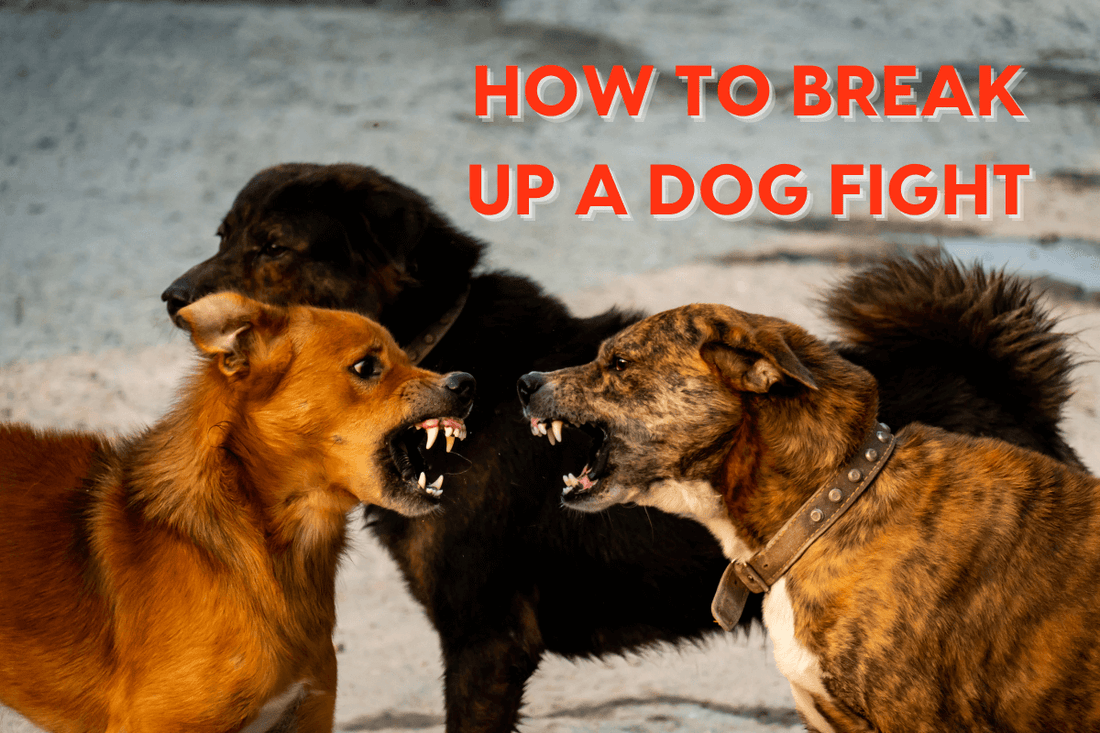
Credit: pupford.com
Signs Of Dominance In Dogs
Signs of dominance in dogs include growling, mounting, and refusing to follow commands. Breaking dominance involves consistent training, setting clear rules, and rewarding good behavior. Patience and calm leadership help your dog learn respect and reduce aggressive actions.
Understanding the signs of dominance in dogs is key to fostering a harmonious relationship with your furry friend. Recognizing these signs early on can prevent potential behavioral issues. You’ll be better equipped to guide your dog towards a more balanced and cooperative behavior.Body Language Cues
Dogs communicate a lot through their body language. A dominant dog may exhibit a stiff posture, standing tall with a raised head and tail. Eye contact can be more intense, with a direct and unyielding gaze. Notice if your dog tends to place a paw or head on you, as this can be a sign of asserting control. Ears positioned forward and fur raised along the back are other cues to watch for. You might observe these behaviors during interactions with other dogs or family members.Behavioral Patterns
Certain behaviors can indicate a dominant attitude in dogs. If your dog frequently ignores commands, it might be trying to assert itself. Another sign is resource guarding, where your pet becomes possessive over toys, food, or even you. Watch how your dog behaves with other animals. If it often tries to mount or pin other dogs, this could be a sign of dominance. Refusing to move when asked or pushing through doors ahead of you can also reflect a controlling demeanor.Common Triggers
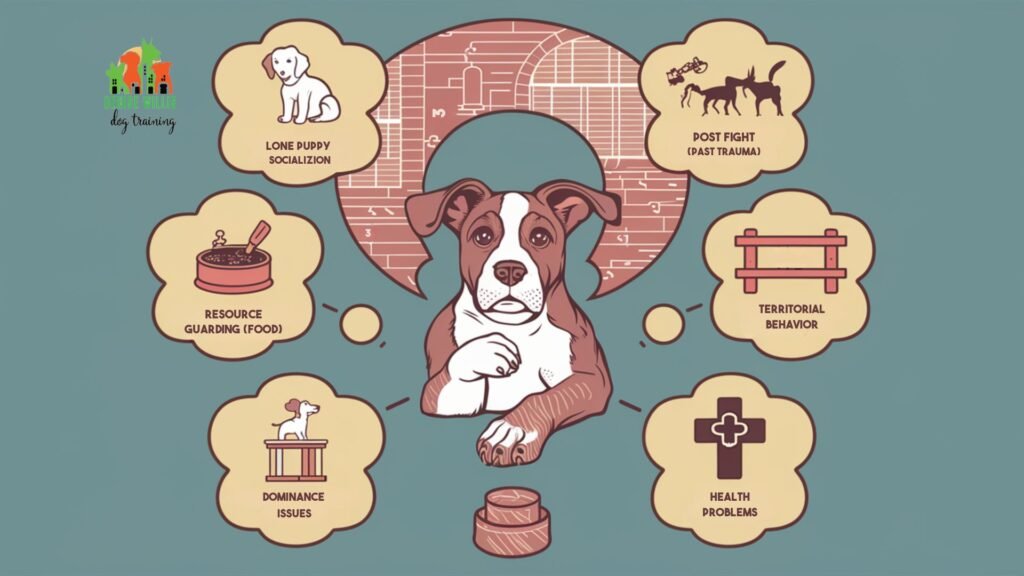
Understanding what triggers dominance in your dog can help you manage it effectively. Changes in environment, like moving to a new home, can sometimes unsettle a dog, leading to dominance as a coping mechanism. Interactions with strangers or new pets can also trigger dominant behavior. Reflect on any recent changes in your routine that might be affecting your dog. Have you noticed these signs in your dog? Identifying them is the first step towards addressing dominance and building a more balanced relationship.
Credit: www.dwdogtraining.com
Causes Of Dominant Behavior
Understanding the causes of dominant behavior in dogs is crucial if you want to address the issue effectively. Dominance is not just about a dog trying to take charge—it often stems from a mix of factors that shape their personality and actions. Identifying these causes can help you tailor your approach and create a more balanced relationship with your dog.
Genetic Factors
Some dogs are naturally more assertive due to their breed or lineage. Breeds originally bred for guarding or herding often show stronger dominant traits. This doesn’t mean dominance is fixed, but genetics can influence how likely your dog is to challenge authority.
Think about your dog’s background. Have you noticed if other dogs of the same breed behave similarly? Understanding this can help you set realistic expectations and work with your dog’s natural tendencies instead of against them.
Environmental Influences
Your dog’s surroundings and experiences shape their behavior significantly. Dogs raised in chaotic or inconsistent environments may develop dominance as a way to feel secure. Similarly, dogs left alone for long periods might assert control when they finally get attention.
Have you observed if your dog’s behavior changes in different settings? Sometimes a dog acts dominant at home but not outside. This shift can reveal environmental triggers you can manage to reduce dominance.
Training Gaps
Lack of clear rules and consistent training often leads to dominant behavior. If your dog doesn’t understand boundaries, they might test limits to find their place. Consistency in commands and expectations helps your dog feel secure and less likely to take charge.
Consider how you communicate with your dog daily. Are your commands clear and consistent? Filling these training gaps could be the key to breaking dominance and building respect.
Establishing Leadership
Establishing leadership is key to breaking dominance in a dog. Dogs need a clear leader to follow. This creates trust and calm behavior. Leadership is not about force but guidance. It requires patience and consistency to build respect.
Consistent Rules
Set simple rules for your dog to follow. Consistency helps dogs understand what is allowed. For example, decide if the dog can jump on furniture. Always apply the same rule every day. Mixed messages confuse dogs and weaken leadership.
Clear Boundaries
Boundaries define where your dog can and cannot go. Use physical barriers or commands to set these limits. Teach your dog to respect personal space and property. Clear boundaries reduce conflicts and challenge behaviors. Dogs feel safer knowing their limits.
Respectful Authority
Show calm and confident control without harshness. Use a firm voice and steady body language. Avoid yelling or punishment, which can cause fear. Respectful authority earns your dog’s trust and cooperation. Lead by example and stay patient during training.
Training Techniques To Balance Pack
Training techniques to balance pack dynamics help reduce dominance in dogs. These methods build respect and clear communication between you and your dog. Balanced training creates a calm, cooperative environment. It guides your dog to understand their place in the family without fear or aggression.
Positive Reinforcement
Positive reinforcement rewards good behavior. It encourages dogs to repeat actions you want. Use treats, praise, or toys as rewards. Reward your dog immediately after good behavior. This strengthens the connection between action and reward. Avoid punishment; it can increase fear and resistance.
Structured Commands
Structured commands give your dog clear rules to follow. Use simple words like “sit,” “stay,” and “come.” Be consistent with tone and gestures. Practice commands daily in short sessions. This builds your dog’s focus and respect. Clear commands reduce confusion and help your dog listen better.
Impulse Control Exercises
Impulse control exercises teach your dog patience and self-control. Try games like “wait” before eating or crossing doors. Use leash control to manage excitement during walks. Gradually increase difficulty to build discipline. These exercises help your dog think before acting. They reduce dominant behaviors linked to impulsiveness.
Managing Multi-dog Households
Managing a household with multiple dogs requires careful attention to balance and fairness. Each dog has its own personality and needs, which can affect how they interact and establish dominance. You need to create an environment where all dogs feel secure and respected without one overpowering the others.
Equal Attention
Giving equal attention to each dog prevents jealousy and competition. Dogs quickly pick up on favoritism, which can lead to increased tension and challenges to your authority. Spend dedicated time with each dog daily, whether it’s playtime, training, or simply cuddling.
Have you noticed how your dogs react when one gets all the attention? Try rotating activities so no dog feels left out. This simple habit helps maintain harmony and reduces dominance struggles.
Separate Feeding Areas
Feeding time is a common trigger for dominance issues. Dogs may guard their food or challenge others if they feel threatened. Set up separate feeding spots to avoid conflicts and stress.
Use different rooms or place bowls far apart to give each dog space. This setup encourages calm and focused eating, making mealtime peaceful. Have you ever seen your dogs growl or stiffen near the food bowls? Creating distance can stop these incidents before they start.
Conflict Resolution
Conflicts between dogs are inevitable but managing them calmly is key. When a dispute arises, avoid yelling or punishment; instead, interrupt the behavior with a firm but gentle command. Redirect their attention to a toy or activity to defuse tension quickly.
Observe what triggers fights: Is it a toy, space, or attention? Identifying triggers lets you prevent conflicts before they escalate. Have you tried rewarding calm behavior after a disagreement? Positive reinforcement teaches your dogs that peace wins more rewards than aggression.
Avoiding Common Mistakes
Breaking dominance in a dog requires patience and consistency. Avoiding common mistakes can save you from frustration and setbacks. Here are key errors to watch out for and how to steer clear of them.
Inconsistent Responses
Are you sometimes firm and other times lenient? Dogs pick up on mixed signals quickly. If you allow certain behaviors one day but scold them the next, your dog will be confused.
Consistency builds trust and clear boundaries. Decide on rules and stick to them every time. This helps your dog understand what you expect and reduces power struggles.
Physical Punishment
Using physical punishment might seem like a quick fix, but it often backfires. It can damage your bond and increase fear or aggression in your dog. Instead, focus on positive reinforcement and calm corrections.
Think about how you would react if someone used force on you. Would it make you listen or just feel resentful? Your dog feels the same way. Patience and kindness go a long way in gaining respect.
Ignoring Warning Signs
Does your dog show signs of discomfort or stress when you try to correct them? Growling, stiffening, or avoiding eye contact are warnings you should never ignore. These signals mean your dog feels threatened or overwhelmed.
Recognizing these signs early can prevent escalation. Adjust your approach by giving your dog space or trying a gentler method. Listening to your dog’s cues shows respect and helps you work together better.
When To Seek Professional Help
Knowing when to seek professional help can make all the difference in managing dominance issues in your dog. Sometimes, despite your best efforts, the problem may be too complex or risky to handle alone. Recognizing the signs that indicate it’s time to get expert support is crucial for both your safety and your dog’s well-being.
Behavioral Specialists
If your dog’s dominance leads to aggression, resource guarding, or uncontrollable behavior, a behavioral specialist can provide targeted guidance. These experts assess your dog’s specific triggers and design a customized behavior modification plan. Have you noticed persistent challenges that feel beyond your control? That’s a clear signal to reach out to someone trained in canine behavior.
Training Classes
Group or private training classes offer structured environments to reinforce your leadership and build your dog’s obedience. Professional trainers can spot subtle signs of dominance you might miss and teach you how to respond effectively. Attending classes also helps your dog learn social cues from other dogs, which can reduce dominance-related conflicts. Are you struggling to stay consistent or find the right techniques? A class might be exactly what you need.
Medical Evaluations
Sometimes, dominance-like behaviors stem from underlying health issues such as pain or neurological problems. A thorough medical check-up can rule out or identify conditions that affect your dog’s mood and behavior. Don’t overlook this step if your dog’s actions suddenly change or worsen. Could a health problem be driving your dog’s behavior? Only a vet can give you that answer.
Credit: www.dwdogtraining.com
Frequently Asked Questions
How Do I Recognize Dominance In My Dog?
Dominance shows through behaviors like aggression, stubbornness, and ignoring commands. Watch for resource guarding or refusal to obey. Early recognition helps manage and correct dominance effectively. Understanding these signs improves training outcomes and strengthens your bond with your dog.
What Are The Best Methods To Break Dog Dominance?
Consistent training, clear boundaries, and positive reinforcement work best. Avoid harsh punishment or physical force, which worsen behavior. Establish yourself as a calm, confident leader to gain your dog’s respect. Patience and routine are key to success.
Can Dominance In Dogs Be Corrected Without Professional Help?
Yes, many owners can manage mild dominance with proper techniques. Use firm commands, reward good behavior, and maintain consistent rules. However, severe cases may need a professional trainer’s guidance. Early intervention prevents dominance from escalating.
How Important Is Exercise In Reducing Dog Dominance?
Exercise reduces excess energy that can fuel dominant behavior. Regular walks, playtime, and mental stimulation keep your dog balanced. A well-exercised dog is calmer and more responsive to training. Exercise supports overall obedience and behavior improvement.
Conclusion
Breaking dominance in a dog takes time and patience. Stay calm and consistent every day. Use clear rules that your dog can follow. Reward good behavior with praise or treats. Avoid punishment; it can make problems worse. Understand your dog’s needs and feelings.
Build trust through gentle leadership, not force. Small steps lead to big changes. You can create a happier, balanced relationship. Keep learning and adapting as your dog grows. The effort will bring peace to both of you.

Emily Barker is the founder of ChillDogLife.com, a space dedicated to helping pup parents discover the best dog products, lifestyle tips, and cozy ideas for happier homes.
A lifelong dog lover, Emily combines her passion for pets with a knack for research to share trusted recommendations on everything from toys and furniture to health and everyday care.
Her goal is simple: to make life easier, stylish, and more joyful for dogs and the people who love them.




