
Does your dog gulp down food without chewing, leaving you worried about their digestion and health? You’re not alone, and the good news is that you can teach your furry friend to chew their food properly.
Chewing not only helps with better digestion but also supports dental health and prevents choking. You’ll discover simple, effective steps to encourage your dog to slow down and enjoy their meals safely. Keep reading—your dog’s wellbeing depends on it!
Credit: www.petscare.com
Why Dogs Swallow Food Whole
Dogs often swallow food whole because they eat quickly or feel competition. Slowing their eating with smaller portions or special bowls encourages chewing. Offering crunchy treats can also help your dog learn to chew more.
Why Dogs Swallow Food Whole Have you ever noticed your dog gulping down food without chewing? This behavior can be puzzling and even concerning for many dog owners. Understanding why dogs swallow food whole can help you address this issue effectively.Breed And Age Factors
Certain breeds are more prone to swallowing food whole due to their anatomical features. Dogs with shorter snouts like Bulldogs often find chewing a bit more challenging. Puppies, on the other hand, might not have fully developed chewing habits yet, and their excitement during mealtime can make them rush through their food.Behavioral Reasons
Some dogs might feel the need to eat quickly due to competition with other pets. If mealtime feels like a race, your dog may gulp to ensure they get enough to eat. Additionally, rescued dogs with a history of food scarcity might instinctively eat faster due to past experiences.Health Concerns
Swallowing food whole can sometimes indicate dental issues. If your dog has sore gums or teeth problems, they may avoid chewing because it hurts. Gastrointestinal issues can also play a part, as some dogs might swallow food quickly to avoid any discomfort associated with chewing. Breaking these habits can take some patience. Are there ways to slow down your dog’s eating pace? Absolutely! Try using a slow feeder bowl or spread out their food across a larger surface. This can naturally encourage your dog to take smaller bites and chew.Benefits Of Chewing Food Properly
Chewing food properly offers many benefits for your dog’s health. It helps the body break down food into smaller pieces. This makes eating safer and digestion easier. Teaching your dog to chew well supports their overall well-being. It also helps avoid common health issues linked to fast eating.
Improved Digestion
Chewing breaks food into smaller bits. This allows stomach acids to work better. Food mixes well with saliva, which starts digestion early. Proper chewing reduces stomach upset and gas. Your dog’s tummy can handle food more easily.
Better Nutrient Absorption
Smaller food pieces release nutrients faster. The body absorbs vitamins and minerals more effectively. Chewing well helps your dog get full benefits from meals. It supports strong bones, healthy skin, and good energy.
Reduced Choking Risk
Chewing food slowly reduces choking chances. Large pieces are harder to swallow and can block airways. Dogs that chew properly avoid dangerous situations. It keeps mealtime safe and calm for your pet.
Choosing The Right Food Type
Choosing the right food type plays a big role in teaching your dog to chew his food. Different foods have unique textures and sizes that affect chewing habits. Picking the right option can encourage your dog to take time while eating. This helps with digestion and prevents choking.
Dry Vs. Wet Food
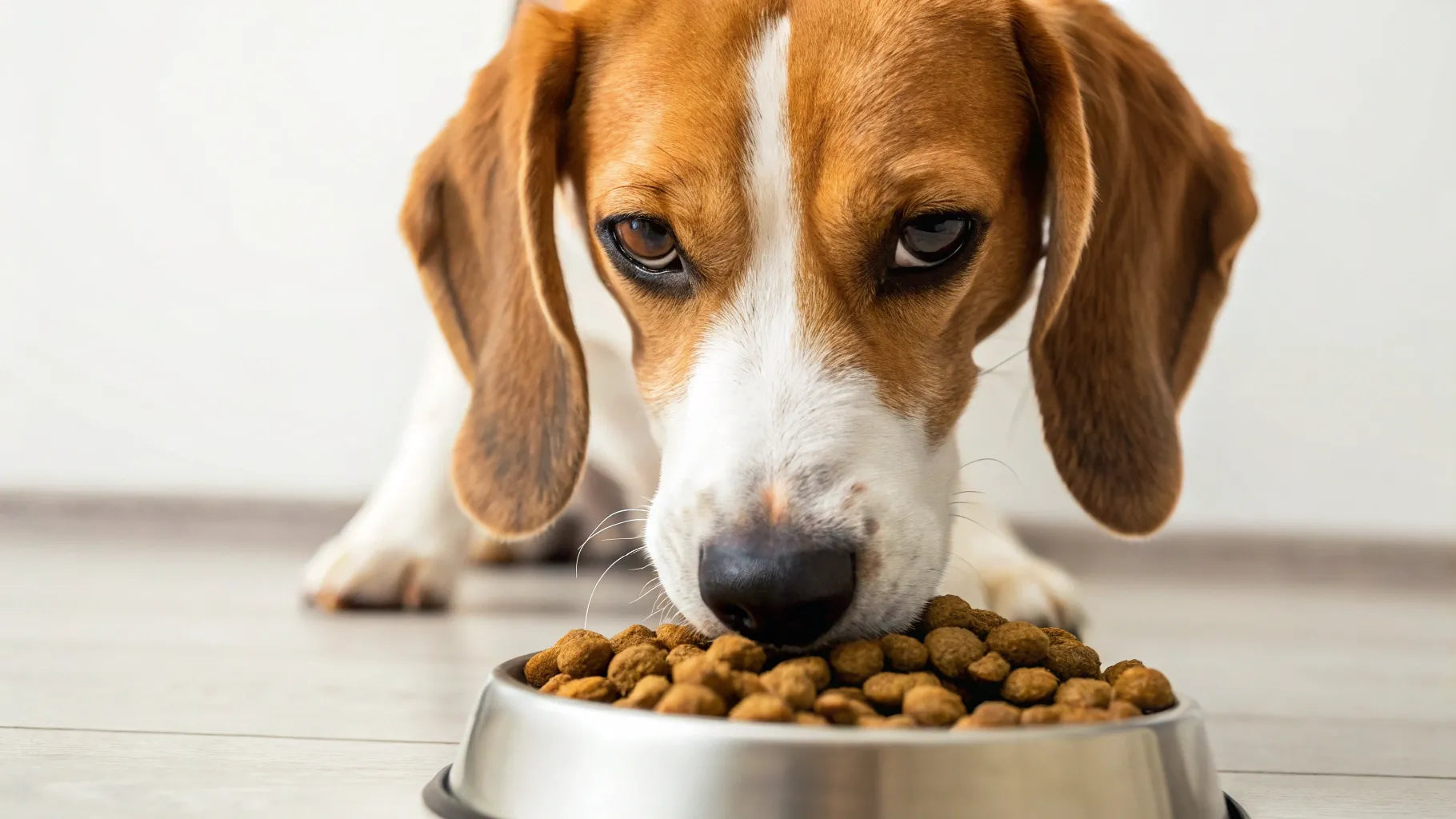
Dry food, or kibble, has a hard texture that makes dogs chew more. It helps clean teeth and slows down eating. Wet food is softer and easier to swallow quickly. Dogs often gulp wet food without chewing much.
Many dogs benefit from a mix of both. Dry food encourages chewing, while wet food adds flavor and moisture. Try offering dry food first, then a small amount of wet food as a treat.
Size And Texture Considerations
Food size affects how your dog chews. Large pieces force dogs to bite and chew more. Small pieces are easy to swallow whole. Adjust the size based on your dog’s breed and chewing ability.
Texture matters too. Crunchy and firm textures increase chewing time. Softer foods lead to faster swallowing. Experiment with different textures to find what keeps your dog chewing longer.
Training Techniques To Encourage Chewing
Getting your dog to chew his food properly can improve digestion and prevent choking. Training techniques that encourage chewing focus on creating a positive and engaging eating experience. These approaches help your dog slow down and enjoy each bite while making mealtime safe and fun.
Slow Feeding Bowls
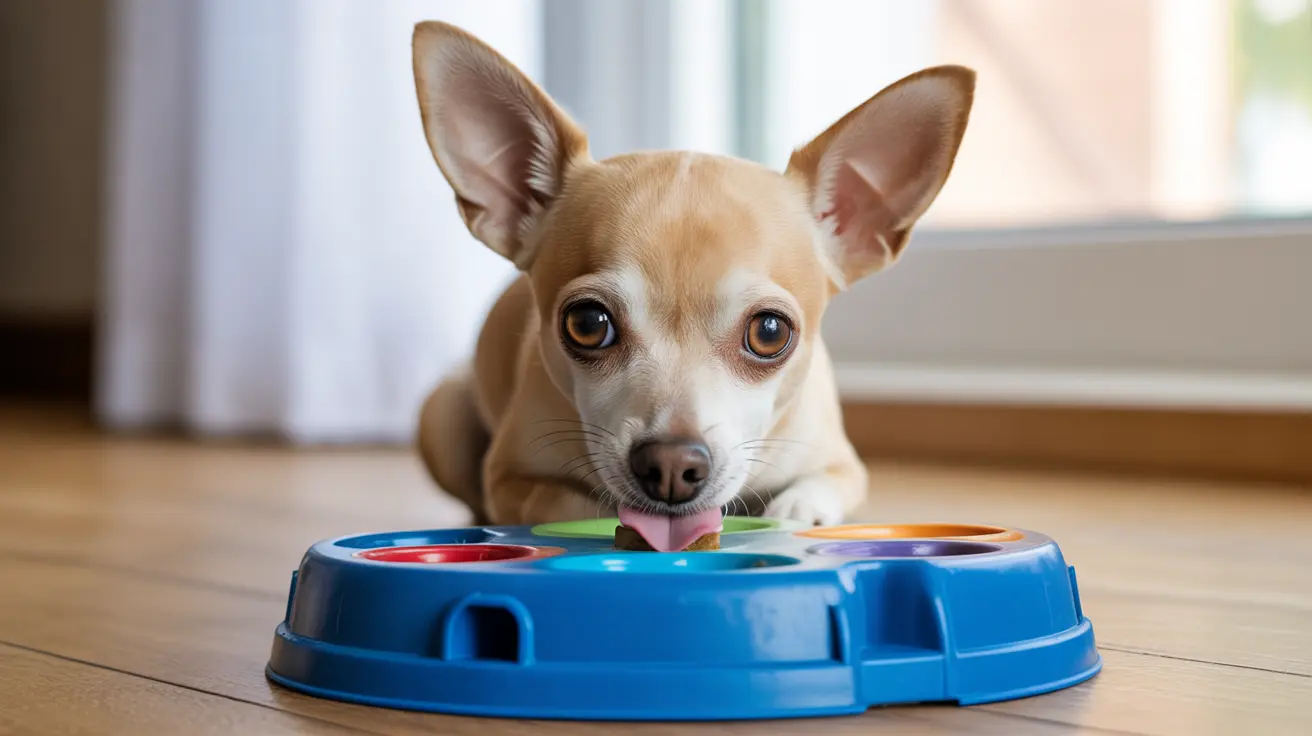
Slow feeding bowls are specially designed with ridges and obstacles that make your dog work a bit harder for each mouthful. This naturally encourages chewing as your dog navigates around the bowl’s features.
Using one of these bowls can turn mealtime into a stimulating activity. It also helps prevent gulping, which often leads to poor digestion and discomfort.
Hand-feeding Methods
Feeding your dog by hand allows you to control the pace and encourage chewing. Offer small amounts of food at a time and wait until your dog fully chews before giving more.
This technique builds trust and creates an opportunity to reinforce good chewing behavior. You can also observe closely how your dog eats and adjust as needed.
Positive Reinforcement
Reward your dog immediately when he chews properly. Use treats, praise, or gentle petting to signal that chewing is a good thing.
Consistency is key—every time your dog chews instead of gulping, reinforce the behavior. Over time, your dog will associate chewing with positive outcomes and naturally slow down.
Using Toys And Tools
Toys and tools can turn mealtime into a fun and engaging activity for your dog. They encourage slower eating and make your dog work a bit for their food, which helps improve chewing habits. Using the right toys and feeders can transform the way your dog approaches their meal.
Interactive Feeders
Interactive feeders are designed to slow down your dog’s eating pace and encourage chewing. These feeders often have puzzles or compartments that require your dog to nudge or paw to release small amounts of food.
Try feeders with ridges, mazes, or holes that make your dog work for each bite. These tools challenge your dog mentally and physically, making them chew more thoroughly.
I once switched to a slow-feed bowl for my dog who used to gulp down his food. It was amazing to see how he started chewing more just because he had to work a little harder. Have you noticed how your dog reacts to mealtime challenges?
Chew Toys For Distraction
Chew toys can keep your dog engaged and reduce the urge to swallow food quickly. Offering a chew toy before or after meals can satisfy their natural chewing instinct, making them less likely to rush through their food.
Choose durable toys that can withstand strong chewing but are still safe for your dog’s teeth. Toys filled with a bit of peanut butter or a small treat can keep your dog busy and encourage slower eating.
Using chew toys also helps divert your dog’s attention from gulping food to enjoying their chew time. Have you tried giving your dog a toy right after meals to see if it helps with digestion and chewing habits?

Credit: www.reddit.com
Addressing Anxiety And Excitement
Dogs often eat too quickly due to anxiety or excitement. This can cause choking or stomach problems. Addressing these feelings helps your dog chew better. Calm dogs enjoy their meals and eat safely.
Calming Strategies
Calm your dog before mealtime to reduce anxiety. Use gentle petting or soft talking to soothe them. Play quiet music or use a calming diffuser with dog-friendly scents. Avoid loud noises and sudden movements near feeding time. Try giving a short walk to help your dog relax before eating.
Consistent Feeding Routine
Feed your dog at the same times every day. A regular schedule creates a sense of security. Use the same quiet place for meals to avoid distractions. Keep feeding sessions short and calm. This routine lowers excitement and helps your dog focus on chewing.
When To Consult A Veterinarian
Knowing when to consult a veterinarian is crucial if your dog refuses to chew food. Ignoring issues can cause pain and worsen your dog’s health. Early action helps prevent serious problems and keeps your dog comfortable during meals.
Signs Of Dental Issues
Watch for signs of dental problems that may stop your dog from chewing. Look for:
- Bad breath that does not go away
- Red or swollen gums
- Broken or loose teeth
- Drooling more than usual
- Avoiding hard food or chewing on one side
These signs show your dog may have pain or infection. A vet can check teeth and gums carefully. Treatment can relieve pain and help your dog chew again.
Persistent Swallowing Problems
Difficulty swallowing can also make your dog avoid chewing. Notice if your dog:
- Coughs or chokes during meals
- Has trouble swallowing wet or dry food
- Shows signs of gagging or retching
- Refuses to eat despite hunger
These symptoms may signal a throat or mouth problem. A vet exam can find the cause. Early diagnosis is key to stop discomfort and feeding issues.
Credit: www.houndsy.com
Frequently Asked Questions
Why Won’t My Dog Chew His Food Properly?
Dogs may rush eating due to excitement or competition. Slow feeding bowls and smaller portions encourage chewing. Consistency and patience help develop better eating habits over time.
How Can I Train My Dog To Chew Food Slowly?
Use slow feeder bowls or puzzle toys to extend mealtime. Reward calm behavior and discourage gulping. Gradual training builds patience and proper chewing habits.
What Types Of Food Promote Chewing In Dogs?
Dry kibble and dental chews naturally encourage chewing. Avoid soft or wet foods that are easy to swallow whole. Providing chew toys also helps improve jaw strength.
Can Feeding Schedule Affect My Dog’s Chewing Habits?
Yes, regular feeding times reduce hunger-driven gulping. Feeding smaller, frequent meals prevents overeating and promotes thorough chewing. Routine encourages a calmer eating pace.
Conclusion
Helping your dog chew food takes time and patience. Offer smaller pieces and encourage slow eating. Use special bowls or toys to make chewing fun. Watch your dog closely and praise good habits. Keep meals calm and quiet to avoid rushing.
Consistency matters most for lasting change. Your dog will enjoy mealtime more with these tips. Remember, gentle guidance leads to better eating habits. Stay patient and keep trying every day.

Emily Barker is the founder of ChillDogLife.com, a space dedicated to helping pup parents discover the best dog products, lifestyle tips, and cozy ideas for happier homes.
A lifelong dog lover, Emily combines her passion for pets with a knack for research to share trusted recommendations on everything from toys and furniture to health and everyday care.
Her goal is simple: to make life easier, stylish, and more joyful for dogs and the people who love them.




