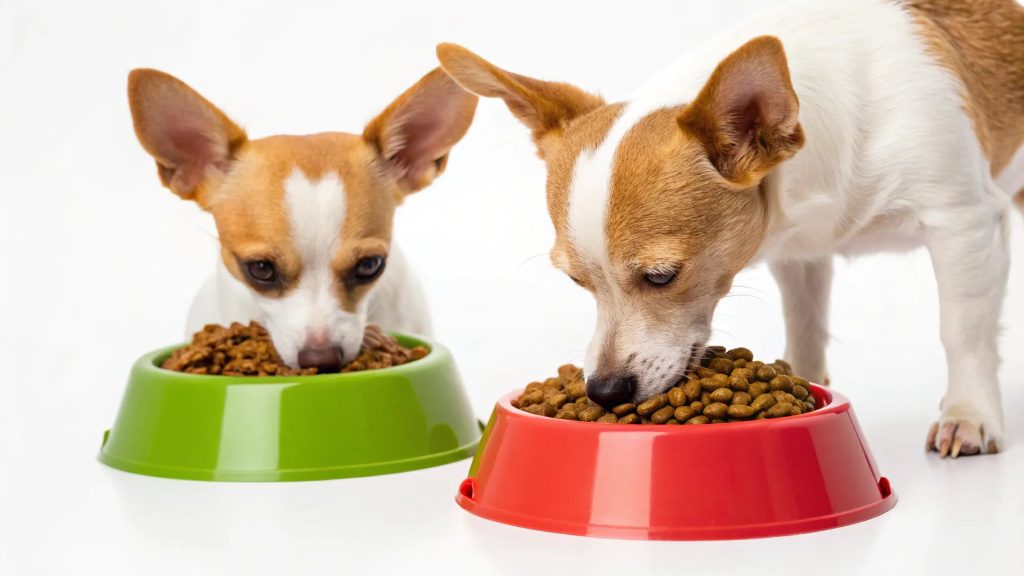
Are you wondering if your small dog can eat adult dog food? It’s a common question many pet owners face.
You want the best for your furry friend, but feeding the wrong food can affect their health and happiness. Understanding what’s right for your small dog’s diet is crucial. Keep reading to discover the facts you need to make the best choice for your pet’s well-being.

Credit: v-dog.com
Nutritional Needs Of Small Dogs
Small dogs have unique nutritional needs compared to larger breeds. Their energy levels and metabolism require special attention in their diet.
Feeding adult dog food to small dogs may not always meet their specific needs. Understanding these needs helps keep them healthy and active.
Calorie Requirements
Small dogs burn calories faster than bigger dogs because of their size and activity. They need more calories per pound of body weight.
- Small breeds need dense calories in smaller portions.
- Too few calories can cause weight loss and low energy.
- Too many calories lead to obesity and health problems.
- Balance is key to maintaining a healthy weight.
Protein And Fat Levels
Protein helps small dogs build and repair muscles. Fat gives them energy and supports healthy skin and coat.
| Component | Recommended Level |
|---|---|
| Protein | 22% to 32% of daily diet |
| Fat | 8% to 20% of daily diet |
Adult dog food may have lower protein and fat than needed for small dogs. Check labels to ensure the food matches their needs.
Vitamins And Minerals
Vitamins and minerals support small dogs’ bones, teeth, and immune system. They need a balanced mix of these nutrients.
- Calcium and phosphorus for strong bones
- Vitamin A for vision and skin health
- Vitamin E to protect cells
- Zinc to support the immune system
- Omega-3 fatty acids for brain and coat
Adult dog food may not have the right balance of vitamins and minerals for small dogs. Choose food that fits their size and age.
Differences Between Puppy And Adult Dog Food
Small dogs can eat adult dog food, but their needs differ from puppies. Puppy food is made to support growth and development. Adult dog food focuses on maintaining health after growth.
Understanding the differences helps you pick the right food for your dog’s stage. This keeps them healthy and strong.
Ingredient Variations
Puppy food has ingredients that support fast growth. It includes higher protein and fat levels. Adult food contains balanced ingredients for maintenance. It has fewer calories and fat.
Puppy food often has added vitamins and minerals. These help build bones and the immune system. Adult food focuses on joint support and digestion.
Nutrient Density
Puppy food is more nutrient-dense. It provides extra energy and nutrients for growth. Adult dog food has fewer calories to prevent weight gain. It matches the slower metabolism of adult dogs.
Small dogs need nutrient-dense food in smaller amounts. This helps meet energy needs without overeating.
Portion Sizes
Puppies eat smaller, more frequent meals. Their tummies are small and need constant fuel. Adult dogs eat larger meals less often. Portion sizes depend on weight and activity level.
- Puppies: 3-4 small meals daily
- Adult dogs: 1-2 meals daily
- Small dogs need smaller portions than large dogs
Risks Of Feeding Adult Food To Small Dogs
Small dogs have different dietary needs than larger dogs or puppies. Feeding adult dog food to small dogs can cause problems.
It is important to understand the risks before making changes to your small dog’s diet.
Potential Nutritional Deficiencies
Adult dog food may lack key nutrients that small dogs need. Small dogs often require higher levels of certain vitamins and minerals.
Without these nutrients, your small dog could face health issues or poor growth.
- Lower levels of protein and fat may not support their energy needs
- Reduced calcium and phosphorus can affect bone health
- Missing essential vitamins like vitamin E and B-complex
Digestive Issues
Small dogs have sensitive stomachs that may not handle adult dog food well. The ingredients might be too heavy or hard to digest.
Feeding adult food can lead to vomiting, diarrhea, or gas in small dogs.
- Higher fiber content can upset digestion
- Different protein sources may cause allergies or intolerance
- Changes in food texture can disrupt normal bowel movements
Weight Management Concerns
Adult dog food may have more calories than small dogs need. Overfeeding these calories can cause unwanted weight gain.
Obesity can lead to joint problems, heart disease, and shorter lifespan in small dogs.
- Adult food may have higher fat content
- Portion sizes may be too large for small dogs
- Small dogs require a balanced calorie intake to stay healthy
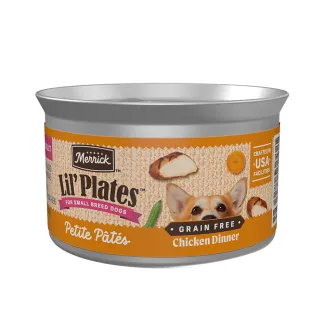
Credit: www.merrickpetcare.com
When Small Dogs Can Eat Adult Food
Small dogs grow faster than large dogs. They need special food for their age. At some point, they can switch to adult dog food.
Knowing the right time to change their diet helps keep them healthy. This guide covers when small dogs can eat adult food.
Age Considerations
Small dogs usually become adults earlier than large dogs. Many small breeds can eat adult food by 9 to 12 months old.
Switching too early or too late can affect their growth and health. Watch your dog’s behavior and weight for signs.
- Puppies need puppy food for proper development
- Small dogs may mature faster, ready for adult food at 9 months
- Adult food suits dogs after they finish growing
Health Conditions
Some small dogs have health issues needing special diets. These conditions can change when they should eat adult food.
Dogs with allergies, sensitive stomachs, or weight problems might need a vet’s advice before switching foods.
- Dogs with allergies may need hypoallergenic food
- Weight issues require a controlled diet
- Digestive problems may need special formulas
Veterinarian Recommendations
Veterinarians know the best time to change your dog’s food. They check health, growth, and behavior before advice.
They may suggest a gradual switch to adult food to avoid stomach upset. Regular check-ups help keep your dog healthy.
- Vet checks growth and health status
- Recommended age to switch varies by breed and health
- Gradual food change prevents digestion issues
Choosing The Right Adult Dog Food For Small Breeds
Small dogs need special care when it comes to their diet. Selecting the right adult dog food is crucial for their health.
Let’s explore what to consider when choosing the best food for your small dog.
Brand Selection Tips
Picking a trusted brand ensures quality ingredients. Look for brands with good reviews and a strong reputation.
- Research the brand’s history and reputation
- Check for recalls or safety issues
- Read online reviews from other pet owners
Reading Labels
Understanding food labels helps you know what your dog eats. Check for key nutrients like protein, fats, and carbohydrates.
| Ingredient | Importance |
| Protein | Essential for muscle growth |
| Fats | Provides energy |
| Carbohydrates | Supports active lifestyle |
Special Formulations For Small Dogs
Small dogs often require formulas designed for their size. These formulations include smaller kibble sizes and tailored nutrition.
Transitioning Small Dogs To Adult Food
Transitioning your small dog to adult food needs careful planning. Small dogs have different needs compared to larger breeds.
It’s important to switch their food safely to ensure they continue to get the nutrition they need.
Gradual Introduction
Introduce adult food slowly into their diet. This helps their digestive system adjust without problems.
- Mix a small amount of adult food with their current food.
- Gradually increase the adult food portion over a week.
- Observe any changes in their eating behavior.
Monitoring Reactions
Watch for any reactions in your dog after introducing new food. This ensures they are adapting well to the change.
Adjusting Serving Sizes
Small dogs need the right portion sizes to stay healthy. Adjust their servings based on their weight and activity level.
| Weight (lbs) | Serving Size (cups) |
| 5-10 | 1/4 to 1/2 |
| 11-20 | 1/2 to 1 |
Alternative Feeding Options For Small Dogs
Small dogs need special care when it comes to food. Their tiny bodies require the right nutrients in the right amounts. Adult dog food for larger dogs may not always meet these needs.
There are other feeding options to consider. These choices can support your small dog’s health and energy.
Specialty Small Breed Formulas
Specialty small breed formulas are made for dogs that weigh less. These foods have smaller kibble sizes to fit tiny mouths. They also contain more calories to match higher energy needs.
These formulas often have extra nutrients like omega fatty acids and vitamins. They help keep your small dog’s coat shiny and support their immune system.
- Smaller kibble for easy chewing
- Higher calorie content for energy
- Added vitamins and minerals
- Ingredients to support skin and coat
Homemade Diets
Homemade diets let you control the ingredients your dog eats. You can use fresh meats, vegetables, and grains. Cooking at home lets you avoid fillers and additives found in some commercial foods.
It is important to balance homemade meals correctly. Small dogs need the right mix of protein, fat, and carbohydrates. Consult a vet or pet nutritionist to create healthy recipes.
- Use lean meats like chicken or turkey
- Add vegetables like carrots and peas
- Include grains such as rice or oats
- Check portion sizes carefully
- Seek professional advice for balance
Raw Food Considerations
Raw food diets include uncooked meats, bones, and organs. Some owners choose raw feeding to mimic a dog’s natural diet. This option can provide good nutrition if done safely.
Raw diets need careful handling to avoid bacteria. Small dogs may need smaller, softer bones to prevent choking. Always consult a vet before starting raw feeding.
- Use fresh, high-quality meats
- Include safe raw bones in small sizes
- Keep food refrigerated or frozen
- Clean all surfaces and bowls well
- Monitor your dog for any health issues
Credit: www.petscare.com
Frequently Asked Questions
Can Small Dogs Safely Eat Adult Dog Food?
Small dogs can eat adult dog food but may need smaller portions. Adult formulas lack some nutrients puppies require. Always check ingredient lists and consult your vet for the best diet based on age, size, and health.
What Are Risks Of Feeding Adult Food To Small Dogs?
Feeding adult dog food to small dogs may cause nutrient imbalances. Puppies need higher protein and fat for growth. Adult formulas might lead to weight gain or deficiencies if used long-term. Consult your vet before switching diets.
How To Transition Small Dogs To Adult Dog Food?
Transition small dogs gradually over 7-10 days. Mix increasing amounts of adult food with puppy food. This helps avoid digestive upset and allows your dog to adjust smoothly to the new diet.
Is Adult Dog Food Suitable For Small Breed Puppies?
Adult dog food is not ideal for small breed puppies. Puppies need special nutrients for development, such as DHA and extra protein. Use puppy-specific formulas to ensure proper growth and health.
Conclusion
Small dogs can eat adult dog food, but with caution. Their nutritional needs differ from larger or younger dogs. Choose food that suits their size and energy level. Watch for any signs of upset stomach or allergies. Consult a vet for the best advice.
Proper diet keeps small dogs healthy and happy. Feeding them right supports their growth and vitality. Careful choices make a big difference in their well-being.

Emily Barker is the founder of ChillDogLife.com, a space dedicated to helping pup parents discover the best dog products, lifestyle tips, and cozy ideas for happier homes.
A lifelong dog lover, Emily combines her passion for pets with a knack for research to share trusted recommendations on everything from toys and furniture to health and everyday care.
Her goal is simple: to make life easier, stylish, and more joyful for dogs and the people who love them.




