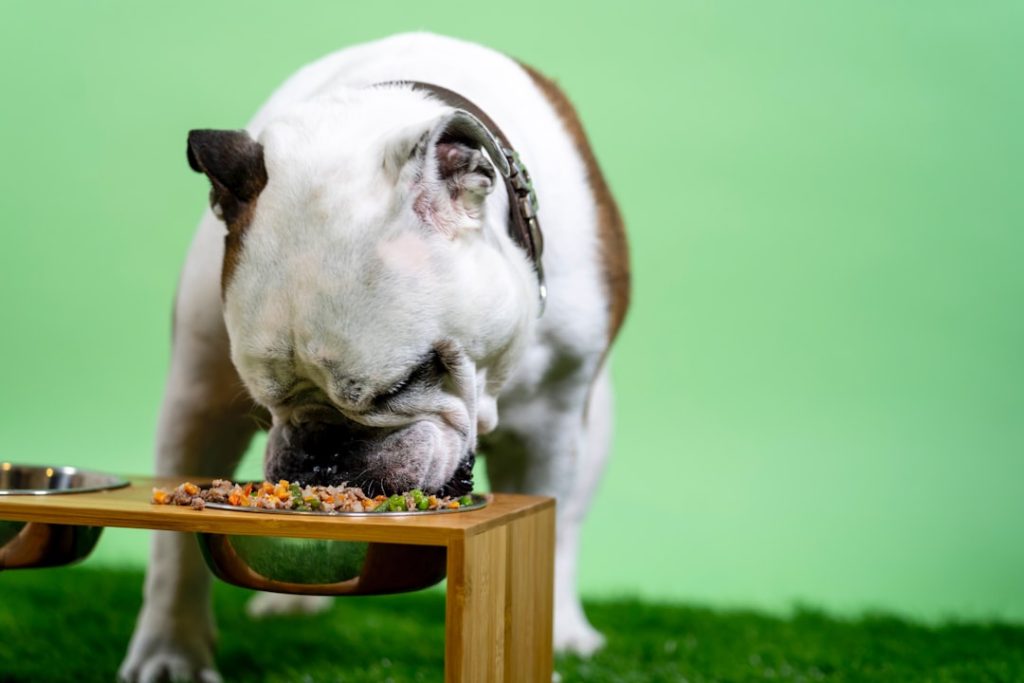
Are you confused about which dog food is best for your furry friend? Choosing between small breed and adult dog food might seem simple, but there’s more to it than you think.
Your dog’s size and age affect their nutrition needs in important ways. Picking the right food can boost their energy, keep their coat shiny, and support their overall health. Keep reading to discover the key differences and learn how to give your dog the best meals tailored just for them.
Small Breed Dog Food Basics
Small breed dogs have different needs than adult or large dogs. Their food must match their size and energy levels. Choosing the right food helps keep them healthy and active.
This guide explains key differences in small breed dog food. You will learn about nutrition, calorie needs, and kibble design for small dogs.
Nutritional Needs
Small breed dogs need higher protein and fat levels to support their fast metabolism. They also require more vitamins and minerals per pound of body weight.
- Higher protein helps build strong muscles.
- More fat provides extra energy.
- Vitamins and minerals support immune health.
- Balanced nutrients keep skin and coat healthy.
Calorie Density
Small dogs burn calories faster than larger dogs. Their food must be calorie-dense to meet energy needs in smaller meals. This helps maintain healthy weight and stamina.
| Calorie Content | Small Breed Food | Adult Dog Food |
| Calories per Cup | 450–500 | 350–400 |
| Fat Percentage | 12%–15% | 8%–12% |
| Protein Percentage | 25%–30% | 18%–25% |
Kibble Size And Texture
Small breed dogs have smaller mouths and teeth. Their food must have smaller kibble size and softer texture. This makes eating easier and reduces choking risk.
- Small kibble size fits better in tiny mouths.
- Softer texture helps chew and digest food.
- Shapes may be designed to encourage chewing.
- Easy-to-eat kibble supports dental health.
Credit: www.purina.com
Adult Dog Food Essentials
Adult dogs need food that supports their health and energy. Their diet should give them all the nutrients they need to stay strong and active.
Choosing the right adult dog food is important. It should fit their size, weight, and activity level.
Balanced Nutrition
Adult dog food must provide a balance of protein, fat, and carbohydrates. This balance helps keep muscles healthy and gives energy for daily activities.
- Protein supports muscle repair and growth.
- Fats provide energy and help absorb vitamins.
- Carbohydrates give fuel for the brain and body.
- Vitamins and minerals keep the immune system strong.
Portion Control
Feeding the right amount of food helps keep adult dogs at a healthy weight. Overfeeding can cause obesity and health problems.
| Dog Weight | Daily Food Amount |
| 10-20 lbs | ½ to 1 cup |
| 21-40 lbs | 1 to 2 cups |
| 41-60 lbs | 2 to 3 cups |
| Over 60 lbs | 3+ cups |
Ingredient Quality
Good adult dog food uses high-quality ingredients. These ingredients are easier to digest and provide better nutrition.
- Real meat or fish as the first ingredient
- Whole grains or vegetables for fiber
- Natural sources of vitamins and minerals
- No fillers like corn or soy
Comparing Nutritional Profiles
Small breed and adult dog foods have different nutritional needs. These differences support their size and life stage.
Understanding these differences helps you choose the right food for your dog’s health.
Protein And Fat Levels
Small breed dog food usually has higher protein and fat. This supports their fast metabolism and energy needs.
Adult dog food has moderate protein and fat. It matches the needs of bigger dogs with slower metabolism.
- Small breed food: 28-32% protein, 15-20% fat
- Adult dog food: 18-25% protein, 10-15% fat
Vitamins And Minerals
Both foods contain important vitamins and minerals. Small breed formulas have extra nutrients for joint and heart health.
Adult dog foods focus on maintaining overall health and supporting immune function.
- Small breed: added calcium, omega-3, antioxidants
- Adult dog: balanced vitamins A, D, E, and minerals
Calorie Requirements
Small breed dogs need more calories per pound. Their food is calorie-dense to meet energy demands.
Adult dog food has fewer calories per serving. It helps maintain healthy weight and energy levels.
| Dog Food Type | Calories per Cup |
|---|---|
| Small Breed | 400-450 kcal |
| Adult Dog | 300-350 kcal |
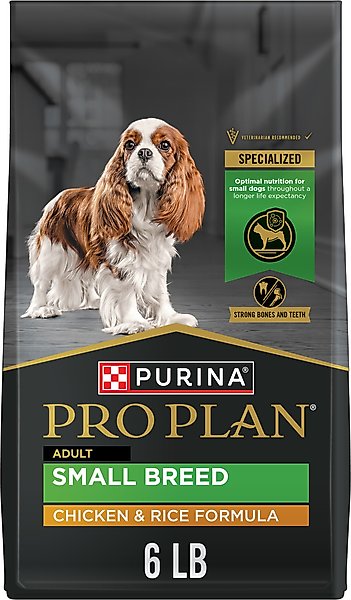
Credit: www.chewy.com
Health Benefits And Risks
Choosing the right food is important for your dog’s health. Small breed dogs and adult dogs have different needs. Their food supports their body in unique ways.
This article explains the health benefits and risks of small breed and adult dog food. It focuses on weight management, digestive health, and dental care.
Weight Management
Small breed dogs have faster metabolisms than larger adult dogs. They need food that gives them energy without extra calories. Adult dog food often has fewer calories to prevent weight gain.
- Small breed dog food is rich in nutrients and calories for energy.
- Adult dog food focuses on balanced calories to avoid obesity.
- Overfeeding either type can lead to health issues.
- Proper portion size helps keep dogs at a healthy weight.
Digestive Health
Small breed dog foods contain ingredients that are easy to digest. They often have added fiber to support digestion. Adult dog foods may have different fiber types to maintain gut health.
| Food Type | Fiber Content | Digestive Benefit |
| Small Breed Dog Food | Moderate | Supports fast digestion and nutrient absorption |
| Adult Dog Food | Varied | Maintains regular bowel movements and gut balance |
Dental Care
Small breed dogs often need special dental care. Their food may have smaller kibble to reduce plaque. Adult dog food includes ingredients to support overall dental health.
- Small breed food helps clean small teeth and gums.
- Adult dog food fights tartar and freshens breath.
- Chewing kibble improves saliva flow, which protects teeth.
- Poor dental care leads to infections and tooth loss.
Feeding Guidelines
Small breed and adult dog foods have different nutritional needs. Feeding guidelines help you give the right amount and type of food. Proper feeding keeps your dog healthy and active.
Understanding how to feed your dog during changes in diet and daily routine is important. This guide covers key feeding tips for small breed and adult dogs.
Transitioning Between Foods
Switch your dog’s food slowly to avoid upset stomachs. Mix a small amount of new food with the old one. Increase new food over 7 to 10 days.
Watch your dog’s reaction during the switch. Look for signs of discomfort or allergies. If problems happen, slow the change or consult a vet.
- Start with 25% new food and 75% old food
- Gradually increase new food to 100% over 7-10 days
- Observe your dog for any digestive issues
- Adjust the transition speed if needed
Feeding Frequency
Small breed dogs often need more meals per day than adult dogs. Their fast metabolism uses energy quickly. Adults can eat fewer meals but in larger amounts.
Feed puppies 3 to 4 times daily. Adult dogs do well with 2 meals a day. Keep feeding times consistent to help digestion and routine.
- Small breed puppies: 3-4 meals daily
- Adult small breeds: 2-3 meals daily
- Adult medium to large dogs: 2 meals daily
- Feed at the same times every day
Monitoring Intake
Watch how much your dog eats and their weight. Overfeeding can cause obesity. Underfeeding may lead to weakness and health issues.
Use measuring cups to give exact portions. Adjust food amount if your dog gains or loses weight. Check with your vet for feeding advice if needed.
- Measure food with a standard cup
- Weigh your dog regularly
- Adjust food amount based on activity and weight
- Consult a vet for special diet needs
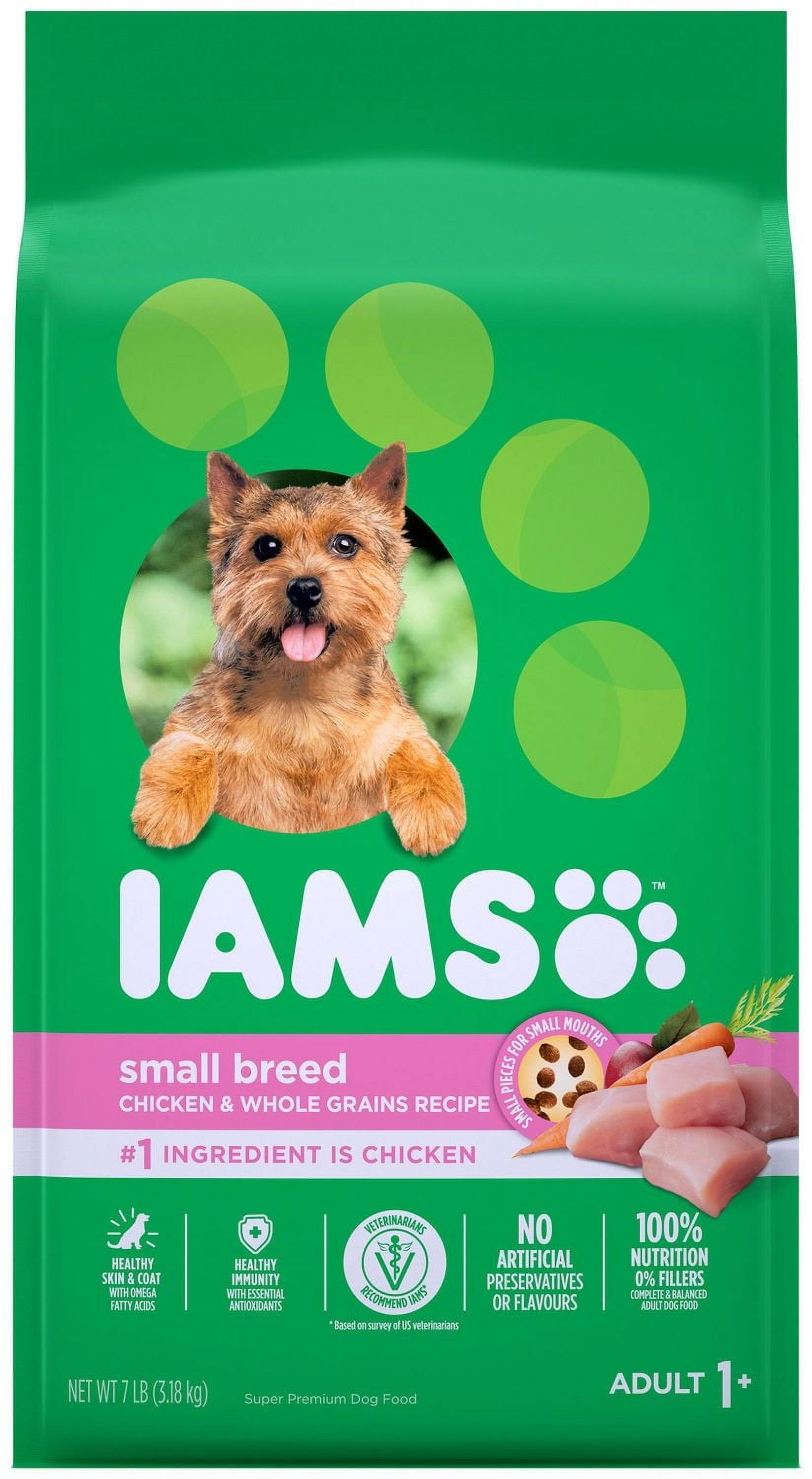
Credit: www.walmart.ca
Choosing The Right Food
Choosing the right food for your dog is important for their health. Dogs need food that matches their size and age.
Small breed dogs and adult dogs have different dietary needs. It is essential to know these differences to keep your pet healthy.
Life Stage Considerations
Different life stages require different nutrients. Puppies need more calories and protein for growth. Adult dogs need balanced nutrients to maintain health.
- Puppy food is richer in protein
- Adult dog food has balanced nutrients
- Senior dog food may include joint support
Breed-specific Formulas
Some dog food brands offer breed-specific formulas. These formulas address unique needs of different breeds.
| Breed | Specific Needs |
| Bulldogs | Joint support |
| Chihuahuas | Small kibble size |
| Labradors | Weight management |
Consulting A Veterinarian
Consulting a veterinarian can help in choosing the right food. They can give advice based on your dog’s health and lifestyle.
Frequently Asked Questions
What Is The Main Difference Between Small Breed And Adult Dog Food?
Small breed dog food is specially formulated with higher calories and smaller kibble size. Adult dog food suits larger breeds with balanced nutrients for maintenance. Each targets different energy needs and chewing abilities to support optimal health.
Why Do Small Breed Dogs Need Different Food?
Small breeds have faster metabolisms and higher energy demands. Their food is calorie-dense and nutrient-rich to meet these needs. Smaller kibble also helps with easier chewing and digestion, improving nutrient absorption and overall health.
Can Adult Dog Food Be Used For Small Breeds?
Using adult dog food for small breeds may not meet their higher energy and nutrient needs. It may also have larger kibble, which can be hard to chew. Specialized small breed food ensures proper nutrition and supports their unique health requirements.
How Does Kibble Size Affect Small Breed Dogs?
Small breed dog food has smaller kibble to fit their smaller mouths. This helps prevent choking and supports dental health. Larger kibble can be difficult to chew and may discourage eating, affecting nutrition intake and overall well-being.
Conclusion
Choosing the right food matters for your dog’s health and happiness. Small breed dogs need more calories in smaller bites. Adult dogs require balanced nutrition to maintain weight and energy. Feeding the correct food supports strong bones, shiny coats, and good digestion.
Remember, each dog is unique, so their diet should fit their size and age. A simple change in food can make a big difference. Healthy dogs are happy dogs. Keep their needs in mind for a long, joyful life together.

Emily Barker is the founder of ChillDogLife.com, a space dedicated to helping pup parents discover the best dog products, lifestyle tips, and cozy ideas for happier homes.
A lifelong dog lover, Emily combines her passion for pets with a knack for research to share trusted recommendations on everything from toys and furniture to health and everyday care.
Her goal is simple: to make life easier, stylish, and more joyful for dogs and the people who love them.




