
Are you wondering when your playful puppy is ready to start eating adult dog food? It’s a question every dog owner faces, and getting it right is important for your furry friend’s health and growth.
Switch too early, and your puppy might miss out on essential nutrients. Wait too long, and you could be overfeeding or causing digestive troubles. You’ll discover the key signs to watch for and expert tips to make this transition smooth and safe.
Keep reading to ensure your puppy grows strong and happy with the perfect diet at the perfect time.
Credit: www.chewy.com
Growth Stages In Puppies
Puppies grow fast during their first months of life. Their diet changes as they develop.
Knowing the right time to switch to adult dog food helps support healthy growth.
From Newborn To Weaning
Newborn puppies rely only on their mother’s milk. This milk gives all the nutrients they need.
Weaning starts around three to four weeks old. During this time, puppies slowly eat solid foods.
Transition To Solid Foods
Puppies begin eating soft, moist food as they leave milk behind. This change helps their teeth and digestion.
- Start with softened puppy kibble mixed with water or puppy formula
- Offer small, frequent meals to encourage eating
- Gradually reduce the milk or formula as solid food intake rises
- Monitor puppies for any stomach upset during the change
Key Growth Milestones
| Age | Growth Stage | Diet Notes |
| 0-4 weeks | Newborn to Weaning | Mother’s milk only |
| 4-8 weeks | Weaning Transition | Soft, moist foods added |
| 8-12 weeks | Weaned Puppy | Full puppy food diet |
| 6-12 months | Adolescent | Start switching to adult dog food |
Nutritional Needs Of Puppies
Puppies need special nutrition to grow strong and healthy. Their food must support fast growth and high energy levels.
Choosing the right food helps puppies develop bones, muscles, and brains properly. Their diet differs from adult dogs.
Calorie Requirements
Puppies need more calories per pound than adult dogs. Their bodies burn energy quickly during growth.
- Provide frequent meals to keep energy steady
- Feed high-calorie food to meet their needs
- Avoid overfeeding to prevent obesity
Essential Nutrients
Puppies require specific nutrients for growth. These include proteins, fats, vitamins, and minerals.
| Nutrient | Role | Sources |
| Protein | Builds muscles and tissues | Meat, eggs, fish |
| Fat | Energy and brain development | Oils, fish oils |
| Calcium | Bone growth and strength | Dairy, bones, supplements |
| Vitamins | Overall health and immunity | Vegetables, fruits |
Differences From Adult Dogs
Puppies need more nutrients and calories than adult dogs. Their food is richer and given in smaller, frequent meals.
Key differences include:
- Puppies eat 3-4 times a day; adults eat 1-2 times.
- Puppy food has more protein and fat.
- Puppy diets support fast growth and brain development.
Signs To Switch To Adult Food
Puppies grow fast and their food needs change too. Knowing when to switch to adult food helps their health.
This guide explains clear signs to know if your puppy is ready for adult dog food.
Physical Development Indicators
Look for changes in your puppy’s body that show they are growing up. These signs tell you it is time to change their diet.
- Your puppy reaches about 80% of their adult size.
- They lose their soft puppy fur and get a thicker adult coat.
- Teeth become fully grown and adult-like.
- Energy levels stabilize and are less erratic.
Behavioral Changes
Puppies show new behaviors as they mature. These changes also hint when to switch their food.
| Behavior | What It Means |
| Less frequent naps | Growing maturity and energy balance |
| Chewing on adult objects | Teething phase ending |
| More independent eating habits | Ready for adult food texture and portions |
Veterinarian Recommendations
Your vet can give the best advice about switching food. They check health and growth progress.
- Consult your vet at regular puppy checkups.
- Follow the vet’s suggested age or weight to switch food.
- Ask about any special dietary needs for your dog.
Ideal Timing For Food Transition
Feeding your puppy the right food at the right time is very important. Switching to adult dog food too early or too late can affect your puppy’s health.
Knowing when to change food helps your puppy grow strong and stay healthy. This guide explains the best time to switch food based on size, age, and how to do it slowly.
Breed Size Considerations
Different dog breeds grow at different speeds. Small breeds mature faster than large breeds. This means the food change time changes too.
- Small breeds usually switch to adult food around 9 to 12 months.
- Medium breeds switch around 12 months old.
- Large breeds take longer and switch at 12 to 18 months.
- Giant breeds may stay on puppy food until 18 to 24 months.
Age Benchmarks
Age is a good guide for changing dog food. Most puppies start to need adult food after their rapid growth phase.
| Breed Size | Typical Age to Switch |
|---|---|
| Small | 9 to 12 months |
| Medium | 12 months |
| Large | 12 to 18 months |
| Giant | 18 to 24 months |
Gradual Transition Process
Switching food too fast can upset your puppy’s stomach. A slow change helps them adjust well.
- Start by mixing 25% adult food with 75% puppy food.
- After 3 days, change to 50% adult and 50% puppy food.
- Next, mix 75% adult food with 25% puppy food.
- Finally, feed 100% adult dog food.
- Watch your puppy for any signs of stomach upset during this time.
Choosing The Right Adult Dog Food
Switching puppies to adult dog food is an important step. It ensures they get the right nutrients for their growth and health.
Choosing the right food helps maintain energy and supports a strong immune system as your dog grows.
Ingredients To Look For
Adult dog food should have high-quality protein, healthy fats, and essential vitamins. Look for real meat like chicken, beef, or fish as the first ingredient.
- Protein sources such as chicken, beef, or fish
- Whole grains like brown rice or oats
- Vegetables for fiber and vitamins
- Omega fatty acids for skin and coat health
- Added vitamins and minerals for overall wellness
Avoiding Common Pitfalls
Some adult dog foods contain fillers or artificial ingredients. These can cause allergies or poor digestion. Avoid foods with excessive corn, soy, or wheat.
| Common Pitfall | Why to Avoid |
|---|---|
| Fillers like corn and wheat | Low nutritional value and can cause allergies |
| Artificial colors and flavors | Unnecessary and may upset digestion |
| Excessive fat | Leads to weight gain and health issues |
| Unclear ingredient sources | May include low-quality proteins |
Special Dietary Needs
Some adult dogs need special diets. This depends on their breed, size, or health problems. Talk to your vet about any special needs.
- Large breeds may need joint-support formulas
- Small breeds might require smaller kibble sizes
- Dogs with allergies need limited ingredient diets
- Senior dogs benefit from foods with added antioxidants
Credit: www.thinkjinx.com
Tips For A Smooth Food Change
Switching puppies to adult dog food can be easy. Puppies grow fast and need the right nutrients.
Changing food must be slow and careful. This helps avoid upset stomachs.
Mixing Old And New Foods
Start with a small amount of new food. Mix it with the old food.
Gradually increase the new food over a week. This helps puppies adjust.
- Day 1-2: 75% old food, 25% new food
- Day 3-4: 50% old food, 50% new food
- Day 5-6: 25% old food, 75% new food
- Day 7: 100% new food
Monitoring Digestive Health
Watch your puppy for any changes. Look for signs of stomach upset.
Healthy digestion is key. Check for normal stool and appetite.
- Loose stools may mean the change is too fast
- Lack of appetite can signal discomfort
- Consult a vet if problems continue
Handling Picky Eaters
Some puppies are picky about new food. Be patient and consistent.
Try warming the food slightly. This can make it more appealing.
- Mix a little wet food with the dry food
- Offer smaller meals more often
- Keep mealtime stress-free
Common Mistakes To Avoid
Switching your puppy to adult dog food is a crucial step. Avoiding common mistakes ensures their health and growth.
Let’s discuss some mistakes to avoid when transitioning from puppy to adult dog food.
Switching Too Early Or Late
Timing is important when switching your puppy’s diet. Switching too early or late can impact their development.
- Switching too early may cause nutritional deficiencies.
- Switching too late can lead to obesity or joint issues.
Ignoring Breed Differences
Different breeds have different nutritional needs. Ignoring these can lead to health problems.
| Breed | Transition Age |
| Small Breeds | 9-12 months |
| Medium Breeds | 12-15 months |
| Large Breeds | 15-24 months |
Overfeeding Risks
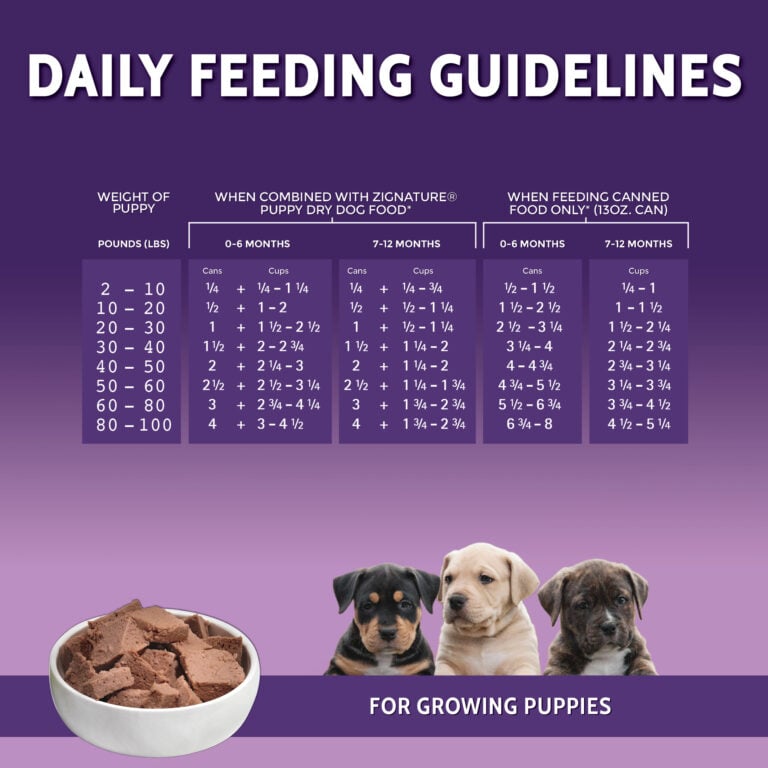
Overfeeding your puppy can lead to obesity and other health issues. It’s important to manage portions carefully.
Credit: zignature.com
Frequently Asked Questions
When Should Puppies Switch To Adult Dog Food?
Puppies typically switch to adult dog food between 9 to 12 months old. Large breeds may transition later, around 12 to 18 months. This timing ensures they get proper nutrients for growth and maturity without overfeeding.
How To Know If My Puppy Is Ready For Adult Food?
Look for signs like slowed growth, stable weight, and adult teeth. Consult your vet to confirm readiness. Transition gradually to avoid digestive issues and ensure a smooth dietary change.
Can Switching Too Early Harm My Puppy?
Yes, switching too early can cause nutrient deficiencies. Puppies need higher protein and fat for growth. Prematurely moving to adult food may stunt development and affect overall health.
What Is The Best Way To Transition Puppy Food?
Transition gradually over 7-10 days by mixing increasing amounts of adult food with puppy food. This helps prevent stomach upset and allows your puppy’s digestive system to adjust smoothly.
Conclusion
Puppies need the right food to grow strong and healthy. Switching to adult dog food usually happens around one year old. Large breeds may need more time before changing food. Watch your puppy’s weight and energy to know the right time.
Always choose high-quality dog food with good nutrients. Talk to your vet if you feel unsure about the switch. Feeding your dog correctly supports a long, happy life. Remember, every puppy is unique. Care and patience make the process smooth and safe.

Emily Barker is the founder of ChillDogLife.com, a space dedicated to helping pup parents discover the best dog products, lifestyle tips, and cozy ideas for happier homes.
A lifelong dog lover, Emily combines her passion for pets with a knack for research to share trusted recommendations on everything from toys and furniture to health and everyday care.
Her goal is simple: to make life easier, stylish, and more joyful for dogs and the people who love them.




