Have you noticed your dog coughing lately and wondered if it could catch kennel cough even when staying at home? It’s a common worry for many pet owners like you.
Kennel cough is often linked to places like dog parks or boarding kennels, but the truth might surprise you. Understanding how your furry friend can get this contagious illness at home is key to keeping them safe and healthy. Keep reading to learn what you need to watch for and how to protect your dog right where they feel most comfortable—at home.
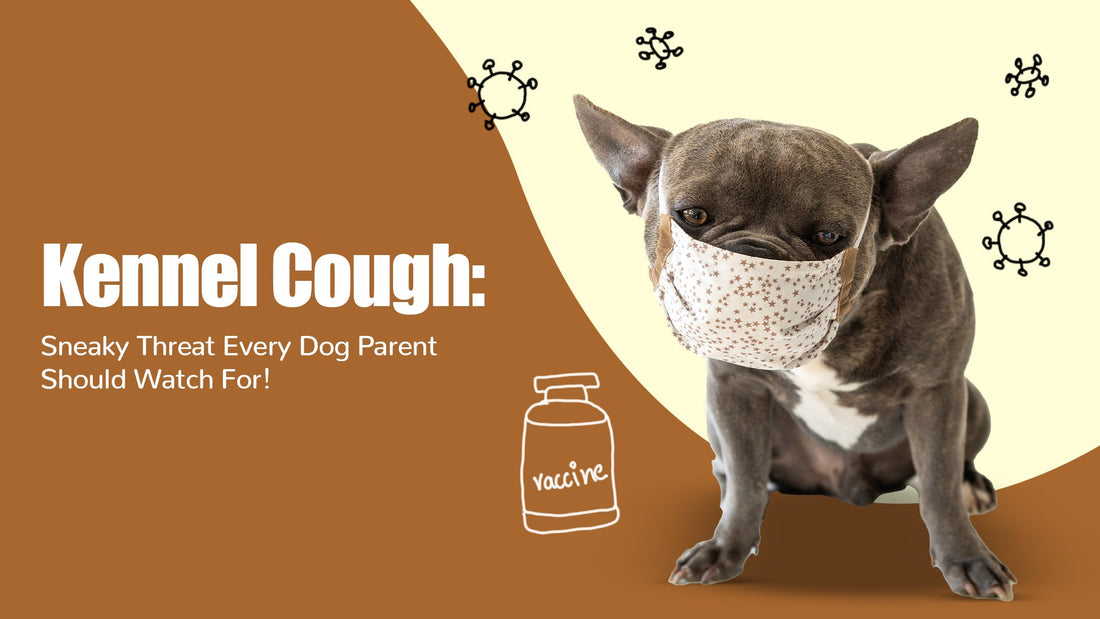
Credit: zigly.com
What Is Kennel Cough
Kennel cough is a common respiratory infection in dogs. It spreads quickly among dogs in close contact. The infection causes inflammation in the dog’s throat and windpipe. Dogs often catch kennel cough in places like kennels, parks, or dog daycare centers. But can dogs get kennel cough at home? Understanding the basics of kennel cough helps answer this question.
Common Causes
- Bacteria called Bordetella bronchiseptica
- Viruses such as canine parainfluenza virus
- Close contact with infected dogs
- Shared water bowls and toys
- Poor ventilation in confined spaces
Typical Symptoms
- Dry, hacking cough that sounds like honking
- Gagging or retching after coughing
- Runny nose or sneezing
- Low fever and lethargy
- Loss of appetite in some dogs
How Kennel Cough Spreads
Kennel cough is a contagious respiratory infection that can spread quickly among dogs. Understanding how this illness moves from one dog to another helps you protect your furry friend. The ways it spreads can surprise many dog owners, especially those who think their pets are safe at home.
Transmission In Kennels
Kennels are prime places for kennel cough to spread. Dogs are often in close contact, sharing the same air, food bowls, and sometimes even toys. The bacteria and viruses causing kennel cough travel through:
- Airborne droplets when an infected dog coughs or sneezes
- Direct nose-to-nose contact between dogs
- Shared surfaces like water bowls and bedding
Think about a busy dog boarding facility or doggy daycare. Even a single infected dog can expose many others. This is why kennels require vaccinations and strict hygiene practices.
Risks At Home
You might believe your dog is safe inside the house, but kennel cough can still reach them at home. If your dog interacts with other dogs outside, like at the park or during walks, they can bring the infection back. Even visitors who have been around dogs recently could carry germs on their clothes or shoes.
Also, contaminated objects such as leashes, collars, or toys can harbor the bacteria. Have you considered how often you clean these items? Regular disinfection can lower the risk significantly.
Have you ever noticed your dog coughing after a playdate or visit to a crowded dog event? This could be a sign of exposure. Watching for early symptoms and limiting contact with unfamiliar dogs when outbreaks happen can save your dog from getting sick.
Can Dogs Catch It At Home
Dogs can catch kennel cough even inside the home. The infection spreads easily through close contact. Owners often think kennel cough happens only outdoors or in kennels. Yet, the germs can travel into the house in several ways. Understanding how dogs catch it at home helps prevent the illness.
Contagion Through Human Contact
Humans can carry the bacteria or virus on their clothes and hands. Touching a dog after being near infected animals spreads germs quickly. People may not realize they bring the infection home. The germs do not affect humans but infect dogs easily. Avoiding close contact with sick dogs outside helps protect your pet. Washing hands and changing clothes reduces the risk of transmission inside.
Infected Objects And Surfaces
Germs survive on objects like food bowls, toys, and bedding. A dog can catch kennel cough by licking or sniffing these items. Surfaces in the home may hold the infection for days. Cleaning and disinfecting items regularly stops the spread. Sharing toys or bowls between dogs increases the chance of illness. Keeping your dog’s environment clean limits contact with harmful germs.

Credit: bestforpet.co.nz
Preventing Kennel Cough Indoors
Preventing kennel cough indoors requires careful attention to your dog's surroundings. The bacteria and viruses that cause this cough can linger in your home. Keeping the environment clean and reducing your dog’s contact with infected pets helps lower the risk. Simple steps can protect your dog from catching kennel cough at home.
Sanitizing The Environment
Regular cleaning kills germs that cause kennel cough. Use pet-safe disinfectants on floors, bedding, and toys. Wash your dog’s bowls daily with hot water and soap. Vacuum carpets and furniture often to remove hair and dirt. Proper ventilation also helps keep the air fresh and reduces germs.
Limiting Exposure
Keep your dog away from sick animals, even inside your home. Avoid letting your dog share bedding or toys with other dogs. Control visitors who bring pets into your house. Quarantine new pets for a few weeks before introducing them. These steps reduce the chance of your dog catching kennel cough indoors.
Treatment Options For Kennel Cough
Treating kennel cough effectively requires understanding both professional and home-based approaches. While many cases resolve on their own, timely care can prevent complications and ease your dog’s discomfort. Let’s explore how you can manage this contagious illness and when professional help is essential.
When To See A Vet
Not every cough needs a vet visit, but certain signs mean it’s time to get professional care.
- If your dog has a persistent cough lasting more than two weeks.
- When coughing is accompanied by fever, lethargy, or difficulty breathing.
- If your dog stops eating or drinking, showing signs of dehydration.
- When you notice nasal discharge or worsening symptoms despite home care.
Ignoring these symptoms can lead to serious respiratory infections. Your vet can prescribe antibiotics or cough suppressants if needed and run tests to rule out other diseases.
Home Care Tips
Caring for a dog with kennel cough at home can make a big difference in their recovery speed and comfort.
- Keep your dog in a calm, warm environment to reduce coughing triggers.
- Use a humidifier or sit with your dog in a steamy bathroom to soothe their airways.
- Ensure plenty of fresh water is available to keep your dog hydrated.
- Limit exercise and avoid exposure to other dogs to prevent spreading the infection.
- Consider soft foods if your dog’s throat seems sore or swallowing is painful.
Have you noticed your dog’s cough worsening at night or after activity? Adjusting their resting area might help ease symptoms. Small changes often bring big relief.

Credit: www.homeocareclinic.in
Vaccination And Immunity
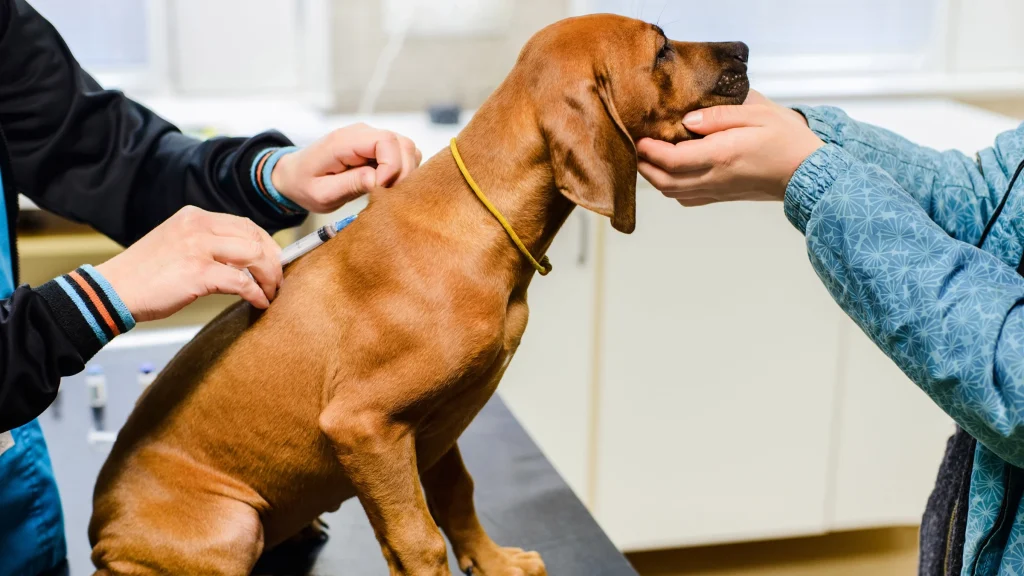
Vaccination plays a crucial role in protecting your dog from kennel cough, even when they spend most of their time at home. Immunity built through vaccines helps reduce the severity and spread of this contagious respiratory infection. Understanding how vaccines work and following the right schedule can keep your furry friend safer indoors and during occasional outings.
Effectiveness Of Vaccines
Vaccines for kennel cough are designed to target common bacteria and viruses that cause the illness, such as Bordetella bronchiseptica and canine parainfluenza virus. While no vaccine offers 100% protection, they significantly lower the chances of your dog catching or spreading the infection.
Think about it this way: even if your dog only meets a neighbor’s pet occasionally, vaccination acts as a shield. It reduces the risk of infection and the severity of symptoms if your dog does get sick.
Vaccination Schedule
Most veterinarians recommend starting kennel cough vaccines early, often around six to eight weeks of age. After the initial dose, booster shots are essential to maintain strong immunity.
- Initial vaccine given at 6-8 weeks old
- Booster every 6-12 months, depending on your dog’s risk factors
- Additional boosters before boarding or social events
Regularly updating your dog’s vaccines is like renewing a passport—it keeps their protection valid. If you have a dog that rarely leaves home, ask your vet about the best vaccination plan tailored to your lifestyle.
Common Myths About Kennel Cough
Kennel cough is a common illness among dogs. Many myths surround how it spreads and how to treat it. These myths can cause confusion and delay proper care. Clearing up these false ideas helps keep dogs safe and healthy.
Misconceptions About Contagion
Some believe kennel cough only spreads in kennels or dog parks. This is not true. Dogs can catch it at home from other pets or visitors. The bacteria and viruses that cause kennel cough spread through the air. They also spread by touching shared items like toys or bowls.
People think if a dog stays indoors, it cannot catch kennel cough. This is false. The germs can enter homes on clothes or shoes. Even one infected dog in the house can spread it to others. Good hygiene and isolation help prevent spreading.
Home Remedies That Don’t Work
Many try home remedies to treat kennel cough. Some use honey, garlic, or essential oils. These may soothe the throat but do not cure the infection. Relying only on home remedies can worsen the illness. It may delay needed veterinary care.
Some owners avoid vaccines, thinking natural immunity is enough. Vaccines reduce the risk and severity of kennel cough. Ignoring professional advice can put dogs at higher risk. Always consult a vet for proper treatment and care.
Frequently Asked Questions
Can Dogs Catch Kennel Cough At Home?
Yes, dogs can get kennel cough at home. This respiratory infection spreads through direct contact with infected dogs. It can also spread through contaminated objects like toys, water bowls, and even human clothing. Ensuring good hygiene and keeping infected dogs isolated can help prevent the spread at home.
How Does Kennel Cough Spread Among Dogs?
Kennel cough spreads through airborne droplets, direct contact, or contaminated surfaces. Infected dogs release the bacteria or virus when they cough or sneeze. Other dogs can inhale these droplets or come into contact with contaminated items, leading to infection. Regular cleaning and vaccination reduce the risk.
What Are The Symptoms Of Kennel Cough?
The main symptom of kennel cough is a persistent, dry cough. Other symptoms include sneezing, runny nose, and lethargy. In some cases, dogs may also experience a slight fever. If symptoms persist, consult a veterinarian for a proper diagnosis and treatment plan.
Can Kennel Cough Resolve Without Treatment?
Yes, mild cases of kennel cough can resolve without treatment. Most dogs recover within three weeks. However, it’s essential to monitor symptoms and provide supportive care. Ensure your dog gets adequate rest and hydration. Severe or persistent cases may require veterinary intervention for recovery.
Conclusion
Dogs can catch kennel cough even at home. Germs spread through the air and contact. Keep your dog’s space clean and dry. Watch for coughs and sneezes daily. Visit the vet if symptoms last long. Vaccines help protect but don’t guarantee safety.
Good care lowers the risk of illness. Stay alert and act quickly to help your dog. Healthy habits keep your pet happy and safe.

Emily Barker is the founder of ChillDogLife.com, a space dedicated to helping pup parents discover the best dog products, lifestyle tips, and cozy ideas for happier homes.
A lifelong dog lover, Emily combines her passion for pets with a knack for research to share trusted recommendations on everything from toys and furniture to health and everyday care.
Her goal is simple: to make life easier, stylish, and more joyful for dogs and the people who love them.




