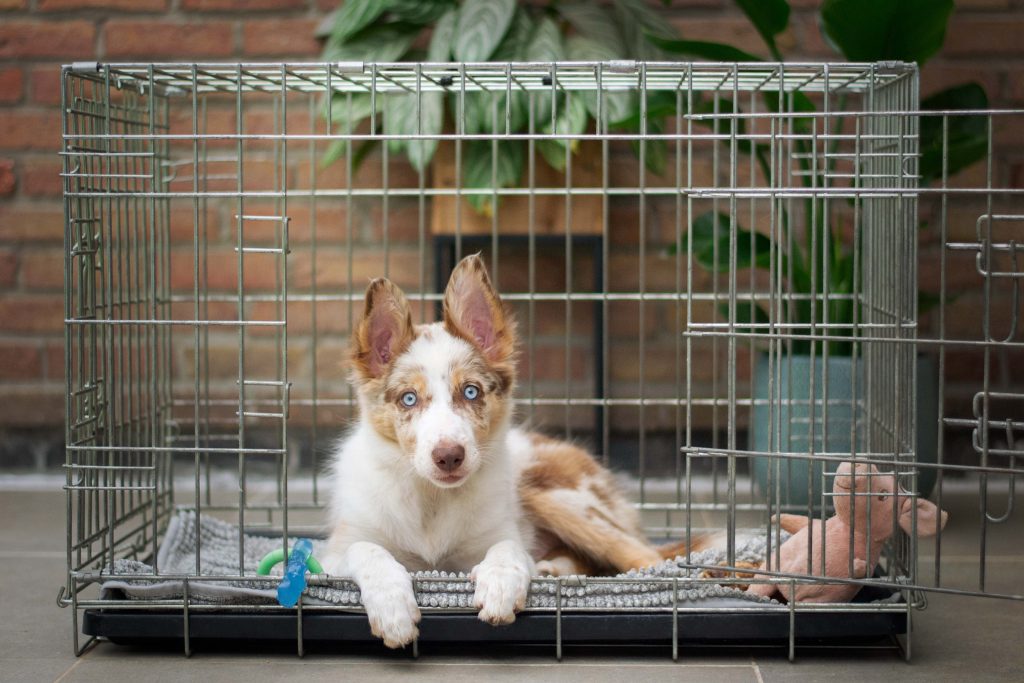
Bringing a new puppy home is exciting, but training them can feel overwhelming. If you want to make life easier for both you and your furry friend, crate training is one of the best tools you can use.
It helps your puppy feel safe, learn good habits, and prevents unwanted messes. But how do you start? What mistakes should you avoid? In this post, you’ll discover simple, effective tips that make crate training smooth and stress-free. Keep reading—you’re just a few steps away from creating a happy, well-behaved puppy!
Choosing The Right Crate
Picking the right crate is important for your puppy’s comfort and safety. A well-chosen crate helps your puppy feel secure and happy.
Consider your puppy’s size, the crate material, and safety features before buying. These factors make crate training easier and safer.
Size Matters
The crate should be big enough for your puppy to stand, turn, and lie down comfortably. Too small a crate can cause stress and discomfort.
- Measure your puppy’s height and length.
- Choose a crate that offers extra space for growth.
- A crate too large may cause accidents inside.
- Adjustable crates can grow with your puppy.
Material Options
Crates come in different materials like plastic, metal, and fabric. Each type has pros and cons to consider.
| Material | Pros | Cons |
| Plastic | Cozy and quiet | Less ventilation |
| Metal | Strong and well-ventilated | Can be noisy |
| Fabric | Lightweight and portable | Less durable |
Safety Features
Check the crate’s safety features to keep your puppy safe. Look for secure locks and smooth edges.
- Strong door latches that prevent escapes
- Rounded corners and smooth edges to avoid cuts
- Non-toxic materials safe for chewing
- Proper ventilation for airflow
Preparing The Crate
Preparing the crate is important for crate training your puppy. The crate should feel safe and cozy.
A well-prepared crate helps your puppy relax and enjoy spending time inside.
Comfortable Bedding
Choose soft bedding to make the crate inviting. Puppies like a warm and comfy place to rest.
Use washable bedding so you can keep the crate clean easily.
Familiar Scents
Add items with familiar smells to the crate. These scents help your puppy feel safe and calm.
Try a small blanket or an old t-shirt with your scent on it to comfort your puppy.
Toys And Treats
Place safe toys and treats inside the crate. Toys keep your puppy busy and happy.
- Choose chew toys that are safe for puppies
- Use treat puzzles to encourage calm behavior
- Rotate toys to keep your puppy interested
Introducing The Crate
Crate training helps puppies feel safe and secure. It also aids in house training and behavior management.
Start by making the crate a comfortable and inviting space. This helps your puppy accept the crate easily.
Positive Association
Help your puppy link the crate with good things. Use soft bedding and toys inside the crate to make it cozy.
Spend time near the crate and praise your puppy for calm behavior. This builds trust and comfort with the space.
Gradual Exposure
Introduce the crate slowly to avoid stress. Let your puppy explore the crate on their own at first.
- Leave the crate door open during playtime
- Encourage your puppy to enter with treats or toys
- Close the door briefly once your puppy is inside
- Increase crate time little by little each day
Using Treats Effectively
Treats help your puppy enjoy going into the crate. Give treats only when your puppy enters calmly.
Use treats to reward your puppy for staying inside quietly. This encourages good crate habits over time.
- Place treats inside the crate to invite your puppy in
- Reward your puppy right after they enter the crate
- Give treats for calm behavior while inside
- Stop treats gradually as your puppy feels safe
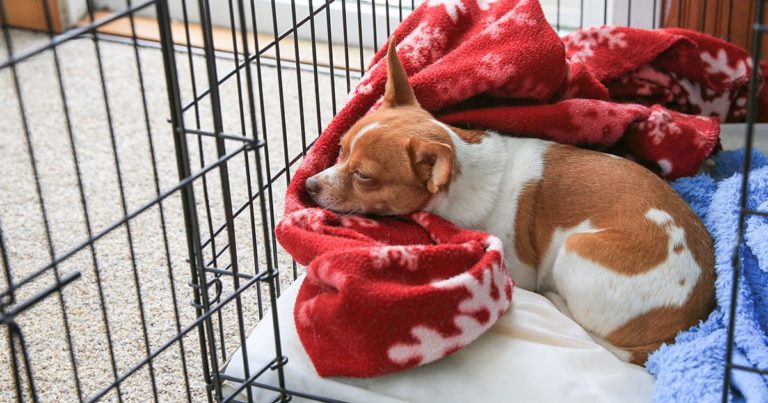
Credit: www.diamondpet.com
Establishing A Routine
Creating a routine helps your puppy feel safe and calm in their crate. Dogs thrive on predictability, so set clear daily habits.
Consistent patterns reduce stress and speed up training. Your puppy will learn what to expect and when.
Consistent Schedule
Keep the same times for waking, feeding, and play. This builds trust and helps your puppy adjust quickly.
- Wake up and let your puppy out at the same time each day.
- Feed meals at regular hours.
- Set fixed play and rest periods.
- Put your puppy in the crate at usual times daily.
Meal Times In Crate
Feeding your puppy in the crate helps them see it as a safe place. It links the crate with good feelings.
| Meal | Time | Crate Use |
| Breakfast | 7:00 AM | Feed inside crate for 15 minutes |
| Lunch | 12:00 PM | Feed inside crate for 15 minutes |
| Dinner | 6:00 PM | Feed inside crate for 15 minutes |
Regular Potty Breaks
Take your puppy out often to prevent accidents. A set potty schedule helps control bladder and bowels.
- Take your puppy out first thing in the morning.
- Go outside after each meal.
- Offer potty breaks after playtime.
- Before bedtime, take your puppy out one last time.
Handling Resistance
Crate training a puppy can be tough if your puppy shows resistance. Patience and the right methods help your puppy feel safe and comfortable.
Understanding how to handle resistance makes training easier and less stressful for both you and your puppy.
Avoiding Punishment
Do not punish your puppy for resisting the crate. Punishment causes fear and makes your puppy avoid the crate more.
- Use gentle words and soft tones instead of scolding.
- Never yell or hit your puppy when it resists.
- Focus on positive rewards to encourage crate use.
- Give your puppy time to adjust at its own pace.
Calm Reassurance
Offer calm and steady reassurance to your puppy while crate training. Your calm behavior helps your puppy feel safe.
| What to Do | How it Helps |
| Speak softly | Reduces puppy’s anxiety |
| Pet gently near the crate | Builds trust and comfort |
| Stay nearby at first | Shows your puppy it is not alone |
| Use a calm voice | Encourages relaxation |
Distraction Techniques
Use distractions to help your puppy forget resistance and enter the crate happily. Toys and treats work well.
- Place a favorite toy inside the crate.
- Give a chew treat only when the puppy is in the crate.
- Use a food puzzle to keep your puppy busy.
- Play soft music or white noise near the crate.
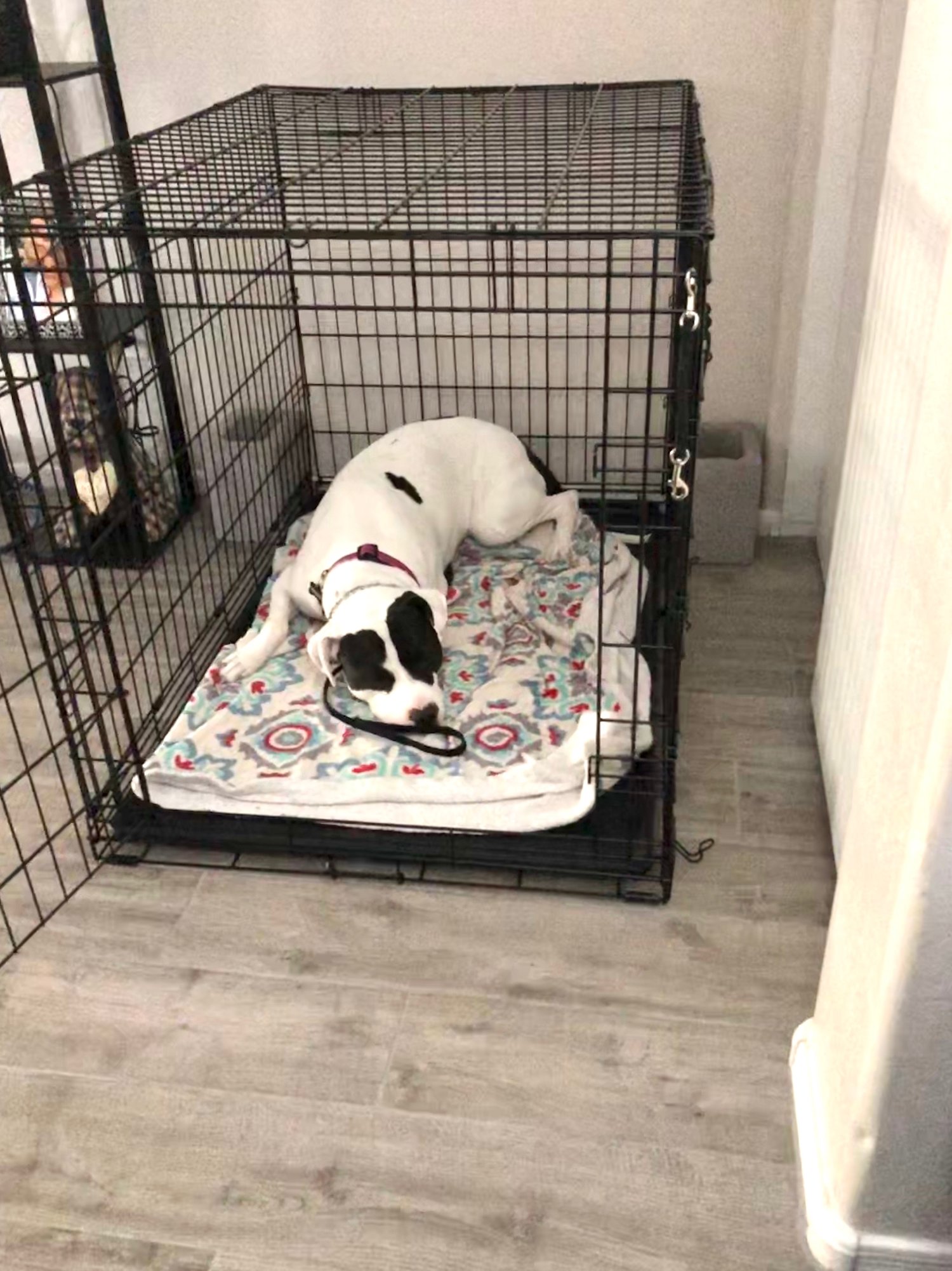
Credit: www.sadiesrulesk9training.com
Extending Crate Time
Crate training a puppy requires patience and consistency. Gradually increasing the time your puppy spends in the crate is key. This helps them feel safe and comfortable.
Let’s explore some tips to extend crate time effectively. Follow these simple steps to make crate training a positive experience.
Short Sessions First
Begin with short crate sessions. Start with five to ten minutes. This helps your puppy adjust without stress.
Make sure to offer treats or toys during these sessions. This creates a positive association with the crate.
Increasing Duration Gradually
After your puppy is comfortable, increase the crate time slowly. Add a few minutes each session. Watch how your puppy reacts.
Ensure the crate remains a positive space. Avoid using it as a punishment. This helps your puppy feel secure.
- Increase time by 5 minutes daily
- Offer a treat when entering the crate
- Keep a favorite toy inside
Recognizing Limits
Every puppy is different. Observe your puppy for signs of discomfort. Whining or scratching may indicate stress.
Adjust the crate time if needed. It’s important to respect your puppy’s comfort zone. Gradual training is more effective.
Nighttime Crate Tips
Crate training your puppy can help them feel secure and safe. Nighttime crate training is key for a peaceful night's sleep.
Knowing where and how to place the crate can make all the difference. Follow these tips for a smoother nighttime routine.
Location Choices
Choosing the right spot for your puppy’s crate is important. It should be a quiet and comfortable space.
- Keep the crate in your bedroom to provide a sense of security.
- Avoid areas with drafts or direct sunlight.
- Ensure the crate is away from noisy appliances.
Comfort And Noise Control
Making the crate cozy will help your puppy relax. Control noise levels for a better sleep environment.
Consider using a crate coverto reduce outside noise.
Place a soft blanketor towelinside for added comfort.
Keep white noise machinesnearby to mask sudden sounds.
Night Potty Management
Managing potty breaks at night is essential for young puppies. It prevents accidents and helps establish a routine.
| Age (Weeks) | Hours Between Breaks |
| 8-10 | 2-3 hours |
| 11-12 | 3-4 hours |
| 13-16 | 4-5 hours |
Common Mistakes To Avoid
Crate training a puppy helps with safety and house rules. Many owners make mistakes that slow progress. Avoiding these errors makes training easier.
Watch your puppy’s behavior and adjust your approach. Learning common mistakes helps you create a good crate experience.
Overusing The Crate
Using the crate too much can cause your puppy to feel trapped. Puppies need time outside to play, explore, and learn.
- Do not leave the puppy in the crate for more than a few hours at a time.
- Give regular breaks for exercise and bathroom needs.
- Use the crate as a safe space, not a punishment.
- Keep crate time balanced with social interaction.
Ignoring Signs Of Stress
Puppies show stress in many ways. Watch for barking, whining, or scratching at the crate. These signs mean your puppy feels uneasy.
| Stress Sign | What It Means | What to Do |
| Whining | Discomfort or fear | Check if needs bathroom or comfort |
| Scratching | Trying to escape | Make crate more comfortable, add toys |
| Excessive Barking | Loneliness or anxiety | Spend more time near crate, calm voice |
Inconsistent Training
Training works best when done the same way every time. Inconsistency confuses puppies and slows learning.
Keep these rules for steady training:
- Put the puppy in the crate at the same times daily.
- Use the same words or commands for crate entry.
- Reward calm behavior every time.
- Do not open the crate if the puppy is noisy.
Benefits Of Crate Training
Crate training helps puppies learn good habits and feel safe. It creates a special space for your dog.
This training method can make life easier for both you and your puppy. It supports many parts of puppy care.
Safety And Security
A crate acts like a safe den for your puppy. It stops them from chewing on dangerous items or getting hurt.
- Prevents access to harmful objects
- Creates a quiet place to rest
- Reduces stress in new environments
- Helps puppies feel calm and protected
Housebreaking Aid
Crates help puppies learn to hold their bladder. Dogs avoid soiling their sleeping area, which supports training.
| Training Aspect | How Crate Helps |
| Bladder Control | Limits space, encourages holding urine |
| Routine Building | Encourages regular bathroom breaks |
| Behavior Correction | Prevents accidents during unsupervised times |
Travel Convenience
Using a crate makes traveling with your puppy easier and safer. It keeps your dog secure during trips.
- Choose a crate that fits your puppy well
- Practice crate time before traveling
- Secure the crate in the vehicle
- Bring familiar blankets or toys

Credit: www.allnaturaldogproducts.co.uk
Frequently Asked Questions
How Long Does Crate Training Take For Puppies?
Crate training usually takes 1 to 2 weeks with consistent effort. Puppies learn best through short, regular sessions. Patience and positive reinforcement speed up progress. Avoid rushing to prevent stress. Every puppy adapts differently depending on age and temperament.
What Size Crate Is Best For A Puppy?
Choose a crate just large enough for your puppy to stand, turn, and lie down comfortably. A too-big crate may encourage accidents. Adjustable crates or dividers help accommodate growth. Proper sizing ensures safety and effective training.
How Often Should A Puppy Be Crated Daily?
Limit crate time to 2-3 hours for young puppies during the day. Puppies under six months need frequent bathroom breaks. Overnight crating can last 6-8 hours. Avoid overusing the crate to prevent anxiety and discomfort.
Can Crate Training Help With Housebreaking?
Yes, crate training supports housebreaking by teaching puppies bladder control. Puppies avoid soiling their sleeping area. Consistent crate use paired with scheduled potty breaks builds good habits. This method reduces accidents and speeds up training.
Conclusion
Crate training helps puppies feel safe and secure. Be patient and consistent every day. Use treats and praise to encourage good behavior. Keep training sessions short and positive. Avoid forcing your puppy into the crate. Soon, your puppy will enjoy their special space.
A well-trained puppy makes life easier for everyone. Trust the process and celebrate small wins. Your effort builds a happy, confident dog. Keep these tips in mind for success.

Emily Barker is the founder of ChillDogLife.com, a space dedicated to helping pup parents discover the best dog products, lifestyle tips, and cozy ideas for happier homes.
A lifelong dog lover, Emily combines her passion for pets with a knack for research to share trusted recommendations on everything from toys and furniture to health and everyday care.
Her goal is simple: to make life easier, stylish, and more joyful for dogs and the people who love them.




