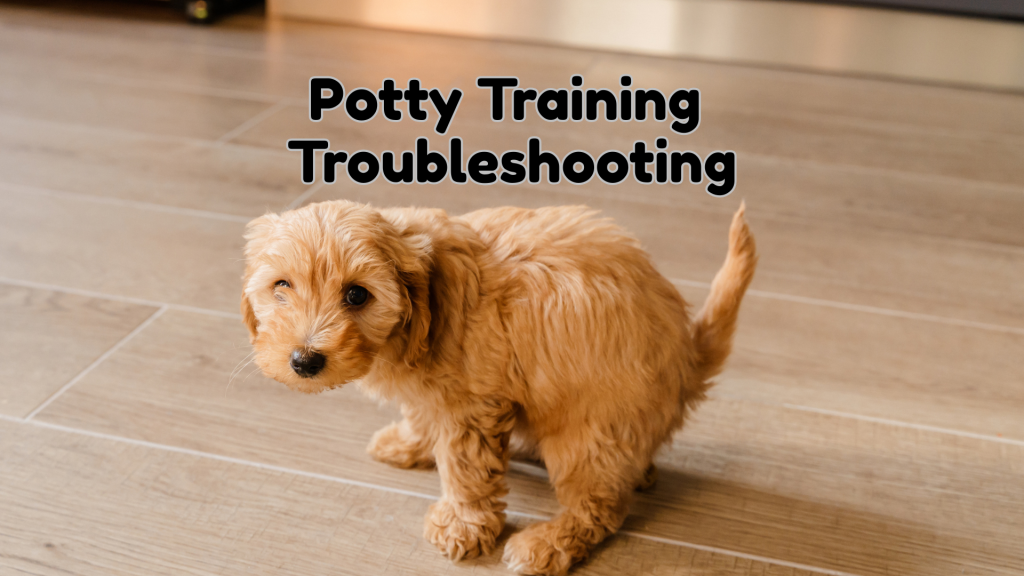
Is your dog suddenly having accidents inside the house? It can be frustrating and confusing, especially if your pet has been well-trained.
You might be wondering why this is happening and what you can do to fix it quickly. Understanding the reasons behind your dog’s behavior is the first step to finding a solution. Keep reading, because this article will help you discover the common causes and easy ways to get your home back to normal.
Don’t let these accidents ruin the bond you share with your furry friend—you’re not alone, and help is just ahead.
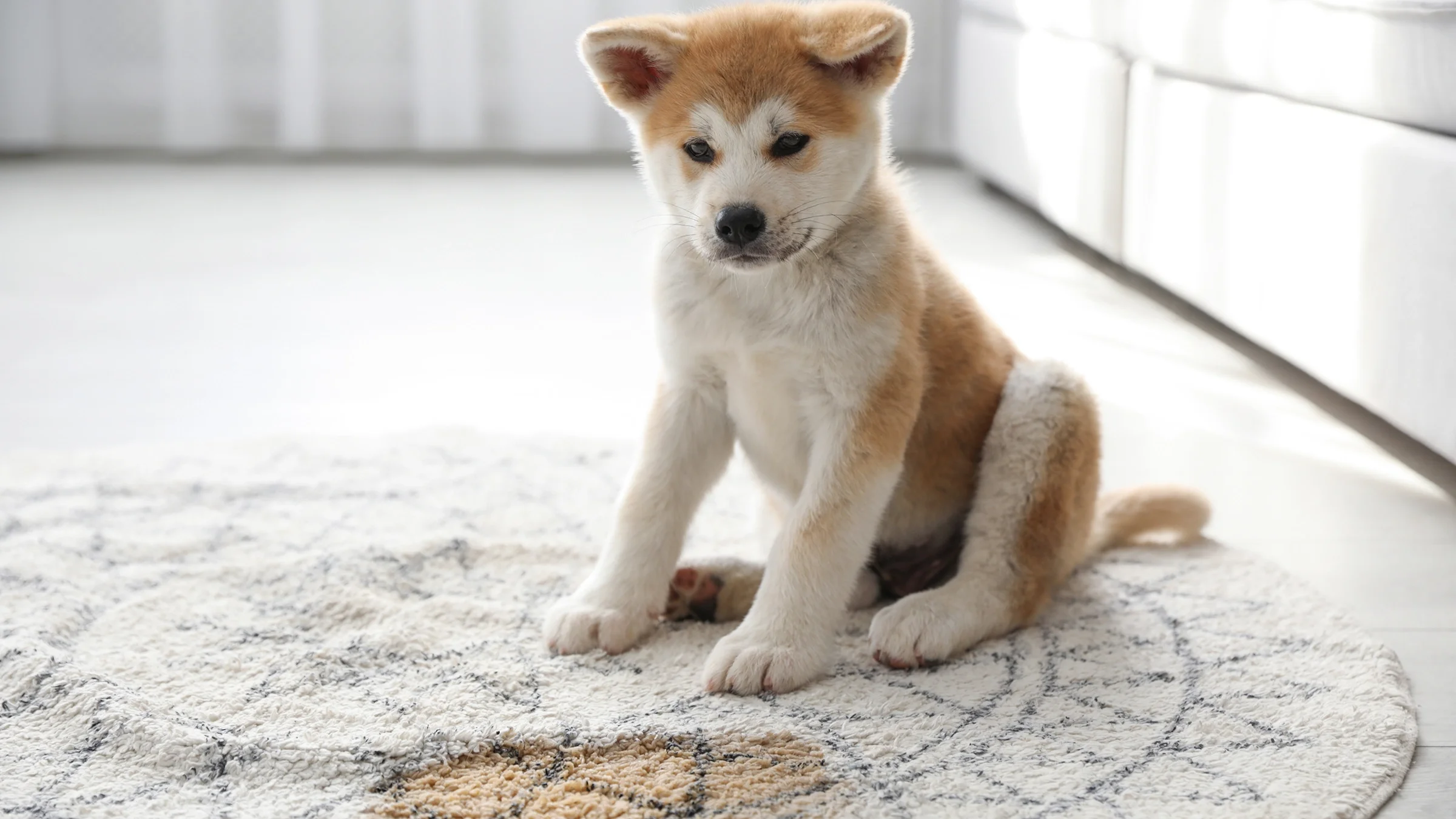
Credit: www.goodrx.com
Common Causes Of Indoor Accidents
Indoor accidents are a common concern for dog owners. Understanding the causes helps address the issue effectively. Several factors can lead to a dog having accidents inside the home. Identifying these causes is the first step toward solving the problem.
Medical Issues
Health problems often cause sudden indoor accidents. Urinary tract infections make dogs need to urinate more often. Kidney disease can also increase accidents. Dogs with bladder stones or diabetes may struggle to control urination. Pain or discomfort during bathroom trips can lead to accidents inside. A vet checkup is important to rule out medical causes.
Behavioral Factors
Stress and anxiety often cause indoor accidents. Changes in routine or environment can upset dogs. Separation anxiety may make a dog urinate inside. Incomplete house training also leads to accidents. Some dogs mark territory inside the home. Training and behavior modification help manage these issues.
Environmental Triggers
Changes in the home can confuse dogs. New furniture or rearranged rooms may cause accidents. Lack of access to outdoor areas limits bathroom options. Dirty or hard-to-reach outdoor spots discourage going outside. Loud noises or visitors can stress dogs and cause indoor accidents.
Age-related Challenges
Puppies often have accidents due to small bladders. Older dogs may lose control due to aging. Cognitive decline in senior dogs causes confusion. Joint pain or arthritis can make outdoor trips difficult. Adjusting care routines helps manage accidents in young and old dogs.

Credit: www.usadogbehavior.com
Identifying Medical Problems
Accidents inside the house can be frustrating, but they might signal more than just behavior issues. Medical problems often cause dogs to lose control over their bathroom habits. Recognizing these health issues early can save your dog discomfort and help you avoid damage to your home.
Urinary Tract Infections
One common cause of indoor accidents is a urinary tract infection (UTI). Dogs with UTIs feel a constant urge to urinate but often can’t hold it. You might notice your dog going to the bathroom more frequently or showing signs of discomfort.
If you see your dog licking the genital area excessively or showing blood in the urine, it’s time for a vet visit. Treating UTIs promptly usually stops the accidents quickly.
Kidney Disease
Kidney disease can also lead to accidents inside. This condition affects your dog’s ability to concentrate urine, causing more frequent urination. Older dogs are especially prone to this problem.
Does your dog drink more water than usual and pee often? These are warning signs worth discussing with your vet. Early diagnosis can improve your dog’s quality of life.
Diabetes
Diabetes can cause increased thirst and urination, leading to accidents indoors. If your dog suddenly starts having accidents despite being house trained, diabetes might be the cause. You may also notice weight loss or increased appetite.
Testing for diabetes is straightforward, and managing it involves diet and sometimes insulin. Catching this early keeps your dog healthy and reduces accidents.
Other Health Concerns
Several other medical issues can cause your dog to have accidents inside. Examples include bladder stones, hormonal imbalances, and neurological problems. These conditions interfere with your dog’s ability to control urination.
Have you noticed any changes in your dog’s behavior or mobility along with accidents? Sharing these details with your vet helps pinpoint the exact cause. Don’t ignore repeated accidents—medical problems often hide behind this behavior.
Behavioral Reasons For Accidents
Behavioral reasons often cause dogs to have accidents inside the house. These accidents are not always about health problems. Dogs can act out when they feel uneasy or confused. Understanding these behaviors helps in solving the problem quickly.
Anxiety And Stress
Dogs can get anxious or stressed for many reasons. New people, loud noises, or moving to a new home can upset them. Stress may cause a dog to urinate indoors. Separation anxiety is common. Dogs left alone for long periods may have accidents to show distress.
Lack Of Training
Some dogs never learn where to go potty. Puppies need proper training and patience. Without clear guidance, dogs do not understand house rules. Inconsistent or no training leads to accidents inside. Training helps dogs know the right place to relieve themselves.
Marking Territory
Dogs use urine to mark their territory. This is more common in males but can happen with females too. New pets or strangers in the house can trigger marking. It is a way for dogs to feel secure and claim their space. Marking often looks like small urine spots around the home.
Changes In Routine
Dogs thrive on routine and predictability. Changes in schedule can confuse them. A new work routine or a trip can cause accidents. Dogs might not get enough bathroom breaks. Keeping a stable routine helps prevent indoor accidents.
Credit: pethelpful.com
Environmental And Lifestyle Factors
Environmental and lifestyle factors can strongly affect your dog’s bathroom habits. Dogs rely on routine and comfort to feel secure. Changes around them can cause confusion or stress. This often leads to accidents inside the home. Understanding these factors helps you create a better environment for your dog.
Inadequate Bathroom Access
Dogs need easy and regular access to bathroom spots. Limited outdoor breaks can cause accidents indoors. Busy schedules or bad weather may reduce walk times. Puppies and older dogs require more frequent trips outside. Not having a consistent place to go can confuse your dog.
Changes In Household
New family members, visitors, or pets can upset your dog. Moving to a new home or rearranging furniture also causes stress. Dogs may urinate indoors to mark territory or seek comfort. Loud noises or changes in daily routines add to anxiety. Your dog might need time to adjust to these changes.
Diet And Hydration Impact
Your dog’s eating and drinking habits affect bathroom control. Sudden diet changes can upset digestion and cause accidents. Too much water intake or dehydration can increase bathroom needs. Feeding times and types of food influence urine frequency. Careful monitoring of diet helps maintain regular bathroom habits.
Solutions To Prevent Indoor Accidents
Finding solutions to prevent your dog’s indoor accidents can make a big difference in your daily life and your pet’s happiness. Tackling the issue requires a clear understanding of the root causes and practical steps you can take. Let’s break down some effective ways to keep your home clean and your dog comfortable.
Veterinary Care And Diagnosis
Sometimes, accidents happen because your dog is dealing with a medical issue. Conditions like urinary tract infections, kidney problems, or diabetes can cause sudden indoor accidents.
Don’t hesitate to visit your vet if you notice frequent accidents. Early diagnosis can lead to treatments that stop the problem and improve your dog’s quality of life.
Reinforcing Training Techniques
Even well-trained dogs may need a refresher course, especially after a change in environment or routine. Reinforce potty training by taking your dog outside regularly and rewarding them when they go outdoors.
Consistency is key. Set specific times for bathroom breaks and stick to them, helping your dog understand where and when it’s okay to go.
Managing Anxiety And Stress
Stress can cause your dog to lose control over their bathroom habits. Changes such as moving, new family members, or loud noises may trigger anxiety-related accidents.
Try calming techniques like gentle petting, quiet spaces, or even anxiety wraps. Sometimes, consulting a professional trainer or behaviorist can provide tailored strategies to ease your dog’s stress.
Adjusting Environment And Routine
Your dog’s environment plays a big role in their bathroom habits. Make sure they have easy access to the outdoors and remove any obstacles that might discourage them from going outside.
Keep a regular schedule for meals and walks. Dogs thrive on routine, and a steady rhythm can reduce confusion and accidents inside your home.
When To Seek Professional Help
Knowing when to seek professional help for your dog’s indoor accidents can save you time, stress, and frustration. Sometimes, accidents are more than just a training issue—they could signal health problems or deep-rooted behavioral concerns. Recognizing the right moment to call in an expert will guide you toward the best solutions for your furry friend.
Signs That Need Immediate Attention
If your dog suddenly starts having frequent accidents inside despite being house-trained, it’s a red flag. Watch for signs like:
- Changes in drinking or urination habits
- Blood in urine or stool
- Straining or discomfort while eliminating
- Sudden aggression or anxiety around bathroom time
- Excessive licking of the genital area
These symptoms could indicate infections, bladder stones, or other medical issues. Ignoring them risks worsening your dog’s health and prolonging the problem.
Choosing The Right Trainer Or Behaviorist
Not all trainers or behaviorists have the same approach or expertise. Look for someone who specializes in your dog’s specific issue, whether it’s anxiety, marking, or incomplete house training.
Ask about their certification, experience with similar cases, and training methods. A professional who uses positive reinforcement and understands your dog’s unique personality can make a huge difference.
Have you ever felt overwhelmed by conflicting advice? A qualified expert can cut through the noise and give you clear, practical steps that fit your lifestyle and your dog’s needs.
Frequently Asked Questions
Why Is My Dog Suddenly Peeing Inside?
Sudden indoor accidents can be due to health issues like infections or behavioral changes. Stress, anxiety, or changes in routine may also cause it. Consult a vet to rule out medical causes first. Training adjustments or addressing environmental changes can help manage the issue effectively.
Could Stress Cause My Dog To Have Accidents?
Yes, stress can lead to indoor accidents in dogs. Changes in environment, routine, or new pets can cause anxiety. Stress impacts bladder control, leading to accidents. Providing a calm environment, consistent routine, and positive reinforcement can help alleviate stress-related accidents in dogs.
Is My Dog’s Diet Affecting Indoor Accidents?
Diet can affect your dog’s bathroom habits. Foods with high water content can increase urination frequency. Allergies or intolerances might cause digestive issues leading to accidents. Consult a vet to ensure your dog’s diet suits their needs and doesn’t contribute to indoor accidents.
Does Age Influence My Dog’s Bathroom Habits?
Yes, age can impact a dog’s bathroom habits. Puppies may not yet be fully house-trained. Older dogs might face incontinence or cognitive decline. Regular vet check-ups help address age-related issues, ensuring your dog maintains healthy bathroom habits indoors.
Conclusion
Dogs having accidents inside can signal health or behavior issues. Watch your dog closely for changes in habits or health. Clean accidents quickly to avoid repeat spots. Offer regular bathroom breaks and praise when your dog goes outside. Consult a vet if accidents continue or seem unusual.
Patience and care help your dog feel safe and learn. Understanding why your dog acts this way is key. Small steps can bring big improvements. Keep your dog happy and your home clean.

Emily Barker is the founder of ChillDogLife.com, a space dedicated to helping pup parents discover the best dog products, lifestyle tips, and cozy ideas for happier homes.
A lifelong dog lover, Emily combines her passion for pets with a knack for research to share trusted recommendations on everything from toys and furniture to health and everyday care.
Her goal is simple: to make life easier, stylish, and more joyful for dogs and the people who love them.




