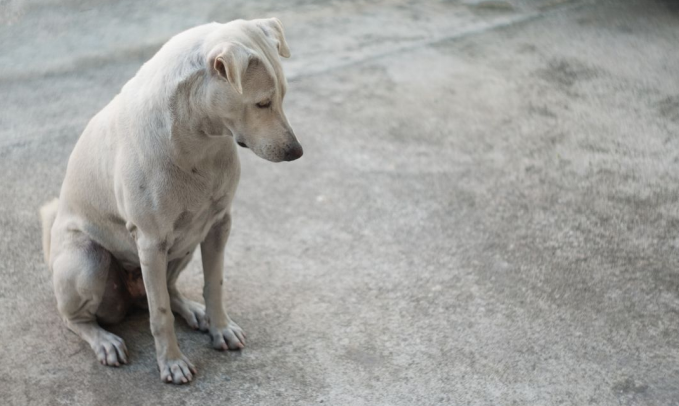
If you have a female dog, you’ve probably noticed some changes in her behavior during heat. But do you really understand what’s happening and how to handle it?
Dogs in heat can act differently—sometimes confused, restless, or even a bit grumpy. Knowing what to expect can make this time easier for both you and your furry friend. You’ll discover the common signs of heat behavior and simple tips to keep your dog comfortable and safe.
Keep reading to learn how to support your dog through this natural but sometimes challenging phase.
Credit: seniortailwaggers.com
Signs Of A Dog In Heat
Dogs in heat show clear signs that signal they are ready to mate. Recognizing these signs helps owners care for their pets properly during this time.
The heat cycle causes both physical and behavioral changes. Watching closely can prevent unwanted pregnancies and keep your dog comfortable.
Physical Changes
Physical signs are the easiest to spot. These changes happen in the dog’s body and show that she is in heat.
- Swollen vulva that looks larger than usual
- Red or pink discharge from the vulva
- Increased urination to mark territory
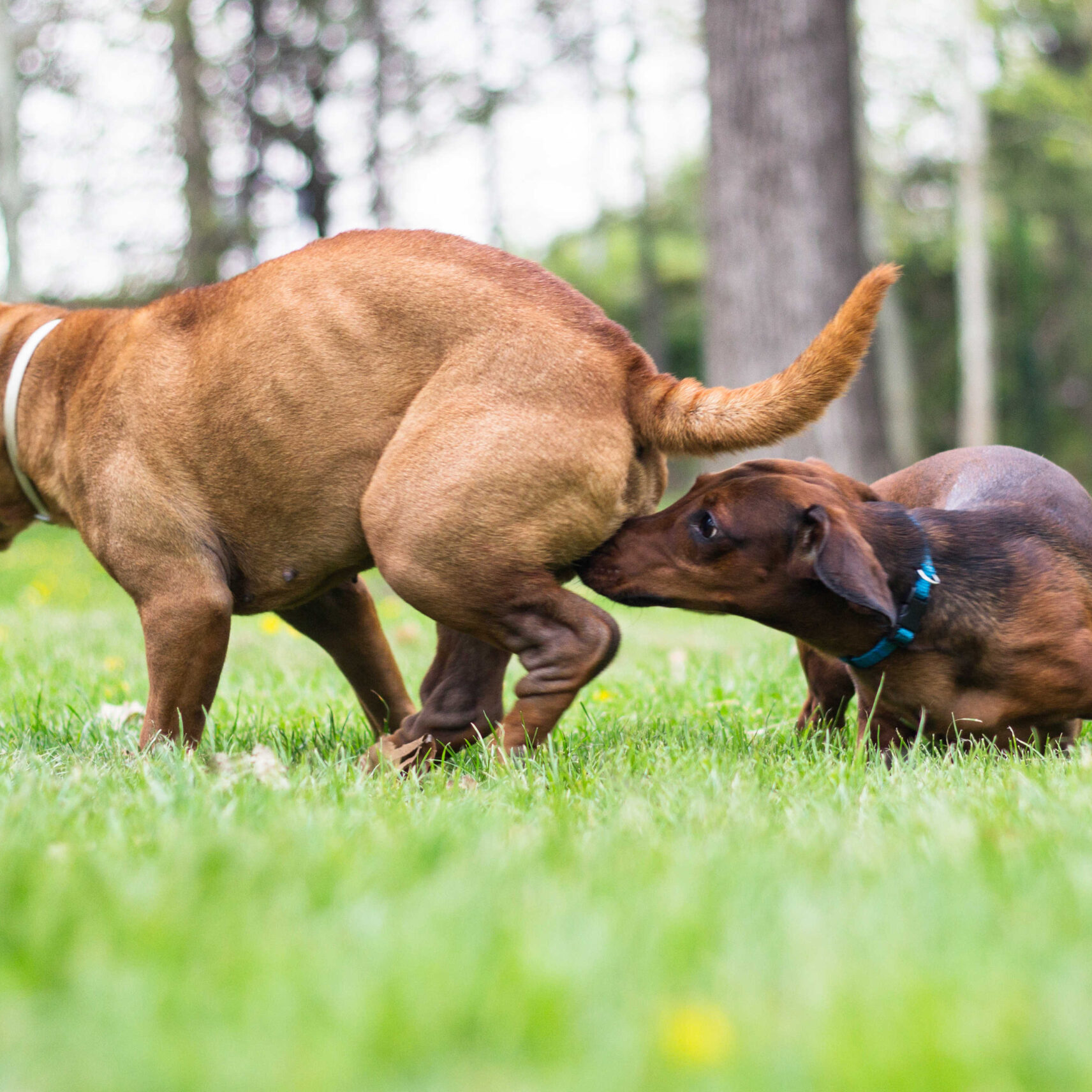
- Changes in the scent, attracting male dogs
- Loss of appetite during early heat stages
Behavioral Shifts
Behavior changes can be subtle or strong. They reflect the dog’s mood and instincts during her heat cycle.
| Behavior | Description |
|---|---|
| Increased Affection | The dog may seek more attention and touch from people. |
| Restlessness | She may pace or have trouble settling down. |
| Mounting | She might try to mount other dogs, objects, or people. |
| Vocalization | Howling or whining to attract male dogs. |
| Escaping | Attempts to run away to find a mate. |
Credit: medium.com
Duration And Cycle Stages
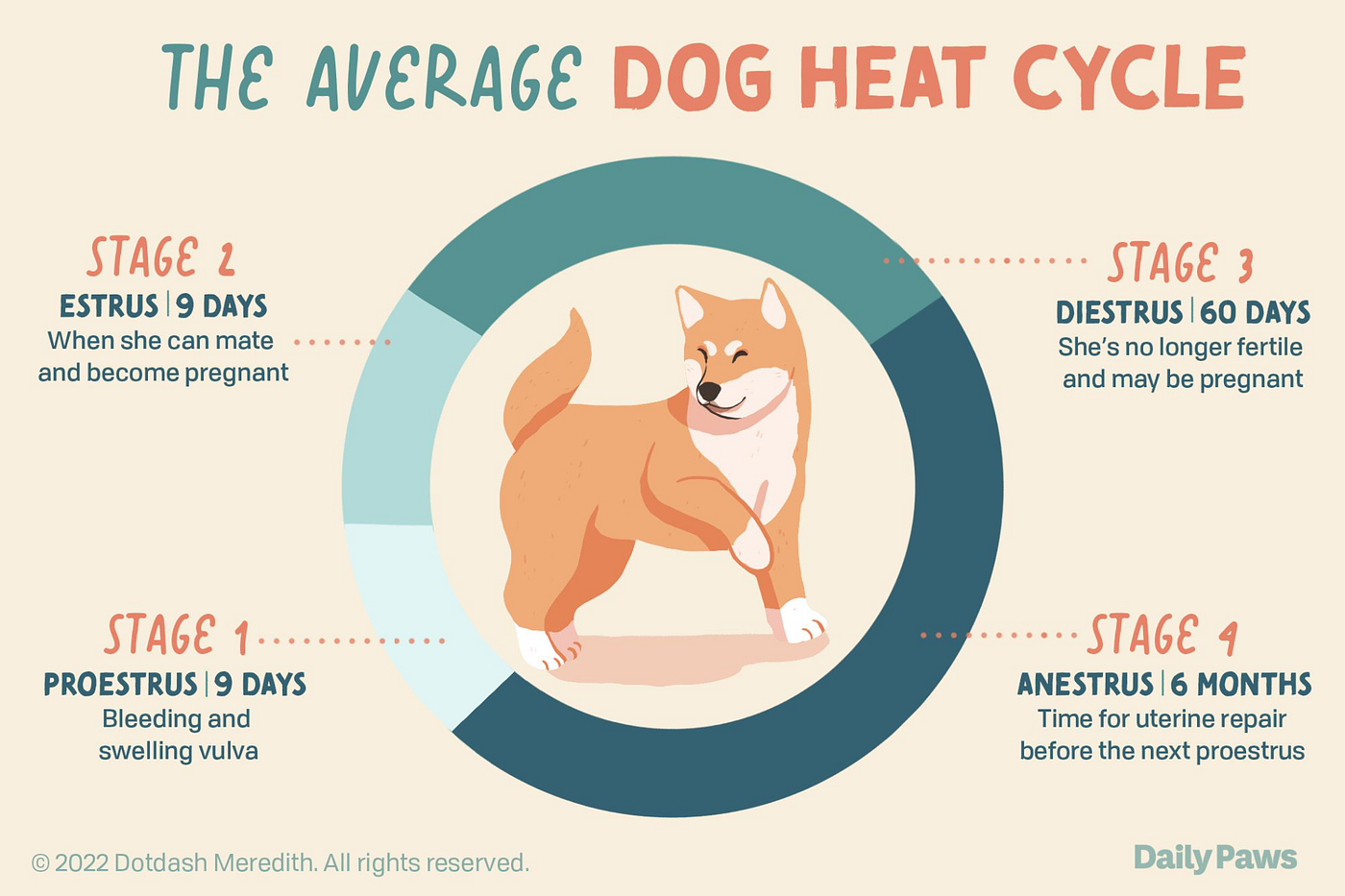
A female dog’s heat cycle lasts about 2 to 4 weeks. It has several stages with different behaviors.
Knowing these stages helps owners understand their dog’s actions and needs during heat.
Proestrus Phase
The proestrus phase starts the heat cycle. It usually lasts 7 to 10 days.
During this phase, the female dog may have swelling of the vulva and a bloody discharge. She may act restless or more affectionate.
- Lasts 7 to 10 days
- Swollen vulva
- Bloody discharge
- Increased attention seeking
Estrus Phase
Estrus is the stage when the female dog is fertile. It lasts around 5 to 14 days.
The discharge changes from bloody to lighter or pinkish. The dog will allow males to mate and may show more active behavior.
- Lasts 5 to 14 days
- Discharge turns lighter or pinkish
- Female is fertile and receptive
- Increased flirting and mating behavior
Diestrus And Anestrus
Diestrus follows estrus and lasts about 60 to 90 days. The dog’s body returns to normal.
Anestrus is the resting phase before the next heat. It usually lasts 2 to 6 months.
- Diestrus:60 to 90 days, no heat signs
- Anestrus:2 to 6 months, body rests
- Female is not fertile during these stages
Managing Behavioral Changes
Dogs in heat often show changes in their behavior. These changes can be hard for owners to handle.
Understanding and managing these behaviors helps keep your dog calm and safe.
Increased Affection Or Aggression
Some dogs become more loving during heat. They may want extra petting and attention.
Other dogs may act aggressive. They might growl, snap, or avoid people.
Stay calm and gentle. Give your dog space if she shows aggression.
Restlessness And Vocalization
Dogs in heat often feel restless. They pace or cannot settle down easily.
Vocal sounds like whining or barking may increase. This is their way to express discomfort.
- Provide a quiet, comfortable place to rest
- Offer toys to distract and calm your dog
- Keep a regular routine to reduce stress
Preventing Unwanted Pregnancies
Dogs in heat show behaviors that may lead to pregnancy. Preventing unwanted pregnancies is important for their health and safety.
Careful planning and management can help avoid accidental litters. Owners must stay alert during this time.
Supervision Tips
Always watch your dog closely when she is in heat. Keep her away from male dogs, even in the yard.
Do not leave your dog outside unsupervised. Use a leash on walks to control her movement.
- Stay with your dog during outdoor time
- Avoid dog parks or places with many dogs
- Keep doors and gates securely closed
- Use a leash when walking in public areas
Use Of Protective Gear
Protective gear helps prevent mating during heat cycles. Dog diapers are a good option to use at home.
These diapers cover the dog and block access to her. They also help keep your home clean.
- Choose diapers designed for dogs in heat
- Change diapers often to keep your dog comfortable
- Use snug but not too tight diapers
- Consider protective clothing for extra coverage
Health And Hygiene Care
Dogs in heat need special care to stay healthy. Their bodies go through changes that require attention.
Good hygiene helps prevent infections and keeps your dog comfortable during this time.
Cleaning Techniques
Clean your dog regularly to remove discharge and dirt. Use warm water and gentle pet-safe wipes.
Change any bedding or pads often to avoid odors and bacteria build-up. Keep the area dry and fresh.
- Wipe the genital area daily with a damp cloth
- Use unscented, gentle wipes made for pets
- Wash bedding and towels frequently in hot water
- Keep your dog indoors or in a clean yard
Monitoring For Infections
Watch your dog for signs of infection like redness, swelling, or bad smell. These signs need quick care.
If your dog seems uncomfortable, scratches often, or has unusual discharge, consult a vet. Early treatment helps prevent serious problems.
- Check the genital area daily for redness or swelling
- Notice if your dog licks the area more than usual
- Look for changes in discharge color or smell
- Observe any fever or loss of appetite
When To Consult A Veterinarian
Dogs in heat show different behaviors. Sometimes, these behaviors need a vet’s attention. Knowing when to consult a veterinarian is important for your dog’s health.
Regular check-ups are good, but certain signs mean you should call a vet quickly. These signs can show that your dog needs special care.
Signs Of Complications
Dogs in heat might face complications. Watch for unusual symptoms. These signs mean your dog might need medical help.
If you notice any of these signs, consult a veterinarian right away. Early treatment can prevent serious problems.
- Excessive bleeding
- Foul-smelling discharge
- Lethargy or weakness
- Loss of appetite
- Swollen abdomen
Spaying Considerations
Spaying is a surgical procedure. It stops the heat cycle permanently. This decision needs careful thought and a vet’s advice.
Consult a veterinarian to understand the benefits and risks of spaying. Timing and health condition are important factors to consider.
- Prevents unwanted pregnancies
- Reduces risk of certain cancers
- Can improve behavior
- Consider age and health before spaying
Behavioral Training During Heat
Dogs in heat may show different behaviors. Training during this time helps manage these changes. It is important to understand their needs and maintain consistency.
Providing support through structured routines can make this period easier for both dogs and owners. Positive reinforcement is key to successful behavioral training.
Maintaining Routine
Keeping a regular schedule helps dogs feel secure. Consistent meal times and walks reduce stress during heat. A stable routine makes the environment predictable.
Here is a simple daily routine:
- Morning walk
- Breakfast
- Playtime
- Rest
- Evening walk
- Dinner
Positive Reinforcement
Rewarding good behavior encourages your dog to repeat it. Use treats, praise, and affection to reinforce desired actions. This method helps during training sessions.
- Identify the behavior you want to encourage.
- Choose a reward your dog likes.
- Give the reward immediately after the behavior.
- Repeat to reinforce the learning.
Positive reinforcement builds trust between you and your dog. It strengthens your bond and makes training enjoyable.
Credit: www.seeworldgps.com
Frequently Asked Questions
What Are Common Behaviors Of Dogs In Heat?
Dogs in heat often show restlessness, frequent urination, and increased affection. They may also display mood swings and attract male dogs nearby. Understanding these behaviors helps owners provide proper care during this time.
How Long Does A Dog Stay In Heat?
A typical heat cycle lasts about 2 to 3 weeks. This period includes proestrus, estrus, and diestrus phases. Monitoring these stages helps manage your dog’s health and behavior effectively.
Can Dogs In Heat Have Mood Changes?
Yes, dogs in heat experience mood swings like irritability or clinginess. Hormonal changes affect their temperament temporarily. Recognizing this helps owners respond with patience and care.
How To Keep A Dog Calm During Heat?
Provide a quiet environment, regular exercise, and mental stimulation. Avoid stressful situations and limit interaction with male dogs. These steps help soothe your dog’s discomfort during heat.
Conclusion
Dogs in heat show clear changes in their behavior and mood. Understanding these signs helps you care for them better. They may act restless, seek more attention, or try to escape. Keep your dog safe and calm during this time.
Patience and gentle care make a big difference. Knowing what to expect can reduce stress for both of you. Watch closely and provide comfort as needed. This phase passes, and your dog will return to normal soon. Stay calm, stay prepared, and support your furry friend.

Emily Barker is the founder of ChillDogLife.com, a space dedicated to helping pup parents discover the best dog products, lifestyle tips, and cozy ideas for happier homes.
A lifelong dog lover, Emily combines her passion for pets with a knack for research to share trusted recommendations on everything from toys and furniture to health and everyday care.
Her goal is simple: to make life easier, stylish, and more joyful for dogs and the people who love them.




