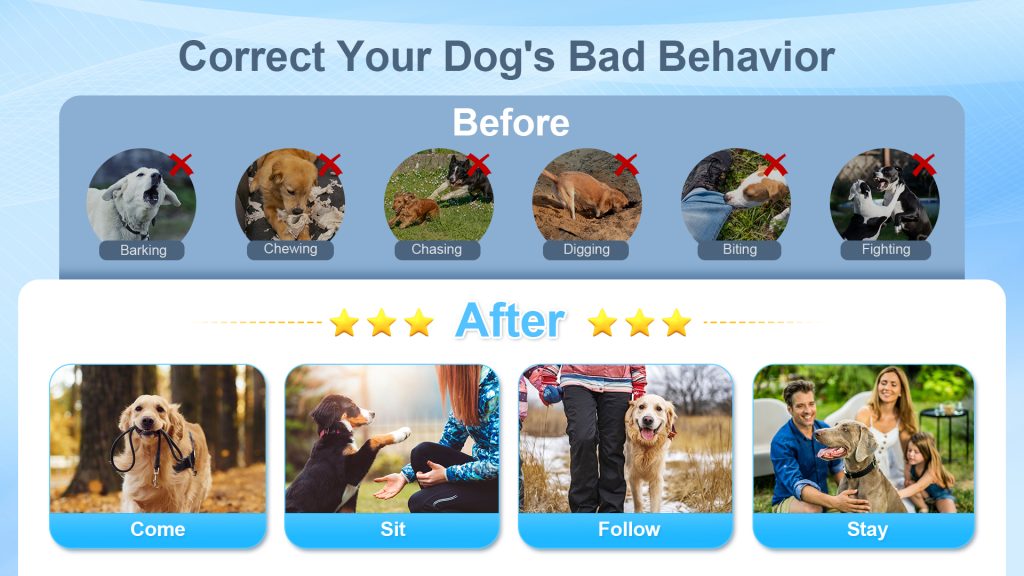
Is your dog acting out in ways that frustrate you? Maybe they chew your shoes, bark nonstop, or ignore your commands.
You’re not alone, and the good news is you can change this behavior. Understanding how to correct bad behavior in your dog is easier than you think. You’ll discover simple, effective steps that will help you build a happier and more respectful relationship with your furry friend.
Ready to transform your dog’s behavior and enjoy a peaceful home again? Keep reading—your dog is counting on you.
Credit: theonlinedogtrainer.com
Common Bad Behaviors
Dogs can show bad behaviors that make life hard for owners. Understanding these behaviors helps correct them early.
Here are some common bad behaviors in dogs and tips on how to handle them.
Barking Excessively
Dogs bark to communicate, but too much barking can be annoying. It can happen when dogs are bored, scared, or want attention.
Training your dog to stop barking on command helps reduce this behavior. Give them enough exercise and mental tasks.
Chewing Furniture
Chewing is natural for dogs, especially puppies. But chewing furniture can damage your home and hurt your dog.
Provide safe chew toys and keep furniture out of reach. Praise your dog when it chews the right things.
- Offer plenty of chew toys
- Use bitter sprays on furniture
- Keep your dog busy with games
Jumping On People
Dogs jump to greet people or get attention. This can be scary or annoying for visitors.
Teach your dog to sit when meeting people. Reward calm behavior and ignore jumping.
- Ask guests to ignore the dog if it jumps
- Give treats for sitting politely
- Practice greetings regularly
Aggression Signs
Aggression can show as growling, snapping, or biting. It signals fear, pain, or protectiveness.
Stay calm and keep distance from the dog. Consult a professional trainer or vet for help.
- Watch for warning signs like stiff body or growling
- Do not punish aggressive behavior harshly
- Use positive training to build trust
House Soiling
House soiling means the dog pees or poops inside. It can be caused by poor training or health problems.
Set a regular schedule for bathroom breaks. Clean accidents with special cleaners to remove odor.
- Take your dog outside often
- Reward outdoor bathroom use
- Visit the vet if accidents continue
Causes Of Bad Behavior
Dogs may show bad behavior for many reasons. Understanding these causes helps fix the problem.
Some causes come from the dog’s environment. Others come from health or training issues.
Lack Of Exercise
Dogs need daily exercise to stay healthy and calm. Without enough activity, they get restless.
Restlessness can lead to chewing, barking, or digging. Exercise helps burn extra energy.
- Regular walks help reduce bad behavior
- Playtime keeps dogs mentally active
- Exercise improves overall mood
Inconsistent Training
Dogs need clear and steady rules. Changing rules confuse dogs and cause bad habits.
Training should be the same every day. Everyone in the family should follow the rules.
- Use the same commands each time
- Reward good behavior consistently
- Correct bad behavior calmly and quickly
Fear And Anxiety
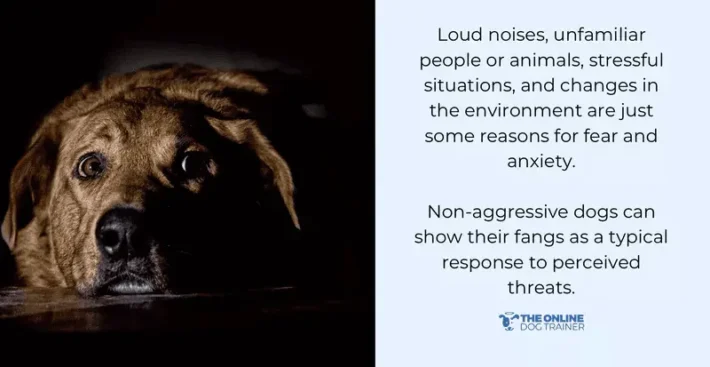
Fear makes dogs act out or hide. Loud noises or new places can cause anxiety.
Anxious dogs may bark, bite, or have accidents indoors. Calm training can ease their fears.
- Identify what scares your dog
- Use gentle exposure to fears
- Create a safe space for your dog
Attention-seeking
Dogs want attention from their owners. Some act badly to get noticed.
Ignoring bad behavior and praising good actions teaches dogs the right way.
- Give attention only for good behavior
- Do not respond to barking or whining
- Offer toys to keep your dog busy
Medical Issues
Health problems can cause changes in behavior. Pain or illness makes dogs irritable.
If bad behavior starts suddenly, visit a vet. Treating medical issues can fix behavior.
- Check for pain or discomfort signs
- Watch for changes in eating or sleeping
- Keep regular vet check-ups
Basic Training Principles
Correcting bad behavior in a dog requires understanding basic training principles. These principles help build good habits and improve your dog’s behavior.
Training takes patience and clear communication. Using the right methods makes learning easier for your dog.
Positive Reinforcement
Positive reinforcement means giving rewards when your dog behaves well. This encourages your dog to repeat good actions.
Rewards can be treats, praise, or playtime. Always reward immediately after the good behavior.
- Use small treats your dog likes
- Praise your dog with a happy voice
- Give attention or petting as a reward
- Reward only the desired behavior
Timing And Consistency
Timing is key to good training. Give rewards or corrections right after the behavior happens.
Be consistent with your rules and responses. Your dog learns faster when training is steady and clear.
- Reward good actions immediately
- Correct bad behavior right away
- Use the same commands every time
- Keep training sessions regular
Setting Clear Boundaries
Dogs need clear rules to know what is allowed. Set boundaries in your home and yard to guide behavior.
Use barriers or leashes if needed. Teach your dog which areas and behaviors are off-limits.
- Define off-limit areas clearly
- Use commands to stop unwanted actions
- Do not allow exceptions to rules
- Be firm but gentle when enforcing boundaries
Using Commands Effectively
Commands help your dog understand what you want. Use simple words and clear tones for each command.
Train one command at a time. Repeat it often until your dog obeys without hesitation.
- Keep commands short and simple
- Use a firm but calm voice
- Practice commands in different places
- Reward your dog for following commands
Techniques To Stop Bad Habits
Dogs sometimes develop bad habits that can be hard to manage. Correcting these behaviors takes patience and the right techniques.
Using positive and consistent methods helps your dog learn what is acceptable. Here are some effective ways to stop bad habits.
Redirecting Behavior
Redirecting means guiding your dog from a bad habit to a good one. For example, if your dog chews on furniture, give a chew toy instead.
This technique keeps your dog busy with something allowed. It teaches what you want them to do without punishment.
Ignoring Attention-seeking Acts
Dogs often act out to get your attention. If the behavior is not harmful, ignore it to reduce its power.
Do not look, talk, or touch your dog during these acts. Once they stop, give attention to reward good behavior.
Using Time-outs
Time-outs help your dog understand that bad behavior leads to a loss of fun. Place your dog in a quiet area for a short time.
Keep time-outs brief, about one to three minutes. Use this method only for serious misbehavior, not for minor mistakes.
Leash Training For Control
Leash training teaches your dog to stay calm and listen to commands. It helps control jumping, pulling, or running off.
Use a short leash and reward your dog for walking close. Practice often in different places to strengthen control.
Tools And Aids
Correcting bad behavior in a dog needs patience and the right tools. Using aids can help teach your dog good habits faster.
These tools support training and make learning clear and fun for your dog. They also help keep your dog safe during training sessions.
Clickers And Treats
Clickers give a clear signal to your dog that they did the right thing. Treats reward the good behavior quickly.
- Use the clicker sound right after a good action.
- Give a treat immediately after the click.
- Practice often to build strong habits.
- Keep treats small and healthy to avoid weight gain.
Crate Training
A crate gives your dog a safe space. It helps with house training and stops bad behavior like chewing or barking.
Make the crate comfortable with a soft bed and toys. Never use it as punishment.
Harnesses And Collars
| Type | Use | Benefit |
| Flat Collar | Daily walks | Simple and light |
| Martingale Collar | Training control | Stops slipping out |
| Front-clip Harness | Walking pullers | Redirects pulling |
| Back-clip Harness | Calm dogs | Comfortable fit |
Choose the right collar or harness to control your dog safely. It helps teach good leash manners and stops pulling.
Interactive Toys
Interactive toys keep your dog busy and reduce bad habits like chewing on furniture. They also teach problem-solving skills.
- Puzzle feeders slow down eating and reward your dog.
- Chew toys help with teething and stress relief.
- Fetch toys encourage exercise and play.
- Tug toys build bond and teach controlled play.
Credit: thedoglife.shop
Dealing With Aggression
Dealing with aggression in dogs can be challenging. It’s important to understand the causes and work on solutions.
This guide will help you identify triggers and handle aggression safely.
Identifying Triggers
Knowing what triggers your dog’s aggression is crucial. It helps in managing the behavior effectively.
- Observe your dog’s behavior in different situations.
- Take note of specific people or objects that cause aggression.
- Consider the time of day and location where aggression occurs.
Safe Socialization
Socialization is key to reducing aggression. Start slow and ensure safety for all involved.
Enroll your dog in controlled socialization classes. This helps them learn to interact safely.
Professional Help
If your dog’s aggression is severe, seek professional help. A trainer can provide guidance.
| Service | Benefits |
| Behavioral Trainer | Personalized strategies |
| Veterinarian | Rule out medical issues |
| Group Classes | Safe social settings |
Avoiding Punishment
Punishment can worsen aggression. Positive reinforcement is a better approach.
- Reward calm behavior with treats.
- Use verbal praise to encourage good actions.
- Redirect aggressive behavior to a positive activity.
Maintaining Good Behavior
Correcting bad behavior in a dog requires a consistent approach. Maintaining good behavior involves various practices that nurture positive habits.
These practices ensure your dog remains well-behaved and happy. Here are some key areas to focus on.
Regular Exercise
Exercise is vital for a dog’s physical and mental health. Dogs need daily physical activity to burn energy and reduce stress.
- Take your dog for walks twice daily.
- Play fetch or tug-of-war games in the yard.
- Visit a dog park for social interaction.
Ongoing Training Sessions
Consistent training helps reinforce good behavior. Short training sessions can keep commands fresh in your dog’s mind.
Positive Environment
A positive home environment encourages good behavior. Dogs thrive in settings where they feel safe and loved.
Ensure your home has a cozy space for your dog to relax and rest.
Patience And Persistence
Patience is key when correcting bad behavior. Change takes time, and being persistent helps your dog learn effectively.
| Behavior | Correction Technique |
| Jumping | Ignore until calm |
| Barking | Use a quiet command |
| Chewing | Provide chew toys |

Credit: www.youtube.com
Frequently Asked Questions
How Can I Stop My Dog From Chewing Furniture?
Provide chew toys and redirect your dog to them. Use deterrent sprays on furniture. Praise your dog for chewing toys, not furniture. Consistency and patience are key in changing this behavior.
What Is The Best Way To Correct Dog Barking?
Identify the cause of barking, such as boredom or fear. Use commands like “quiet” and reward silence. Avoid yelling, as it may encourage more barking. Regular exercise and mental stimulation help reduce excessive barking.
How Do I Train My Dog To Stop Jumping On People?
Teach the “sit” command and reward calm behavior. Ignore the dog when it jumps and give attention only when it’s calm. Consistent training and positive reinforcement help discourage jumping on people.
Why Does My Dog Display Aggressive Behavior?
Aggression can stem from fear, pain, or territorial instincts. Consult a vet to rule out health issues. Use professional training to address aggression safely. Early intervention and consistent training reduce aggressive tendencies.
Conclusion
Correcting bad behavior in your dog takes time and patience. Consistent training helps your dog learn good habits. Use clear commands and reward positive actions often. Avoid punishment that may confuse or scare your dog. Stay calm and firm during every session.
Remember, every dog learns at its own pace. Building trust and respect creates a strong bond. Keep practicing daily for lasting results. Your effort will make your dog happier and well-behaved. Good behavior means a better life for both of you.

Emily Barker is the founder of ChillDogLife.com, a space dedicated to helping pup parents discover the best dog products, lifestyle tips, and cozy ideas for happier homes.
A lifelong dog lover, Emily combines her passion for pets with a knack for research to share trusted recommendations on everything from toys and furniture to health and everyday care.
Her goal is simple: to make life easier, stylish, and more joyful for dogs and the people who love them.




