Choosing the right dog crate can make a huge difference in your pet’s comfort and safety. But how do you know if the crate you pick is the perfect size for your furry friend?
Measuring a dog crate isn’t as simple as grabbing a tape measure—it’s about understanding your dog’s needs and making sure they have enough space to relax and move around. You’ll learn exactly how to measure a dog crate the right way, so your dog feels cozy and secure every time they step inside.
Keep reading, and you’ll never have to worry about picking the wrong crate again.
Credit: www.wayfair.ca
Choosing The Right Crate Size
Choosing the right crate size for your dog is key to their comfort and safety. A crate that fits well becomes a cozy space your dog will enjoy. It also helps in training and keeps your dog secure during travel. Measuring your dog properly ensures you pick a crate that suits their size and needs perfectly.
Importance Of Proper Fit
A crate should be large enough for your dog to stand, turn, and lie down comfortably. A tight crate can cause stress and discomfort. A crate too big can make your dog feel insecure or encourage unwanted behavior. The right size supports good habits and a happy pet.
Common Crate Sizes
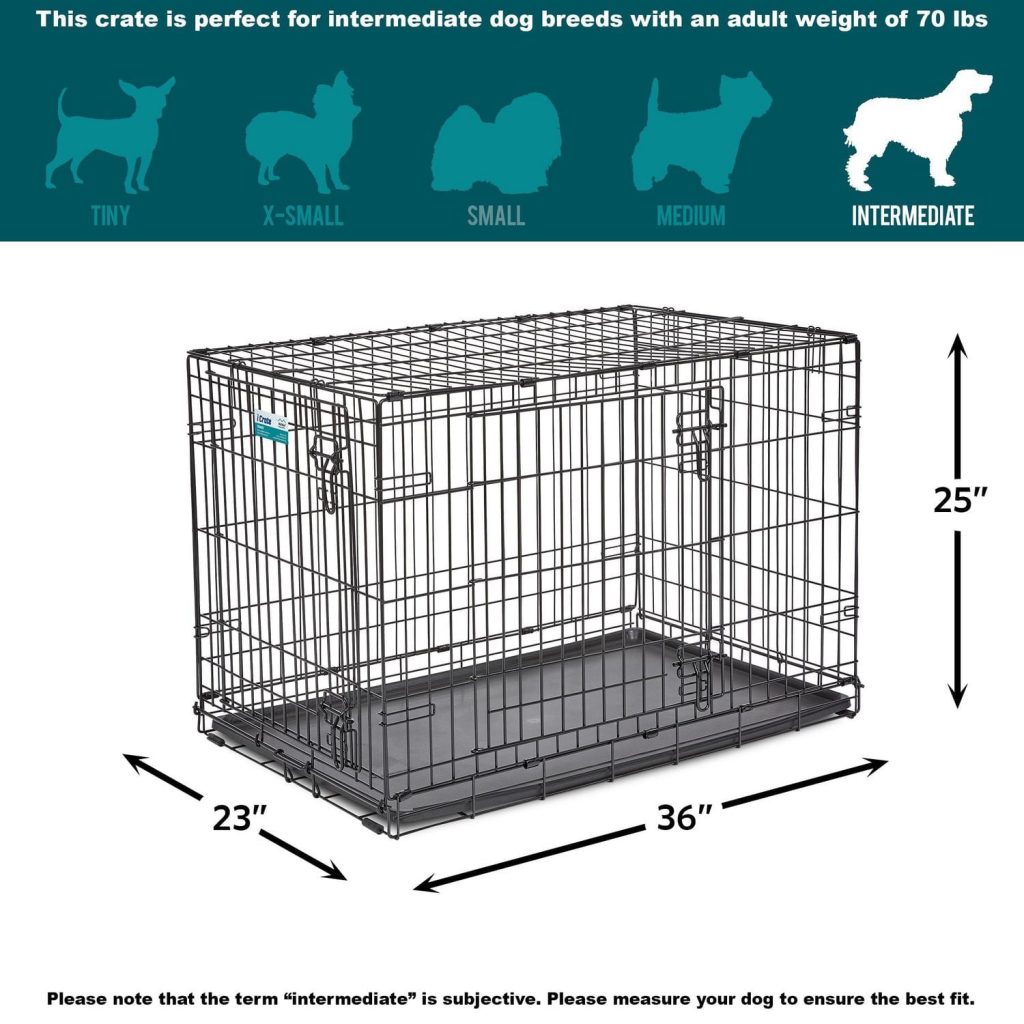
Crates come in many sizes to match different dog breeds. Here is a simple guide:
| Crate Size | Suitable Dog Weight | Approximate Dimensions (L x W x H) |
|---|---|---|
| Small | Up to 15 lbs | 24″ x 18″ x 19″ |
| Medium | 16-40 lbs | 30″ x 21″ x 24″ |
| Large | 41-70 lbs | 36″ x 23″ x 27″ |
| Extra Large | 71-90 lbs | 42″ x 28″ x 31″ |
| XXL | Over 90 lbs | 48″ x 30″ x 33″ |

Credit: www.amazon.ca
Measuring Your Dog
Measuring your dog is crucial for choosing the right crate size. Accurate measurements ensure your pet’s comfort and safety. Let’s break down the process into simple steps.
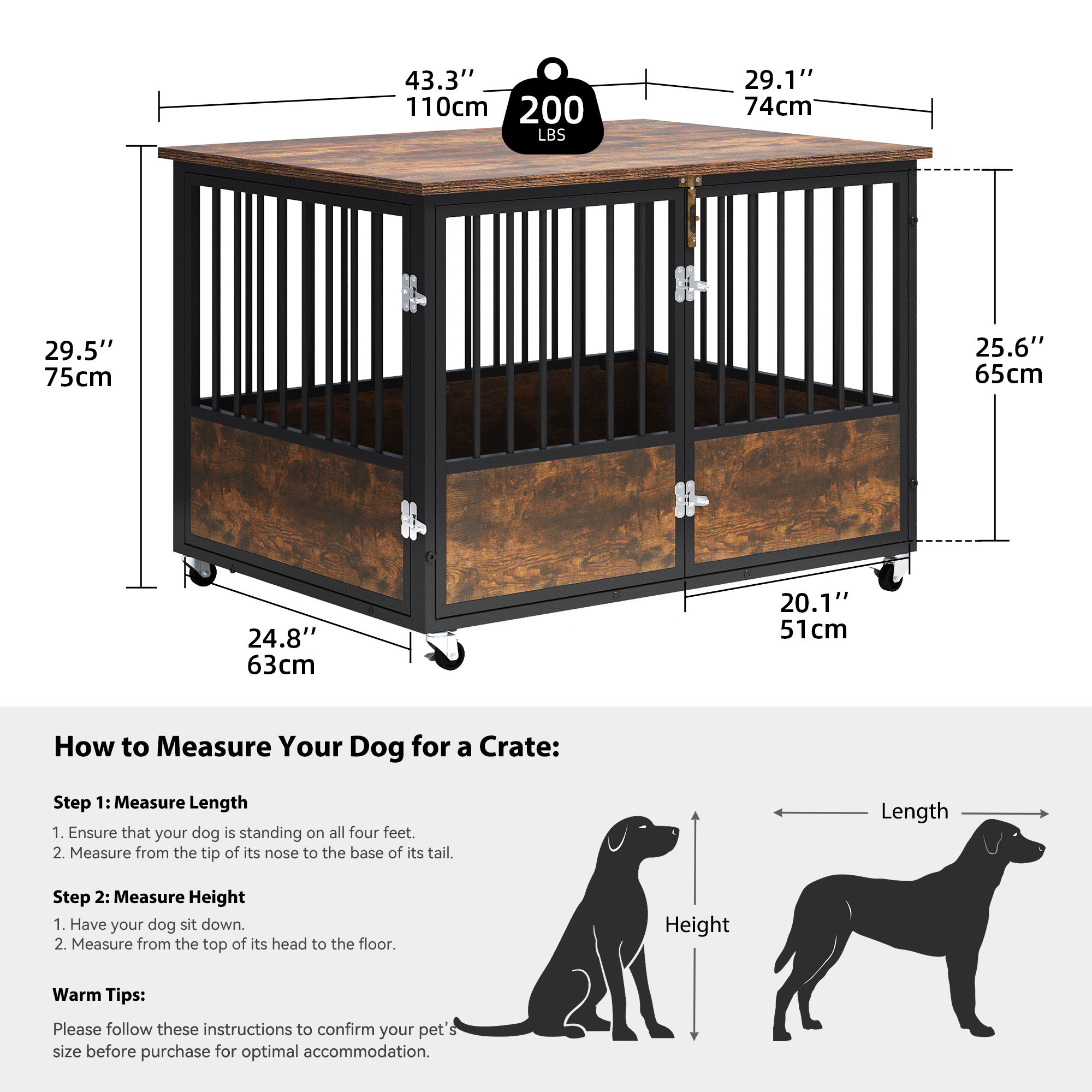
Measuring Length
Start by measuring from the tip of the nose to the base of the tail. This length helps determine the crate’s depth. A crate should be longer than your dog’s body. This space allows your dog to stretch comfortably.
Measuring Height
To measure height, have your dog stand. Measure from the top of the head to the floor. For dogs with erect ears, measure to the tips of the ears. Add extra inches for comfortable standing in the crate.
Measuring Width
Measure the widest part of your dog. This is usually across the shoulders or hips. A crate should provide ample width for movement. Ensure your dog can turn around easily.
Considering Your Dog’s Growth
Choosing the right dog crate size needs careful thought about your dog’s growth. Puppies grow fast, and a crate that fits today might be too small soon. A good crate size gives comfort now and space for future growth.
Measuring for a crate requires more than just current size. Consider how tall and long your dog will become. This helps avoid buying multiple crates as your dog grows.
Accounting For Puppy Growth
Puppies need room to move and stretch inside the crate. Measure your puppy’s length from nose to tail and add a few inches. Check height from floor to top of head when sitting or standing.
Choose a crate that is slightly bigger than these measurements. This extra space helps your puppy grow comfortably. Avoid crates that are too large, which can feel unsafe for puppies.
- Measure puppy length and height
- Add 2-4 inches for growth
- Ensure the crate is cozy but not tight
Adjusting For Adult Size
Think about your dog’s full adult size. Breed and weight help predict this. Large breeds need more space than small breeds.
Measure your dog’s expected adult length and height. Add a few inches to these numbers for comfort. A crate that fits well supports your dog’s resting and relaxing habits.
| Dog Size | Length (inches) | Height (inches) | Crate Size Recommendation |
|---|---|---|---|
| Small | 15-20 | 10-15 | 24 inches |
| Medium | 20-30 | 15-22 | 30 inches |
| Large | 30-40 | 22-28 | 36-42 inches |
Picking the right crate size means your dog stays safe and happy. Plan for growth and give your dog a cozy space for years.
Types Of Dog Crates
Dog crates come in different types, each serving a unique purpose. Choosing the right crate depends on your dog’s size, behavior, and travel needs. Knowing the types helps you measure and pick the best fit.
Wire Crates
Wire crates offer good ventilation and visibility. They are strong and easy to clean. Many have foldable designs for simple storage. Wire crates work well for training and home use.
Plastic Crates
Plastic crates provide a cozy, enclosed space. They are great for travel and airplane trips. These crates are sturdy and offer privacy for shy dogs. Make sure to measure your dog’s length and height carefully.
Soft-sided Crates
Soft-sided crates are lightweight and portable. They work best for calm dogs or short trips. These crates fold easily and fit in small spaces. They may not suit strong chewers or escape artists.
Tips For Accurate Measurement
Getting the right size for your dog’s crate is essential for their comfort and safety. Accurate measurement ensures your furry friend has enough room to stand, turn, and lie down comfortably. Here are some practical tips to help you measure your dog crate precisely and avoid common mistakes.
Using Proper Tools
Start with a reliable tape measure instead of a ruler or makeshift tool. A flexible cloth tape measure works best, especially if you need to measure around curved or uneven surfaces.
Keep a notepad or your phone handy to jot down the dimensions immediately. This prevents errors from forgetting or mixing up numbers later.
Have your dog’s height and length handy, but always double-check by measuring directly rather than relying on breed averages or online charts.
Measuring While Standing
Measure your dog while they are standing upright, not sitting or lying down. This gives you the most accurate dimensions for height and length.
Ask a friend to help hold your dog steady if they’re squirmy. This makes the process faster and reduces guesswork.
Think about your dog’s posture—some dogs stretch or slouch. Measure the tallest point of their head and the longest part of their body from nose to base of tail.
Double Checking Measurements
Never rely on a single measurement. Take each dimension at least twice to confirm accuracy.
If your tape measure slips or you notice inconsistencies, measure a third time. This helps avoid buying a crate that’s too small or too big.
Compare your measurements with the crate’s listed dimensions carefully, remembering to account for any bedding or padding you plan to add inside.

Credit: www.costway.ca
Common Mistakes To Avoid
Measuring a dog crate might seem straightforward, but many pet owners fall into common traps that lead to discomfort for their furry friends. Avoiding these mistakes ensures your dog has enough space to move, rest, and feel secure. Pay attention to these key areas to make a smart choice.
Choosing Too Small Crates
Picking a crate that’s too small can stress your dog and restrict movement. Dogs need space to stand up, turn around, and lie down comfortably. I once bought a crate based only on my dog’s length, ignoring her height, and she quickly showed signs of discomfort. Don’t make the same mistake—always add extra room beyond your dog’s size.
Ignoring Width And Height
Length isn’t the only measurement that matters. Width and height are just as important to accommodate your dog’s natural posture. If the crate is too narrow or low, your dog might feel cramped or unable to stretch. Think about how your dog sits or sleeps—does it curl up or sprawl? Measure accordingly to match their favorite resting positions.
Not Considering Door Access
Door size and placement often get overlooked but greatly impact usability. If the door is too small or awkwardly positioned, your dog may hesitate to enter. Have you ever struggled to get your dog into a crate because the door felt like a tight squeeze? Make sure the door allows easy access, especially if your dog is older or less agile.
Frequently Asked Questions
How Do You Measure A Dog Crate Correctly?
Measure your dog’s length from nose to tail and height from paws to ears. Add a few inches for comfort. Use these dimensions to choose a crate that fits your dog comfortably without being too large.
What Dimensions Matter When Sizing A Dog Crate?
Length, width, and height are key dimensions. Length should match your dog’s length plus extra space. Height must accommodate your dog standing without hitting the top. Width should allow easy movement inside the crate.
Should You Measure Your Dog Standing Or Lying Down?
Measure your dog standing naturally for accurate height and length. This position reflects your dog’s true size and ensures the crate fits when standing or moving around inside.
Can A Crate Be Too Big For A Dog?
Yes, a crate too big may cause anxiety or accidents. Dogs feel secure in snug crates but need enough space to stand, turn, and lie comfortably.
Conclusion
Measuring a dog crate helps your pet stay safe and comfortable. Use your dog’s length, height, and width for the best fit. Always add extra space so your dog can move freely. A well-sized crate makes travel and training easier.
Take your time to measure carefully before buying. This simple step ensures your dog feels happy and secure. Keep these tips in mind for the perfect crate choice. Your dog will thank you with comfort and calmness.

Emily Barker is the founder of ChillDogLife.com, a space dedicated to helping pup parents discover the best dog products, lifestyle tips, and cozy ideas for happier homes.
A lifelong dog lover, Emily combines her passion for pets with a knack for research to share trusted recommendations on everything from toys and furniture to health and everyday care.
Her goal is simple: to make life easier, stylish, and more joyful for dogs and the people who love them.




