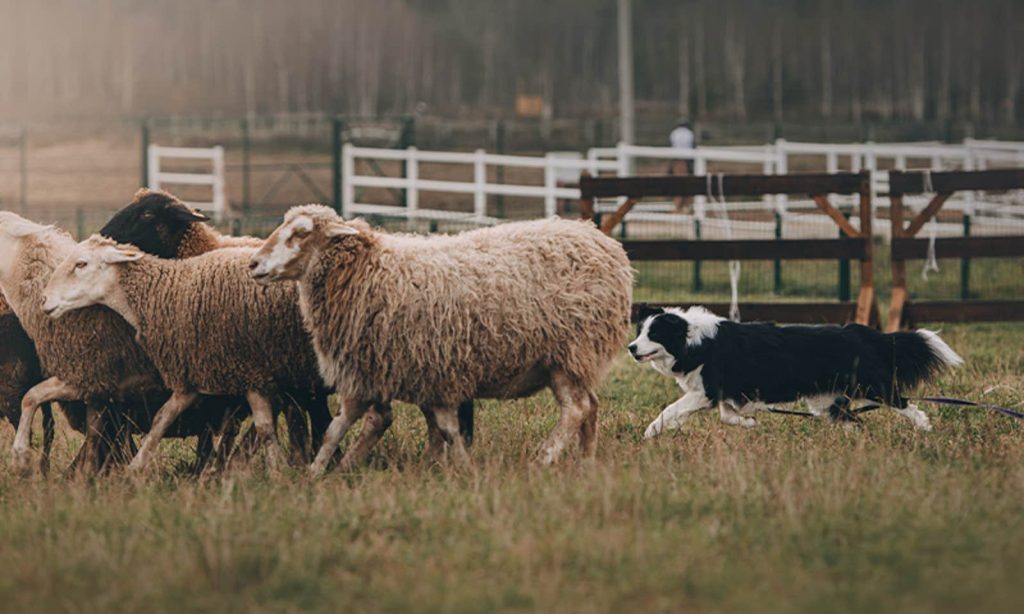
Have you ever noticed your dog chasing after other animals, circling around people, or even nudging you with their nose? These actions might seem curious, but they reveal a fascinating side of your dog’s nature: herding behavior.
Understanding why your dog acts this way can help you connect with them on a deeper level and manage their energy better. If you want to discover the secrets behind this instinct and learn how to channel it positively, keep reading—your dog’s true personality is about to unfold.

Credit: www.collieball.com
Herding Instincts In Dogs
Dogs have natural behaviors that come from their ancestors. Herding is one of these instincts. Many dogs use herding to control animals like sheep or cattle.
Understanding herding helps owners train dogs better. It also explains why some dogs act a certain way around people or pets.
Origins Of Herding Behavior
Herding began thousands of years ago. Early humans used dogs to manage livestock. These dogs learned to move animals safely and keep them together.
The behavior comes from a dog’s natural drive to chase and control movement. It helped farmers protect their animals and keep them from wandering.
Common Herding Breeds
- Border Collie
- Australian Shepherd
- German Shepherd
- Belgian Malinois
- Old English Sheepdog
- Welsh Corgi
These breeds have strong instincts to herd. They often need jobs or activities to stay happy. Without work, they can become bored or restless.
Signs Of Herding Instincts
| Sign | Description |
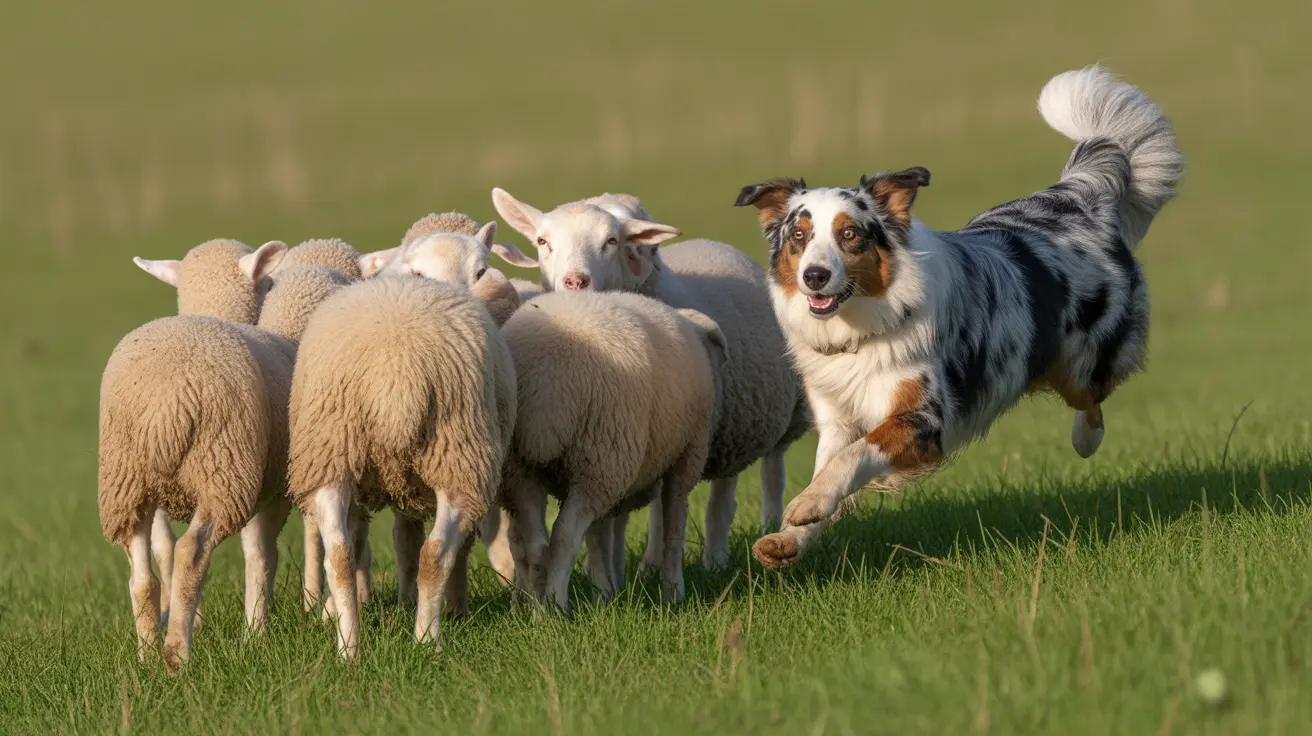
| Chasing Movement | The dog tries to chase moving objects or animals. |
| Circling | The dog walks or runs in circles around people or pets. |
| Nudging | The dog gently pushes others with its nose. |
| Staring | The dog fixes its gaze on moving targets. |
| Following | The dog closely follows people or animals to guide them. |
Credit: www.petscare.com
How Herding Manifests
Dogs show herding behavior in many ways. This behavior helps them manage groups of animals. It is a natural instinct in some breeds.
Understanding how herding shows can help owners train and handle these dogs better. It also explains why they act certain ways.
Chasing And Nipping
Herding dogs often chase animals to guide them. They may nip gently at the heels to push the animals forward. This action is careful and controlled, not meant to harm.
- Chasing helps move the herd in one direction.
- Nipping encourages animals to keep moving.
- Dogs use this to control the pace of the group.
- This behavior can appear during play or work.
Circling And Stalking
Dogs circle around the herd to keep control. This lets them watch the animals from all sides. Stalking means moving slowly and quietly. It helps dogs get close without startling the herd.
| Behavior | Purpose | Effect |
| Circling | Surround the herd | Keeps animals together |
| Stalking | Approach slowly | Prevents sudden moves |
Eye Contact And Focus
Strong eye contact is key in herding. Dogs watch the animals closely to predict their moves. This focus helps dogs react fast and guide the herd well.
Eye contact also serves as a signal to the animals. It tells them where to go without needing noise or touch. This silent communication is very effective.
Training Herding Dogs
Training herding dogs takes patience and clear methods. These dogs have strong instincts to guide animals.
Good training helps direct their energy and improve control. It also builds a strong bond between dog and trainer.
Channeling Energy Positively
Herding dogs have high energy and need tasks to stay focused. Give them jobs like fetch, obedience drills, or simple herding exercises.
- Exercise your dog daily to reduce restlessness.
- Use toys or herding balls to keep them engaged.
- Practice short training sessions several times a day.
- Reward calm behavior with treats or praise.
Basic Commands For Control
Start training with simple commands. These help keep your dog safe and responsive during herding.
| Command | Purpose | Example Use |
| Come | Call dog back | When dog moves away |
| Stay | Hold position | Keep dog still near herd |
| Heel | Walk close by owner | Control dog on leash |
| Lie Down | Calm dog | During breaks or distractions |
Advanced Herding Training
Once your dog knows basic commands, teach herding-specific skills. These need more focus and practice.
- Introduce directional commands like “Come Bye” and “Away to Me.”
- Train the dog to stop and gather animals gently.
- Practice working with small groups of animals first.
- Use long lines or whistles for better distance control.
- Gradually increase the difficulty and size of herds.
Managing Herding Behavior At Home
Dogs with herding instincts often try to control people or other pets. This can cause problems at home. Managing this behavior helps keep everyone safe and happy.
Understanding how to guide your dog’s herding urges is important. You can teach your dog to use their energy in positive ways.
Safe Outlets For Herding
Give your dog safe ways to herd. This helps them release energy and satisfy their natural instincts. Activities should be controlled and fun.
Try using toys or games that mimic herding. This keeps your dog busy and reduces unwanted behaviors.
- Use herding balls or large exercise balls
- Play fetch with a controlled chase
- Teach commands like “circle” or “stay” to simulate herding
- Set up obstacle courses to focus their attention
Preventing Unwanted Herding
Stop herding before it starts by setting clear rules. Teach your dog what is okay and what is not. Consistency is key to prevention.
Redirect your dog when they start to herd people or pets. Use commands and rewards to encourage good behavior.
- Ignore the dog when it tries to herd
- Use a firm “no” or “leave it” command
- Reward calm and relaxed behavior
- Keep visitors calm and avoid sudden movements
Exercise And Mental Stimulation
Dogs with herding instincts need daily exercise. Physical activity helps reduce excess energy. Mental games keep their mind sharp.
Try puzzle toys and training sessions to challenge your dog’s brain. A tired dog is less likely to herd.
- Take long walks or runs every day
- Use food puzzles and treat-dispensing toys
- Practice obedience and trick training regularly
- Play interactive games like hide and seek
Herding In Non-herding Breeds
Some dog breeds not meant for herding still show herding behavior. These traits come from deep instincts in their genes.
Understanding these traits helps owners manage their dogs better. It also improves the dog’s and owner’s life together.
Unexpected Herding Traits
Dogs from non-herding breeds may chase, circle, or nip at moving objects. These actions mimic herding behaviors even if the dog was not bred to herd.
- Chasing cars, bikes, or children
- Trying to control other pets or people
- Circling around animals or toys
- Quick changes in direction when moving
- Nipping gently at heels or ankles
How To Handle Instinctual Behavior
Managing these instincts requires patience and clear rules. Teaching your dog what is allowed helps reduce unwanted herding actions.
| Tip | How to Use It |
| Redirection | Give a toy or task to focus on instead |
| Training Commands | Use “sit,” “stay,” or “leave it” to stop chasing |
| Exercise | Provide plenty of playtime to burn energy |
| Consistency | Use the same rules every day for clear limits |
| Professional Help | Consult a trainer if behavior is hard to manage |

Credit: www.youtube.com
Benefits Of Herding For Dogs
Herding is a natural behavior for many dogs. It involves guiding or controlling the movement of other animals. For dogs, herding can offer several benefits that enhance their lives.
From physical health to mental stimulation, herding can be a rewarding activity. It also strengthens the bond between dogs and their owners.
Physical Health Advantages
Herding keeps dogs active and fit. It requires running, jumping, and quick movements. This helps improve their strength and endurance.
Regular herding sessions can help maintain a healthy weight. Active dogs are less likely to suffer from obesity-related issues.
- Improves muscle tone
- Boosts cardiovascular health
- Enhances agility and coordination
Mental Well-being
Herding challenges a dog’s mind. It requires problem-solving skills and attention. This mental exercise keeps dogs sharp and focused.
Engaging in herding can reduce boredom. It can also decrease destructive behaviors that stem from lack of stimulation.
- Enhances cognitive abilities
- Reduces anxiety levels
- Promotes relaxation after activities
Strengthening Owner Bond
Herding activities can strengthen the relationship between dogs and their owners. Working together towards a common goal builds trust and understanding.
Owners learn to communicate effectively with their dogs. This mutual respect leads to a stronger bond and happier companionship.
- Improves communication skills
- Enhances trust and respect
- Fosters a sense of teamwork
Frequently Asked Questions
What Is Dog Herding Behavior?
Dog herding behavior is an instinct to control and guide animals. It involves chasing, nipping, and circling to manage livestock movements. This behavior is strong in herding breeds like Border Collies and Australian Shepherds. It helps dogs work efficiently with farmers and ranchers.
Why Do Some Dogs Herd Other Animals?
Some dogs herd due to genetic instincts passed down from working ancestors. Herding breeds were selectively bred for managing livestock. This instinct helps them gather, move, and protect animals. Even pet dogs of these breeds may show herding tendencies.
How Can I Manage My Dog’s Herding Behavior?
You can manage herding behavior through training and exercise. Provide mental stimulation and regular physical activity to reduce excess energy. Teach commands like “stop” or “leave it” to control nipping and chasing. Consistent training helps your dog understand acceptable behavior.
Are All Dogs Good At Herding?
No, not all dogs have herding instincts. Herding behavior is common in specific breeds like Border Collies and Corgis. Other breeds may show little to no interest in herding. Breed traits and individual personality influence herding ability.
Conclusion
Dog herding behavior shows how dogs use their instincts to guide and protect. This natural skill helps them stay focused and work with others. Understanding this behavior can improve training and strengthen your bond with your dog. Watching your dog herd can be both fun and rewarding.
Keep practicing patience and kindness to support their instincts. Every dog is unique, so enjoy learning about their special traits. Herding is just one way dogs communicate and show care. It reminds us of their deep connection to people and nature.

Emily Barker is the founder of ChillDogLife.com, a space dedicated to helping pup parents discover the best dog products, lifestyle tips, and cozy ideas for happier homes.
A lifelong dog lover, Emily combines her passion for pets with a knack for research to share trusted recommendations on everything from toys and furniture to health and everyday care.
Her goal is simple: to make life easier, stylish, and more joyful for dogs and the people who love them.




