
Have you ever watched your dog twitch, growl, or even snap while sleeping and wondered what’s going on? These strange behaviors could be signs of REM Sleep Behavior Disorder in dogs.
Understanding this condition is important because it affects your dog’s health and your peace of mind. You’ll discover what REM Sleep Behavior Disorder is, how to spot it, and what you can do to help your furry friend sleep safely and soundly.
Keep reading to learn how to protect your dog and ensure their sleep is as restful as yours.

Credit: kozehealth.com
What Is Rem Sleep Behavior Disorder
REM Sleep Behavior Disorder is a condition that affects dogs during their sleep. It causes them to act out their dreams physically. This can include moving, barking, or even growling while asleep.
In normal sleep, dogs are mostly still during the REM (Rapid Eye Movement) phase. This disorder stops the usual muscle paralysis that happens in REM sleep. Because of this, dogs may move in ways that seem strange or sudden.
Signs Of Rem Sleep Behavior Disorder In Dogs
- Sudden jerking or twitching of limbs
- Barking or growling while asleep
- Running or chasing movements without waking up
- Swatting at invisible objects
- Sometimes falling off the bed or couch
Causes Of Rem Sleep Behavior Disorder
The exact cause is not always clear. Some dogs may have brain changes that affect sleep. It can also happen due to medication side effects or other diseases.
Differences Between Normal Rem Sleep And The Disorder
| Aspect | Normal REM Sleep | REM Sleep Behavior Disorder |
| Muscle Movement | Muscles relaxed, little movement | Muscles active, movements happen |
| Dream Acting | No physical acting out | Physical acting out of dreams |
| Risk of Injury | Low risk | Higher risk of injury |
Why It Is Important To Recognize
Recognizing this disorder helps in keeping dogs safe. Dogs may hurt themselves during sleep if the disorder is not treated. Early detection can lead to better care and comfort for your pet.
Common Signs In Dogs
REM Sleep Behavior Disorder (RBD) affects dogs during their sleep cycles. It causes unusual actions that may worry pet owners. Recognizing these signs helps you understand your dog’s health better.
Dogs with RBD act differently while dreaming. These behaviors can range from sounds to sudden movements. Watching for these signs can guide you to seek veterinary advice.
Vocalizations During Sleep
Dogs with REM Sleep Behavior Disorder often make noises during sleep. These sounds include barking, growling, or whining. The vocalizations may seem intense or unusual for their normal sleep.
These noises happen because the dog is acting out dreams. They are not awake but still produce sounds linked to their dream activities.
Unusual Movements
One clear sign of RBD is unusual body movements during sleep. Dogs may twitch, kick, or paddle their legs. They can also move their heads or paws quickly and sometimes violently.
These movements are different from normal sleep twitches. They can look like the dog is chasing or fighting in its dreams.
Aggressive Behaviors
Dogs with RBD may show aggressive actions while asleep. They might snap, growl, or bite at the air. This behavior happens because they act out dream scenarios.
Such aggression is not directed at people or other pets intentionally. It is a symptom of the disorder and can be confusing for owners.
Sleep Disruptions
REM Sleep Behavior Disorder can cause frequent sleep disruptions in dogs. They may wake suddenly or seem restless during the night. These disruptions affect their overall sleep quality.
Owners might notice their dog is tired during the day or behaves differently. Sleep disruptions linked to RBD can lead to other health issues if untreated.
Possible Causes
REM Sleep Behavior Disorder in dogs happens when they act out their dreams. This condition can be scary and harmful.
Understanding the causes helps in managing and treating this disorder better.
Neurological Issues
Neurological problems can affect how dogs sleep. Brain injuries or diseases may disrupt normal sleep patterns.
These issues can cause dogs to lose control during REM sleep, leading to acting out dreams.
- Brain inflammation or infections
- Stroke or trauma
- Degenerative brain diseases
Genetic Factors
Some dog breeds may inherit a higher risk for REM Sleep Behavior Disorder. Genes can affect brain function and sleep.
Genetic factors might explain why some dogs get this disorder more often than others.
- Certain breeds show more cases
- Inherited brain chemistry differences
- Family history of sleep problems
Age-related Changes
Older dogs often have more sleep problems, including REM Sleep Behavior Disorder. Brain aging changes sleep control.
These changes can cause dogs to lose normal muscle paralysis during REM sleep and act out dreams.
- Brain cell loss over time
- Reduced sleep quality with age
- Memory and motor control decline
Medication Side Effects
Some medicines affect the brain and sleep patterns. Side effects can include REM Sleep Behavior Disorder signs.
Drugs for anxiety, seizures, or pain might cause these sleep problems in dogs.
- Anti-anxiety medications
- Seizure control drugs
- Pain relief medicines
Diagnosing The Disorder
REM Sleep Behavior Disorder in dogs is a condition where they act out their dreams. It can be difficult to diagnose, but understanding the process is important.
Dogs with this disorder may display unusual movements during sleep. Diagnosis involves a few key steps that help confirm the condition.
Veterinary Examination
A veterinarian will check your dog for any health issues. They look for signs that could explain the sleep behavior.
The vet may ask about your dog’s sleeping habits. They might also perform a physical exam to rule out other problems.
- Check for neurological issues
- Review your dog’s medical history
- Identify any physical injuries
Sleep Studies
Sleep studies help observe your dog’s sleep patterns. These studies can identify abnormal movements during REM sleep.
During a sleep study, your dog may stay overnight at a clinic. They are observed to see what happens while they sleep.
| Normal Sleep Cycle | Abnormal Movements |
| Quiet, minimal movement | Kicking, barking, running |
Behavioral Assessments
Behavioral assessments involve watching your dog’s actions. They help understand what triggers unusual sleep behavior.
Owners can keep a diary of their dog’s sleep behavior. This helps the veterinarian see patterns over time.
- Record sleep disturbances
- Note any changes in routine
- Track diet and exercise
Treatment Options
REM Sleep Behavior Disorder in dogs can be challenging. Understanding the treatment options is key to helping your pet.
There are several ways to manage this condition, focusing on medication, environment, and behavior.
Medication Choices
Medication can help control symptoms of REM Sleep Behavior Disorder. It’s important to consult a vet before starting any treatment.
- Clonazepam: Helps reduce muscle activity during sleep.
- Melatonin: Aids in regulating sleep cycles.
- Gabapentin: Used for its calming effects.
Environmental Adjustments
Adjusting your dog’s environment can make a difference. A safe and calm space helps reduce stress during sleep.
Consider these changes:
- Provide a comfortable bed with soft bedding.
- Ensure the sleeping area is quiet and dark.
- Use barriers to prevent falls from the bed.
Behavioral Therapy
Behavioral therapy can support other treatments. It involves training and routine adjustments to improve sleep patterns.
| Technique | Description |
| Consistent Routine | Set a regular sleep and wake time. |
| Calm Activities | Engage in calming activities before bed. |
| Positive Reinforcement | Reward calm behavior. |
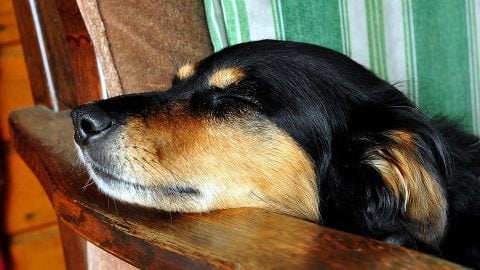
Credit: www.rover.com
Preventing Injury During Episodes
REM Sleep Behavior Disorder in dogs can cause sudden movements during sleep. These actions may lead to injuries. Taking steps to keep your dog safe is important.
This guide covers how to create safe sleeping areas and monitor your dog during episodes. These methods help reduce risks and protect your pet.
Safe Sleeping Areas
Choose a sleeping spot free from hard or sharp objects. Soft bedding can cushion any sudden movements. Keep the area quiet and calm to reduce stress.
- Use a padded dog bed with raised sides
- Remove furniture or items your dog could hit
- Place the bed away from stairs or high surfaces
- Keep the floor clear to prevent trips or falls
- Consider using baby gates to limit roaming at night
Monitoring Techniques
Watching your dog during sleep helps spot episodes early. Use gentle checks and tools to track movements safely.
| Monitoring Method | Benefits | Notes |
| Video Camera | Records episodes for review | Use night vision for dark rooms |
| Motion Sensors | Alerts when movement occurs | Set sensitivity to avoid false alarms |
| Regular Checks | Allows quick response | Approach calmly to avoid waking abruptly |
| Wearable Trackers | Monitors activity levels | Ensure device fits comfortably |
When To See A Vet
Rem Sleep Behavior Disorder in dogs can cause unusual movements during sleep. It may look strange but not always serious.
Knowing when to see a vet helps keep your dog safe and healthy. Watch for signs that need professional care.
Signs Of Distress Or Injury
If your dog hurts itself during sleep, you should see a vet. Scratches, bites, or limping may show a problem.
Frequent Or Severe Episodes
Many mild episodes may be normal. But if your dog moves violently or often, a vet visit is important.
- Sleep episodes lasting more than a few minutes
- Repeated violent movements
- Episodes that wake your dog up
- Changes in behavior during or after sleep
Changes In Daytime Behavior
Watch if your dog acts tired, confused, or anxious during the day. These changes can mean sleep problems.
Table Of Key Warning Signs
| Warning Sign | What to Do |
| Self-injury during sleep | Schedule a vet appointment immediately |
| Frequent violent movements | Monitor closely and consult a vet |
| Daytime tiredness or confusion | Note behavior and visit vet soon |
| Sudden changes in sleep patterns | Discuss with your veterinarian |

Credit: www.onequietmind.com
Living With A Dog With Rem Sleep Behavior Disorder
REM Sleep Behavior Disorder makes dogs act out their dreams. This can cause sudden movements or sounds during sleep. Understanding this disorder helps owners care for their pets safely.
Dogs with this condition need special attention during sleep times. Learning how to manage daily life and support their health is important for both the dog and owner.
Managing Daily Life
Keep your dog’s sleeping area safe and quiet. Remove sharp objects or items that can cause injury. This helps prevent harm during sudden movements in sleep.
- Use a soft bed to cushion movements
- Place the bed away from stairs or furniture edges
- Keep noise levels low during sleep times
- Monitor your dog for unusual sleep behavior
- Consult a vet if sleep actions get worse
Supporting Your Dog’s Health
Healthy habits can reduce the effects of REM Sleep Behavior Disorder. A vet may suggest treatments or changes in routine to help your dog rest better.
| Health Support | Details |
| Regular Vet Check-ups | Track sleep patterns and overall health |
| Medication | Prescribed if movements cause injury |
| Exercise | Daily walks to reduce stress and improve sleep |
| Diet | Balanced food supports brain and body health |
Frequently Asked Questions
What Is Rem Sleep Behavior Disorder In Dogs?
REM Sleep Behavior Disorder in dogs causes unusual movements during REM sleep. Dogs may twitch, bark, or act out dreams physically. It is a neurological condition affecting normal muscle paralysis during REM sleep.
How Can I Tell If My Dog Has This Disorder?
Signs include excessive twitching, vocalizing, or sudden limb movements during sleep. Dogs may appear to be acting out dreams or chasing something while asleep.
Is Rem Sleep Behavior Disorder Harmful To Dogs?
It is usually harmless but can cause injury if dogs thrash or fall off beds. Consult a vet for diagnosis and management to ensure your dog’s safety.
What Causes Rem Sleep Behavior Disorder In Dogs?
Causes include brain injury, neurological diseases, or aging. Sometimes, no clear cause is found, but it involves disruption in normal sleep muscle paralysis.
Conclusion
REM sleep behavior disorder in dogs needs careful attention and care. Watch for signs like twitching, barking, or sudden movements during sleep. Consult a vet to ensure your pet’s health and safety. Proper diagnosis helps manage symptoms and improve your dog’s comfort.
Remember, early action can prevent injuries and stress. Keep your dog’s sleep safe and peaceful. Caring for your pet means understanding their sleep habits well. Stay observant and responsive to their needs every night.

Emily Barker is the founder of ChillDogLife.com, a space dedicated to helping pup parents discover the best dog products, lifestyle tips, and cozy ideas for happier homes.
A lifelong dog lover, Emily combines her passion for pets with a knack for research to share trusted recommendations on everything from toys and furniture to health and everyday care.
Her goal is simple: to make life easier, stylish, and more joyful for dogs and the people who love them.




