Are you wondering why your puppy’s food looks different from what adult dogs eat? It’s not just about size or flavor—puppy food is specially designed to meet your furry friend’s unique needs as they grow.
Choosing the right food now can shape your dog’s health for years to come. Keep reading to discover the key differences between puppy food and adult dog food, and learn how to give your dog the best start in life.
Nutritional Needs Of Puppies
Puppies have special nutritional needs that differ from adult dogs. Their bodies grow fast and need more nutrients to stay healthy.
Choosing the right food helps puppies develop strong bones, muscles, and a good immune system.
Growth And Development Requirements
Puppies need food that supports quick growth and brain development. Their diets must include enough calories and nutrients for energy and building tissues.
- Protein to build muscles and organs
- Calcium and phosphorus for strong bones
- Fat for energy and healthy skin
- Vitamins for immune health
Higher Protein And Fat Levels
Puppy food has higher protein and fat than adult dog food. These nutrients fuel their rapid growth and daily activity.
| Nutrient | Puppy Food % | Adult Dog Food % |
|---|---|---|
| Protein | 22-32% | 18-25% |
| Fat | 8-20% | 5-15% |
Essential Vitamins And Minerals
Vitamins and minerals help puppies grow strong bones and stay healthy. They support the nervous system and help fight illness.
- Vitamin A for vision and skin health
- Vitamin D for calcium absorption
- Iron for healthy blood cells
- Zinc for immune function
Credit: www.petsmart.com
Nutritional Needs Of Adult Dogs
Adult dogs have different nutritional needs than puppies. Their diet must support their overall health and daily activities.
Understanding these needs helps in choosing the right food. Proper nutrition ensures a healthy and happy life for your dog.
Maintenance Energy Requirements
Adult dogs require enough energy to maintain their weight. Energy needs depend on size, age, and activity level.
- Active dogs need more calories
- Older dogs may need fewer calories
- Smaller breeds often have higher metabolic rates
Balanced Protein And Fat
Proteins and fats are vital for adult dogs. Proteins help in muscle maintenance, while fats provide energy.
Choosing the right balance is key. Too much or too little can affect health.
- Lean proteins support muscle health
- Healthy fats aid in energy and skin health
- Avoid excess fats to prevent obesity
Joint And Digestive Health Support
Adult dogs benefit from joint and digestive support. Ingredients like glucosamine help maintain joint health.
Fiber and probiotics are good for digestion. These elements keep your dog active and comfortable.
- Glucosamine supports joint function
- Fiber aids in healthy digestion
- Probiotics promote gut health
Protein Content Differences
Puppy food and adult dog food have different protein levels. Protein is very important for dogs at all ages.
Puppies need more protein than adult dogs. This helps them grow strong and healthy.
Role Of Protein In Puppies
Protein builds muscles and tissues in puppies. It supports their rapid growth and development.
High protein helps puppies stay active and healthy. It also strengthens their immune system.
Protein Levels In Adult Dog Food
Adult dog food has less protein than puppy food. Adult dogs do not grow as much as puppies.
Protein in adult food helps keep muscles and energy. It supports maintenance, not growth.
- Puppy food protein: 22% to 32%
- Adult dog food protein: 18% to 25%
- Protein needs lower for older dogs

Credit: www.youtube.com
Fat And Energy Variations
Puppy food and adult dog food have different needs. Fat and energy in their diets play a big role. Puppies need more energy for growth, while adult dogs need balanced energy to maintain health.
Understanding these differences helps ensure your pet gets the right nutrition. Let’s explore how fat and energy vary in puppy and adult dog food.
Fat’s Role In Puppy Growth
Fat is vital for a puppy’s growth. It provides energy and supports brain development. Puppies are active and need more calories to fuel their play and learning.
- Fat aids in absorbing vitamins like A, D, E, and K.
- It helps in building a strong immune system.
- Fat supports healthy skin and coat.
Fat Requirements For Adult Dogs
Adult dogs have different energy needs. They need a balanced diet to maintain a healthy weight and energy levels. Too much fat can lead to obesity, while too little can affect their health.
| Life Stage | Fat Requirement |
| Puppy | Higher fat for growth |
| Adult Dog | Moderate fat for maintenance |
Vitamins And Minerals In Puppy Food
Puppy food has special vitamins and minerals to support growth. These nutrients help build strong bones and healthy organs.
Adult dog food lacks some nutrients puppies need for proper development. Understanding the differences helps you choose the right food.
Calcium And Phosphorus Balance
Puppies need the right balance of calcium and phosphorus. These minerals work together to build strong bones and teeth.
| Mineral | Role in Puppy Growth | Balance Importance |
| Calcium | Bone formation and muscle function | Too much causes bone problems |
| Phosphorus | Energy production and bone strength | Too little slows growth |
Balanced calcium and phosphorus levels prevent bone deformities and support healthy growth.
Additional Nutrients For Development
Puppy food includes extra nutrients to help brain and eye development. These nutrients also boost the immune system.
- Vitamin A supports vision and skin health
- Vitamin D helps absorb calcium for bones
- Omega-3 fatty acids aid brain growth
- Zinc strengthens the immune system
These nutrients make puppy food different and better suited for young dogs.
Calorie Density Comparison
Puppy food and adult dog food have different calorie amounts. Puppies need more energy to grow big and strong.
Adult dogs need fewer calories to keep a healthy weight. The food matches their energy needs.
Higher Calories For Growing Puppies
Puppy food has more calories in each bite. This helps puppies get enough energy for their fast growth.
More calories support healthy bones, muscles, and brain development in puppies.
- Puppies burn more energy playing and growing
- Higher calorie food meets their extra needs
- Extra calories help build strong bodies
Calorie Control In Adult Food
Adult dog food has fewer calories to prevent weight gain. Adults burn less energy than puppies.
Balanced calories keep adult dogs healthy and active without extra fat.
- Controlled calories help maintain ideal weight
- Prevents obesity and related health problems
- Supports steady energy for daily activities
Texture And Size Differences
Puppy food is made differently from adult dog food. The texture and size of the food are designed for puppies’ needs.
Puppies have smaller mouths and less teeth strength. Their food must be easy to chew and swallow.
Kibble Size And Softness For Puppies
Puppy kibble is smaller than adult dog kibble. This helps puppies eat without choking or struggling.
The kibble is also softer to protect their young teeth. It breaks apart easily when they chew.
- Smaller pieces fit puppy mouths
- Soft texture prevents chewing problems
- Easy to digest and swallow
Adult Food Texture Preferences
Adult dog food has larger and harder kibble. Adult dogs have stronger jaws and more teeth.
The texture is firmer to keep their teeth clean and healthy. It also helps with chewing exercise.
- Larger kibble suits bigger mouths
- Firm texture promotes dental health
- Chewing helps keep dogs active
Feeding Frequency And Portions
Puppy food and adult dog food differ in how often and how much you feed your dog. Puppies need more meals each day to support their fast growth. Adult dogs eat fewer meals with larger portions to maintain their health.
Feeding your dog the right amount at the right times helps them stay healthy. This guide explains the differences in feeding schedules and portions for puppies and adult dogs.
Puppy Feeding Schedules
Puppies have small stomachs but high energy needs. They require several small meals per day to keep their energy steady and grow properly.
Most puppies eat three to four times daily. Portion sizes are smaller but frequent to avoid hunger and support development.
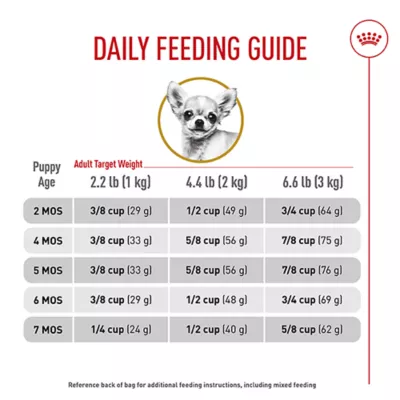
- Feed puppies 3 to 4 meals per day
- Use small portion sizes for each meal
- Adjust portions as the puppy grows
- Consult your vet for specific feeding amounts
Adult Dog Feeding Guidelines
Adult dogs need fewer meals than puppies. Most adult dogs eat two meals a day. The portions are larger to meet their energy needs without overfeeding.
Portion size depends on the dog’s weight, activity level, and breed. Feeding the right amount helps maintain a healthy weight and avoid digestive issues.
- Feed adult dogs 2 meals per day
- Give larger portions than for puppies
- Adjust food based on activity and weight
- Regularly check your dog’s body condition
Transitioning From Puppy To Adult Food
Puppies need special food to help them grow strong. Adult dogs have different nutritional needs. Changing food at the right time keeps your dog healthy.
This guide helps you know when and how to switch your dog from puppy food to adult food. It supports a smooth change without upsetting your dog’s stomach.
Signs For Switching
Puppies grow fast, and their food needs change. Watch for signs that your puppy is ready for adult food. These signs help you know the right time to switch.
- Your puppy is about 12 months old (small breeds) or 18-24 months (large breeds).
- The puppy’s growth has slowed or stopped.
- Your dog shows less energy and growth spurts.
- Weight stabilizes and no longer increases rapidly.
- The vet recommends switching based on your dog’s health.
How To Transition Smoothly
Switching food too fast can cause upset stomach or refusal to eat. Change your dog’s food slowly over several days or weeks for best results.
- Start by mixing 25% adult food with 75% puppy food.
- Gradually increase adult food to 50%, then 75% over 7-10 days.
- Watch your dog for any stomach issues or changes in appetite.
- Keep fresh water available at all times.
- Consult your vet if your dog has trouble adjusting.
Health Risks Of Improper Feeding
Puppies and adult dogs need different nutrients for their health. Feeding the wrong food can cause serious problems. It can affect growth, energy, and overall health.
Understanding these risks helps keep dogs healthy. It is important to feed the right food for their age and size.
Consequences Of Feeding Adult Food To Puppies
Adult dog food lacks the extra nutrients puppies need. Puppies grow fast and need more protein and calories. Feeding adult food can slow their growth.
Puppies may suffer from weak bones and poor muscle development. They might also get sick more often because their immune system is not strong enough.
- Slow or stunted growth
- Weak bones and joints
- Low energy and poor muscle development
- Higher risk of illness
- Digestive problems and poor nutrient absorption
Risks Of Feeding Puppy Food To Adults
Puppy food has more fat and calories than adult dogs need. Feeding it to adults can cause weight gain. Extra weight can lead to joint pain and heart problems.
Adult dogs may also get digestive upset or diarrhea. Over time, too many calories affect their overall health and shorten their lifespan.
- Excessive weight gain
- Joint stress and pain
- Heart and organ strain
- Digestive upset and diarrhea
- Increased risk of chronic diseases

Credit: m.youtube.com
Frequently Asked Questions
What Nutrients Make Puppy Food Different From Adult Dog Food?
Puppy food contains higher protein, fat, and calorie levels to support rapid growth. It also has more DHA for brain development, and essential vitamins and minerals tailored for puppies’ needs.
Why Can’t Puppies Eat Adult Dog Food?
Adult dog food lacks sufficient nutrients and calories puppies need for growth. Feeding adult food to puppies may cause nutrient deficiencies and slow development.
When Should I Switch From Puppy To Adult Dog Food?
Switch to adult dog food when your dog reaches 12 months for small breeds, or 18-24 months for large breeds. This ensures proper nutrition for maintenance instead of growth.
How Does Puppy Food Support Brain Development?
Puppy food includes DHA, an omega-3 fatty acid that aids brain and vision development. This nutrient is critical during early growth stages for optimal cognitive function.
Conclusion
Puppy food has more nutrients to support growth and energy. Adult dog food focuses on maintaining health and weight. Feeding the right food helps dogs stay strong and happy. Puppies need extra protein and calories for their development. Adult dogs require balanced nutrition to avoid weight gain.
Choosing the correct food ensures your dog’s well-being. Remember, their needs change as they grow older. Always check labels and consult your vet for best choices. Good food makes a big difference in your dog’s life.

Emily Barker is the founder of ChillDogLife.com, a space dedicated to helping pup parents discover the best dog products, lifestyle tips, and cozy ideas for happier homes.
A lifelong dog lover, Emily combines her passion for pets with a knack for research to share trusted recommendations on everything from toys and furniture to health and everyday care.
Her goal is simple: to make life easier, stylish, and more joyful for dogs and the people who love them.




