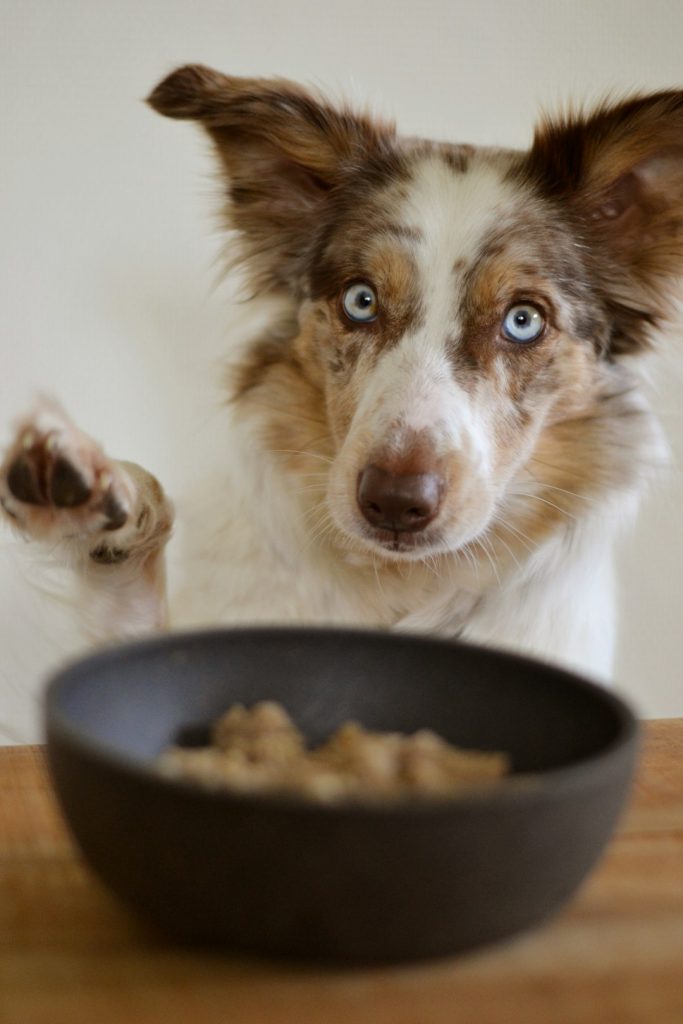
Are you wondering when your adorable puppy is ready to switch from puppy food to adult dog food? This change is more important than you might think.
Feeding your puppy the right food at the right time affects their growth, health, and energy levels. If you get the timing wrong, it could cause digestive problems or slow down their development. You’ll discover the signs to watch for and the best time to make this important transition.
Keep reading to give your furry friend the nutrition they truly need!
Puppy Diet Stages
Puppies need different foods as they grow. Their diet changes from milk to solid food. Understanding these stages helps keep puppies healthy.
This guide explains when puppies start eating adult dog food. It covers the early diet changes and how to feed them properly.
From Nursing To Solid Food
Puppies begin life nursing from their mother. They get all nutrients from her milk for the first few weeks.
At about 3 to 4 weeks old, puppies start trying solid food. Their teeth begin to grow, making chewing easier.
- Birth to 3 weeks: Only mother’s milk
- 3 to 4 weeks: Introduce soft solid food
- 4 to 6 weeks: Gradually increase solid food
Transition To Puppy Food
Between 6 to 12 weeks, puppies eat mostly puppy food. This food has nutrients needed for growth and development.
Puppies start eating adult dog food around 9 to 12 months. Large breeds may switch later because they grow slower.
- 6 to 12 weeks: Feed high-quality puppy food
- 3 to 6 months: Increase solid food amount
- 9 to 12 months: Begin adult dog food transition
Signs Of Readiness
Puppies grow fast and their diet changes as they get older. Knowing when to switch to adult dog food is important for their health.
Watch your puppy closely for signs that show it is ready for adult food. These signs come from behavior and body growth.
Behavioral Changes
Puppies start to eat solid food as they lose interest in nursing. They may try to eat what adults eat around them.
Look for your puppy showing more chewing and less nursing. They might also show curiosity about your food or their adult dog’s food.
- Less interest in mother’s milk
- More chewing and biting on toys or food
- Trying to eat adult dog food or human food
- Increased independence during meal times
Physical Development Indicators
Puppies’ teeth and digestive systems develop as they grow. These changes help them handle adult dog food safely.
Check for firm, fully grown teeth and steady weight gain. These signs mean their body can digest harder food.
- Teeth are fully developed and strong
- Weight gain is steady and healthy
- Digestive system matures to handle solid food
- Ability to chew and swallow harder kibble
Ideal Age To Switch
Puppies grow quickly and need special food at first. At some point, they start eating adult dog food. Knowing the right time to switch helps keep them healthy.
Switching too early or too late can cause health problems. This guide will explain when to change their diet safely.
Common Age Ranges
Most puppies start eating adult dog food between 9 and 12 months old. This range fits many breeds and sizes. Some may switch a bit earlier or later.
Check your puppy’s growth and energy. If they seem full grown, it may be time to switch their food.
- Small breeds: often switch at 9-12 months
- Medium breeds: usually switch around 12 months
- Large breeds: may need adult food after 12 months
Breed And Size Considerations
Breed and size affect when puppies should eat adult food. Small dogs mature faster than large dogs. Large breeds take longer to grow.
Adult dog food for large breeds has different nutrients. It helps protect their bones and joints during growth.
- Small breeds: switch earlier, around 9 months
- Medium breeds: switch near 12 months
- Large breeds: wait until 12-18 months
- Consult your vet for breed-specific advice
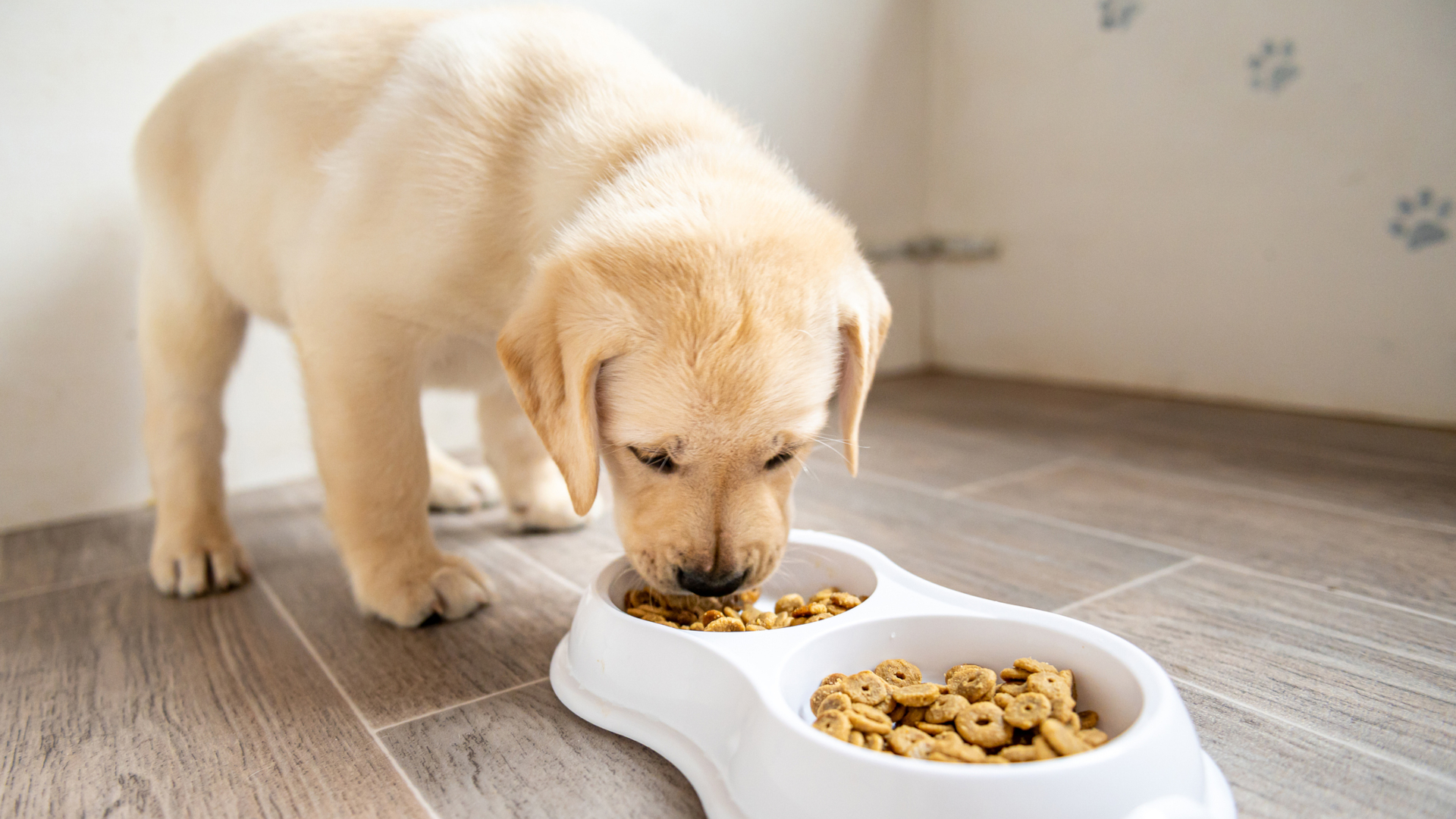
Credit: www.petsradar.com
Switching Process
Switching puppies to adult dog food is an important step in their growth. It requires a careful approach to ensure their health and well-being.
This process involves understanding the right time and methods to make the change. It’s essential to consider their age, breed, and size.
Gradual Transition Tips
Transitioning your puppy to adult dog food gradually helps avoid digestive problems. This approach is gentle on their stomachs.
- Start by mixing a small amount of adult food with their puppy food.
- Increase the adult food portion over 7 to 10 days.
- Observe your puppy for any signs of digestive upset.
- Ensure fresh water is always available.
Avoiding Digestive Issues
Puppies can experience digestive issues during food transitions. Monitoring their response to new food is crucial.
| Signs to Watch | Action |
| Vomiting | Reduce new food, consult vet |
| Diarrhea | Slow transition, adjust portions |
| Loss of Appetite | Revert to old food temporarily |
Choosing Adult Dog Food
Switching puppies to adult dog food is an important step. It helps meet their changing needs as they grow.
Choosing the right adult food ensures your dog stays healthy and strong. Learn what to look for in adult dog food.
Nutritional Needs For Adults
Adult dogs need different nutrients than puppies. Their food should support energy, muscle, and overall health.
Look for dog food with balanced protein, fats, and vitamins. Avoid too many calories to prevent weight gain.
- Protein helps keep muscles strong
- Fats provide energy and support skin health
- Vitamins and minerals aid body functions
- Fiber supports digestion
Reading Dog Food Labels
Dog food labels show important details about ingredients and nutrition. Learn to read them carefully.
Check the first few ingredients. They should be quality sources of protein and nutrients your dog needs.
- Look for named meats like chicken, beef, or fish
- Avoid foods with too many fillers like corn or wheat
- Check the guaranteed analysis for protein and fat levels
- See if the food meets AAFCO standards for adult dogs
Potential Risks
Switching puppies to adult dog food at the right time is very important. Doing it too soon or too late can cause health problems.
This section explains the risks of changing their diet too early or delaying the change.
Switching Too Early
Changing a puppy to adult dog food too soon may harm their growth. Puppy food has more nutrients needed for their development.
- They may not get enough vitamins and minerals.
- Growth can slow down or stop.
- Digestive problems like upset stomach or diarrhea can happen.
- Immune system may weaken because of poor nutrition.
Delaying The Transition
Waiting too long to switch to adult food also has risks. Adult dogs need less fat and calories than puppies.
| Risk | Effect on Dog |
|---|---|
| Excess Calories | Can cause obesity and joint stress |
| Too Much Fat | May lead to digestive upset and weight gain |
| Imbalanced Nutrition | Not ideal for adult dog health needs |
Veterinarian Advice
Puppies need proper nutrition to grow healthy. It’s important to know when they can start eating adult dog food.
Veterinarians can guide you on the right time to switch your puppy to adult dog food. This ensures they get the nutrients they need.
When To Consult A Vet
Consult a vet when your puppy is about 12 months old. Vets can help you decide when to change their diet.
Different breeds mature at different rates. A vet can advise based on your puppy’s size and breed.
- Small breeds might switch at 9-12 months
- Large breeds may need to wait until 18-24 months
- Check your puppy’s growth and health regularly
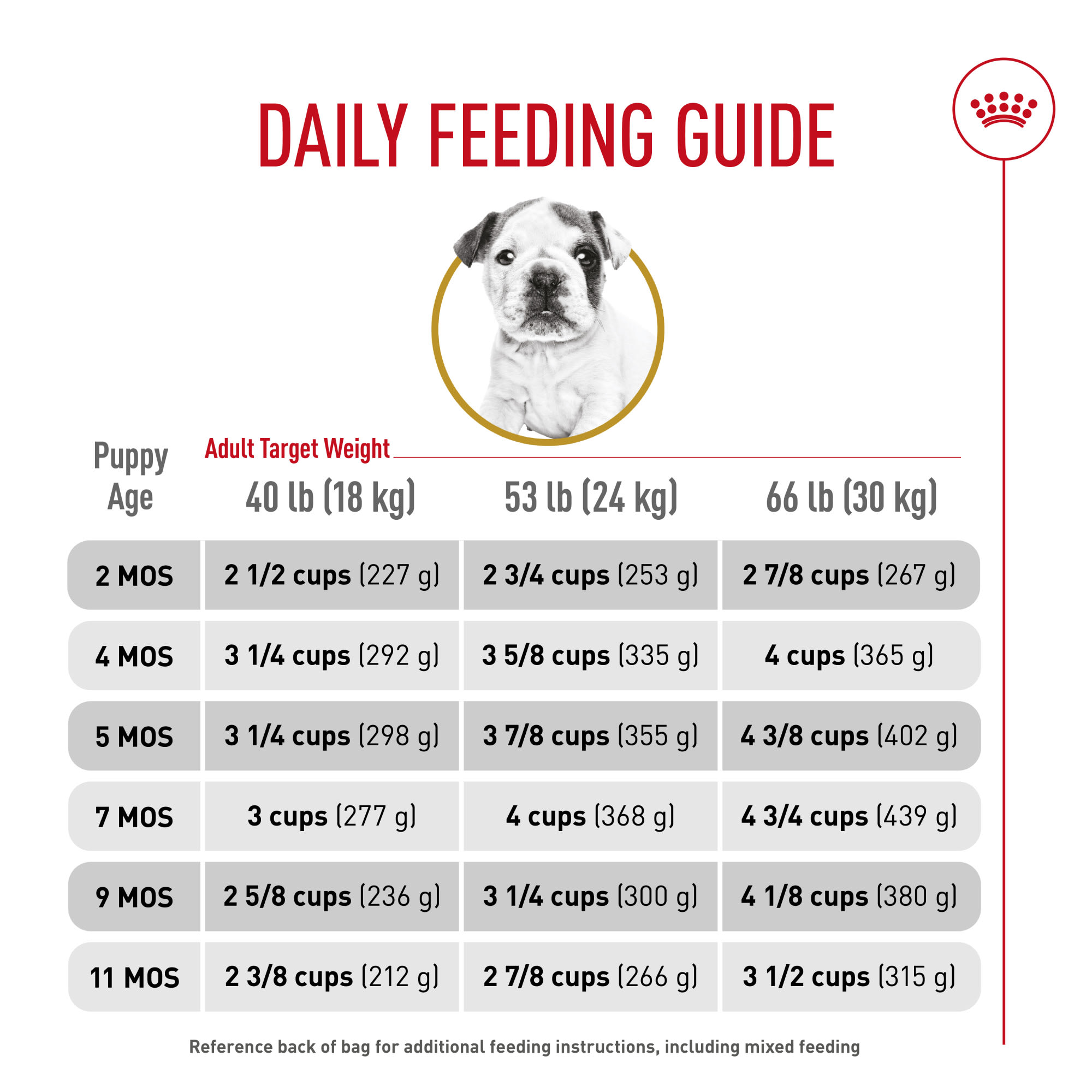
Personalized Feeding Plans
Vets can create personalized feeding plans for your puppy. These plans ensure they get balanced nutrition.
Feeding plans consider your puppy’s age, size, and activity level. This helps in providing the right amount of food.
| Age | Recommended Food Type |
| Under 6 months | Puppy food |
| 6-12 months | Transition to adult food |
| Over 12 months | Adult dog food |
Credit: dogsauce.co
Credit: www.petco.com
Frequently Asked Questions
When Should Puppies Start Eating Adult Dog Food?
Puppies typically start eating adult dog food around 12 months old. Large breeds may switch later, around 18 months. This timing supports proper growth and nutrition.
Why Transition Puppies To Adult Dog Food Gradually?
Gradual transition prevents digestive upset and helps puppies adjust to new nutrients. Mix increasing amounts of adult food over 7-10 days for smooth change.
Can Puppies Eat Adult Dog Food Before 1 Year?
It’s not recommended as adult food lacks essential nutrients for growing puppies. Feeding adult food too early may cause deficiencies and growth issues.
How To Know If A Puppy Is Ready For Adult Food?
Look for signs like slowed growth and increased energy. Consult your vet for breed-specific guidance on the right time to switch.
Conclusion
Puppies start eating adult dog food around six months old. Their bodies need more nutrients as they grow. Switching too early or late can cause problems. Watch your puppy’s weight and energy levels closely. Choose a high-quality adult dog food for best results.
Gradually mix adult food with puppy food over several days. This helps your puppy adjust easily and avoid stomach upset. Feeding the right food supports healthy growth and strong bones. Keep your vet informed about your puppy’s diet changes. Healthy eating leads to a happy, active dog for years.

Emily Barker is the founder of ChillDogLife.com, a space dedicated to helping pup parents discover the best dog products, lifestyle tips, and cozy ideas for happier homes.
A lifelong dog lover, Emily combines her passion for pets with a knack for research to share trusted recommendations on everything from toys and furniture to health and everyday care.
Her goal is simple: to make life easier, stylish, and more joyful for dogs and the people who love them.




