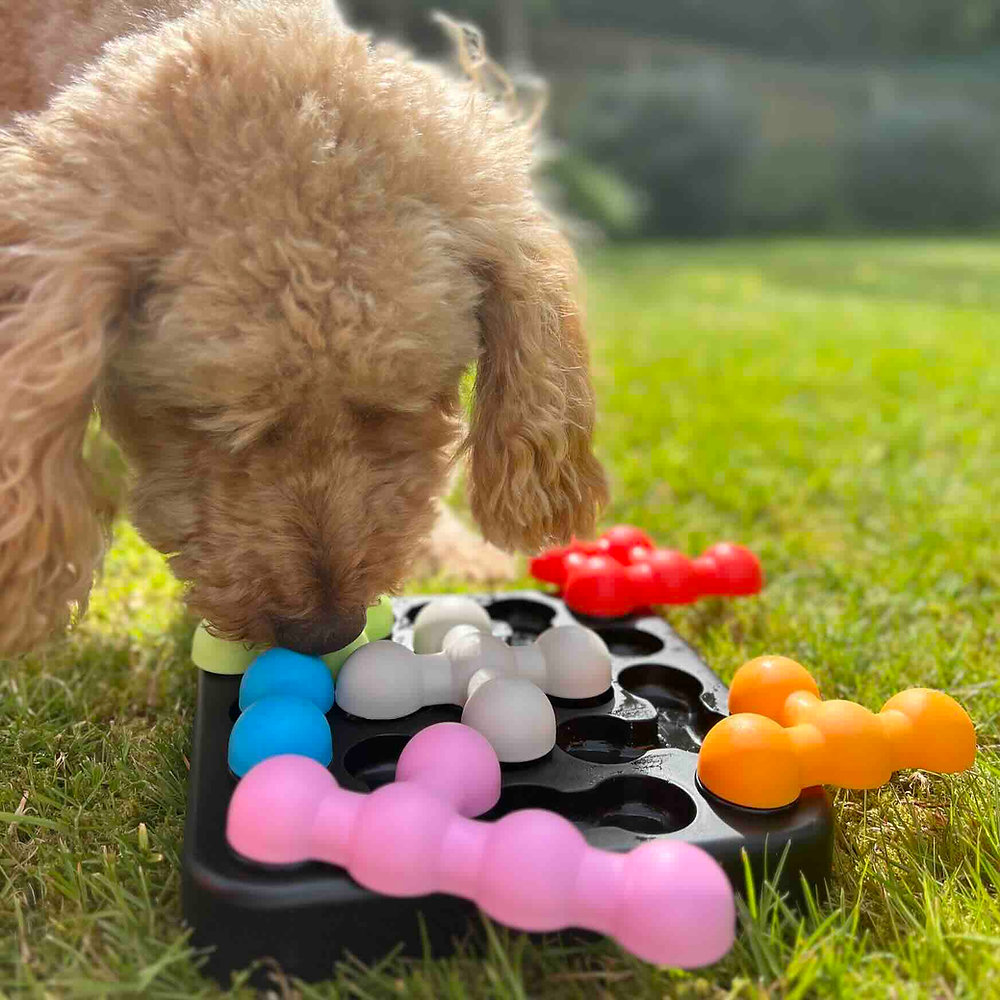
Are you looking for a way to keep your dog happy and mentally sharp? Dog puzzle toys might be exactly what you need.
These toys are designed to challenge your dog’s brain and keep them busy for hours. But are dog puzzle toys really good for your furry friend? If you want to discover how these toys can boost your dog’s intelligence, reduce boredom, and improve their overall well-being, keep reading.
You’ll find out everything you need to know to choose the best puzzle toy for your dog’s unique needs.
Benefits Of Puzzle Toys
Puzzle toys are great for dogs. They make dogs use their brains while playing. These toys keep dogs active and happy.
Many dog owners want to know if puzzle toys help their pets. These toys have several benefits that improve a dog’s life.
Enhancing Mental Stimulation
Puzzle toys challenge dogs to think. Dogs solve problems to get treats or rewards inside the toy. This activity keeps their minds sharp.
Mental stimulation helps prevent boredom. It also helps dogs stay alert and focused. Without mental work, dogs can feel restless.
Reducing Boredom And Anxiety
Puzzle toys keep dogs busy for longer times. This reduces boredom, which can cause bad behavior. Dogs feel less anxious when they have something to do.
Using puzzle toys can help calm dogs during stressful times. They focus on the toy instead of worrying or barking. This helps them feel more relaxed.
Promoting Problem-solving Skills
Puzzle toys teach dogs how to solve problems. Dogs learn to find ways to get treats or open compartments. This improves their thinking and learning skills.
- Encourages creativity
- Builds patience
- Improves focus
- Boosts confidence
Types Of Dog Puzzle Toys
Dog puzzle toys help keep dogs busy and active. They challenge a dog’s mind and reduce boredom.
There are many kinds of puzzle toys. Each type offers different ways to play and learn.
Treat-dispensing Toys
Treat-dispensing toys release small treats when dogs solve a puzzle. Dogs use their nose or paws to get rewards.
These toys motivate dogs to keep trying. They help slow down fast eaters and encourage problem-solving.
- Push or roll to release treats
- Lift flaps or slide pieces
- Hide treats inside compartments
Interactive Puzzle Games
Interactive puzzle games require dogs to move pieces or buttons in a certain order. Dogs must figure out how to open compartments.
These games improve dogs’ memory and focus. They also provide mental exercise and can be more challenging.
- Sliding panels to reveal treats
- Rotating parts to unlock sections
- Pressing buttons in sequence
Hide-and-seek Toys
Hide-and-seek toys let owners hide treats or toys inside. Dogs use their nose and paws to find the hidden rewards.
This type encourages natural hunting skills. It also strengthens the bond between dogs and their owners.
- Soft toys with hidden pockets
- Boxes or cubes with lids
- Stuffed animals with compartments
Choosing The Right Puzzle Toy
Dog puzzle toys help keep dogs active and mentally sharp. Picking the right toy makes playtime fun and safe.
Each dog has different needs. Choosing a toy that fits your dog’s size, skill, and chewing style is important.
Considering Dog’s Size And Breed
Small dogs need smaller puzzle toys they can easily handle. Large dogs need bigger, sturdy toys.
Breed affects how your dog plays. Some breeds are gentle chewers. Others are strong and can break weak toys.
- Small breeds: Choose lightweight, small-sized toys.
- Medium breeds: Pick toys with moderate size and strength.
- Large breeds: Use tough, large toys that resist chewing.
- Active breeds: Select interactive toys to challenge their minds.
Assessing Difficulty Levels
Puzzle toys come in easy, medium, and hard difficulty. Choose one that matches your dog’s skill level.
Start with simpler puzzles. Increase difficulty as your dog learns to solve them faster.
- Easy toys: Good for beginners and young dogs.
- Medium toys: Great for dogs with some puzzle experience.
- Hard toys: Best for smart dogs who need a challenge.
Material Safety And Durability
Choose puzzle toys made from safe, non-toxic materials. Avoid toys with small parts that can break off.
Durable toys last longer. They stand up to chewing and rough play without falling apart.
- Look for BPA-free plastic or natural wood.
- Check for smooth edges to protect your dog’s mouth.
- Avoid toys with toxic paint or chemicals.
- Inspect toys regularly for damage.

Credit: www.holistapet.com
How To Introduce Puzzle Toys
Puzzle toys are a fun way to keep dogs busy and sharp. They help dogs use their brains and stay active.
Introducing puzzle toys needs patience and care. Dogs learn best when challenges match their skill level.
Starting With Simple Challenges
Begin with easy puzzle toys that your dog can solve quickly. This helps build confidence and interest.
Use toys with few compartments or large openings. Let your dog see the treats clearly at first.
- Choose puzzles with simple shapes
- Show your dog how to get the treat
- Give praise when your dog solves it
Encouraging Engagement
Make puzzle playtime fun and rewarding. Stay close to help your dog if needed.
Use a happy tone and gentle encouragement. This keeps your dog interested in trying again.
- Use treats your dog loves
- Give small rewards during play
- Offer gentle praise and pets
Gradually Increasing Complexity
Slowly raise the difficulty of the puzzles as your dog learns. This keeps them challenged but not frustrated.
Try toys with more compartments or smaller openings. Change the puzzle types to keep playtime fresh.
- Add more steps to get the treat
- Mix puzzle styles for variety
- Watch your dog’s reaction and adjust
Common Challenges And Solutions
Dog puzzle toys are fun and stimulating for pets. But, they come with challenges. Understanding these helps keep playtime safe and enjoyable.
Dogs may face frustration, toy destruction, and loss of interest. Here’s how to tackle these issues effectively.
Dealing With Frustration
Dogs can get frustrated if a puzzle is too hard. This can lead to stress or loss of interest. It’s important to choose the right level of difficulty.
Start with simple puzzles and gradually increase complexity. Encourage your dog with praise and treats when they solve a puzzle.
- Begin with easy puzzles
- Gradually increase difficulty
- Offer treats as rewards
Preventing Toy Destruction
Dogs may chew or break puzzle toys. This can be dangerous if small pieces are swallowed. Choose durable toys made from strong materials.
Supervise your dog during playtime. Replace damaged toys to prevent accidents. Teach your dog to play gently with toys.
| Choose toys made of: | Rubber, hard plastic |
| Supervise playtime | Prevent accidents |
| Replace damaged toys | Ensure safety |
Keeping Interest Over Time
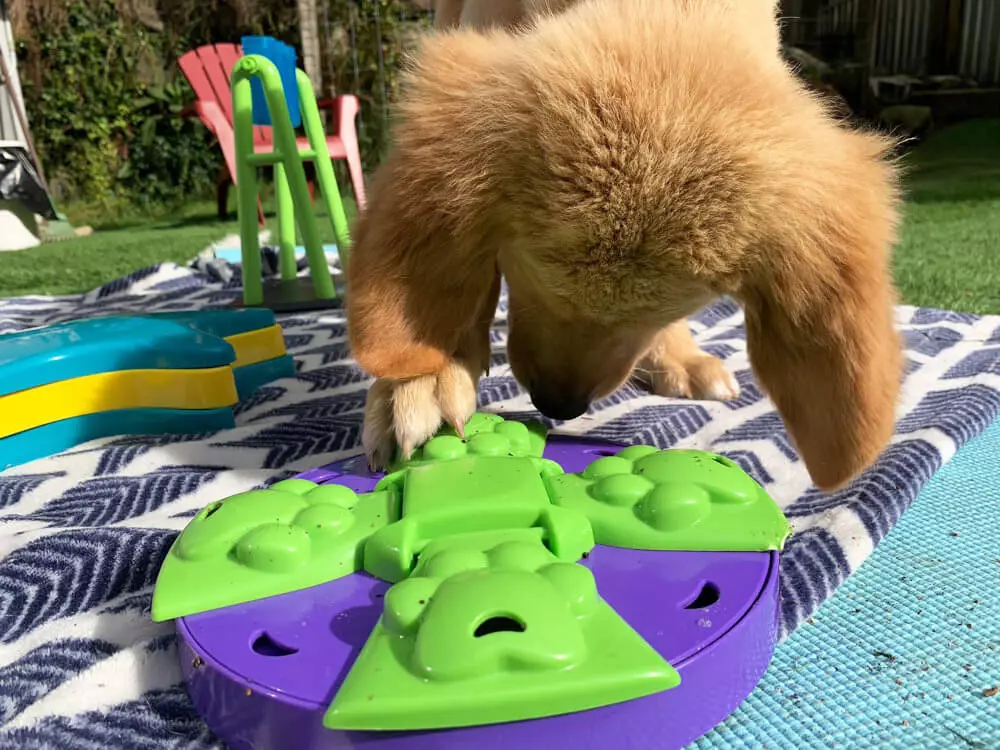
Dogs might lose interest in puzzle toys over time. It’s important to keep playtime engaging. Rotate toys to maintain novelty and interest.
Introduce new puzzles regularly. Play with your dog to make the experience interactive. This keeps your dog eager and engaged.
- Rotate toys weekly
- Introduce new puzzles
- Engage in play together
Credit: www.bowendogranch.com
Additional Activities To Boost Brainpower
Dog puzzle toys help keep dogs mentally active. Adding other activities can boost their brainpower even more.
These activities support learning, problem-solving, and healthy mental growth in dogs.
Training Sessions
Training sessions teach dogs new skills and commands. These sessions challenge their minds and improve focus.
Short, regular training helps dogs think and understand better. It also strengthens the bond between dogs and owners.
- Use treats as rewards
- Practice simple commands like sit and stay
- Gradually increase difficulty
- Keep sessions fun and positive
Outdoor Exploration
Exploring new places lets dogs use their senses. Smelling, seeing, and hearing new things stimulates their brains.
Nature walks or visits to parks offer fresh challenges. Dogs learn to navigate different environments and situations.
- Change walking routes often
- Let dogs sniff and explore safely
- Introduce gentle obstacles like logs or small hills
Social Interaction
Meeting other dogs and people helps dogs learn social skills. Socializing reduces stress and encourages mental growth.
Supervised playtime with other dogs teaches sharing and patience. It also makes dogs more confident and calm.
- Arrange playdates with friendly dogs
- Visit dog-friendly places
- Attend group training or obedience classes

Credit: www.amazon.com
Frequently Asked Questions
What Benefits Do Dog Puzzle Toys Provide?
Dog puzzle toys improve mental stimulation and problem-solving skills. They reduce boredom and destructive behavior by keeping dogs engaged. These toys also encourage slower eating, aiding digestion and weight control.
Are Dog Puzzle Toys Safe For All Breeds?
Yes, dog puzzle toys are generally safe for all breeds. Choose the right size and difficulty level based on your dog’s age and chewing habits. Always supervise playtime to ensure safety and prevent choking hazards.
How Often Should Dogs Play With Puzzle Toys?
Dogs should engage with puzzle toys daily or several times a week. Regular use maintains mental sharpness and reduces anxiety. Adjust frequency based on your dog’s interest and activity level.
Can Puzzle Toys Help With Dog Anxiety?
Yes, puzzle toys help reduce dog anxiety by providing distraction and mental engagement. They offer a positive outlet for nervous energy and stress, promoting calm behavior during alone time or stressful events.
Conclusion
Dog puzzle toys keep dogs busy and happy. They help dogs think and solve problems. These toys reduce boredom and stop bad behavior. Playing with puzzles can improve your dog’s mood. Dogs enjoy the challenge and rewards. Puzzle toys also give mental exercise, which is important.
They fit all dog sizes and ages. Choose safe, sturdy toys for your dog. Puzzle toys make playtime fun and useful. Try one to see how your dog reacts. A simple step to keep dogs active and smart.

Emily Barker is the founder of ChillDogLife.com, a space dedicated to helping pup parents discover the best dog products, lifestyle tips, and cozy ideas for happier homes.
A lifelong dog lover, Emily combines her passion for pets with a knack for research to share trusted recommendations on everything from toys and furniture to health and everyday care.
Her goal is simple: to make life easier, stylish, and more joyful for dogs and the people who love them.




