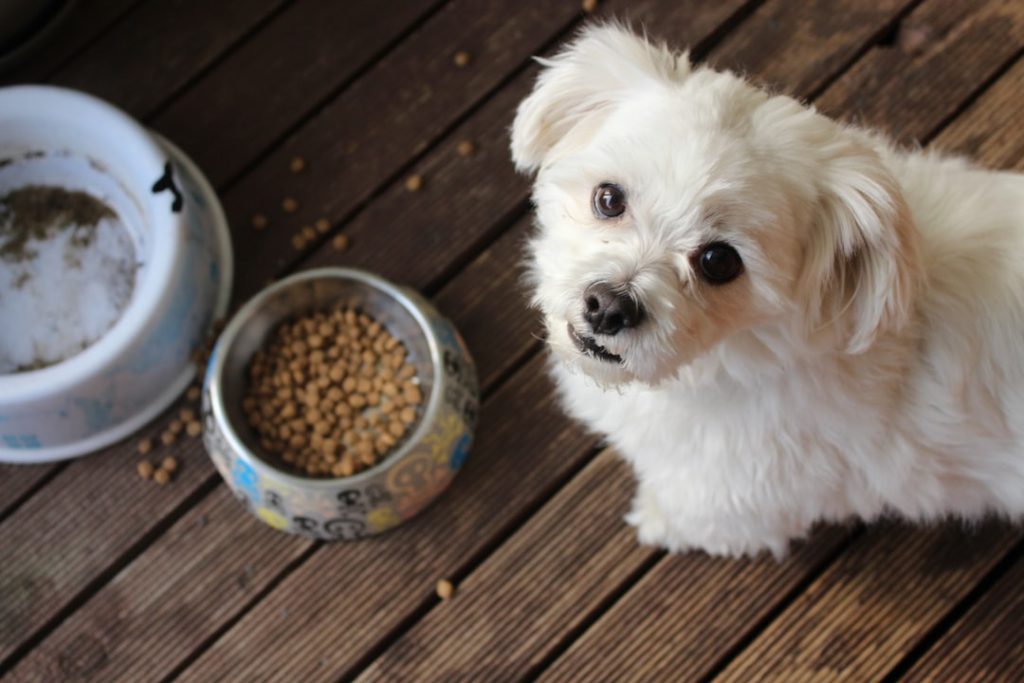
Are you feeding your adult dog puppy food and wondering if it’s safe? It might seem harmless, but could it actually make your dog sick?
What you put in your dog’s bowl affects their health every day. Understanding the risks and benefits of puppy food for adult dogs can save you from costly vet visits and keep your furry friend happy and healthy. Keep reading to discover the surprising facts that every dog owner needs to know.
Puppy Food Vs Adult Dog Needs
Puppies and adult dogs have different nutritional needs. Feeding puppy food to an adult dog might cause health problems.
Adult dogs require balanced nutrients for maintenance, not growth. Puppy food is made to support fast growth and development.
Nutritional Differences
Puppy food has higher protein and fat levels to support growth. Adult dog food has lower protein to maintain health.
Too much protein and fat in adult dogs can lead to weight gain and digestive issues. Puppy food is not balanced for adult metabolism.
- Puppy food: High protein and fat
- Adult food: Moderate protein and fat
- Puppy food supports growth and energy
- Adult food supports maintenance and health
Calorie Content
Puppy food contains more calories to fuel rapid growth. Adult dogs need fewer calories to avoid obesity.
Feeding puppy food to adult dogs can cause excess calorie intake. This may result in weight gain and joint problems.
- Puppy food: High calorie content
- Adult food: Controlled calorie levels
- Adult dogs burn fewer calories than puppies
- Excess calories can harm adult dogs
Vitamin And Mineral Levels
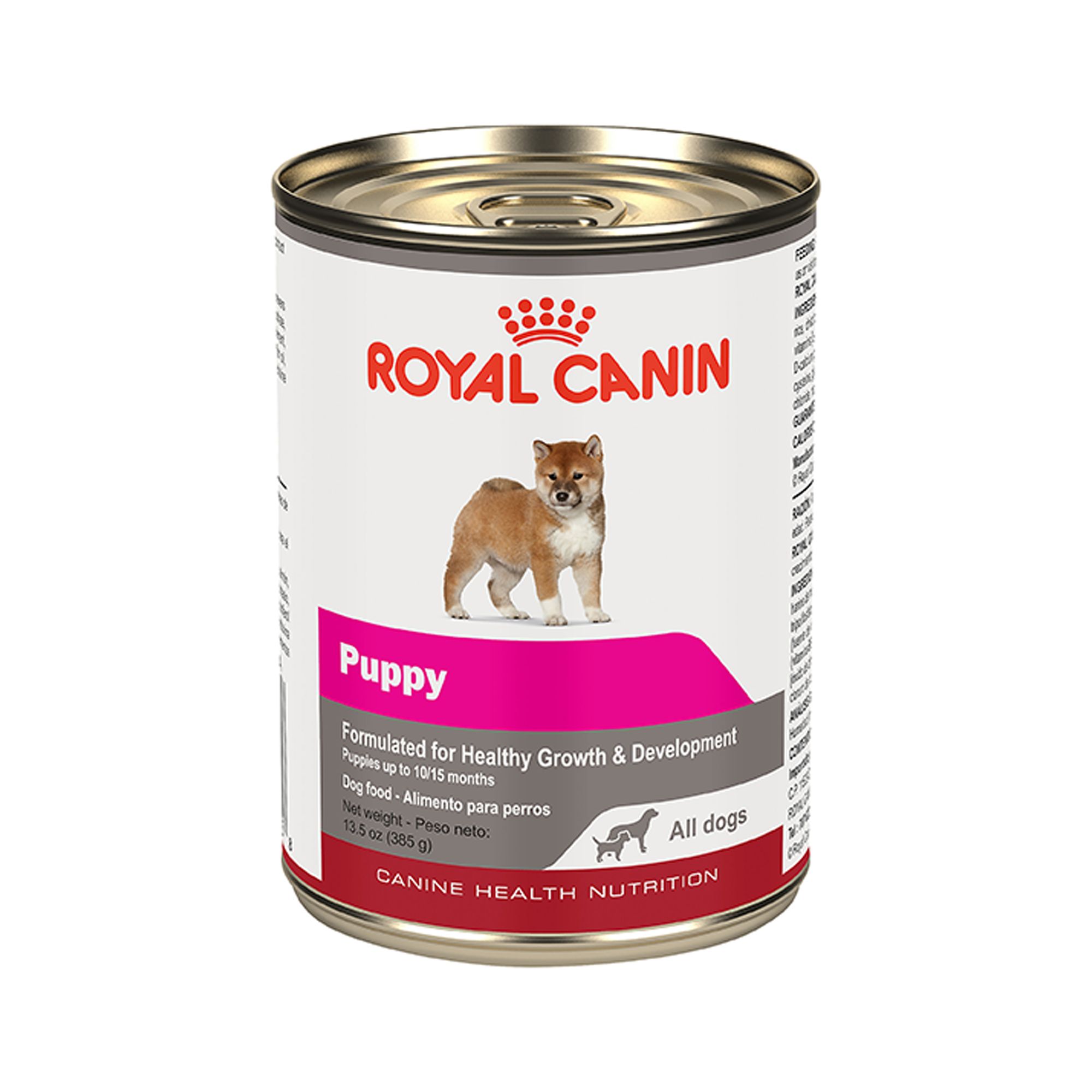
Puppy food has more vitamins and minerals to support bone and brain growth. Adult dog food has balanced levels for daily needs.
Too many vitamins and minerals can stress adult dog organs. Feeding puppy food long-term may cause imbalances and health risks.
| Type | Puppy Food | Adult Food |
|---|---|---|
| Calcium | Higher for bone growth | Lower for maintenance |
| Phosphorus | Higher for development | Balanced for health |
| Vitamins A & D | Increased for growth | Moderate for upkeep |
Credit: www.petsmart.com
Risks Of Feeding Puppy Food To Adults
Puppy food has nutrients made for growing dogs. Adult dogs need different nutrition to stay healthy.
Giving adult dogs puppy food can cause health problems over time. It is important to know the risks.
Digestive Issues
Puppy food is rich and high in calories. Adult dogs may find it hard to digest this type of food.
Too many nutrients can upset the stomach. This can lead to vomiting, diarrhea, or gas.
Weight Gain And Obesity
Puppy food has more fat and calories than adult dog food. Feeding it to adults can cause weight gain.
Extra weight puts stress on joints and organs. Obesity can lead to serious health issues like diabetes.
- High calorie content in puppy food
- Less exercise in adult dogs
- Increased risk of obesity and related diseases
Potential Allergies
Puppy foods sometimes use ingredients that adult dogs may not tolerate well. This can cause allergies.
Signs of allergies include itching, redness, and ear infections. Feeding the right food helps avoid these problems.
When Puppy Food Might Be Safe
Puppy food has more calories and nutrients than adult dog food. Feeding it to adult dogs can sometimes cause issues. Still, there are cases when puppy food might be safe for adult dogs.
Understanding when puppy food is okay helps keep your dog healthy. Let’s look at some important times and advice from vets.
Transition Periods
Adult dogs may eat puppy food safely during certain transitions. For example, when switching dog foods, a short period of puppy food can help.
Also, if an adult dog is very active or recovering from illness, puppy food’s extra nutrients can support them for a short time.
- Use puppy food only for a few days during food changes
- Feed puppy food if a dog needs extra energy temporarily
- Avoid long-term feeding of puppy food to adult dogs
Veterinary Recommendations
Vets may suggest puppy food for adult dogs with special needs. Some dogs require more calories or vitamins than regular adult food provides.
Always follow a vet’s advice before feeding puppy food to an adult dog. They can check if it fits your dog’s health and diet.
- Consult your vet before changing your dog’s food
- Use puppy food only if the vet approves
- Watch for any health changes and report them to the vet
Signs Adult Dogs Show When Unwell
Adult dogs can get sick from eating the wrong food. Puppy food has different nutrients that may upset adult dogs.
It is important to watch for signs that your dog is not feeling well. Early detection helps keep them healthy.
Behavioral Changes
Adult dogs may act differently if they feel sick from puppy food. You might notice changes in their mood or habits.
- Less interest in playing or walking
- Hiding or avoiding people
- Increased irritability or whining
- Changes in sleeping patterns
- Refusing food or water
Physical Symptoms
Physical signs can show that the adult dog’s body is reacting poorly. These symptoms need attention.
| Symptom | Possible Cause |
| Vomiting | Food intolerance or upset stomach |
| Diarrhea | Digestive upset from wrong nutrients |
| Itchy skin | Allergic reaction |
| Excessive thirst | Dehydration or kidney stress |
| Lethargy | Low energy due to poor nutrition |
Long-term Health Effects
Feeding puppy food to adult dogs for a long time can cause serious health problems. The wrong diet may harm their body.
- Weight gain or obesity
- Joint pain due to excess calcium
- Digestive problems like chronic diarrhea
- Organ damage from imbalanced nutrients
- Weakened immune system
Choosing The Right Food For Adult Dogs
Feeding adult dogs with the right food keeps them healthy and active. Puppy food is designed for growing dogs and may not fit adult dogs’ needs. Choosing proper food helps avoid health issues.
Understanding what to look for in dog food is important. This guide covers key ingredients, how to read labels, and special dietary needs for adult dogs.
Key Ingredients To Look For
Adult dogs need balanced nutrients for energy and wellness. Look for proteins, fats, and vitamins in the right amounts.
- High-quality protein from meat or fish
- Healthy fats like omega-3 and omega-6
- Carbohydrates from whole grains or vegetables
- Essential vitamins such as A, D, and E
- Minerals like calcium and phosphorus
Reading Dog Food Labels
Labels can help you pick the right food. Check the ingredient list and guaranteed analysis for nutrient details.
| Label Term | What It Means |
| Ingredients | Listed by weight, first items are most in food |
| Crude Protein | Amount of protein in the food |
| Crude Fat | Fat content that provides energy |
| Crude Fiber | Fiber amount for digestion support |
| Moisture | Water content in the food |
| AAFCO Statement | Confirms food meets nutritional standards |
Special Dietary Needs
Some adult dogs need special diets for health reasons. Talk to a vet to find the best food for your dog.
- Low-fat diets for overweight dogs
- Grain-free diets for sensitive stomachs
- Hypoallergenic food for allergies
- Prescription diets for medical conditions
Credit: greenpantry.co.uk
Tips For Switching Dog Food Safely
Switching dog food can be challenging. It is important to do it safely to avoid upsetting your dog’s stomach.
Some adult dogs might get sick from puppy food. Making a gradual switch can help prevent health issues.
Gradual Transition Methods
Change your dog’s food slowly. Mix the new food with the old food to help them adjust.
Increase the amount of new food over a week. This gives your dog time to get used to it.
- Start with 25% new food and 75% old food.
- After two days, use 50% new food and 50% old food.
- Then, 75% new food and 25% old food.
- Finally, switch to 100% new food.
Monitoring Your Dog’s Health
Watch your dog for signs of discomfort. Changes in their stool or energy levels can be important.
If your dog has diarrhea or vomiting, slow down the transition. It is important to keep them hydrated.
- Check their appetite regularly.
- Look for any signs of itching or skin issues.
- Note any changes in behavior.
Consulting A Veterinarian
Speak to your vet before changing your dog’s diet. They can give advice based on your dog’s health needs.
A vet can suggest the best food options. They can also help if your dog has allergies or special dietary needs.
- Ask about the right portion sizes.
- Discuss any health concerns you notice.
- Get recommendations for high-quality food brands.
Credit: www.houndsy.com
Frequently Asked Questions
Can Puppy Food Cause Digestive Issues In Adult Dogs?
Yes, puppy food can cause digestive upset in adult dogs. It is richer in fat and protein, which may lead to diarrhea or stomach discomfort in adults.
Is Puppy Food Nutritionally Unsuitable For Adult Dogs?
Puppy food has higher calories and nutrients designed for growth. Adult dogs require balanced nutrition, so feeding puppy food long-term is not ideal.
How Long Can Adult Dogs Eat Puppy Food Safely?
Short-term feeding of puppy food to adults is generally safe. However, prolonged use can cause weight gain and nutrient imbalances.
What Symptoms Show Adult Dogs Are Sick From Puppy Food?
Look for vomiting, diarrhea, gas, and lethargy. These signs may indicate your adult dog is reacting poorly to puppy food.
Conclusion
Feeding puppy food to adult dogs can cause health issues. Puppy food has more calories and nutrients made for growing pups. Adult dogs may gain weight or have upset stomachs. Always choose food that matches your dog’s age and needs.
Proper nutrition keeps dogs healthy and happy. Ask your vet for advice if unsure about food choices. Healthy meals support strong bodies and shiny coats. Remember, the right food helps your dog live longer and feel better. Keep your dog’s diet balanced for a happy life.

Emily Barker is the founder of ChillDogLife.com, a space dedicated to helping pup parents discover the best dog products, lifestyle tips, and cozy ideas for happier homes.
A lifelong dog lover, Emily combines her passion for pets with a knack for research to share trusted recommendations on everything from toys and furniture to health and everyday care.
Her goal is simple: to make life easier, stylish, and more joyful for dogs and the people who love them.




