Are you wondering when your playful puppy can start eating adult dog food? It’s a common question that every dog owner faces at some point.
Feeding your furry friend the right food at the right time is crucial for their health and growth. If you switch too early or too late, it might affect their energy, digestion, or overall well-being. Keep reading, because knowing the perfect time to make this change will help you give your puppy the best start in life.
Let’s dive into what you need to watch for and how to make the transition smooth and safe for your beloved pet.
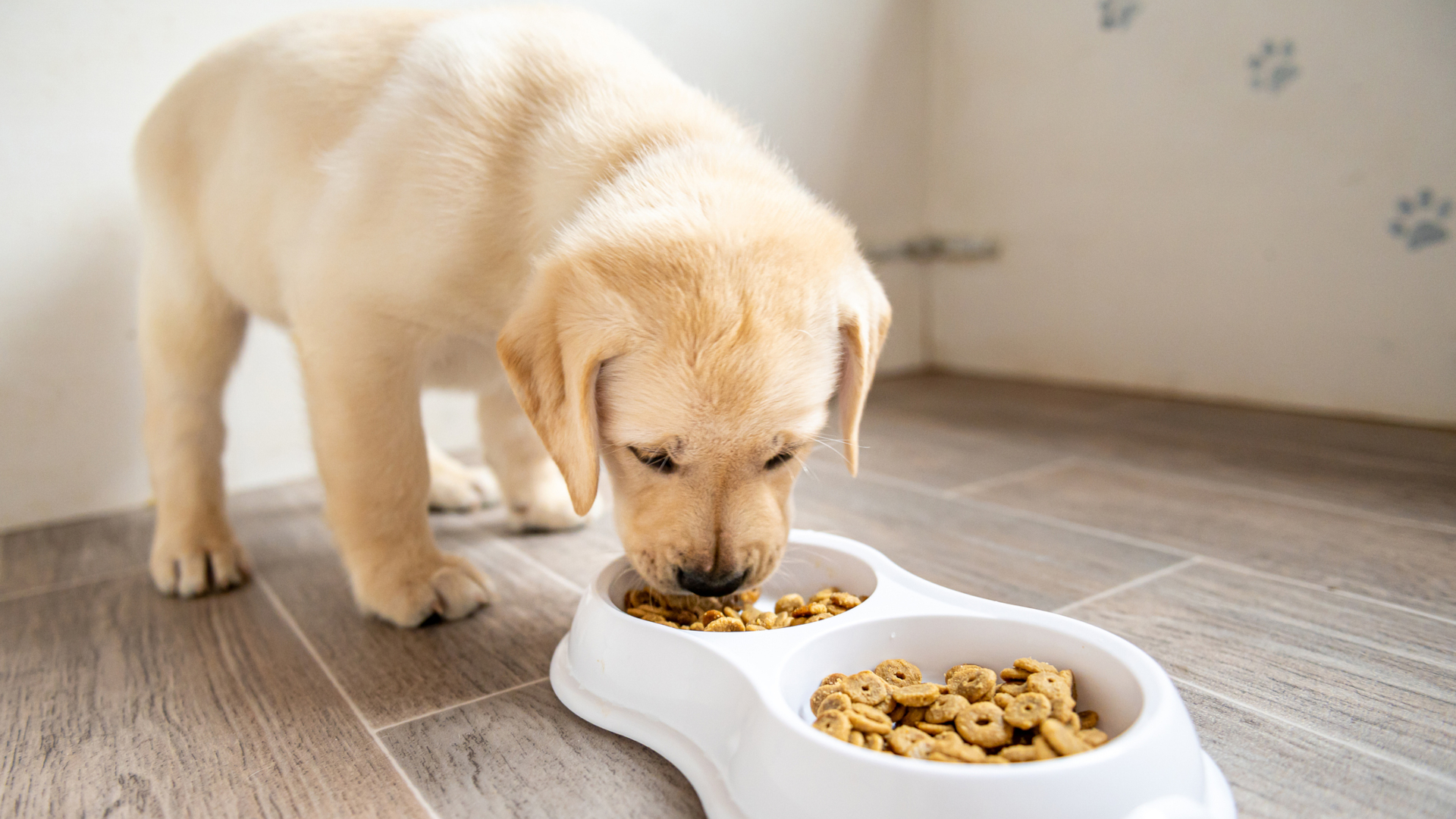
Credit: www.petsradar.com
Puppy Growth Stages
Puppies grow fast and need different foods as they age. Their diet changes to support each stage of growth.
Knowing when to switch to adult dog food helps keep your puppy healthy and strong.
Key Development Phases
Puppies go through several development phases. Each phase has unique needs for food and care.
- Neonatal (0-2 weeks):Puppies rely on their mother’s milk for all nutrition.
- Transitional (2-4 weeks):Puppies begin to open their eyes and ears. They start small amounts of soft food.
- Socialization (4-12 weeks):Puppies learn social skills and begin eating solid food.
- Juvenile (3-6 months):Rapid growth continues. High energy and protein needs.
- Adolescence (6-12 months):Growth slows. Puppies prepare to switch to adult food.
Nutritional Needs By Age
| Age | Food Type | Key Nutrients |
|---|---|---|
| 0-8 weeks | Mother’s milk or puppy formula | High fat, protein, antibodies |
| 8 weeks to 6 months | High-quality puppy food | Protein, fat, calcium, DHA |
| 6 to 12 months | Transition to adult dog food | Balanced protein and fat for slower growth |
| 12 months and older | Adult dog food | Maintain weight, support activity |
Differences Between Puppy And Adult Food
Puppy food and adult dog food are made for different needs. Puppies grow fast and need more nutrients.
Adult dogs need food that keeps them healthy without extra calories. Knowing the differences helps you feed your dog right.
Nutrient Composition
Puppy food has more protein and fat than adult food. These help puppies build muscles and stay active.
- Higher protein to support growth
- More fat for energy
- Added vitamins and minerals for bones and teeth
- Smaller kibble size for puppy mouths
Caloric Requirements
Puppies need more calories per pound than adult dogs. This helps them grow strong and healthy.
| Dog Stage | Calories per Pound |
| Puppy | 55-60 kcal |
| Adult | 30-40 kcal |
Signs Puppy Is Ready For Adult Food
Knowing when your puppy can start eating adult dog food is important. Puppies need the right nutrition to grow strong. Switching too early or too late can cause problems.
Look for clear signs from your puppy’s body and behavior. These signs help you decide the right time to change their diet.
Physical Indicators
Physical changes show that your puppy is growing. These signs tell you when they might be ready to eat adult food.
- Weight gain slows down and growth becomes steady
- Teeth are fully developed and strong
- Coat becomes thicker and less fluffy
- Body looks leaner and less round
- Energy levels become more stable
Behavioral Changes
Puppies also show changes in behavior when they are ready for adult food. Watch for these signs to help you decide.
| Behavior | What It Means |
| Less frequent nursing | Ready to eat solid food instead of milk |
| Chewing on toys and objects | Teeth are strong and can handle adult food |
| Eating small amounts of adult food | Showing interest and tolerance |
| More focused during meal times | Better digestion and appetite |
Ideal Age To Switch
Knowing when to switch your puppy to adult dog food is important. The right time helps your dog grow well and stay healthy.
Different dogs need different ages to change their food. Breed size and vet advice guide this change.
Breed Size Considerations
Small, medium, and large breeds grow at different speeds. This affects when to switch their food.
- Small breeds:Usually switch at about 9 to 12 months.
- Medium breeds:Can change at 12 months of age.
- Large breeds:Need adult food later, around 12 to 18 months.
- Giant breeds:May stay on puppy food until 18 to 24 months.
Veterinarian Recommendations
Vets suggest watching your puppy’s growth and health. They help decide the best time to switch food.
| Factor | Details |
|---|---|
| Weight | If your puppy reaches adult weight, consider switching food. |
| Teeth | Adult teeth usually mean the puppy can handle adult food. |
| Activity level | Less active dogs may need adult food sooner. |
| Health status | Check for any health issues that affect diet change. |
Transitioning Process
Switching a puppy to adult dog food needs care. This change helps your puppy grow healthy and strong.
Take time to move from puppy food to adult food. This reduces upset stomachs and helps your puppy adjust.
Gradual Food Mixing
Start by mixing a small amount of adult food with puppy food. Slowly increase the adult food over several days.
This slow change helps your puppy get used to the new taste and texture. It also helps the puppy’s tummy adjust.
- Day 1-2: 25% adult food, 75% puppy food
- Day 3-4: 50% adult food, 50% puppy food
- Day 5-6: 75% adult food, 25% puppy food
- Day 7: 100% adult dog food
Monitoring Puppy’s Response
Watch your puppy’s health during the food change. Look for any signs of stomach upset or allergy.
If your puppy shows vomiting, diarrhea, or loss of appetite, slow down the transition. Give more time for adjustment.
- Check stool quality and frequency
- Note any vomiting or gagging
- Observe energy levels and mood
- Consult a vet if problems continue

Credit: us.eukanuba.com
Common Mistakes To Avoid
Switching your puppy to adult dog food can be tricky. It’s important to know the right time and method to do it. Avoid common mistakes to keep your puppy healthy.
Understanding the transition process helps in preventing digestive issues. Let’s explore the common pitfalls.
Switching Too Early
Puppies need specific nutrients for growth. Transitioning to adult food too soon can lead to nutritional deficiencies.
- Consult your vet for the right time to switch
- Observe your puppy’s growth and development
- Avoid switching before 12 months for most breeds
Abrupt Food Changes
Abruptly changing your puppy’s food can upset their stomach. Gradual transition helps in better adaptation to new food.
| Transition Week | Old Food % | New Food % |
| Week 1 | 75% | 25% |
| Week 2 | 50% | 50% |
| Week 3 | 25% | 75% |
| Week 4 | 0% | 100% |
Special Cases
Puppies have specific dietary needs that differ from adult dogs. Some situations require special attention when transitioning to adult dog food.
Understanding these needs can help you make the best choices for your puppy’s health and growth.
Puppies With Health Issues
Puppies with health issues need careful monitoring of their diet. Some conditions require special nutrients or feeding schedules.
- Consult a veterinarian for diet plans.
- Choose food with added vitamins and minerals.
- Avoid foods with allergens specific to your puppy.
Small Vs. Large Breeds
Small and large breed puppies have different growth rates and nutritional needs. Knowing these differences is crucial for healthy development.
| Breed Type | Transition Age | Food Type |
| Small Breeds | 9-12 months | High-calorie |
| Large Breeds | 12-18 months | Low-calorie |
Tips For Maintaining Puppy Health
Knowing when your puppy can eat adult dog food is important. Feeding the right food helps your puppy grow strong and healthy.
This guide shares tips to keep your puppy healthy during the transition to adult food.
Balanced Diet Practices
Puppies need a diet with the right nutrients to support growth. Adult dog food usually has less protein and fat than puppy food.
Switch your puppy to adult food gradually after about one year old or when your vet says it is safe.
- Mix puppy food with adult food over 7-10 days
- Watch for signs of upset stomach or allergies
- Keep fresh water available at all times
- Feed meals on a regular schedule
Regular Vet Checkups
Visit the vet often to track your puppy’s health and growth. The vet can tell you the best time to change food.
Regular checkups help catch problems early and keep vaccinations up to date.
- Schedule visits every 3-6 months for puppies
- Ask the vet about diet changes and supplements
- Check weight and body condition regularly
- Discuss any behavior or health concerns

Credit: www.youtube.com
Frequently Asked Questions
When Is The Best Time To Switch Puppy To Adult Food?
Most puppies can switch to adult dog food around 12 months old. Large breeds may need up to 18 months. Consult your vet to ensure the transition suits your puppy’s growth and nutritional needs.
Can Puppies Eat Adult Dog Food Safely?
Puppies can eat adult dog food occasionally but it lacks essential nutrients for growth. Regular adult food is not recommended until they reach maturity to avoid nutrient deficiencies.
How To Transition Puppy From Puppy To Adult Food?
Transition gradually over 7 to 10 days by mixing adult food with puppy food. Increase adult food portion daily to avoid digestive upset and help your puppy adjust smoothly.
Why Is Puppy Food Different From Adult Dog Food?
Puppy food contains higher protein, fat, and calories for growth. Adult food has balanced nutrients for maintenance. Puppies need extra nutrition to support development, which adult food lacks.
Conclusion
Puppies grow fast and need special food at first. Adult dog food suits them better after they reach a certain age. Usually, this change happens around one year old, but size and breed can affect timing. Always watch your puppy’s health and ask a vet if unsure.
Feeding the right food helps your dog stay strong and happy. Remember, good nutrition supports a long, active life. Take time to switch food slowly and carefully. Your puppy will thank you with lots of love and energy.

Emily Barker is the founder of ChillDogLife.com, a space dedicated to helping pup parents discover the best dog products, lifestyle tips, and cozy ideas for happier homes.
A lifelong dog lover, Emily combines her passion for pets with a knack for research to share trusted recommendations on everything from toys and furniture to health and everyday care.
Her goal is simple: to make life easier, stylish, and more joyful for dogs and the people who love them.




