Are you thinking about breeding your dog but unsure when the right time is? Knowing how old your dog should be before breeding is crucial for their health and the puppies’ well-being.
Breeding too early or too late can lead to serious problems. You’ll discover the key signs that show when your dog is ready. By the end, you’ll feel confident about making the best choice for your furry friend. Keep reading to protect your dog and ensure healthy puppies every time.
Credit: pethelpful.com
Breeding Age Basics
Knowing the right age to breed a dog is important for healthy puppies. Dogs need to reach physical and emotional maturity first. This helps ensure the mother is strong enough for pregnancy and birth.
Different breeds grow at different rates. Understanding these differences can help you decide the best time to start breeding your dog.
Physical Maturity In Dogs
Physical maturity means the dog’s body is fully grown and ready for breeding. Most dogs reach this stage between one and two years old. Small breeds usually mature faster than large breeds.
- Small breeds: around 1 year old
- Medium breeds: 1 to 1.5 years old
- Large breeds: 1.5 to 2 years old
- Giant breeds: up to 2 years or more
Emotional Readiness
Emotional readiness means the dog is mature enough to handle pregnancy and caring for puppies. Not all dogs are ready at the same age. Signs include calm behavior and good social skills.
| Emotional Sign | What It Means |
| Calmness | Dog is less anxious and more stable |
| Good social skills | Dog interacts well with other dogs and people |
| Healthy appetite | Dog eats well and stays strong |
Breed-specific Age Variations
Each breed has its own growth timeline. Breeding too early can cause health problems. Breeding too late may reduce fertility. Know your dog’s breed standards for the best timing.
- Labrador Retriever: 2 years old
- German Shepherd: 2 to 2.5 years old
- Chihuahua: 1 to 1.5 years old
- Great Dane: 2.5 to 3 years old
Female Dog Breeding Age
Knowing the right age to breed a female dog is very important. It helps keep the dog healthy and safe.
Breeding too early or too late can cause problems for the dog and puppies. This guide focuses on when a female dog should start breeding.
First Heat Cycle Timing
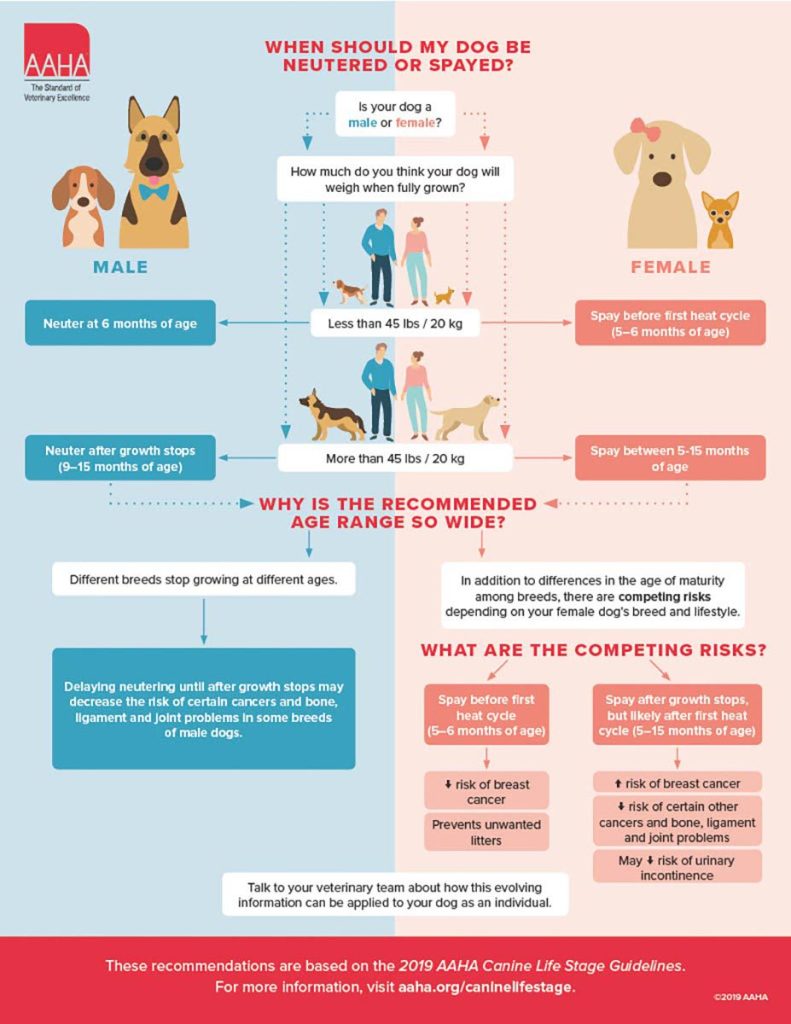
A female dog usually has her first heat cycle between six and twelve months old. This can vary by breed and size.
Smaller breeds often start heat earlier, while larger breeds may begin later. The heat cycle signals when the dog can get pregnant.
- Small breeds: 6 to 8 months
- Medium breeds: 7 to 10 months
- Large breeds: 10 to 12 months or more
Ideal Age For First Breeding
It is best to wait until the female dog is fully mature before breeding. This usually means after her second heat cycle.
Most experts recommend breeding between 18 and 24 months old. At this age, the dog’s body is ready for pregnancy and birth.
- Wait for at least two heat cycles
- Ensure the dog is healthy and strong
- Consult a vet before breeding
Risks Of Early Breeding
Breeding a female dog too early can cause health problems. The dog’s body may not be ready for pregnancy and birth.
Early breeding can lead to complications like difficult births, weak puppies, and long recovery times.
- Higher chance of birth complications
- Increased risk of puppy health issues
- Stress and harm to the young mother
- Possible long-term health problems
Male Dog Breeding Age
Understanding the right age for a male dog to breed is key to healthy puppies.
Breeding too early or too late can affect fertility and puppy health.
When Males Reach Fertility
Male dogs usually reach fertility between six and twelve months old. Small breeds tend to mature faster than large breeds.
Even though fertility starts early, it is not the best time to breed.
Optimal Age Range
| Age Range | Notes |
| 6-12 months | Fertile but not fully mature |
| 1.5-5 years | Best breeding age, peak fertility |
| 5+ years | Fertility may decline, higher risks |
Breeding within the optimal age range helps ensure strong puppies and healthy parents.
Signs Of Breeding Readiness
- Consistent interest in females
- Strong and regular mating behavior
- Good overall health and weight
- Clear sperm analysis results
- Mature physical size and muscle tone
These signs show the male is ready to breed and produce healthy offspring.
Health Checks Before Breeding
Before breeding your dog, it is important to do health checks. These checks help ensure the dog is strong and healthy.
Proper health checks reduce risks for the mother and puppies. They also help prevent passing on diseases.
Genetic Testing
Genetic testing finds inherited diseases or conditions. This testing helps choose healthy dogs for breeding.
- Test for breed-specific genetic disorders
- Check for carrier status of common genes
- Use test results to avoid mating two carriers
Vaccinations And Health Screening
Vaccinations protect dogs from many diseases. Health screening checks overall well-being and fertility.
| Type of Check | Purpose | When to Do |
| Rabies Vaccine | Protects against rabies virus | Before breeding |
| Parvovirus Vaccine | Prevents a deadly virus | Before breeding |
| Heartworm Test | Detects heartworm infection | Within 6 months of breeding |
| Physical Exam | Checks overall health | Before breeding |
Nutritional Preparation
Good nutrition builds a strong body for breeding. Feeding the right diet supports fertility and puppy health.
- Feed a balanced diet rich in vitamins
- Increase protein for muscle and energy
- Ensure access to clean water at all times
- Consider supplements recommended by a vet
Breeding Frequency And Age Limits
Understanding when to breed your dog is important. The right age and frequency ensure the health of both the dog and the puppies. Proper timing can prevent health issues and ensure a strong lineage.
Breeding too young or too often can be harmful. Let’s explore guidelines for breeding frequency and when to retire a dog from breeding.
Recommended Breeding Intervals
Dogs need time to recover between litters. Allowing sufficient time between breeding helps maintain their health. The frequency should consider the dog’s age and health condition.
- Small breeds: Every 12–18 months
- Medium breeds: Every 12–24 months
- Large breeds: Every 18–24 months
When To Retire A Dog From Breeding
Knowing when to retire a dog from breeding is crucial. Older dogs may face health risks. Ensuring their well-being is a top priority for responsible breeders.
| Breed Size | Retirement Age |
| Small | 6–7 years |
| Medium | 7–8 years |
| Large | 5–6 years |
Credit: www.pets4homes.co.uk
Ethical Considerations
When breeding dogs, it’s important to think about their well-being. Ethical breeding practices help ensure the health of the dogs and puppies.
Breeding too early or too often can harm a dog’s health. It’s crucial to consider the right age and frequency for breeding.
Impact On Dog’s Well-being
Breeding at the right age ensures the health of the dog. Dogs should be mature enough to handle pregnancy and caring for puppies.
Most experts suggest waiting until the dog is at least 18 months old. This age allows the dog to be physically and mentally ready.
- Young dogs may face health issues if bred too early
- Older dogs may have complications during pregnancy
- Proper timing helps ensure healthy puppies
Breeding Responsibility
Responsible breeding means considering the dog’s health and future. It involves planning and making informed decisions.
Responsible breeders check for genetic issues and provide proper care. They also ensure the puppies go to good homes.
- Health screenings for genetic conditions
- Ensuring dogs are in good health before breeding
- Finding responsible homes for puppies
Avoiding Overbreeding
Overbreeding can lead to health problems and poor puppy quality. It is important to avoid breeding the same dog too often.
Breeders should limit the number of litters a dog has. This helps maintain the health of the dog and the puppies.
- Limit to one litter per year
- Ensure rest periods between breeding
- Monitor dog’s health regularly
Signs To Avoid Breeding
Knowing when a dog is ready for breeding is important for their health. Some signs show that breeding is not a good idea yet.
These signs include health problems, bad behavior, and age issues. Avoid breeding if you see these signs.
Health Issues
Dogs with health problems should not be bred. Illnesses can pass to puppies or cause trouble during birth.
Watch for signs like poor weight, infections, or chronic diseases before breeding your dog.
- Skin infections or wounds
- Respiratory or heart problems
- Joint pain or mobility issues
- Unexplained weight loss
- Reproductive system infections
Behavioral Concerns
Behavior problems can affect breeding success. Nervous, aggressive, or overly shy dogs may not handle breeding well.
Breeding dogs should be calm and social. Stress can harm both mother and puppies.
- Excessive fear or anxiety
- Aggression to people or other dogs
- Unstable or unpredictable actions
- Poor response to training
Age-related Factors
Age matters a lot before breeding. Too young or too old dogs face risks during pregnancy and birth.
Female dogs should be at least 2 years old and in good health. Older dogs can have lower fertility and health issues.
- Breeding before 2 years old is unsafe
- Older than 7 years may have complications
- Watch for signs of aging like less energy
- Regular vet checks are important
Consulting A Veterinarian
Knowing the right age for a dog to breed is important for its health. A veterinarian can give the best advice on this topic.
They check your dog’s health and guide you on when breeding is safe and suitable.
Professional Advice Importance
A veterinarian studies your dog’s breed, size, and health before recommending breeding age. This advice helps avoid health risks.
- Determines the dog’s physical maturity
- Checks for genetic issues or diseases
- Advises on the best breeding time
- Monitors the dog’s mental readiness
Regular Health Monitoring
Breeding dogs need regular check-ups. This keeps them healthy and ready for pregnancy or mating.
| Health Check | Why It Matters |
| Vaccinations | Prevent diseases before breeding |
| Weight and Nutrition | Ensure the dog is fit and strong |
| Reproductive Health | Detect problems early |
| Behavior Assessment | Confirm readiness for breeding |
Credit: www.pets4homes.co.uk
Frequently Asked Questions
At What Age Can A Dog Safely Breed?
Dogs can safely breed after reaching full physical maturity. For most breeds, this is around 1 to 2 years old. Larger breeds may need more time, up to 2 years. Breeding too early can cause health issues for both mother and puppies.
Why Should Dogs Be Fully Matured Before Breeding?
Full maturity ensures a dog’s body is ready for pregnancy and whelping. It reduces risks of complications during birth. Mature dogs have better immune systems, improving puppy survival rates. It also helps maintain the mother’s long-term health and well-being.
How Does Breed Size Affect Breeding Age?
Small breeds mature faster and can breed around 1 year old. Medium and large breeds should wait until 18-24 months. Giant breeds may need even more time to fully develop. Proper maturity is crucial to avoid health risks for both dam and pups.
What Are The Risks Of Breeding A Dog Too Early?
Breeding too early can cause serious health problems for the mother. It may lead to difficult pregnancies or stillborn puppies. Puppies born from immature mothers may have weaker immune systems. Early breeding can also affect the mother’s future fertility.
Conclusion
Breeding a dog at the right age keeps them healthy and strong. Usually, dogs should be at least one to two years old before breeding. This allows their bodies to fully grow and mature. Breeding too early can cause health problems for both the mother and puppies.
Always check with a vet to know the best time for your dog. Careful planning helps ensure happy, healthy puppies and a safe experience for your dog. Good timing matters most in dog breeding.

Emily Barker is the founder of ChillDogLife.com, a space dedicated to helping pup parents discover the best dog products, lifestyle tips, and cozy ideas for happier homes.
A lifelong dog lover, Emily combines her passion for pets with a knack for research to share trusted recommendations on everything from toys and furniture to health and everyday care.
Her goal is simple: to make life easier, stylish, and more joyful for dogs and the people who love them.




