
Are you wondering when your puppy is ready to switch to adult dog food? Feeding your furry friend the right food at the right time is crucial for their health and growth.
But making the switch too early or too late can cause problems you definitely want to avoid. You’ll discover the signs to look for and expert tips to ensure your puppy’s diet supports their strong bones, shiny coat, and endless energy.
Keep reading to find out exactly when and how to make this important change with confidence.

Credit: www.thinkjinx.com
Puppy Growth Stages
Puppies grow quickly during their first months. Their diet changes as they develop.
Feeding the right food at the right time helps puppies stay healthy and strong.
From Newborn To Weaning
Newborn puppies drink their mother’s milk for the first few weeks. This milk gives all the nutrients they need.
Puppies start to lose their baby teeth around 3 to 4 weeks old. This is when weaning begins.
- Birth to 3 weeks: Puppies only drink milk
- 3 to 4 weeks: Teeth begin to grow
- 4 to 6 weeks: Begin weaning from milk
Transition To Solid Food
Puppies start eating soft, solid food around 4 weeks old. This helps them learn to chew and digest new food.
At about 8 weeks, puppies usually eat solid puppy food. Adult dog food is not suitable yet.
- 4 weeks: Start soft, moist puppy food
- 6 to 8 weeks: Increase solid food amount
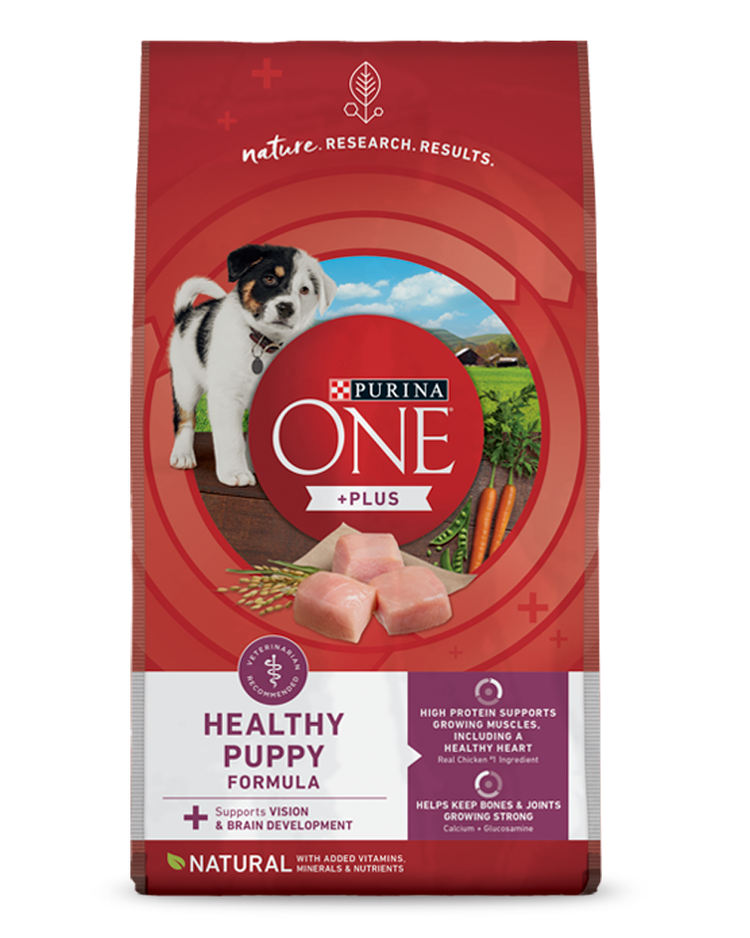
- 8 weeks to 12 months: Only feed puppy food
- After 12 months: Gradually switch to adult dog food
Credit: www.purina.com
Indicators To Switch Food
Knowing when to switch your puppy to adult dog food is important. It helps keep your dog healthy and strong.
Look for signs that show your puppy is ready. These signs include growth, teeth changes, and behavior shifts.
Weight And Size Milestones
Puppies grow fast and reach certain size markers. Usually, when they are about 80% of their adult weight, it is time to switch food.
- Small breeds reach adult size around 9 to 12 months.
- Medium breeds grow until 12 to 15 months old.
- Large breeds take up to 18 to 24 months to fully grow.
Teething And Dental Development
Puppies start losing baby teeth at about 3 to 4 months. By 6 months, most have adult teeth.
| Age | Teething Stage | Dental Sign |
| 2-3 months | Baby teeth appear | Sharp, small teeth |
| 3-6 months | Teething phase | Loose baby teeth, new adult teeth |
| 6-7 months | Adult teeth complete | Strong, bigger teeth |
Behavior And Energy Levels
Changes in behavior and energy can show readiness for adult food. Puppies may calm down and have steady energy.
- Less hyperactivity during playtime
- Longer rest periods
- More controlled eating habits
- Ability to digest more complex food
Choosing The Right Adult Food
Switching your puppy to adult dog food is an important step. It helps your dog get the right nutrition as they grow.
Choosing the right adult food ensures your dog stays healthy and happy. It meets their changing needs after puppyhood.
Nutritional Needs Of Adult Dogs
Adult dogs need fewer calories than puppies. Their growth slows down, so they need less energy.
Protein helps keep muscles strong. Adults need good protein but not as much as puppies.
- Lower calorie content to prevent weight gain
- Balanced protein for muscle maintenance
- Healthy fats for energy and coat health
- Essential vitamins and minerals for overall health
Comparing Puppy Vs. Adult Formulas
Puppy food has more calories to support fast growth. It also contains extra nutrients for development.
Adult formulas have fewer calories and less fat. They focus on keeping your dog healthy as they mature.
| Feature | Puppy Food | Adult Food |
|---|---|---|
| Calories | Higher for growth | Lower for maintenance |
| Protein | Higher to build muscles | Moderate for muscle upkeep |
| Fat | More for energy | Less to avoid weight gain |
| Vitamins & Minerals | Extra for development | Balanced for health |
Gradual Food Transition
Switching puppies to adult dog food takes care and patience. A slow change helps their stomach adjust well.
Rushing the switch may cause tummy troubles. Follow steps to make the process smooth and safe.
Step-by-step Switching Process
Begin by mixing a small amount of adult food with puppy food. Slowly increase the adult food over days.
- Start with 25% adult food and 75% puppy food for three days.
- Change to 50% adult food and 50% puppy food for the next three days.
- Move to 75% adult food and 25% puppy food for another three days.
- Feed 100% adult dog food after the transition period.
Monitoring For Digestive Issues
Watch your puppy’s stool and appetite during the change. Look for signs of upset stomach or diarrhea.
| Symptom | Action |
| Loose stool | Slow down the transition and give more time. |
| Vomiting | Pause the switch and consult your vet. |
| Loss of appetite | Check if the food is appealing or try smaller portions. |
Expert Tips For Feeding
Feeding puppies the right food at the right time helps them grow strong. Knowing when to switch to adult dog food is important for their health.
This guide shares expert advice on feeding puppies, focusing on consulting a veterinarian and adjusting portions and frequency.
Consulting A Veterinarian
A vet can tell you the best time to change your puppy’s diet. They check your puppy’s breed, size, and health.
- Ask about your puppy’s growth stage
- Discuss the best adult food options
- Get advice on supplements if needed
- Schedule regular checkups to track progress
Adjusting Portions And Frequency
Puppies need smaller meals more often. Adult dogs eat bigger meals less often. Changing food means changing how much and how often you feed.
| Age | Meals per Day | Portion Size |
| 8 weeks – 3 months | 4 | Small |
| 3 months – 6 months | 3 | Medium |
| 6 months – 1 year | 2 | Medium to Large |
| 1 year and older | 2 | Large |
Common Mistakes To Avoid
Transitioning puppies to adult dog food requires careful timing. Mistakes can affect their growth and health. Here are common pitfalls to be aware of.
Switching Too Early Or Late
Switching food too soon might deprive puppies of essential nutrients. Waiting too long can lead to obesity. The right time ensures balanced growth.
Consult your vet for guidance. They can assess your puppy’s breed and size. This helps determine the ideal time to switch foods.
- Small breeds: switch around 9-12 months
- Large breeds: switch at 12-18 months
- Monitor growth and activity level
Ignoring Puppy’s Individual Needs
Puppies have unique dietary needs. A one-size-fits-all approach can be harmful. Consider their health, weight, and activity levels.
Some puppies may have allergies or sensitivities. Choose food that meets their specific requirements. Always read ingredient labels carefully.
- Check for allergies before switching
- Adjust portion sizes based on activity
- Consult with a vet for personalized advice

Credit: greensafaris.com
Frequently Asked Questions
When Can Puppies Switch To Adult Dog Food?
Puppies can switch to adult dog food around 12 months old. Large breeds may need up to 18 months. Consult your vet for breed-specific guidance to ensure proper nutrition and growth during this transition.
Why Is Timing Important For Changing Dog Food?
Proper timing prevents nutritional imbalances and digestive issues. Puppies need higher protein and fat for growth. Switching too early may cause deficiencies; too late can lead to obesity. Follow your vet’s advice for the best switch time.
How To Transition Puppies To Adult Dog Food?
Gradually mix adult food with puppy food over 7-10 days. Increase adult food daily while decreasing puppy food. This gentle switch minimizes digestive upset and helps puppies adapt to the new diet smoothly.
What Are Signs Puppies Need Adult Food?
Signs include slowed growth, less energy, and reduced nutritional needs. If your puppy reaches maturity and stops growing, it’s time to switch. Always confirm with your vet to ensure the right diet stage.
Conclusion
Puppies need special food to grow strong and healthy. Switching to adult dog food too early can cause problems. Wait until your puppy is about one year old. Watch their size, energy, and vet advice closely. Gradually change their food to avoid stomach upset.
This helps them adjust well to the new diet. Feeding the right food at the right time keeps your dog happy. Remember, every puppy is different. Be patient and careful with their diet choices. Your puppy will thank you with a long, healthy life.

Emily Barker is the founder of ChillDogLife.com, a space dedicated to helping pup parents discover the best dog products, lifestyle tips, and cozy ideas for happier homes.
A lifelong dog lover, Emily combines her passion for pets with a knack for research to share trusted recommendations on everything from toys and furniture to health and everyday care.
Her goal is simple: to make life easier, stylish, and more joyful for dogs and the people who love them.




