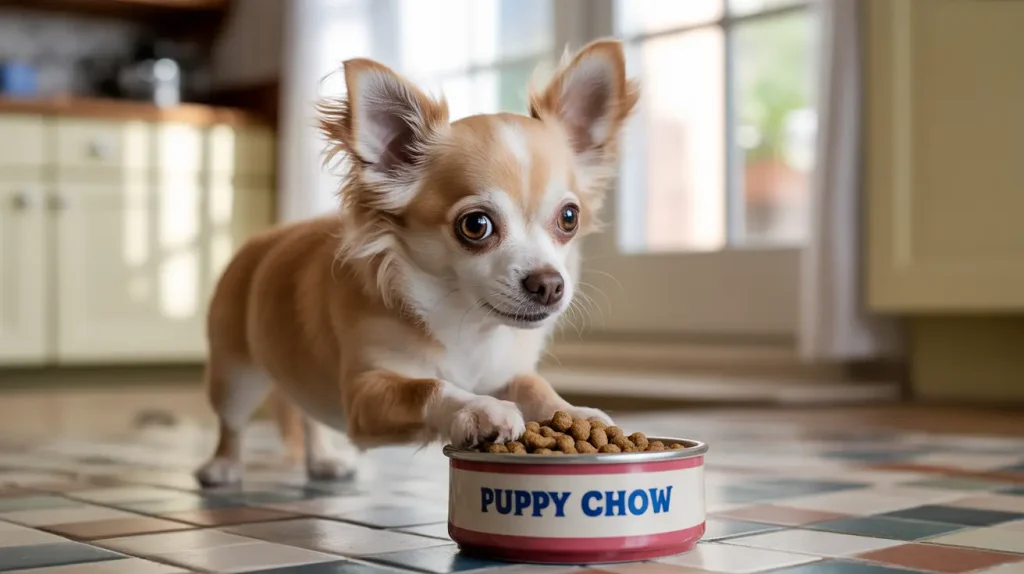
Have you ever wondered what happens if your adult dog eats puppy food? It’s a question many dog owners face, especially when the little one’s meals are within reach.
You might think it’s harmless, but could it affect your dog’s health or energy levels? Understanding the impact can help you keep your furry friend happy and thriving. Keep reading to discover what really happens inside your dog’s body and how to handle this common mix-up with confidence.
Differences Between Puppy And Adult Dog Food
Puppy food and adult dog food have different purposes. Puppies need more nutrients to grow strong. Adult dogs need food to maintain health and energy.
Feeding the right food helps your dog stay healthy. It is important to know what makes puppy and adult dog food different.
Nutritional Composition
Puppy food has more protein and fat to support growth. Adult dog food has balanced nutrients for maintenance. Puppies need calcium and phosphorus for bones.
Calorie Content
Puppy food contains more calories to fuel their active growth. Adult dog food has fewer calories to prevent weight gain. Calorie needs vary by age and size.
| Type of Food | Calorie Content (per cup) | Purpose |
|---|---|---|
| Puppy Food | 450-500 kcal | Supports growth and energy |
| Adult Dog Food | 350-400 kcal | Maintains weight and health |
Ingredient Variations
Puppy food has added vitamins and minerals. Adult food focuses on joint health and digestion. Ingredients differ to meet life stage needs.
- Puppy food often includes DHA for brain development.
- Adult food may contain glucosamine for joints.
- Protein sources in puppy food are higher quality for growth.
- Adult food ingredients support a stable metabolism.
Potential Risks Of Adult Dogs Eating Puppy Food
Adult dogs sometimes eat puppy food by accident or curiosity. Puppy food has a different nutrient mix made for growing dogs.
Feeding adult dogs puppy food often can cause health problems. It is important to know what risks come with this habit.
Digestive Issues
Puppy food is richer and higher in fat than adult dog food. This can upset an adult dog’s stomach.
Eating puppy food may cause diarrhea, vomiting, or gas in adult dogs. Their digestive system is not used to the extra fats and calories.
Weight Gain And Obesity
Puppy food contains more calories to support fast growth. Adult dogs eating it can gain weight quickly.
Extra calories that adults do not burn turn into fat. This can lead to obesity, which causes many health problems.
- Increased risk of diabetes
- Joint stress and pain
- Shorter lifespan
Nutritional Imbalance
Puppy food has more protein, fat, and minerals for growth. Adult dogs do not need these extra amounts daily.
Long-term feeding of puppy food to adults may cause nutrient imbalances. This can affect their organ health and energy levels.
When To Worry About Your Dog Eating Puppy Food
Adult dogs sometimes eat puppy food by mistake. Puppy food has more calories and nutrients made for growing dogs. This can cause some issues for adult dogs if they eat it often.
It is important to watch your dog closely if it eats puppy food. Look for signs that show your dog is not feeling well or acting differently. Knowing what to watch for helps you decide if you should call the vet.
Signs Of Discomfort
Eating puppy food can upset your adult dog's stomach. Look for these signs of discomfort:
- Vomiting or throwing up
- Diarrhea or loose stools
- Stomach bloating or gas
- Loss of appetite
- Excessive thirst
Behavioral Changes
Changes in behavior may show your dog is not feeling right after eating puppy food. Watch for these signs:
- Restlessness or pacing
- Unusual tiredness or lethargy
- Irritability or aggression
- Hiding or avoiding people
- Changes in sleep patterns
Long-term Health Concerns
Feeding puppy food to an adult dog regularly may cause health problems. The extra nutrients and calories can affect organs and weight. Watch this table to learn possible long-term effects:
| Health Issue | Cause | Effect |
|---|---|---|
| Weight Gain | High calories | Obesity and joint stress |
| Kidney Strain | Excess protein | Kidney damage over time |
| Digestive Problems | Rich ingredients | Chronic diarrhea or upset |
| Nutrient Imbalance | Wrong vitamin mix | Deficiencies or excesses |
Credit: www.purina.com
Immediate Steps To Take If Adult Dog Eats Puppy Food
Adult dogs sometimes eat puppy food by mistake. Puppy food has more calories and nutrients. This can upset your dog’s stomach.
Knowing what to do right away helps keep your dog safe and healthy. Follow these steps carefully.
Monitoring Your Dog
Watch your dog closely after eating puppy food. Look for signs of discomfort or illness. Common signs include vomiting, diarrhea, or lethargy.
- Check for vomiting or diarrhea
- Notice if your dog is less active
- See if your dog is drinking more water than usual
- Observe any unusual behaviors or restlessness
Hydration And Diet Adjustment
Keep your dog well hydrated after eating puppy food. Offer fresh water regularly. Avoid giving more puppy food or treats for the next 24 hours.
| Time After Eating | Recommended Action |
| First 2 Hours | Give small amounts of water often |
| Next 24 Hours | Feed adult dog food in normal portions |
| After 24 Hours | Resume regular diet if no symptoms appear |
Contacting A Veterinarian
Call your vet if your dog shows severe symptoms. These include repeated vomiting, diarrhea lasting more than 24 hours, or signs of pain.
- Keep your vet’s phone number ready
- Describe what your dog ate and how much
- Tell the vet about any symptoms you see
- Follow the vet’s instructions carefully
Preventing Accidental Puppy Food Consumption
Adult dogs sometimes eat puppy food by mistake. This can cause stomach upset or weight gain. It is important to keep adult dogs from eating puppy food.
Keeping puppy food away from adult dogs helps keep them healthy. Use simple steps to prevent accidental eating.
Safe Storage Practices
Store puppy food in a place where adult dogs cannot reach it. Use sealed containers to keep food fresh and protected. Keep the container on a high shelf or in a locked cabinet.
Do not leave puppy food bags open or on the floor. Clean up spills quickly to stop adult dogs from eating leftovers.
- Use airtight containers for puppy food
- Place containers on high shelves
- Store food in locked cabinets if possible
- Clean up any spilled food immediately
Feeding Schedules
Feed adult dogs and puppies at different times. This helps keep their food separate. Remove any uneaten food after feeding to avoid mixing.
Use separate bowls and feeding areas. Feeding on a schedule reduces the chance of accidental eating.
- Feed puppies and adults at different times
- Remove food bowls after meals
- Use separate feeding spots
- Stick to a regular feeding routine
Training And Supervision
Train your adult dog to avoid puppy food. Use commands like “leave it” to stop unwanted eating. Supervise dogs during feeding times.
Watch your dogs closely to prevent food stealing. Reward good behavior to encourage listening and control.
- Teach “leave it” command
- Supervise dogs while feeding
- Reward dogs for good behavior
- Interrupt and redirect if needed
Credit: www.purina.com
Choosing The Right Food For Your Dog’s Life Stage
Feeding your dog the right food is essential for their health. Dogs need specific nutrients at different stages of their lives.
Adult dogs have different nutritional needs compared to puppies. It’s important to choose food that matches their life stage.
Age-appropriate Nutrition
Each life stage requires different nutrients. Puppy food is rich in calories to support growth, while adult dog food focuses on maintaining health.
- Puppy food has more proteins and fats.
- Adult food is balanced for maintenance.
- Senior food may include joint support nutrients.
Switching Diets Safely
When changing your dog’s food, do it gradually. Sudden changes can upset their stomach.
| Day 1-3 | Mix 25% new food with 75% old food |
| Day 4-6 | Mix 50% new food with 50% old food |
| Day 7-9 | Mix 75% new food with 25% old food |
| Day 10 | 100% new food |
Consulting With Professionals
Before making dietary changes, consult your veterinarian. They can guide you based on your dog’s specific needs.
Credit: www.becopets.com
Frequently Asked Questions
What Happens If An Adult Dog Eats Puppy Food?
Adult dogs eating puppy food may gain excess calories and nutrients. This can cause weight gain and digestive upset. Puppy food is richer in protein and fat, which is unnecessary for adult dogs. Occasional consumption is usually safe but not ideal long-term.
Is Puppy Food Harmful To Adult Dogs?
Puppy food is not harmful but may lead to nutritional imbalance for adult dogs. It contains higher fat and protein levels. Prolonged feeding can cause obesity and digestive issues. Feeding adult dogs their specific diet is best for maintaining health and weight.
Can Adult Dogs Eat Puppy Food Regularly?
Regular feeding of puppy food to adult dogs is not recommended. It can cause weight gain and nutrient excess. Adult dogs have different dietary needs. Use adult dog food to ensure balanced nutrition and avoid health problems.
How To Transition An Adult Dog From Puppy Food?
Gradually mix adult food into puppy food over 7-10 days. Increase adult food portion while reducing puppy food. This helps avoid digestive upset. Monitor your dog’s health and weight during transition for best results.
Conclusion
Adult dogs can eat puppy food once in a while without serious problems. Puppy food has more calories and nutrients meant for growing dogs. Eating it regularly might cause weight gain or upset stomach. Watch your dog for any changes in behavior or digestion.
Choose food made for your dog’s age to keep them healthy. Always consult a vet if you notice unusual symptoms. Feeding the right food helps your dog live a happy, strong life. Keep your dog’s diet balanced and suited to their needs.
Simple care makes a big difference.

Emily Barker is the founder of ChillDogLife.com, a space dedicated to helping pup parents discover the best dog products, lifestyle tips, and cozy ideas for happier homes.
A lifelong dog lover, Emily combines her passion for pets with a knack for research to share trusted recommendations on everything from toys and furniture to health and everyday care.
Her goal is simple: to make life easier, stylish, and more joyful for dogs and the people who love them.




