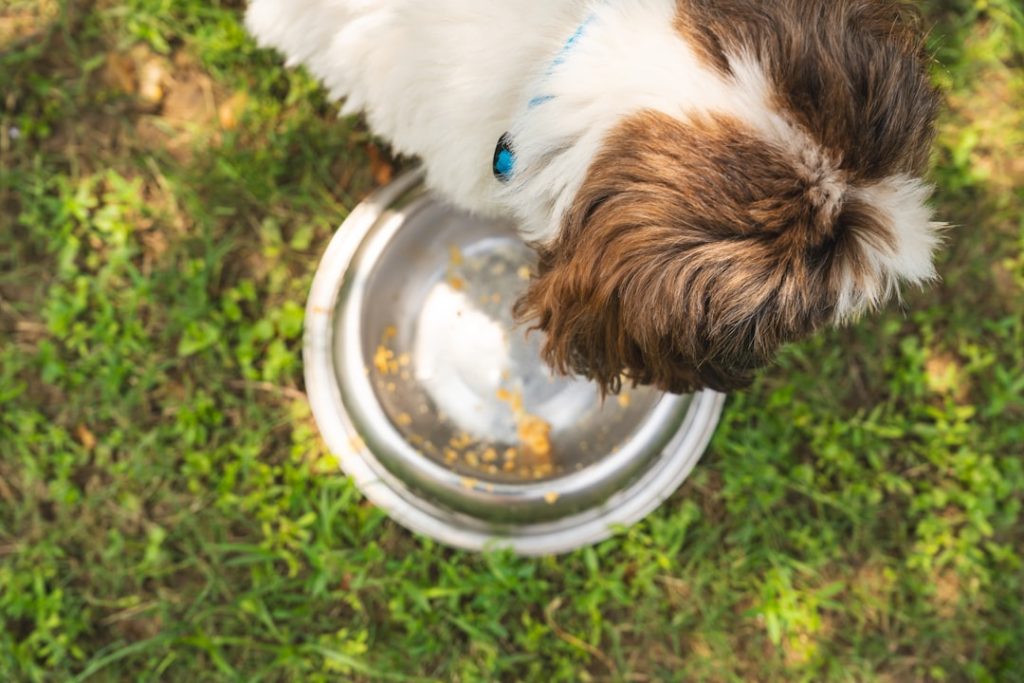
Have you ever caught your adult dog sneaking puppy food and wondered if it’s really a big deal? You might be asking yourself, “What happens if my adult dog eats puppy food?” It’s a common concern for many dog owners.
You want to make sure your furry friend stays healthy and happy, but the confusion about dog food can be overwhelming. Keep reading, because understanding the effects of puppy food on your adult dog could save you from unexpected health problems—and help you make the best choices for your loyal companion.
Differences Between Puppy And Adult Dog Food
Puppy food and adult dog food are made differently to meet their needs. Puppies grow fast and need more nutrients. Adult dogs need food that keeps them healthy but not too heavy.
Feeding your dog the right food helps them stay active and strong. It is important to know what makes puppy and adult dog food different.
Nutritional Needs Of Puppies
Puppies need extra calories and nutrients for growth. Their food has more protein and fat. They also need vitamins and minerals for strong bones and teeth.
- Higher protein for muscle growth
- More fat for energy
- Calcium and phosphorus for bones
- Essential vitamins for development
Nutritional Needs Of Adult Dogs
Adult dogs need balanced food to keep their weight and health. They need fewer calories than puppies. Their food has the right amount of protein and fat to maintain muscles and energy.
Too many calories can cause weight gain. Adult dog food helps avoid obesity and related problems.
Key Ingredient Variations
| Ingredient | Puppy Food | Adult Dog Food |
|---|---|---|
| Protein | High (22%-32%) | Moderate (18%-25%) |
| Fat | High (8%-20%) | Lower (5%-15%) |
| Calcium | Higher for bone growth | Lower to maintain bones |
| Calories | More for energy | Fewer to prevent weight gain |
| Fiber | Moderate | Higher for digestion |
Potential Risks For Adult Dogs Eating Puppy Food
Puppy food is made for growing dogs. It has more calories and nutrients than adult dog food.
Feeding adult dogs puppy food often can cause health problems. It is important to know the risks.
Digestive Upset And Symptoms
Adult dogs can have stomach issues if they eat puppy food. The extra fat and calories may be hard to digest.
Signs of digestive upset include vomiting, diarrhea, and gas. These symptoms show the dog’s stomach is upset.
- Vomiting
- Diarrhea
- Excessive gas
- Stomach discomfort
Weight Gain And Obesity
Puppy food has more calories to support growth. Adult dogs do not need these extra calories.
Eating puppy food regularly can cause weight gain. Obesity leads to other health issues like joint pain.
- Extra calories cause fat buildup
- Increased risk of joint problems
- Higher chance of diabetes
- Reduced energy levels
Nutrient Imbalances
Puppy food has more protein, fat, and minerals. Adult dogs eating it too much may get too many nutrients.
Too many nutrients can cause problems like kidney strain or vitamin toxicity. Balanced adult food is better.
- Excess protein stresses kidneys
- Too much fat causes digestive issues
- Mineral excess can harm organs
- Vitamin overdose risks health problems
Short-term Effects On Adult Dogs
Adult dogs sometimes eat puppy food by accident or curiosity. This can cause some short-term effects on their health. It is important to know what might happen soon after they eat puppy food.
Puppy food is made with extra nutrients for growing dogs. Adult dogs have different needs. Eating puppy food for a short time usually does not cause serious problems but can affect digestion and energy.
Mild Digestive Issues
Adult dogs may get mild stomach problems after eating puppy food. This happens because puppy food has more fat and calories than adult food. Their stomachs might not handle it well at first.
- Soft stools or diarrhea
- Gas or bloating
- Mild stomach upset
- Occasional vomiting
These symptoms usually go away within a day or two. If they last longer, a vet check is needed.
Changes In Energy Levels
Puppy food can change an adult dog’s energy. The extra calories and nutrients may make them more active or restless. Some dogs may even seem hyper for a short time.
| Effect | Description |
| Increased Energy | More calories can make dogs more playful or restless. |
| Temporary Hyperactivity | High protein and fat may cause bursts of energy. |
| Possible Fatigue | Some dogs may feel tired after the initial energy rise. |
Long-term Health Concerns
Feeding adult dogs puppy food can cause health problems over time. Puppy food has more calories and nutrients meant for growing dogs.
These extra nutrients can affect an adult dog’s body and cause issues in the long run. It is important to understand the risks.
Joint And Bone Health
Puppy food contains more calcium and phosphorus for bone growth. Adult dogs do not need this much of these minerals.
Too much calcium can lead to joint problems and bone damage in adult dogs. This can cause pain and trouble moving.
- Excess calcium may cause hip dysplasia
- Risk of arthritis increases
- Bone deformities can develop
- Joint stiffness and discomfort
Risk Of Chronic Diseases
Puppy food has higher fat and calories than adult dog food. This can cause weight gain and obesity in adult dogs.
Obesity raises the risk of long-term diseases like diabetes and heart problems. It can shorten a dog’s life.
- Increased chance of diabetes
- Higher risk of heart disease
- Possible kidney problems
- Greater chance of pancreatitis
What To Do If Your Adult Dog Eats Puppy Food
It is common for adult dogs to eat puppy food by mistake. Puppy food has more calories and nutrients than adult dog food. This can upset your dog’s stomach if eaten in large amounts.
Knowing how to care for your dog after eating puppy food helps keep them safe. Watch your dog closely and know when to get help.
Monitoring Your Dog
Check your dog for any signs of discomfort or illness. Some dogs may have mild diarrhea or a soft stool after eating puppy food.
Keep your dog calm and provide fresh water. Do not feed more food until their stomach settles. Watch for changes in behavior or appetite.
- Look for vomiting or diarrhea
- Note any loss of appetite
- Watch for unusual tiredness or restlessness
- Keep an eye on their drinking habits
When To Contact A Veterinarian
Call your vet if your dog shows severe symptoms. This includes repeated vomiting or diarrhea that lasts more than a day.
Also contact your vet if your dog seems very weak, has trouble breathing, or shows signs of pain. Quick action can prevent serious problems.
- Repeated vomiting or diarrhea
- Blood in stool or vomit
- Extreme weakness or collapse
- Difficulty breathing or unusual behavior
- Refusing to drink water for over 12 hours
Credit: www.petscare.com
Preventing Future Incidents
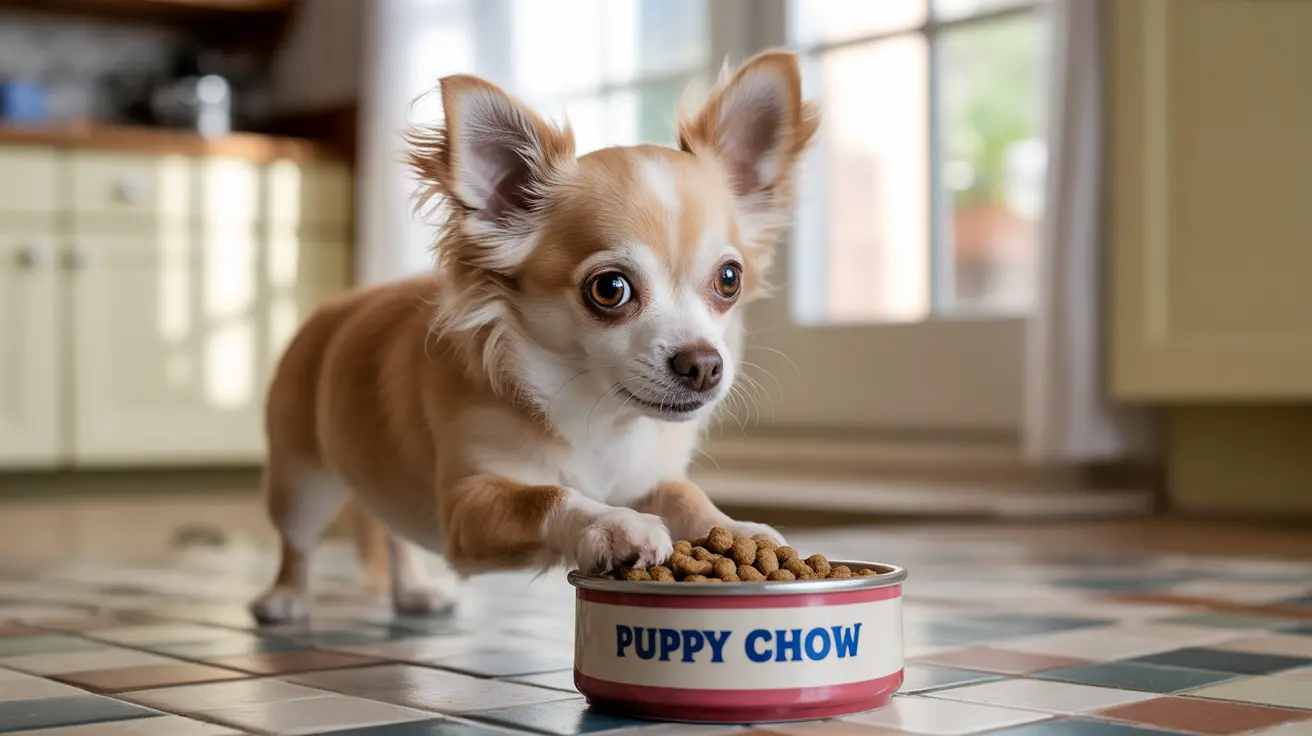
Adult dogs may eat puppy food if it is left within their reach. This can lead to digestive problems due to differences in nutritional needs. Preventing this requires some simple steps.
Here are some effective ways to ensure your adult dog eats the right food.
Proper Food Storage
Storing food properly keeps it fresh and out of reach from curious dogs. Use airtight containers for this purpose.
- Store puppy food in a high cupboard
- Use containers with secure lids
- Label containers clearly
Separate Feeding Areas
Designate different feeding areas for adult dogs and puppies. This helps avoid confusion and keeps them focused on their own meals.
Use barriers or baby gates to create physical separation if needed.
Training Tips
Training your dog to follow commands is important. This helps them stay away from puppy food.
- Teach “leave it” command
- Reward when they ignore puppy food
- Consistent practice is key
Safe Alternatives And Treats For Adult Dogs
Feeding puppy food to an adult dog might not be ideal. Puppy food has different nutritional levels meant for growing pups.
Adult dogs need a balanced diet that suits their mature bodies. Choosing the right food is crucial for their health.
Choosing The Right Food
Adult dogs need food that provides them with all the nutrients. Selecting the right kibble or wet food is essential.
- Look for high-quality protein sources
- Check for balanced vitamins and minerals
- Avoid artificial preservatives and colors
Healthy Snack Options
Treats can be part of an adult dog’s diet. Choose snacks that are nutritious and safe.
| Snack Type | Benefits |
| Carrot sticks | Low in calories, good for teeth |
| Apple slices | Rich in vitamins, good fiber source |
| Blueberries | High in antioxidants, tasty treat |
Credit: www.becopets.com

Credit: www.purina.com
Frequently Asked Questions
Can Adult Dogs Eat Puppy Food Safely?
Adult dogs can occasionally eat puppy food without harm. However, puppy food is richer and may cause digestive upset if fed regularly. It lacks the balanced nutrients adult dogs need for maintenance, so it’s best to feed age-appropriate food consistently.
What Are The Risks Of Adult Dogs Eating Puppy Food?
Feeding puppy food to adult dogs long-term can cause weight gain and nutritional imbalances. Puppy food is higher in calories and fat, which may lead to obesity and digestive issues if not monitored carefully.
How To Transition Adult Dogs From Puppy Food?
Gradually switch your dog’s diet over 7-10 days. Mix increasing amounts of adult food with decreasing puppy food. This helps prevent digestive upset and allows your dog to adjust to the new nutrient profile smoothly.
Will Puppy Food Cause Digestive Problems In Adult Dogs?
Yes, adult dogs may experience diarrhea or upset stomach from puppy food. The richer nutrient content and higher fat can be harder to digest, especially if consumed in large amounts or suddenly.
Conclusion
Adult dogs eating puppy food may face mild digestive issues. Puppy food has more calories and nutrients meant for growth. Too much can cause weight gain or upset stomach. Watch your dog for any signs of discomfort or changes. Switching back to adult dog food is best for health.
Keep their diet balanced and suited to their age. Small mistakes happen, but regular feeding matters most. Healthy dogs need the right food for their needs.

Emily Barker is the founder of ChillDogLife.com, a space dedicated to helping pup parents discover the best dog products, lifestyle tips, and cozy ideas for happier homes.
A lifelong dog lover, Emily combines her passion for pets with a knack for research to share trusted recommendations on everything from toys and furniture to health and everyday care.
Her goal is simple: to make life easier, stylish, and more joyful for dogs and the people who love them.




